
NEC NM Cable Ampacity: What 320.80 Really Does
NEC NM cable ampacity: what Section 320.80 actually does for us
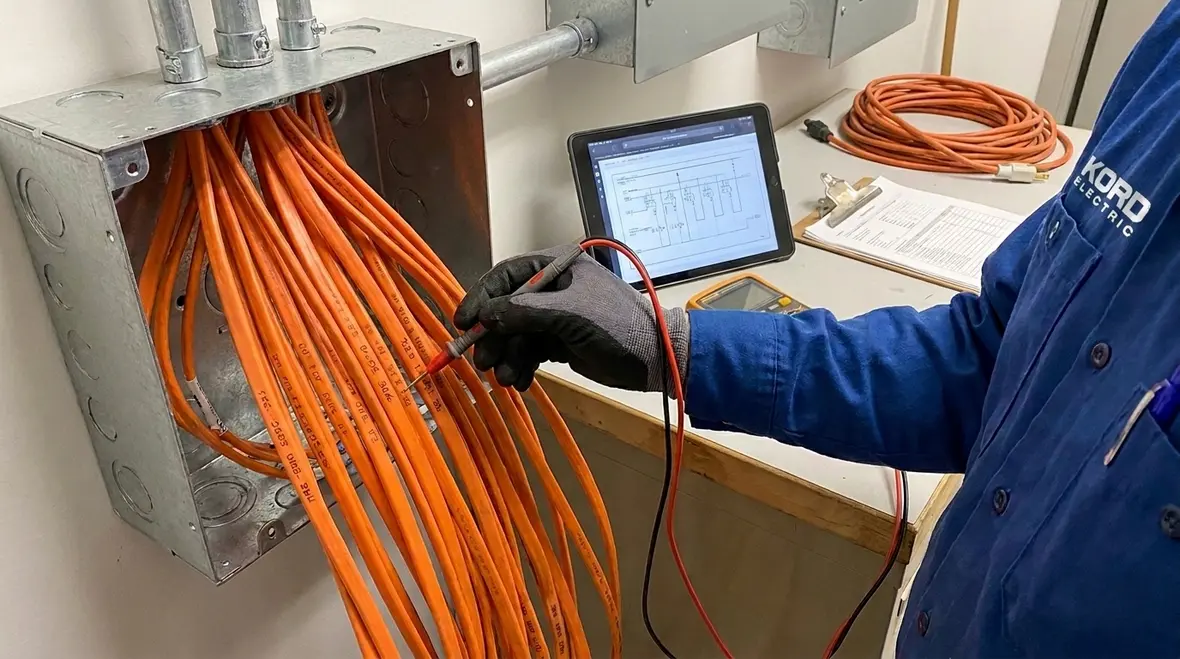
At Kord Electric, we help commercial and industrial facilities get their wiring right the first time, and that starts with understanding NEC NM cable ampacity rules in NFPA 70 Section 320.80. In plain terms, Section 320.80 sets the limits for how much current NM cable can safely carry based on how it is installed and how heat affects it. When others treat ampacity like a guess game, we treat it like math and safety, because heat does not care about deadlines. And yes, we have heard the joke about cables “running hot” like they are having a bad day. Still, we prefer prevention over punchlines.
In the sections below, our expert service staff, including technicians who explain code changes in real-world terms, walks through how 320.80 works, what details matter, and how facilities teams can avoid the common mistakes that lead to nuisance problems, wasted money, or worse.
Where Section 320.80 fits in the ampacity picture
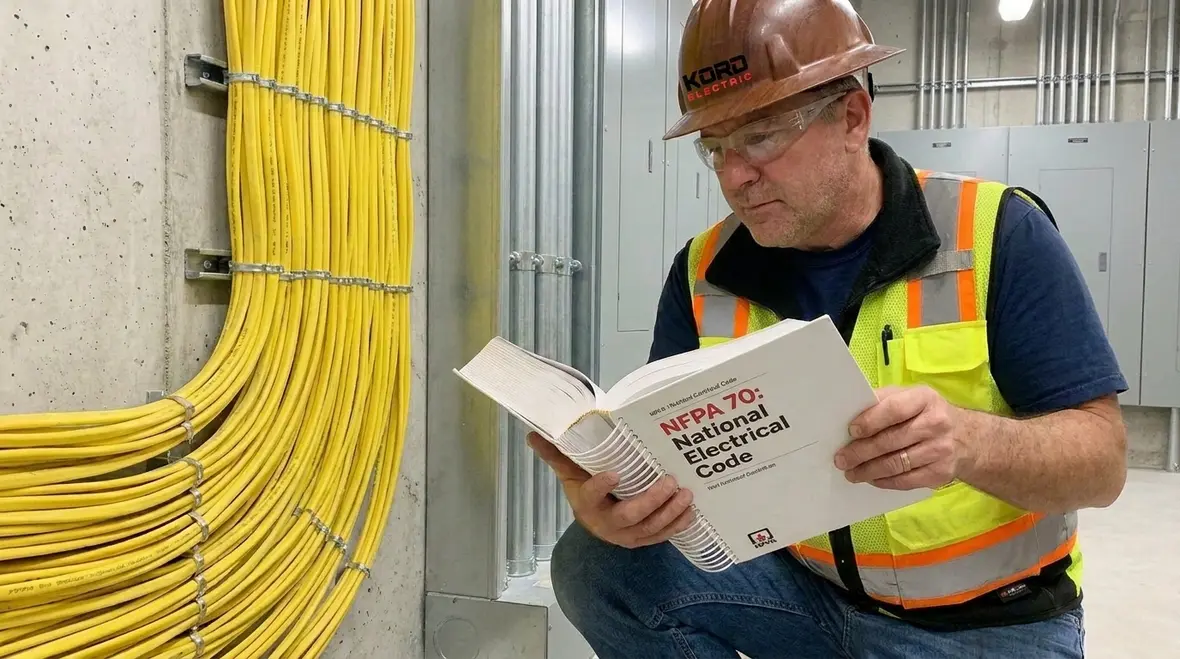
We approach Section 320.80 as one piece of a bigger safety system. First, the NEC establishes baseline ampacity from cable construction and insulation. Then, Section 320.80 tells you how to apply that baseline to NM cable in the field. However, the key point is this: the ampacity rating cannot ignore installation conditions. Heat buildup, spacing, raceway fill, and environmental factors influence what the cable can safely carry.
Our technicians often describe it like seating at a theater. The brochure says “capacity 100,” but if you cram people shoulder to shoulder, comfort drops and safety changes. Likewise, NM cable ampacity is safe under specific installation conditions. If you change those conditions, you must adjust how the rating applies.
So, when facilities teams design or upgrade, they should treat 320.80 as a rule that connects code intent to actual installation reality, not as a line someone skims late at night.
How installation details change NEC NM cable ampacity in practice
Section 320.80 does not exist to make electricians suffer. Instead, it exists because cables behave differently when installed differently. To understand that, we break the idea into practical factors that our expert service staff teaches during on site walks.
- Ambient temperature: When the surroundings run hot, the cable warms up more, and ampacity drops. We help teams check the conditions that the equipment room or chase space actually sees.
- Number of current carrying conductors: More conductors in a bundle or raceway raises heat and reduces safe current. Our technicians track conductor counts during rough ins, not after inspection.
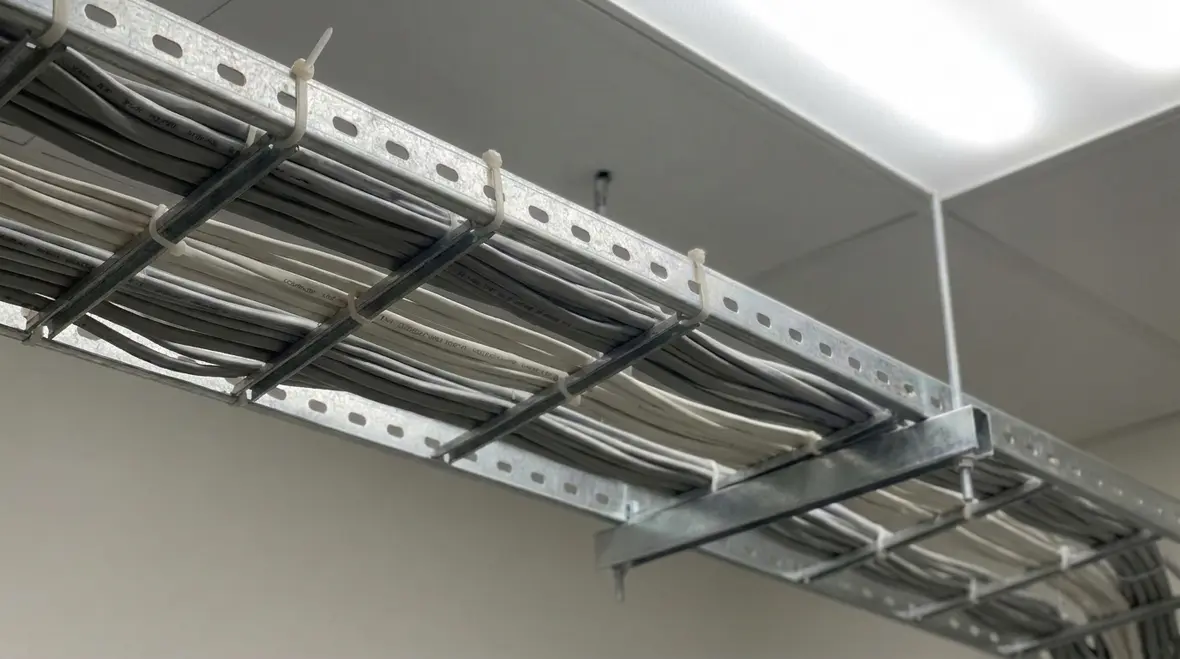
- Conductor grouping and bundling: If cables sit too close, they share heat like a crowded ride at a theme park. Then performance and safety change.
- Use of adjustment factors: The NEC includes adjustment rules that reflect real conditions. We help teams apply them correctly so the ampacity matches the install.
- Method of installation: NM cable may be installed in ways that affect heat dissipation. We map cable paths early so the design matches what will happen on site.
And because commercial and industrial projects do not allow surprises, we build install plans around these factors. That way, the final circuit can carry the load without living on the edge. If a cable is “almost fine,” that is still fine only until it is not.
Common mistakes we see on commercial wiring projects
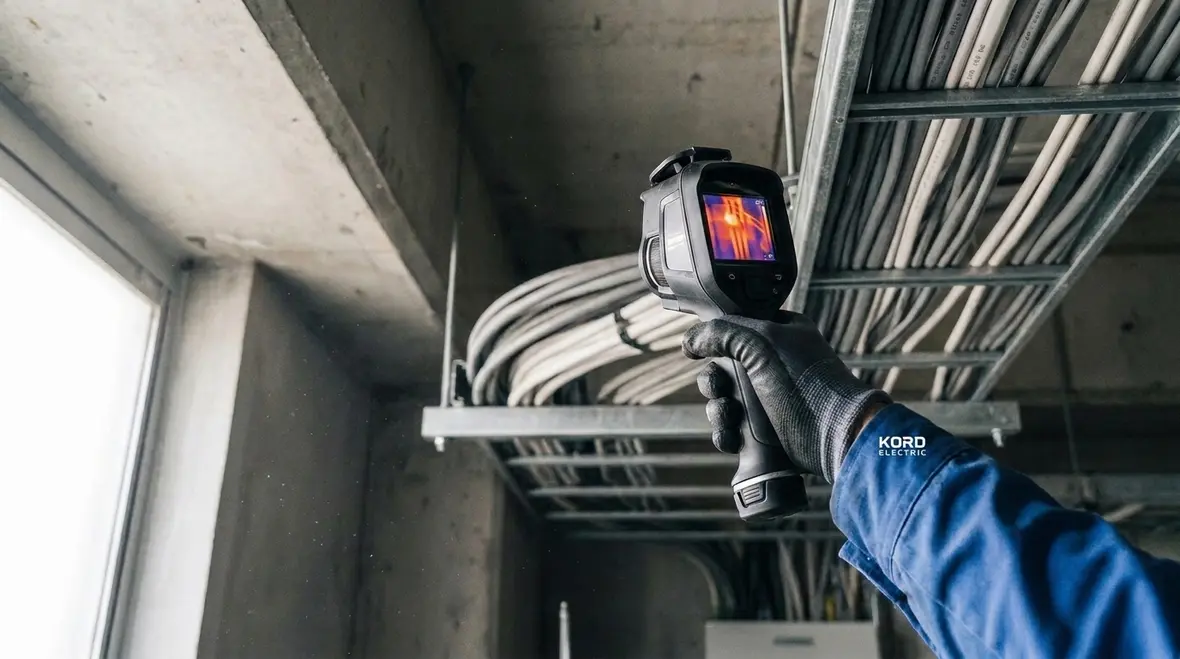
In the field, we see recurring errors that create unnecessary risk. First, teams sometimes treat NM cable ampacity as fixed, even after changes to routing or packing density. Then, they assume load estimates are the only step that matters. However, installation conditions can quietly rewrite the ampacity story.
- Relying on a table without checking the conditions: People pull ampacity numbers, then ignore the way the cable is actually placed.
- Ignoring cable grouping during design: A design might call for a neat path, but the real job bundles cables for convenience.
- Undercounting parallel conductors: If conductors run together in a way that increases heating, safe ampacity can change.
- Skipping adjustment factor checks: Some teams apply no adjustment because they missed the environmental trigger.
- Assuming “it worked last time”: Past jobs do not reflect the same building layout, temperature, or loading profile.
To keep projects smooth, our technicians explain the “why” behind these mistakes. They also show how to correct them during design review, not after the cable is already run. Yes, that means we slow things down at the start, but it prevents the real slowdown later. Like waiting for a late bus, delays feel small until you add up the time.

Step by step: how our team applies Section 320.80 during design review
We apply the rules in a repeatable way that fits commercial and industrial facilities, including major property buildings. First, we verify the circuit purpose and load. Then, we connect the load to the cable choice. After that, we check how the NM cable will be installed.
- Verify the load: We confirm current load expectations based on equipment schedules and usage patterns.
- Confirm the NM cable rating baseline: We use the appropriate cable construction and NEC ampacity baseline for the conductor size and type.
- Match the installation conditions: We look at ambient temperature, grouping, and routing method that affect how heat builds.
- Apply the adjustment rules: We adjust the allowable current to match the real installation and heat conditions.
- Check the design against the breaker and protective device strategy: Then we confirm that protective devices and conductor sizing work as a system, not as separate guesses.
Meanwhile, we document the key decisions so the project team can explain them during review. That matters when owners, property managers, and inspectors need clarity. In other words, we help everyone stay calm, because electrical work already has enough stress without extra confusion.
What this means for reliability and safety in major buildings
Commercial and industrial facilities rely on steady power for life safety systems, operations, and comfort loads. When circuits run too hot, failure risk rises over time. Therefore, proper NEC NM cable ampacity alignment with NFPA 70 Section 320.80 supports reliability, not just compliance.
Also, we think about operational impact. A cable that operates closer to its limits can drive nuisance thermal issues, increased wear on terminations, and more maintenance calls. Those calls cost money, disrupt staff, and turn a clean plan into a surprise. We would rather handle the risk once during design than multiple times during service.
Our broader approach also aligns with how Kord Electric and related specialists view the NEC as a safety framework. When we review electrical systems, we focus on code logic, installation details, and field realities, not just checkboxes. For organizations that need consistent, defensible work, this is the difference between “installed” and “installed to last.” For a deeper foundation on the National Electrical Code itself, building teams often pair this discussion with resources like Understanding NFPA 70: The National Electrical Code Explained for 2026, so system-level planning and NEC NM cable ampacity decisions stay aligned.
FAQ: NEC NM cable ampacity and Section 320.80
Next steps with Kord Electric for code confident wiring
If your commercial or industrial facility needs a wiring design review, a retrofit plan, or a clean inspection path, we are ready. Kord Electric brings technicians and expert service staff who explain the code in plain, practical terms, then apply it to your actual cable routing and installation conditions. We help you confirm that your NM cable ampacity supports the load without cutting corners, and we coordinate those decisions with broader NEC topics covered in resources like our NFPA 70 code guides so decisions stay consistent from the main service down to each NM branch circuit.
For facilities in Southern California, that support extends from early planning conversations through real work on site, backed by dedicated regional coverage. Our Los Angeles County electrical services team handles everything from code-driven upgrades and preventive maintenance to project-based wiring changes, so you are not left guessing how NEC NM cable ampacity or other NEC sections apply when the schedule is tight.
If your project roadmap includes changes to distribution, new equipment, or updated life safety coordination, pairing a focused 320.80 ampacity review with a broader NEC compliance check can be the simplest way to avoid rework, change orders, and inspection surprises. The same attention to detail that goes into conductor counts, adjustment factors, and NM routing can also protect your uptime, documentation trail, and long-term maintenance budget.
If your commercial or industrial facility needs a wiring design review, a retrofit plan, or a clean inspection path, we are ready. Kord Electric brings technicians and expert service staff who explain the code in plain, practical terms, then apply it to your actual cable routing and installation conditions. We help you confirm that your NM cable ampacity supports the load without cutting corners. Contact us to schedule a review, and let’s keep your electrical system steady, safe, and boring in the best way.


