
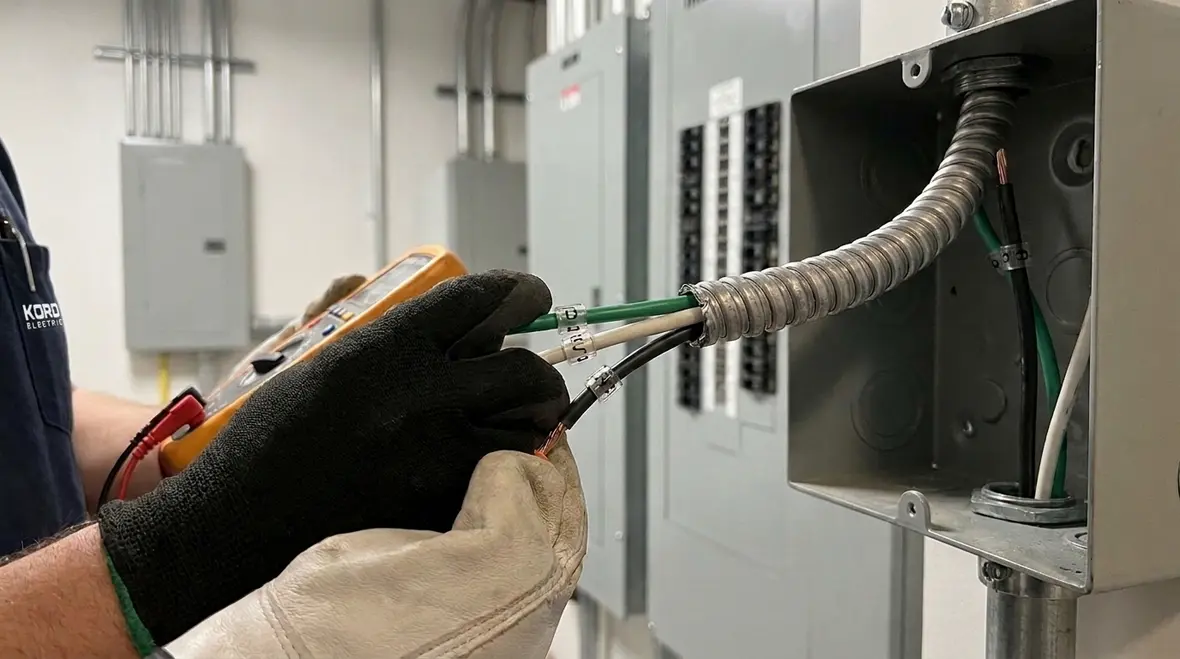
NFPA 70 322.104 for NEC MC Cable Conductors
At Kord Electric, we see commercial and industrial facilities rely on NEC MC cable conductors every day, from power distribution rooms to equipment feeds on high occupancy sites. Yet when a project hits the field, people often treat cable rules like they are optional. They are not. In this guide, a knowledgeable part of our team, including our expert service staff and technicians, walks through NFPA 70 Section 322.104 and how it shapes conductor use in metal clad, also called MC, cable. And yes, we explain it in plain language, because nobody wants an electrical inspection to feel like an unexpected plot twist. Like a sitcom rerun, the rules show up again, and they still matter.
We focus on what matters to owners, facility managers, and electrical contractors working on major property buildings. That means correct conductor rules, safe installation practices, and documentation that holds up when questions arrive. Then we connect it to real world troubleshooting, so your system stays reliable instead of turning into a “mystery box” that trips, heats, or fails at the worst time.
Understanding NFPA 70 Section 322.104 for MC Cable Conductors
NFPA 70 Section 322.104 sets expectations for NEC MC cable conductors within MC cable assemblies. In practical terms, it tells us how conductors must behave and how the cable system must be applied so you do not create unsafe heat, damage, or protection gaps. Furthermore, this section ties into broader NEC requirements about conductor temperature rating, insulation, and proper installation practices.
To keep things grounded, our technicians often start by asking one simple question during site walks: what conductors are actually inside the MC cable, and what does the plan say they should be? Then we compare that to the jacket markings and termination details. This step sounds basic, but it catches the kind of mismatch that can lead to a correction request later. And corrections cost money, time, and patience, which no one has extra of during a shutdown window.
Section 322.104 does not exist to slow projects down. Instead, it supports safe performance under load. As current flows, conductors heat. Therefore, the rules ensure the insulation and conductor construction can handle the conditions they will face, including the environments common in commercial and industrial facilities.
How 322.104 Shapes Temperature, Insulation, and Ampacity Planning
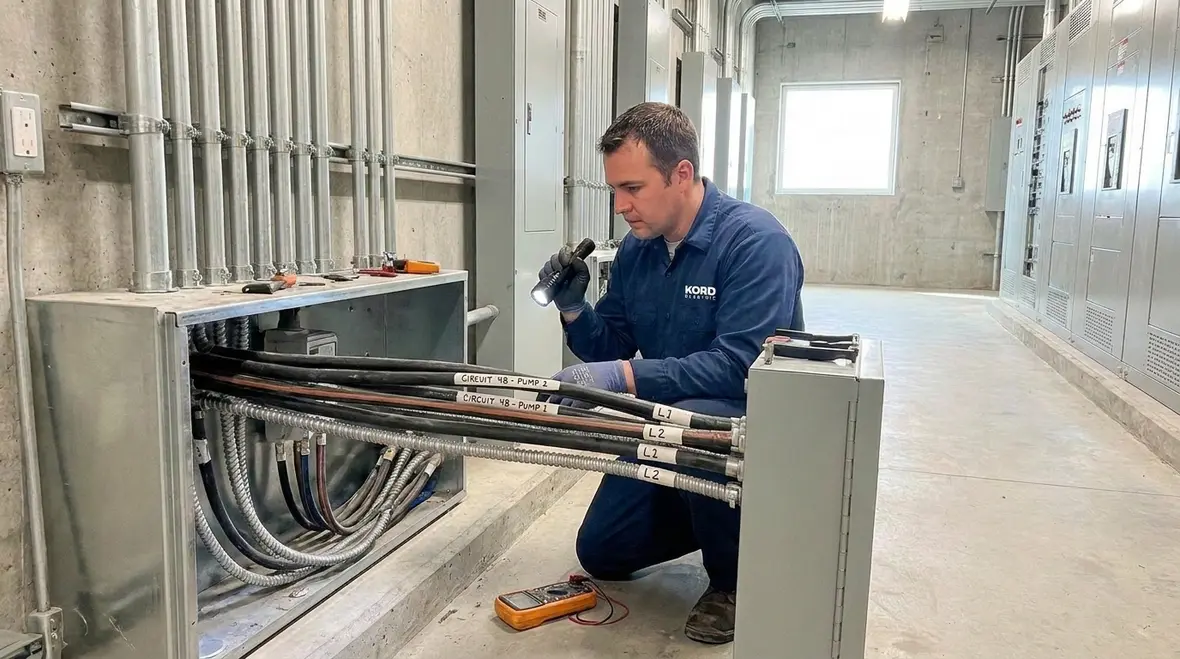
When we plan MC cable runs, we do not just pick a conductor size and call it done. Instead, we look at temperature ratings, insulation type, and how the cable will be installed. Under NFPA 70, conductor ampacity must match the installation conditions. Consequently, 322.104 works alongside ampacity rules so the system can run without overheating.
Our expert service staff explains it like this: the cable is only as safe as the weakest link. If the conductor insulation rating cannot handle the duty cycle or the ambient environment, you may see accelerated aging. Over time, aging insulation can cause higher resistance, more heat, and ultimately failures that look random until you trace them back.
Also, we consider how MC cable is routed. It may run through trays, along walls, or near thermal sources. Additionally, bundling and spacing matter. Therefore, our teams review drawings, field conditions, and actual installed quantities before energizing equipment. That approach reduces surprises and helps keep commissioning smooth.
Installation Details That Keep NEC MC Cable Conductors Performing Safely
Even when the correct cable and conductor are selected, installation drives the outcome. NFPA 70 expects workmanship that preserves insulation integrity and protects the cable system. So we focus on details that inspectors care about and that technicians need to troubleshoot later.
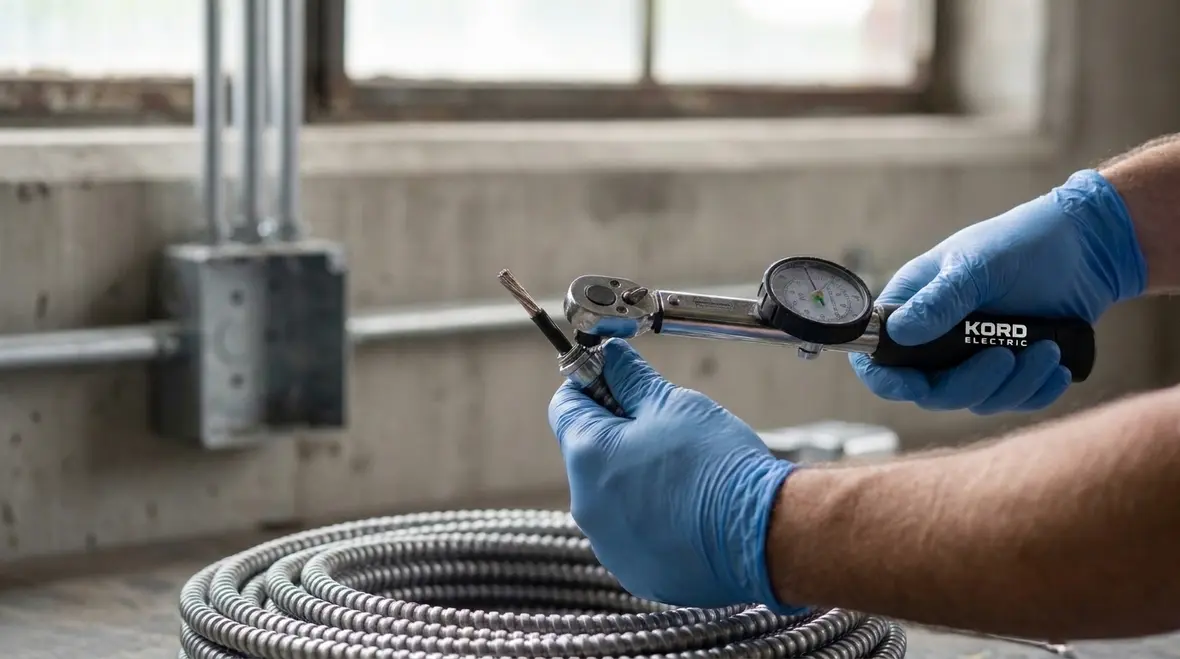
First, terminations must match the cable construction. If conductors are strained, nicked, or improperly prepared, the insulation barrier can get compromised. Second, we verify that bends meet minimum radius needs, since sharp bends increase stress on the conductor and cable jacket. Third, we ensure that glands, connectors, and fittings provide proper support and secure the cable so it does not loosen from vibration or handling.
Now for the human part. In the field, people move fast. However, our technicians slow down at critical steps. We double check conductor preparation, verify torque on terminations, and document what we found. Then we explain the reasoning to our clients, because informed decision makers can approve solutions faster. Think of it as training wheels, but for your electrical system.
And yes, sometimes a contractor wants to “just make it fit.” That is how you end up with loose fittings, stress marks, and a call to our service line. Our staff responds professionally, but we still say the same thing: electrical work is not where we should rely on optimism and duct tape.
Field Verification for Major Property Buildings and Critical Loads
Commercial and industrial facilities often carry critical loads. That means you need repeatable quality, not guesswork. As a result, Kord Electric supports major property buildings with verification steps that align with NFPA 70 expectations, including conductor handling tied to MC cable conductor requirements.
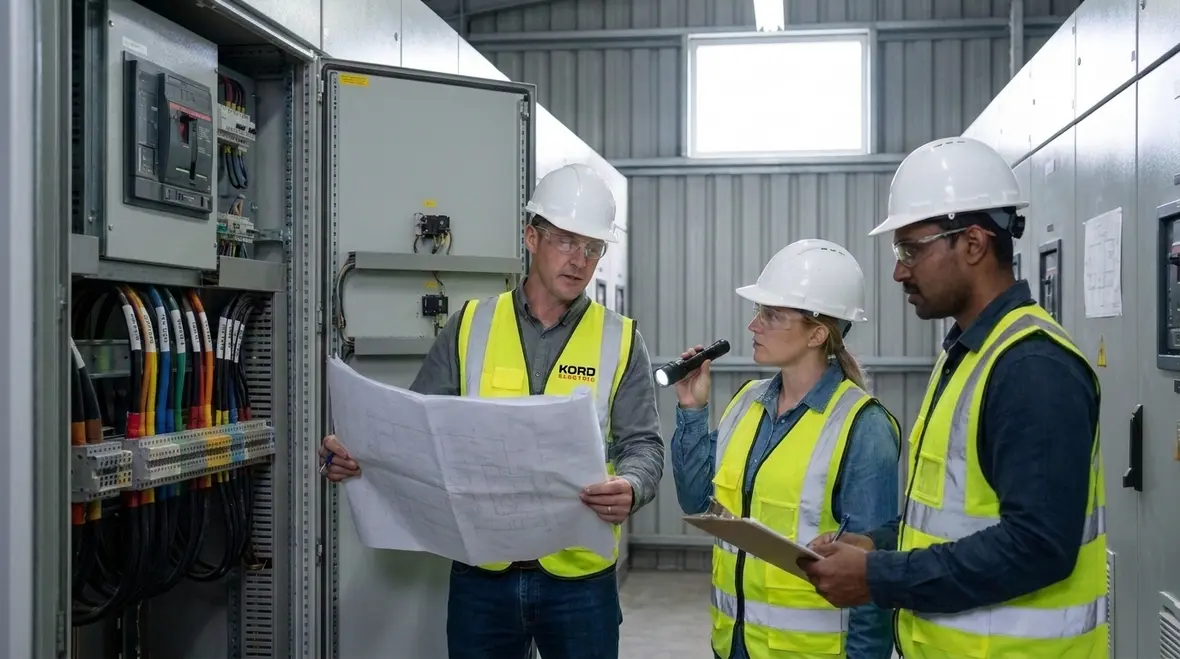
During commissioning, we check conductor connections at panels, disconnects, and equipment. We also confirm that labeling and identification match the one line diagram. Furthermore, we review whether the installed routing aligns with the design intent, since changes can alter heat exposure and cable condition.
For larger sites, we coordinate with facility teams and general contractors to manage access, safety, and downtime. Then we maintain clear records, including photo documentation of cable routing and termination setups when needed. This helps other trades understand what is complete and what still requires work.
In addition, we help owners plan maintenance so issues do not become emergency events. When a system fails, it does not just interrupt a circuit. It can stop operations, delay deliveries, and create costly downtime. Therefore, our approach aims to prevent problems before they show up.
Common Mistakes We See Around MC Cable and How We Fix Them
In the real world, errors happen. However, most problems we see can be traced to predictable causes. Our technicians have learned to catch them early, so you do not pay for rework or experience repeated nuisance trips.
One frequent mistake involves mismatched conductor types or ratings. Sometimes plans call for a specific insulation rating, but the installed product differs. When that happens, the system may not meet the expected temperature performance. Another mistake involves poor termination preparation, including insulation damage or incorrect stripping length. Then there is improper support, where the cable lacks adequate fastening and gets stressed over time.
We also see confusion around how MC cable behaves in certain environments. Some facilities treat all spaces the same, but commercial and industrial buildings often include wet areas, mechanical rooms, and places with high heat sources. Therefore, the installation must account for the location and routing plan.
When we fix issues, we do it methodically. First, we isolate the affected circuit and verify the correct cable and conductor details. Second, we correct the termination or routing using code compliant parts and proper methods. Third, we test to confirm stable operation. Then we explain what went wrong and how to prevent a repeat. Our team does this with patience because, frankly, explaining an electrical issue like a fairy tale does not help anyone.
Why Our Service Process Matters for NEC Compliance
Kord Electric serves commercial and industrial clients, and we understand the pace of major property buildings. You need service that respects schedules, follows safety rules, and supports compliance. So our process blends technical depth with practical communication.
Our technicians review project documents and ask clarifying questions before installation starts. Then they validate key details during field work, including terminations, supports, and routing. After that, we document findings in a way that facility teams and contractors can use. Consequently, compliance does not feel like a mystery. It becomes a checklist you can trust.
Additionally, we help clients understand how NEC requirements connect to day to day operations. For example, when an electrical system runs hotter than expected, it can lead to quicker wear. Thus, correct conductor application and installation choices support reliability, not just paperwork.
And for the record, we never treat compliance like a box you tick and forget. We treat it like the foundation you build the rest of the system on. If you want a deeper dive into the code background and how it is commonly applied, you can review related resources from Kord Fire and Kord Electric’s educational materials, including the broader NEC 2026 explanations available through our online presence such as Understanding NFPA 70: The National Electrical Code Explained for 2026, which connects high level NEC direction to everyday decisions for major property buildings.
How Kord Electric Supports Real Projects and Services
Beyond MC cable and conductor choices, many facilities use these projects as a chance to improve overall system resilience. That can include upgrading gear in aging electrical rooms, tightening coordination with fire protection systems, or planning long term infrastructure changes instead of piecemeal fixes. Our team connects those dots so one project moves the entire system forward.
For facilities in Southern California, our Los Angeles County electrical services overview shows how we handle everything from distribution upgrades and NFPA 70 driven corrections to commercial tenant improvements and industrial system expansions. That service framework gives owners and managers one point of contact for both troubleshooting and long range planning, instead of juggling multiple contractors who do not speak the same code language.
When you combine that service depth with careful attention to NEC MC cable conductors, 322.104 expectations, and related sections that govern routing, temperature, and protection, you get electrical work that stands up to inspections and daily operations alike. The result is a system that behaves predictably instead of surprising you on the busiest day of the quarter.
FAQ About NFPA 70 Section 322.104 and MC Cable Conductors
Final Thoughts and Next Steps With Kord Electric
NFPA 70 Section 322.104 matters because it protects people and operations by guiding safe use of MC cable conductors. When our technicians review design intent, validate field installation, and handle terminations with care, your system gains reliability. If your facility is planning new distribution, upgrading equipment, or resolving inspection findings, we can help. Reach out to Kord Electric for guidance on MC cable conductor application and compliance support for commercial and industrial facilities and major property buildings. We bring calm, clarity, and code backed workmanship to the worksite.


