
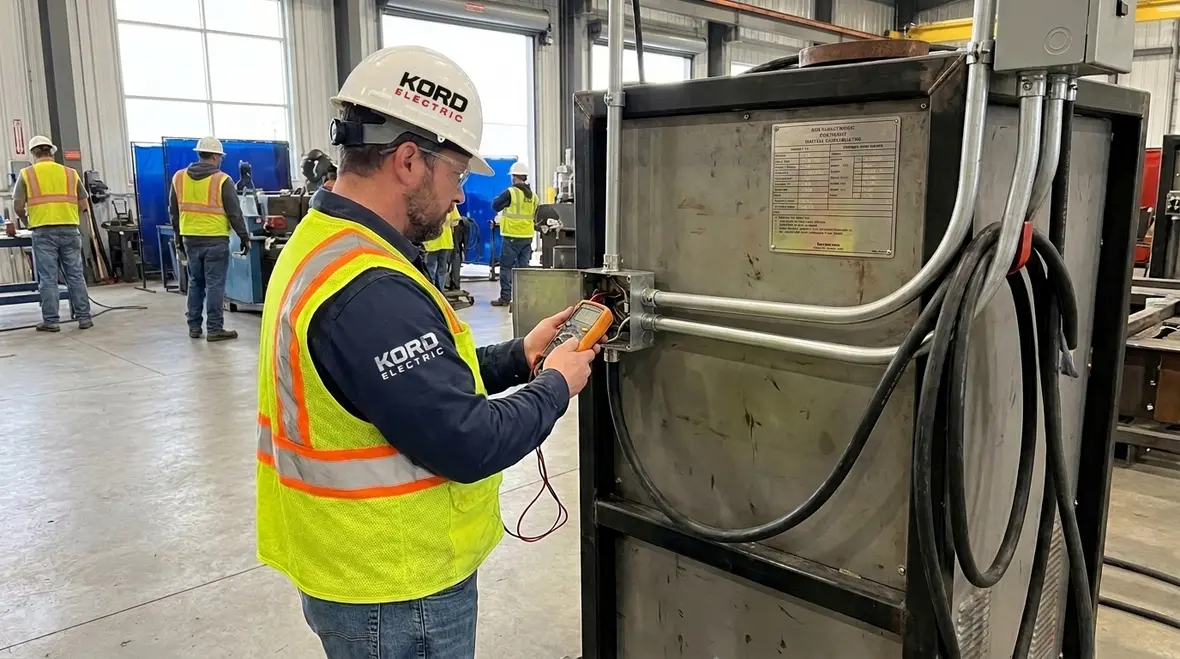
NFPA 70 Section 630.2 Welding Equipment Listing
NFPA 70 Section 630.2 welding equipment listing sits at the heart of safe electrical design when welding loads show up on a project. In the first place, we tell our clients at Kord Electric that this rule helps ensure welding equipment gets tested and listed, which reduces surprises later. Then, we connect that point to the broader reality: the National Electrical Code, also called NEC, governs how we install wiring, disconnects, grounding, and overcurrent protection across commercial and industrial facilities.
In this article, our team, and specifically the technicians and expert service staff we send to job sites, walks through how NFPA 70 supports practical safety decisions. We keep it plain, we keep it jobsite ready, and yes, we keep the tone calm. Because nothing says “fun” like troubleshooting a misapplied breaker at 6 pm.
How NFPA 70 shapes real electrical safety in commercial buildings
NFPA 70 is not a book you read for fun during lunch. Still, it matters because it drives what others can safely expect from installed electrical systems. For commercial and industrial facilities, the stakes are higher. We work with major property buildings where loads run hard, occupancy changes, equipment cycles, and maintenance happens under time pressure. Therefore, the NEC becomes a guide for consistent installation methods that reduce fire risk, shock risk, and system failures.
Our approach at Kord Electric starts with design intent. We help others understand that “code compliance” is not just passing an inspection. It is building a system that behaves correctly under normal use and under fault conditions. Moreover, we coordinate with electricians, engineers, and facility teams so the finished installation matches the drawings and the real-world layout.
When welding equipment enters the picture, we pay special attention. Welding equipment is not a casual plug-in tool. It often draws specific current characteristics, it gets moved or connected in planned ways, and it can create heat and electrical stress if misapplied. That is why the listing requirements under NFPA 70 Section 630.2 welding equipment listing matters from the start.
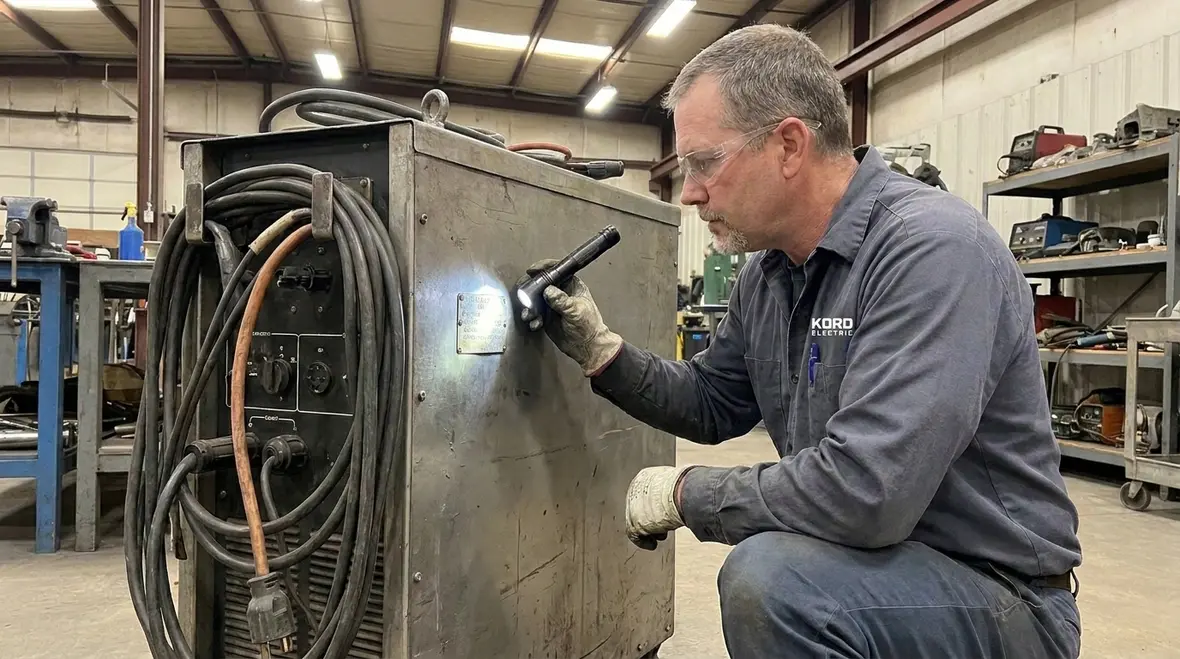
Why welding equipment listing matters under NFPA 70 Section 630.2
In welding applications, equipment listing means the manufacturer designed the unit to meet recognized safety tests, and the equipment matched those requirements. Then, when we install it, we use correct connection practices, correct receptacle or outlet types, and the right protection methods. This reduces the chance that the equipment will behave unpredictably, especially when conditions change.
Our technicians explain it like this: if you pick gear that is not meant for the environment or not evaluated for safety, your electrical system becomes the “trial version.” And nobody wants the trial version of safety on a site with critical operations.
We also look at installation details around welding. That includes how the equipment connects to the electrical system, how conductors get protected, how overcurrent devices get selected, and how bonding and grounding stay intact. In addition, we watch for conditions that often get overlooked in busy projects, like damaged cords, loose connections, and changes made during maintenance without updating the electrical setup.
For the commercial and industrial context, listing under NEC becomes a practical checkpoint. It supports safe operation across shift schedules and it helps facility managers keep equipment reliable.
What our expert service staff checks before anyone welds on site
Before a welding operation starts, our expert service staff at Kord Electric focuses on the foundation. We do not assume that “it worked before” equals safe now. Instead, we inspect and verify the installation and the conditions around it. Then we document what we find so others can plan repairs without guessing.
First, we confirm the electrical supply and distribution are correct for the welding equipment. That means checking conductors, terminations, and how the disconnecting means gets provided. Next, we verify grounding and bonding paths stay continuous, because welding environments can be tough on connection integrity.
After that, we inspect the physical setup. Cords, connectors, and receptacles must match the equipment use. We also look for installation damage and for signs of overheating. Then we address issues that would break the safety chain, like improper adapters, worn cable jackets, or missing covers.
Finally, we review operational practices with the facility team. We explain what they can control, like cord handling, storage, and how employees connect and disconnect equipment. We keep the message consistent and calm because training works better when people feel guided, not blamed.
How we coordinate NEC requirements with inspections and project realities
Projects do not install themselves. Drawings get updated, equipment gets substituted, and field conditions change. Therefore, we coordinate NEC expectations early with design teams and contractors. We help others translate code intent into install steps that fit the schedule and the site layout.
We also support a smoother inspection process. When others follow the NEC properly, inspectors see clear evidence of safe decisions. That includes correct device selection, proper protection, and correct termination practices. Meanwhile, our technicians keep an eye on how welding loads fit within the larger electrical system, so the project does not create downstream problems for other operations.
For those who want broader context on NEC structure and how it gets applied, we point teams toward resources like the Kord Electric and Kord Fire explainers. For example, you can dig deeper into the code framework using guides such as Understanding NFPA 70: The National Electrical Code Explained for 2026 and the related NFPA 70 coverage on the Kord Fire side. They help others connect the dots between the code sections and day-to-day installation.
Common failure points we see in industrial electrical installs
When we service commercial and industrial facilities, we notice patterns. The equipment may be solid, but the installation can drift over time. Consequently, failures often come from small changes that stack up: a repair done quickly, a connector replaced without confirming ratings, or a grounding point that gets disturbed during maintenance.
One common issue involves inadequate protection around the connection points. Another involves sloppy cable routing that allows abrasion. We also see overheating from loose terminations, especially after equipment moves or after repeated connect and disconnect cycles. Then there are situations where someone changes the welding setup without verifying that the electrical interface still matches the intended configuration.
Now, here is the pop culture truth. Electrical problems rarely announce themselves with a dramatic soundtrack. They just show up quietly, like a surprise sequel nobody asked for. We prevent that sequel by doing field verification, tightening terminations to proper specs, and ensuring the installation follows NEC requirements across the whole pathway, not just at the outlet.
For fire safety planning and emergency considerations, Kord Fire provides additional perspective on the broader safety ecosystem around electrical equipment. While that is a different specialty, it helps facilities see how electrical safety and fire prevention align.
Using smart documentation to keep compliance strong over time
After installation, the code work does not stop. Facilities need documentation that stays useful. Our team helps others capture installation evidence and service records in a way that supports ongoing maintenance. Then, when inspections come or when equipment gets replaced, facility managers can show what exists and how it was maintained.
We also recommend a practical maintenance routine. That routine includes visual checks of welding connections, inspections of cords and strain relief, verification of protective devices, and periodic checks of grounding continuity. When we perform service, our technicians explain what they see in simple terms, so others can spot early warning signs.
For organizations that rely on pumps and engineered systems, like those supported by fire pump communities, electrical reliability affects broader life safety performance. You can see how life safety systems get organized through resources such as firepumps.org. The electrical side still matters because the whole system operates together, and weak links create system risk.
Frequently asked questions about NFPA 70 and welding equipment
Next steps with Kord Electric for code-ready installations
If your facility uses welding equipment, do not treat code checks like paperwork you do at the last minute. Contact Kord Electric and we will help you verify welding-related electrical setup with the right focus on NFPA 70 Section 630.2 welding equipment listing and the full installation pathway that supports safe operation. Our technicians and expert service staff explain findings clearly, document what matters, and help your team plan next actions. Reach out today to schedule an assessment for your commercial or industrial site.
For facilities across Southern California that need a broader electrical partner, Kord Electric provides comprehensive Los Angeles County electrical services for commercial and industrial properties. Welding circuits, panel upgrades, emergency power, and code-driven improvements can all be coordinated under one team so your NEC strategy stays consistent across projects.
If you are planning future upgrades or renovations beyond welding, you can also explore the wider Kord Electric blog for topics like NFPA 70 code strategy, electrical infrastructure modernization, and preventive maintenance. Those resources pair well with a site assessment so your facility can move from “fix it when it breaks” to a calm, documented plan for long-term reliability.
Whether you are preparing for an upcoming inspection, adding new welding stations, or updating older equipment, bringing in a code-minded team early pays off. It keeps surprises out of your electrical room, keeps your welding operations predictable, and keeps your people focused on production instead of scrambling around a tripped breaker at the end of a long shift.


