
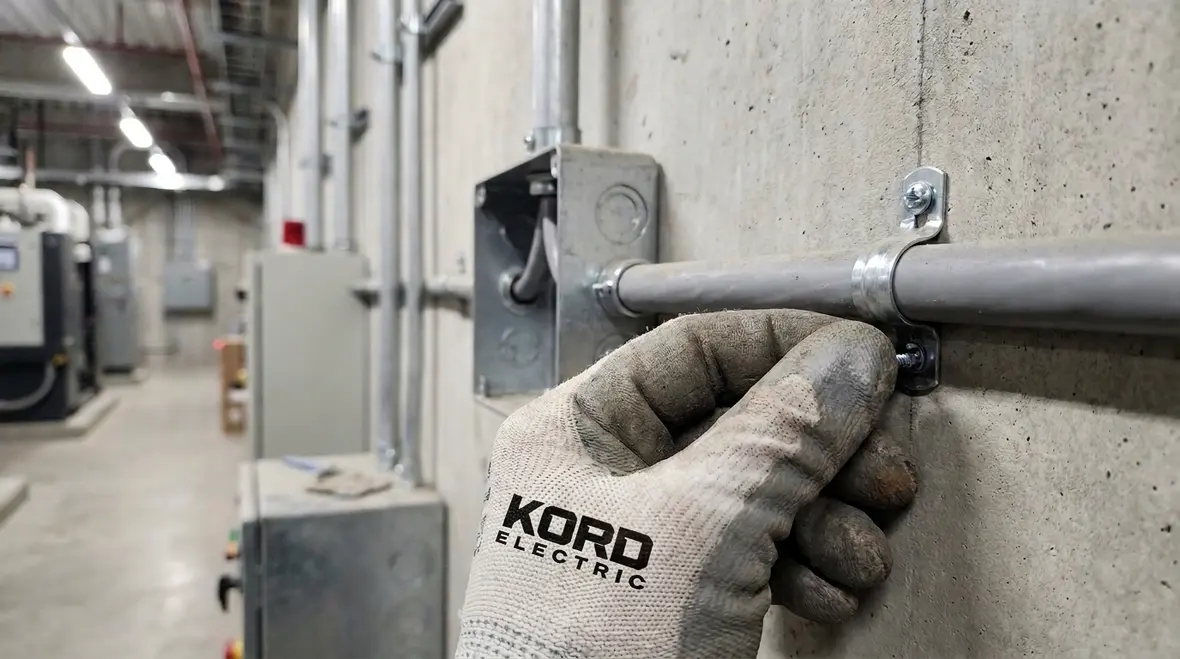
NFPA 70 334.30 Secure Support for NEC Branch Circuits
In every commercial and industrial facility, the goal stays the same: keep power safe, stable, and predictable. That is why NEC branch circuit securing supporting matters from day one. When conductors run behind walls, up trays, or across open areas, they must stay in place and resist the forces that come from daily use and real-world conditions. In this article, we explain how NFPA 70 Section 334.30 guides the way we secure and support branch circuit conductors, and we share how our technicians at Kord Electric verify the details on site. Then, we connect those rules to the bigger NEC picture that professionals like us rely on every day. And yes, we keep it calm, because electrical code chaos is not a vibe.
What NFPA 70 334.30 requires for branch circuit runs
NFPA 70 Section 334.30 focuses on how we secure and support branch circuit conductors. In plain terms, it tells us that once cable is installed, we do not leave it to “figure itself out.” Instead, we place supports so the conductor stays protected and does not pull loose, sag, or get damaged over time. Additionally, the section ties the support plan to practical realities like routing length, physical stresses, and cable type.
At Kord Electric, our expert service staff often explains it like this during walkthroughs. If a conductor can move, it can wear. If it can wear, insulation can degrade. And if insulation degrades, we end up chasing trouble that nobody wants to pay for, especially when the building is operating normally.
Moreover, we look beyond the text and ask how the system behaves as the building lives. People move equipment. Doors open and close. Vibrations happen. Temperature changes follow the seasons. Therefore, securing and supporting must match the environment, not just the layout on paper.
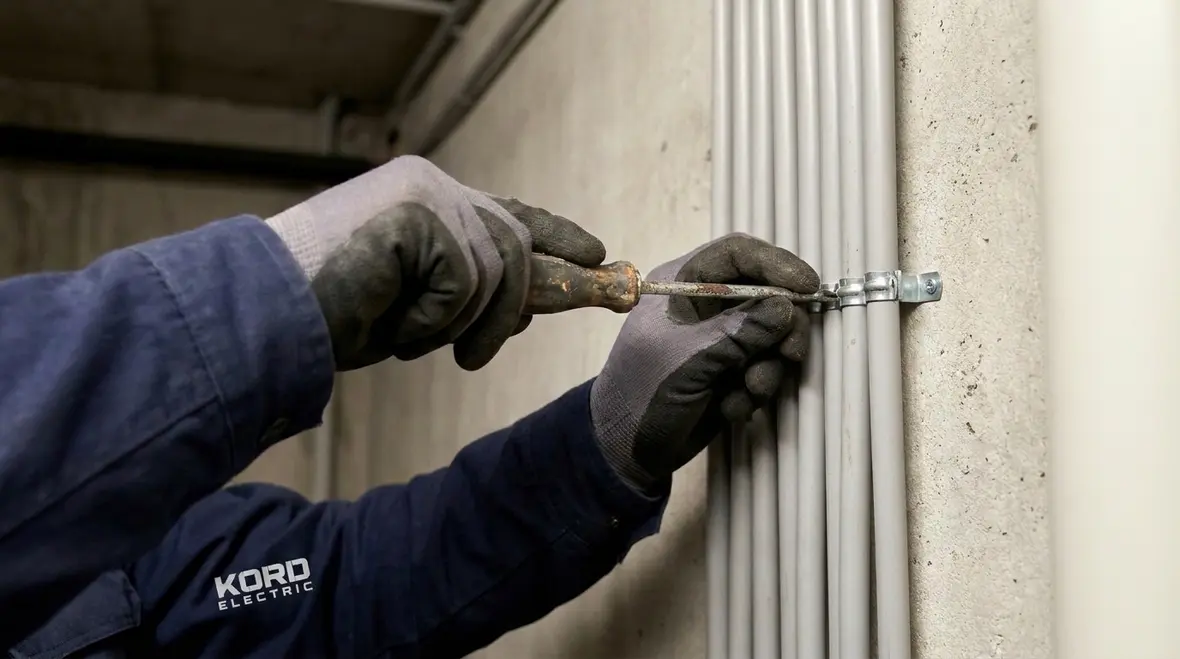
How we design securing and support paths in real facilities
For commercial and industrial projects, we treat conductor support as part of the overall power strategy, not a last-minute checkbox. First, we map the route where cable will travel, including transitions between tray, conduit, and any protected spaces. Next, we plan the support points so the cable remains stable along the whole run. Then, we coordinate with other trades so we do not build a beautiful route that ends up getting crushed by a pipe swing or blocked by ceiling work.
Because NEC rules interact with field conditions, we use a method that our team has refined through years of site work. We check where the cable may experience strain, especially around bends, near boxes, and where the cable direction changes. Also, we inspect areas that face mechanical damage risks, since even a well planned electrical job can lose stability if the cable is exposed to impacts.
In addition, we handle transitions carefully. A branch circuit that enters an enclosure or connects to equipment needs support that prevents the cable from acting like a rope under load. Otherwise, the pull lands where it should not land, which is never on the electrical system’s “to do list,” but on the insulation, connectors, or termination points.
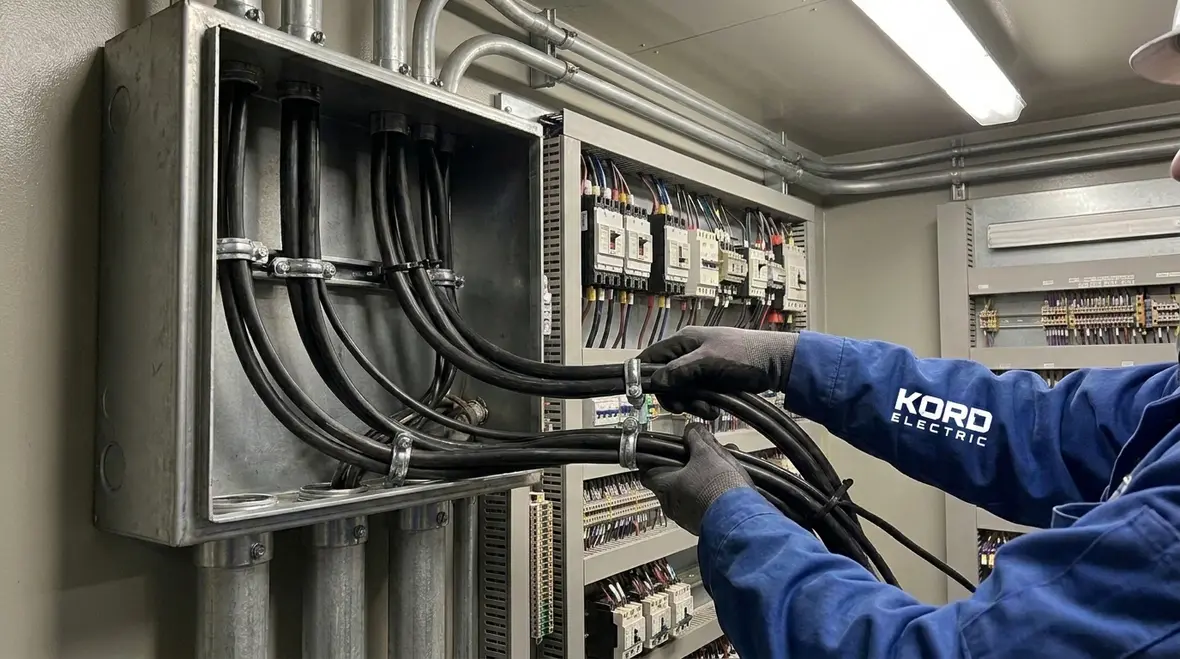
Support points, spacing, and conductor strain control
Once we know the route, we focus on support points and how they manage strain. The purpose is simple: we keep the conductor from excessive movement and prevent strain at terminations. To do that, we choose the right type of support, install it correctly, and place it so it holds the cable without damaging the jacket or insulation.
Here is where our technicians show real discipline. They do not just “add some clips.” They evaluate the run and install supports where the conductor would otherwise sag or flex. Then, they confirm that supports align with the cable’s behavior under normal forces. For example, if the route includes long horizontal runs, supports help reduce sag. If the route includes vertical sections, supports help control the cable’s tendency to pull along its own weight.
At the same time, we avoid over handling. Supports should not pinch the cable or cause abrasion. And yes, we have seen contractors try to “make it fit” with shortcuts that sound like a magic spell but end like a maintenance call. Our team stays steady: correct materials, proper installation, and clean alignment.
Furthermore, we think about service access. Commercial and industrial buildings need systems that maintenance teams can inspect without tearing apart walls. Therefore, we secure the conductors in a way that supports safe inspection and future upgrades, which keeps downtime low and budgets happier.
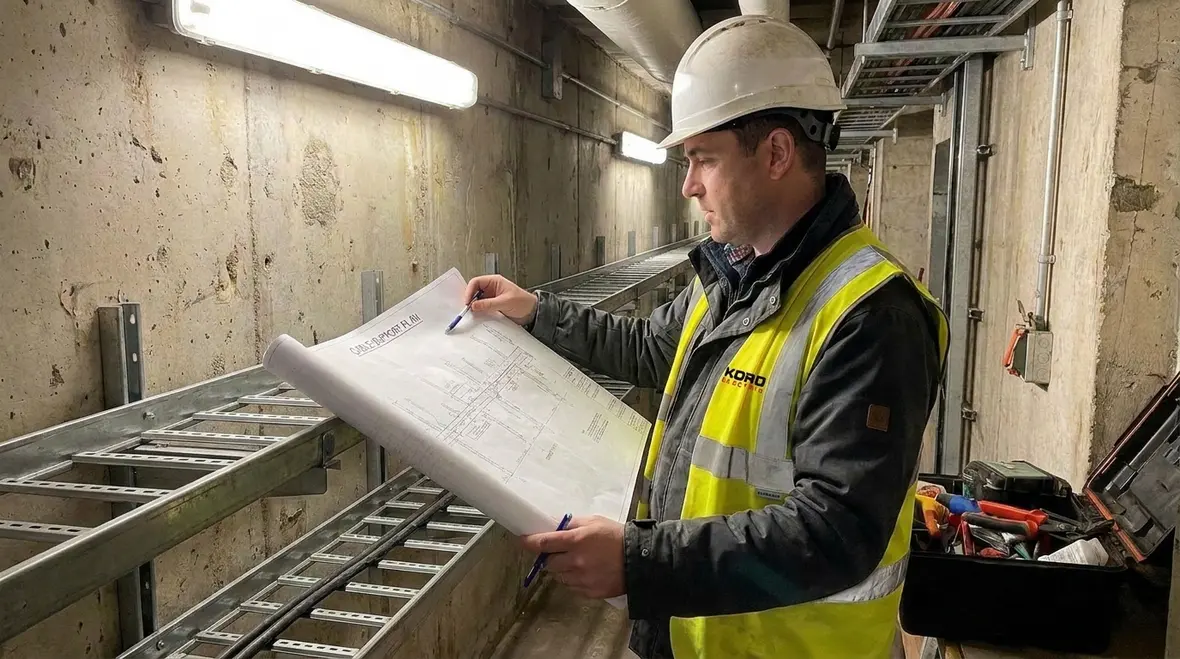
Securing near boxes, bends, and equipment connections
Every building has those “hot spots.” You know them. They appear around junction boxes, pull points, and near electrical equipment where cable transitions from one component to another. NFPA 70 334.30 connects securing and support needs directly to how the cable behaves near these points. If the conductor moves too much near a termination, it can stress connections and affect long term reliability.
We handle these areas with care. First, we ensure the cable is properly secured so it cannot shift when someone accesses a panel or when vibration comes from nearby machines. Second, we check bending paths so the cable does not suffer from tight bends or repeated flexing. Third, we confirm that boxes and enclosures support the cable system as intended, not just as an afterthought.
Additionally, our technicians coordinate with commissioning teams and facility managers. That matters because the best securing and supporting plan still needs to match how the building operates. If equipment cycles start and stop frequently, vibration increases. If humidity swings, materials may react differently. So, we secure with the operating reality in mind.
And just to keep it human, we sometimes tell clients: termination points deserve respect. They are like the last seat on a roller coaster. If the cable shifts, nobody enjoys the ride.
Weather, moisture, and mechanical risk in industrial settings
Commercial and industrial facilities face conditions that residential installations often never see. Exposed runs may face moisture exposure, condensation, dust, and temperature swings. In some buildings, cable runs pass through areas where forklifts, carts, or routine traffic can cause impact. Therefore, securing and supporting must also support protection goals, not just physical position.
At Kord Electric, we treat protection as part of compliance. We evaluate where cables face potential damage and plan the securing method accordingly. We also check how the support materials resist corrosion in wet or humid areas. Then, we verify that the cable is not left to become a “science project” during seasonal changes.
In addition, we consider how the NEC guidance connects to broader code intent. When we reference the NEC as explained in our resources, we emphasize how proper installation protects people and equipment while supporting safe long term operation. Our approach follows the same spirit across systems, including how NFPA 70 supports safe electrical design, installation, and maintenance expectations. And because many stakeholders rely on clear documentation, we keep project records understandable for owners and future service teams.
To learn more context on NEC ideas we discuss with clients, we often point facility teams to our own NEC resources and code focused explainers from Kord Electric and Kord Fire, including the kind of guidance you can find at Understanding NFPA 70: The National Electrical Code Explained For 2026 and related NFPA 70 content at kordelectric.com and kordfire.com.
Installation quality checks we apply before power is energized
Good securing and supporting starts in the design phase, but it finishes with field checks. Before we energize or hand over, we verify key points. Our technicians inspect the support layout along the full run, confirm that supports are secure, and check that the cable remains stable with no rubbing or pinching. Then, we review areas near boxes and equipment to confirm strain relief behavior matches the intent.
We also check for the common “small mistakes” that grow into big issues. A support installed a bit off can allow a cable to flex under load. A missing support near a bend can lead to wear. A connector stressed by movement can reduce reliability. Therefore, we perform careful visual checks, and we verify alignment with the installation plan.
Then, we document what we find. Since facility teams in commercial and industrial environments need traceability, our staff records what was installed, where, and why. That makes future troubleshooting faster and reduces repeat work. If you have ever tried to find a cable problem with vague notes, you understand why this matters.
Our branch circuit work also fits into a larger NEC strategy. Facilities that review NEC working space rules, raceway drainage expectations, and specific purpose load calculations alongside NEC branch circuit securing supporting decisions end up with systems that feel consistent instead of patched together. In other words, your cable supports are not just “holding up wire.” They are holding up the reliability story for the whole building.
Featured FAQ on NEC branch securing and support
Call Kord Electric for code ready conductor support
If your commercial or industrial facility needs branch circuit installs that stay safe under real conditions, we want to help. Kord Electric supports projects where reliability matters, from planning through field checks. Our technicians apply NFPA 70 guidance with the kind of calm focus that keeps power systems dependable and maintenance teams happier. Reach out to us for an on site review, a compliance focused installation plan, or expert service that explains every step in plain language. Then you can move forward with confidence, not guesswork.
For organizations planning broader upgrades, our NEC branch circuit securing supporting approach connects naturally with other services, including working space reviews, raceway design, labeling strategy, and more. Facilities across Southern California rely on our Los Angeles County electrical services for commercial and industrial buildings when they want branch circuits, feeders, and life safety systems to tell the same, code aligned story instead of competing for attention.
Whether you are planning a new installation or correcting legacy issues, our team helps you translate NEC requirements into practical, buildable work plans. We coordinate with your contractors, commissioning partners, and facility staff so supports, routing, and documentation line up before inspection day. That way, your conductors stay where they belong, your power stays predictable, and your crews can focus on operations instead of chasing preventable issues in the ceiling or behind the walls.


