
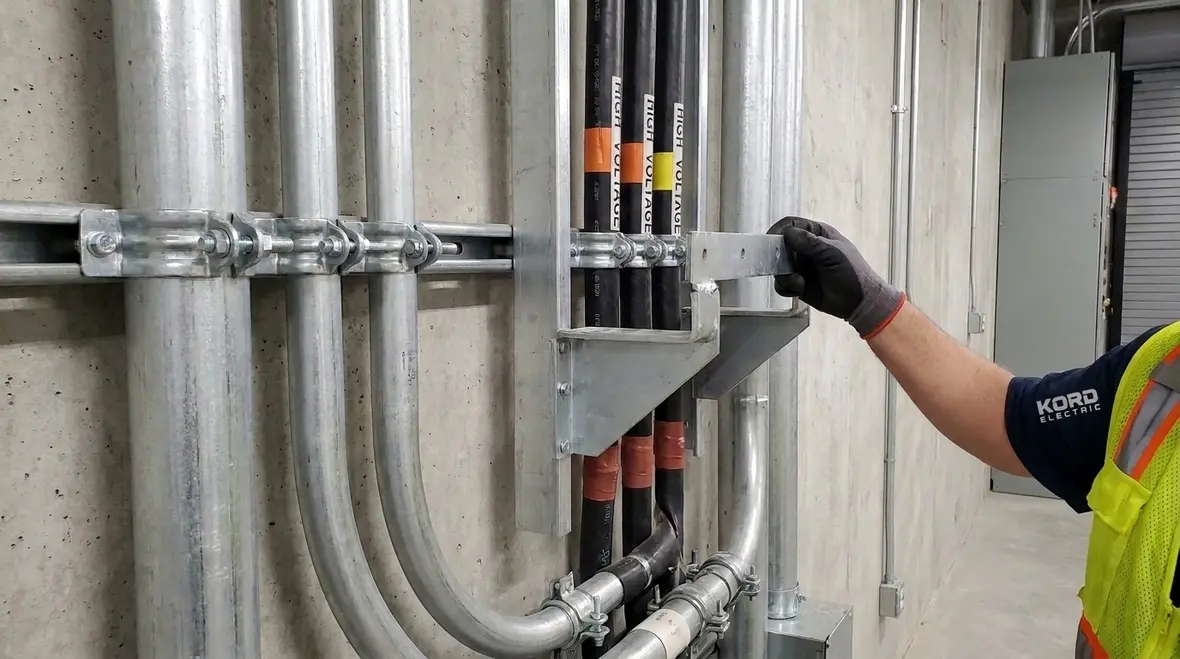
NFPA 70 NEC means of attachment high voltage Section 268.27
NFPA 70 NEC means of attachment for high voltage services: what Section 268.27 requires
At Kord Electric, we see it every day: commercial and industrial facilities need power that stays reliable when conditions get tough. That is where NEC means of attachment high voltage comes into play, especially when NFPA 70 Section 268.27 applies to services over 2 kV. In plain terms, the Code lays out how the electrical service equipment and conductors get secured to structures safely and consistently, so the system does not shift, loosen, or fail during mechanical stress, vibration, or weather.
To keep this calm and clear, our technicians and expert service staff explain the rules like you are standing right next to the panel, not reading a legal brief. And yes, we will include a few small jokes, because even high voltage deserves good vibes.
What Section 268.27 actually covers for services above 2 kV
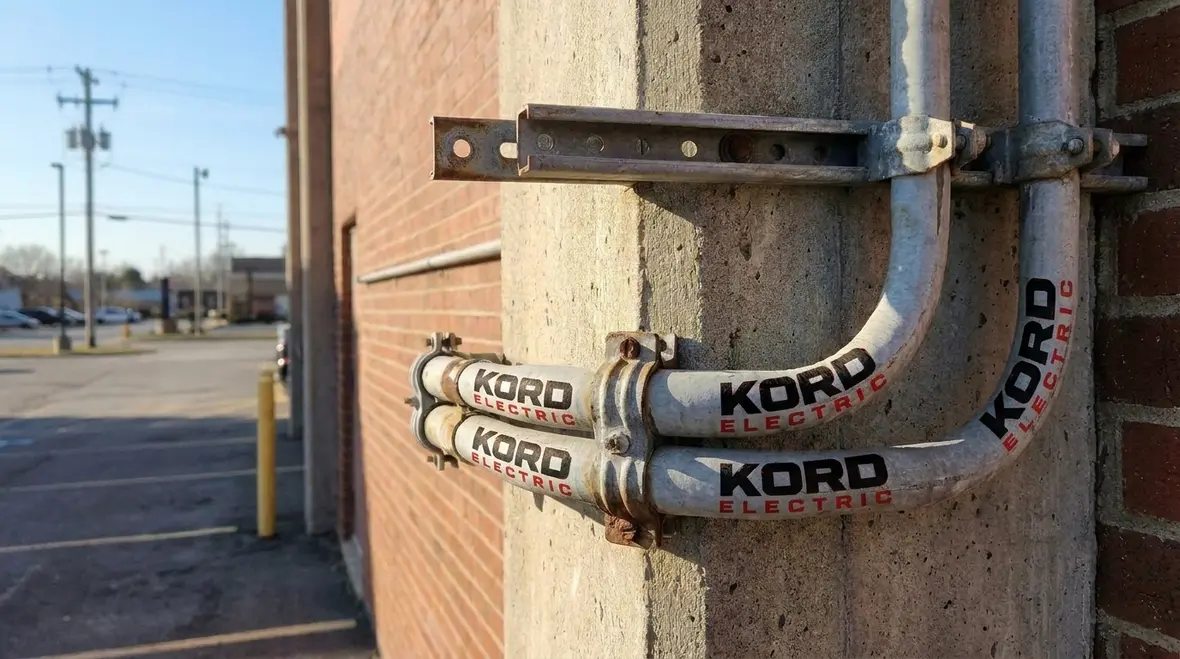
NFPA 70 Section 268.27 focuses on the means of attachment used for services that run above 2 kV. Therefore, it is not about whether you can “hang a cable and call it a day.” Instead, it addresses the hardware and installation methods that connect service conductors and related equipment to the building or other supporting structures.
In practice, we help facilities in the commercial and industrial space because they often have multiple systems in the same corridors: utility entrances, switchgear, transformers, and feeders. Consequently, attachment becomes a coordination problem as much as it is a safety rule. Moreover, if one component moves more than the others, the whole layout can lose alignment, stress connections, and increase maintenance risks.
Our team works with facility managers and electrical contractors so the installation reflects the Code intent: stable support, correct loading, and durable attachment for the life of the system.
How Kord Electric technicians approach attachment hardware and supports
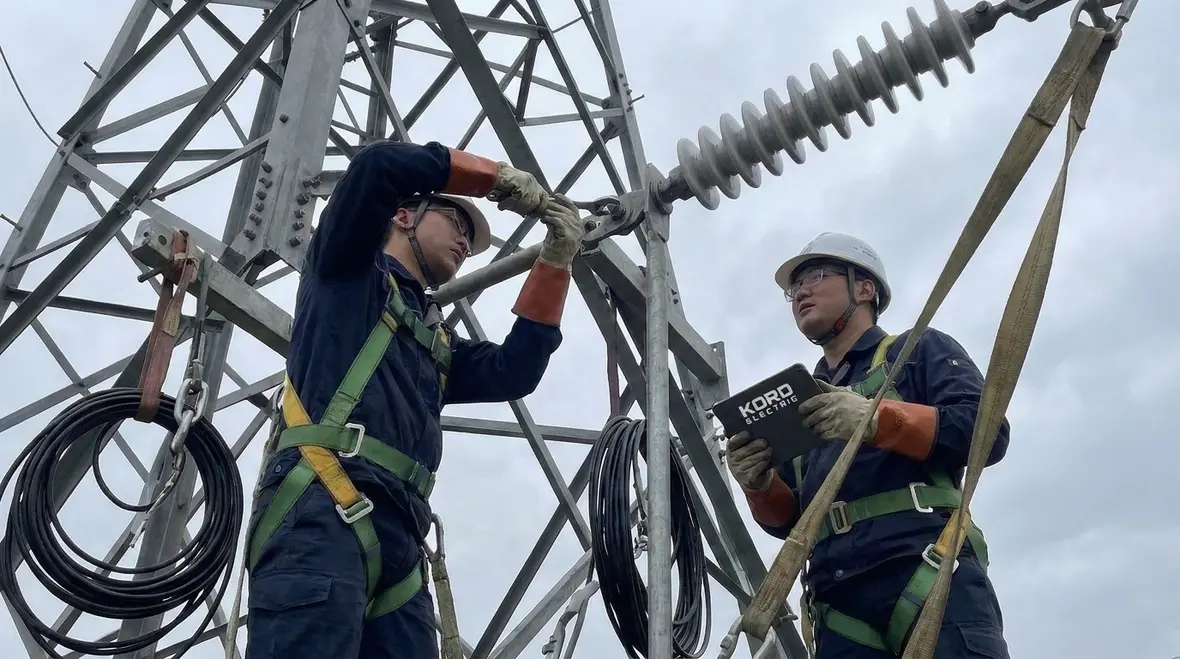
People often imagine attachment as a few bolts and straps. However, for NEC means of attachment high voltage, we treat it like a system. First, our technicians identify the service location, the mounting surfaces, and the mechanical forces the installation may face. Then, we review the cable routing paths and determine where secure points are required.
Next, we focus on support methods and installation details, because the “why” matters. For example, if attachments do not match the conductor and insulation requirements, you can create a weak point where heat, vibration, or thermal expansion causes gradual loosening. Likewise, if the supports are not rated for the expected load and environment, the hardware can degrade even when the electrical parts look fine.
So, we validate the attachment approach, and we document what we checked. And when someone says, “It looks tight to me,” we smile politely, because “tight” is not an inspection standard.
Mechanical stress, weather, and vibration: why the attachment must survive real life
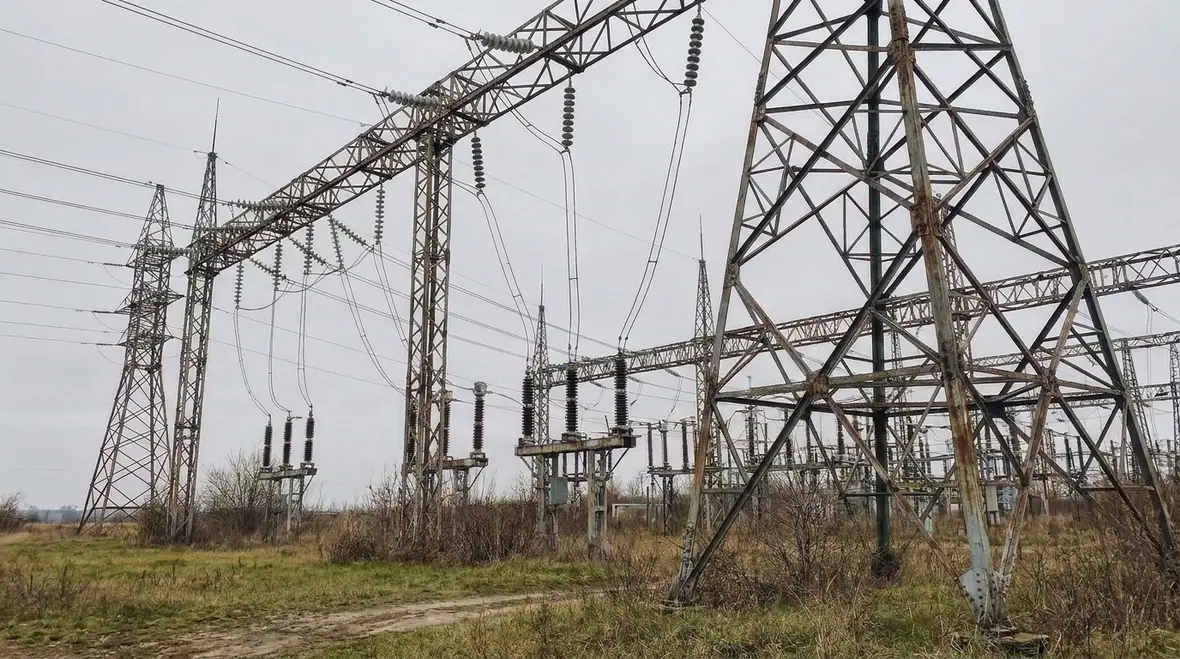
Here is the thing about power systems: they live in the real world, not in a brochure. Even in a well run facility, service areas can experience mechanical stress from building movement, equipment operation, and routine maintenance activity. Meanwhile, outdoor runs and utility interface areas face wind, ice, heat cycling, and moisture exposure.
Because NFPA 70 Section 268.27 governs attachment for services over 2 kV, it prompts installers to plan for forces that do not wait for you to feel ready. Therefore, the attachment method must keep conductors and equipment in place through cycles of expansion and contraction. In addition, the support strategy must prevent harmful tension, bending stress, and shifting at terminations.
When our expert service staff evaluates a site, we look at installation continuity. We ask: does the system transfer forces safely from the support points to the structure? If you have multiple attachment points, do they all behave together? If the answer is unclear, we refine the approach before the job becomes a “later problem” that always shows up on the worst day of the quarter.
Common mistakes in high voltage service attachment and how we prevent them
We do not just follow rules. We also prevent recurring failures that come from shortcuts. Over the years, our technicians have noticed patterns across commercial and industrial properties. While each site differs, these issues show up often.
- Using mismatched support components: If hardware is not appropriate for the environment and the conductor system, the installation can fail under load cycles.
- Ignoring cable routing movement: If the routing path flexes, and the attachments do not allow controlled support, connections can experience stress.
- Skipping documentation: When teams do not record the attachment method and verification checks, future work becomes guesswork.
- Assuming indoor equals harmless: Even inside, vibration and thermal cycling can create loosening unless the attachment approach matches the system requirements.
Then, we make it easier for everyone involved. Our process includes clear installation review steps, because we want facility staff to understand what we did and why. That way, inspections go smoother, and your electrical system keeps its composure under pressure.
And yes, we have heard the classic line: “We have always done it this way.” That is great, until the Code changes, the equipment load changes, or the building gets renovated and your old attachment strategy suddenly becomes a new risk.
Coordination for commercial and industrial facilities: from service entrance to final support
For major property buildings, attachment rules rarely live in isolation. They interact with switchgear layouts, transformer placement, cable trays, conduit systems, and sometimes even fire protection pathways. That is why Kord Electric works like a coordination partner, not just a trade that drops equipment and leaves.
First, we map the service path from the utility interface through the service equipment and into distribution areas. Then, we plan attachment points so the conductors and related equipment stay aligned with the design and remain accessible for inspection and maintenance. Next, we coordinate with the rest of the electrical scope, because attachment choices can influence routing clearances and support spacing.
Also, we pay attention to documentation and continuity. When future crews need to perform work, they should not have to reverse engineer the installation. Meanwhile, our technicians explain what they see on site, and we provide guidance for facility teams so responsibilities stay clear.
To support this, our approach aligns with how high voltage rules are treated across the broader NEC ecosystem, and we keep our resources updated through the kind of guidance you find in Kord Electric’s own educational blog content, including in depth explainers such as Understanding NFPA 70: The National Electrical Code Explained for 2026 and related National Electrical Code guides.
Using the NEC framework safely: training, inspection readiness, and ongoing support
Technical compliance is not something you do once. Therefore, we treat NEC means of attachment high voltage as part of an ongoing safety and reliability program for commercial and industrial facilities. Our expert service staff supports training so operations teams understand what “proper attachment” means in the field. Then, when inspections or troubleshooting occur, everyone can point to specific installation details instead of vague memories.
We also prepare for inspection readiness by making sure installation decisions match the intent of the Code. That means verifying the physical support strategy and checking for conditions that can undermine attachments over time. Additionally, we plan for access so attachments can be inspected without disruptive demolition.
If you manage a large facility, you already know how expensive it is to discover a problem during downtime. Consequently, proactive attachment verification helps reduce emergency work and protects the reliability of your service equipment.
And if anyone tells you this is all “just paperwork,” we remind them that paperwork is where the rules hide, like snacks in a theater lobby. It is not glamorous, but it keeps you safe.
How NFPA 70 Section 268.27 supports life safety and equipment reliability
When attachment methods handle mechanical and environmental challenges, the electrical system stays stable. That stability affects more than just reliability. It also supports life safety by reducing the likelihood of conductor movement, loose connections, and harmful stress at terminations. Therefore, the Code’s direction for services over 2 kV is about risk reduction, not bureaucracy.
In real facilities, stable attachments also support better thermal behavior and reduce conditions that can accelerate wear. When the system stays properly supported, the installation maintains its designed performance and does not develop hidden stress points. Over time, that means fewer interruptions, less unexpected maintenance, and a smoother path for expansions or upgrades.
For major property buildings, that reliability matters. A commercial tenant cannot run operations on guesswork. Likewise, an industrial plant cannot afford “we will figure it out later” when power stability is part of the business itself.
Because these high voltage attachment rules sit inside the broader National Electrical Code structure, facility leaders often review them alongside resources like the Kord Fire overview of NFPA 70: All About The National Electrical Code (NEC) and Kord Electric’s own practical guides on how to read and apply NFPA 70 across commercial and industrial projects.
FAQ for high voltage service attachment under NFPA 70
Conclusion: keep your high voltage service stable, and call Kord Electric
NFPA 70 Section 268.27 protects your service over 2 kV by requiring proper means of attachment, and we help commercial and industrial facilities meet that expectation with confidence. Our technicians and expert service staff review your layout, support strategy, and installation details so your system stays stable during real-world stress, not just on paper. If you are planning an upgrade, major property expansion, or compliance check, reach out to Kord Electric. We will explain the approach, answer questions, and move the work forward safely.
For facilities across Los Angeles County and the surrounding region, that support extends beyond a single project. Our team provides ongoing commercial and industrial electrical services that keep attachment methods, distribution equipment, and protective devices aligned with current Code direction. If you need help evaluating or upgrading critical infrastructure, you can explore our dedicated Los Angeles County electrical services resources to see how our field-tested process fits your facility.


