
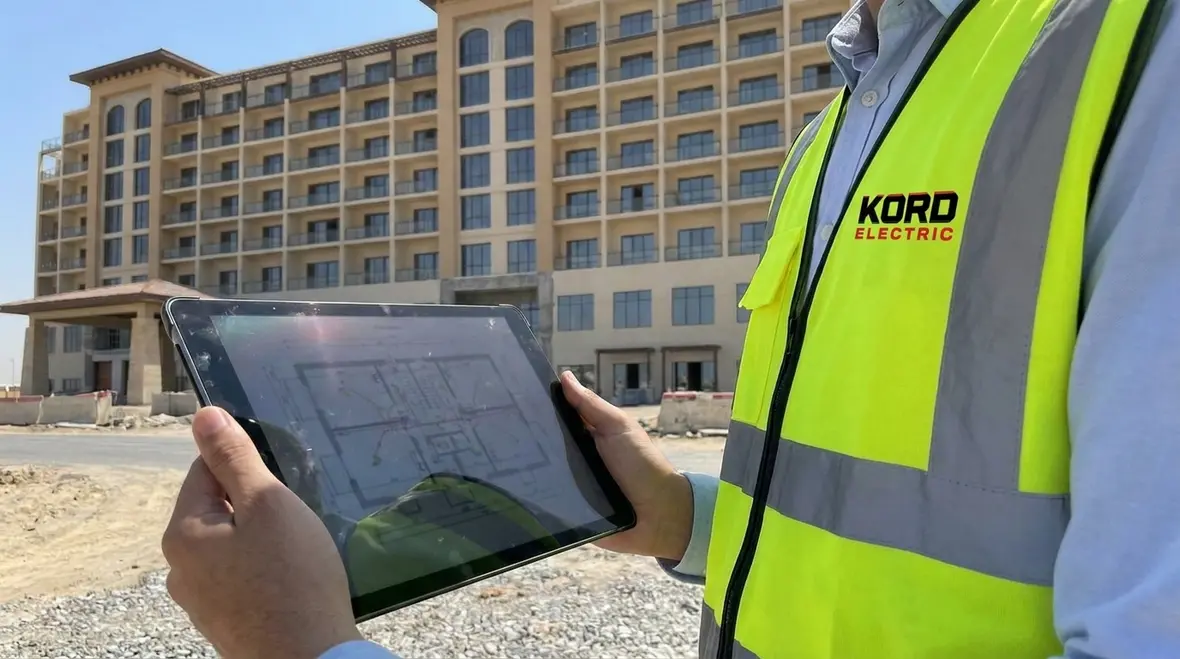
NFPA 70 Section 120.44 NEC Hotel Motel Occupancy Loads: How Kord Electric Keeps Projects Grounded
When Kord Electric reviews electrical plans for commercial hospitality properties, we pay close attention to NFPA 70 Section 120.44 and the NEC hotel motel occupancy loads that drive the whole design. In the real world, these hotel and motel load tables help set expectations for demand, wiring sizing, and how much power a building truly needs. For example, occupancy, room count, HVAC type, and typical guest loads all shape the calculations. Yet we still see projects where the numbers get treated like folklore. And that is how you end up with a service upgrade request that arrives later than the pizza.
Our technicians and expert service staff explain this work in a calm, plain way. Because when people understand why the tables exist, they make smarter decisions before the install starts. So in this article, we walk through how Section 120.44 supports hotel and motel electrical design, why demand matters, and where the surprises usually hide.
NFPA 70 Section 120.44 and NEC hotel motel occupancy loads: what Kord Electric sees in the field
NFPA 70 Section 120.44 shows up early in our conversations with hospitality owners and project teams because it connects the code book to real-world guest behavior. In major property buildings, including hotels, motels, and mixed hospitality sites, electrical systems must serve both comfort and safety. The NEC hotel motel occupancy loads provide the structured assumptions that keep everyone from guessing how those demands stack up as the building fills.
On paper, these load tables might look like just another set of columns and percentages. In practice, they become the backbone for service sizing, feeder design, and panel layouts. When our team walks into an existing property or a new construction review, we treat those assumptions as a living part of the design, not a single line item. We confirm that the occupancy style, room mix, and amenity package match what the calculation expects. If a project shifts from a basic motel profile to a fully featured extended-stay layout, for example, the load picture changes with it.
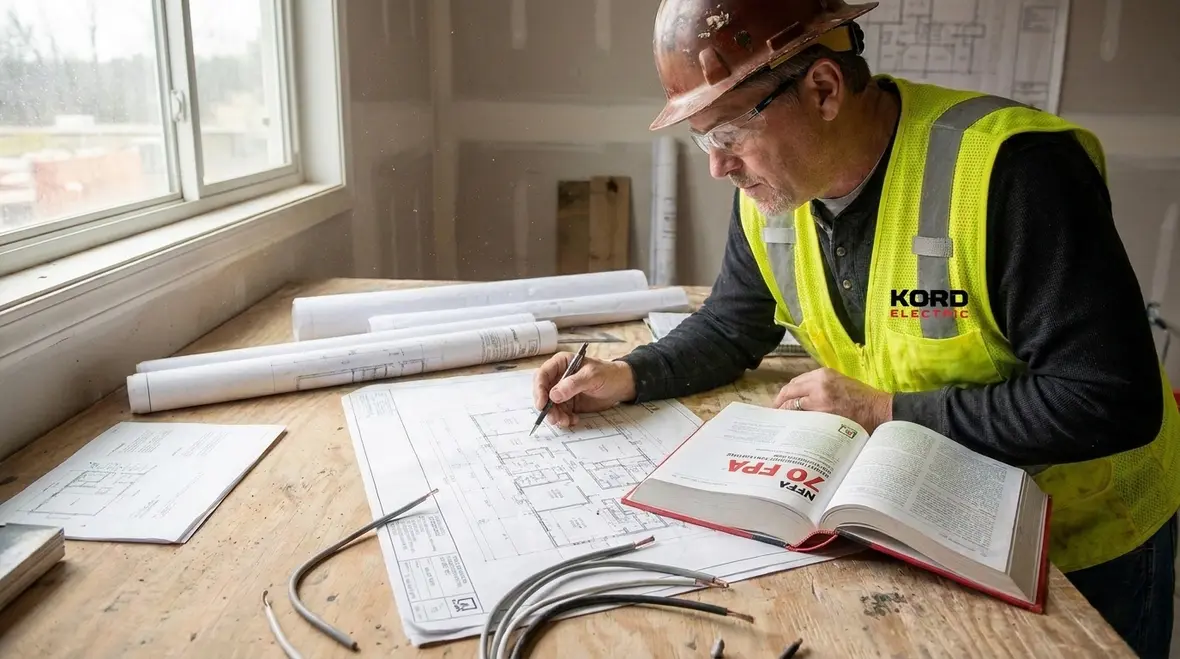
We also connect these discussions to broader NFPA 70 context so owners and facility leaders can see how one section fits inside the overall National Electrical Code framework. Resources like Kord Electric’s explainer on the code for 2026 help bridge that gap between big-picture rules and project-level choices, so the NEC does not feel like a mystery novel hiding the plot twist in the fine print.
From there, we align the load table assumptions with what operations teams expect to do in the building. That includes how often rooms stay fully occupied, what typical plug loads look like, and how much additional draw common areas and back-of-house spaces will introduce. The goal is not to overcomplicate things; it is to make sure the electrical system you pay for actually matches the hospitality experience you plan to deliver.
What NFPA 70 Section 120.44 controls for hotel and motel electrical design
NFPA 70 Section 120.44 is not a vague “nice to have” reference. It sets practical guidance for hotel and motel load tables within the National Electrical Code. To put it simply, it helps designers estimate electrical loads that serve guest room areas and common spaces that support guest comfort and property operations.
Additionally, these tables influence choices like feeder ratings, service size, and the way panels distribute loads. Therefore, if the electrical design starts with a loose estimate, the rest of the project will follow that looseness like a rumor in a small town.
Our team approaches this with a methodical process. First, we confirm the occupancy basis and the intended use of spaces. Then, we connect the load table assumptions to the actual equipment expected in the building. Finally, we verify that the load summary aligns with the demand and distribution philosophy used across the job.
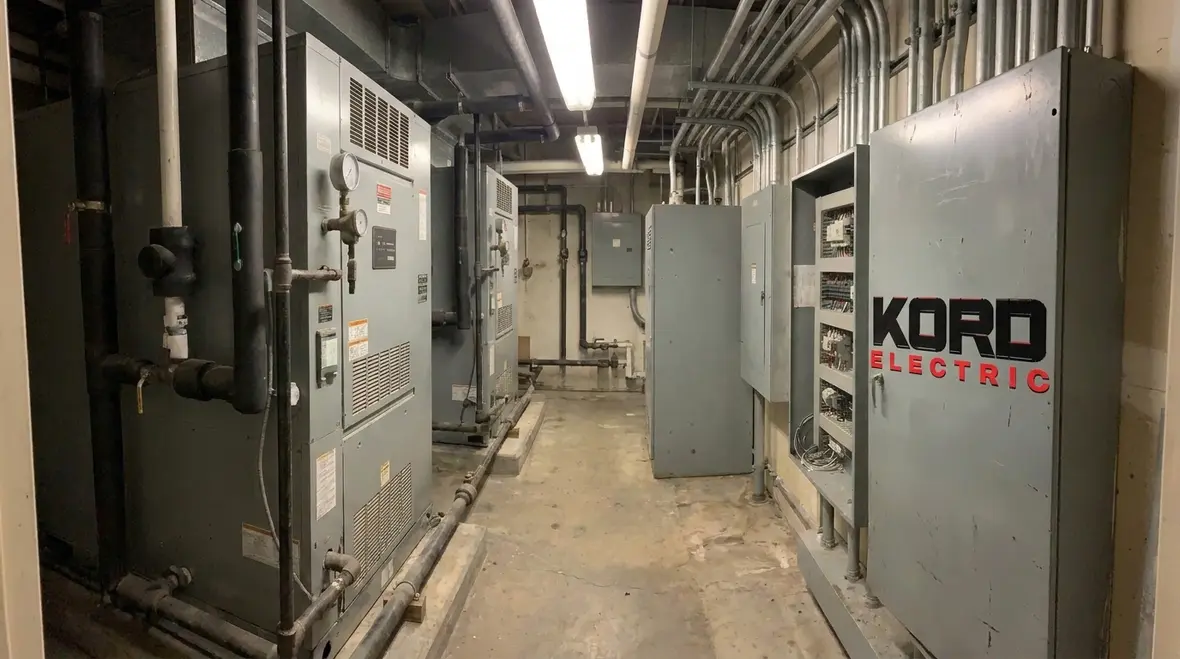
Because many hospitality projects evolve as design progresses, we keep a running link between the load tables and any program changes. If the owner upgrades the HVAC strategy, adds electric fireplaces, or increases in-room appliance options, we re-check how those choices interact with the Section 120.44 assumptions. That way, the design does not quietly drift away from the code logic that originally supported it.
We also tie this work into other NFPA 70 topics that drive safety and performance for modern buildings, such as general requirements, conductor rules, and overcurrent protection. Kord Electric’s other resources on how to read the National Electrical Code and how commercial systems behave under real load give clients a practical foundation, so Section 120.44 feels like part of a connected system rather than an isolated rule.
How NEC hotel motel occupancy loads turn into real equipment demand
The tables do not magically pull power from thin air. Instead, they translate occupancy into load categories that map to equipment types. For a typical hospitality electrical scope, designers usually consider lighting loads, receptacle loads, and loads for mechanical systems that support guest comfort. In addition, property operations add their own weight, such as laundry areas, kitchen connections where applicable, and support rooms that keep the building running.
However, the key is that demand does not equal nameplate. In most commercial and industrial settings, the peak demand can differ from the total connected load. So we help clients understand the difference between what equipment can draw and what it will likely draw at the same time.
When our technicians explain it, we often use a simple comparison: if every guest decided to run their hair dryer, the building would need a small power plant. But in practice, the peak is usually shaped by patterns, controls, and shared scheduling. Therefore, demand calculations aim to size systems for expected operating conditions rather than the worst hypothetical moment.
Also, we encourage decision makers to ask early questions about electrification details. For instance, if a property plans to add EV chargers, upgrade kitchen equipment, or increase HVAC capacity, those changes alter the load picture. And yes, the “we will decide later” approach tends to turn into a “why is the service undersized now” approach.
That is why we lean on data wherever possible. For renovations and upgrades in existing hotels or motels, we study historical demand trends, breaker trip histories, and previous maintenance findings instead of guessing. That data-driven approach matches the same mindset we use in our broader commercial and industrial design work, where measured behavior helps refine NEC-based load estimates into something truly aligned with the building.
Because hospitality buildings rarely stand still, we also factor in future-ready decisions. If a brand is moving toward higher in-room technology, more plug-in equipment, or energy-intensive amenities, those intentions belong in the demand conversations now. Section 120.44 and the NEC hotel motel occupancy loads give us the structure; real-world planning fills in the details.
Demand, service sizing, and panel distribution for major property buildings
Once the NEC hotel motel occupancy loads assumptions feed into the load calculation, the next step becomes system design. That includes service sizing, feeder selection, and how panels distribute power. At Kord Electric, we treat this phase like it matters, because it does.
First, service sizing must accommodate both continuous and non continuous loads. Second, feeders must handle the current based on calculated demand and the expected load profile. Third, panelboards should distribute loads so that important systems can run without nuisance shutdowns.
Then, we consider coordination. In commercial hospitality properties, the electrical system must support life safety related needs where applicable, and it must also protect equipment from overload and short circuit events. Therefore, proper overcurrent protection, correct conductor sizing, and clear labeling matter as much as the math.
Our expert service staff also checks the practical realities that plans sometimes forget. For example, we look for load growth assumptions that the building owner expects over the next decade. We also verify that mechanical upgrades will not quietly add significant electrical demand. In other words, we help keep the design from waking up at commissioning day and realizing it forgot something.
We often connect these conversations back to broader commercial electrical system design topics, such as how distribution supports modern building automation, lighting strategies, and EV charging. Internal guides on commercial electrical systems for modern buildings and on data-driven design give owners a clear view of how service sizing decisions ripple through the rest of the project—from energy efficiency goals to future tenant expectations.
For hospitality properties in regions like Los Angeles County, the stakes feel even higher because downtime and electrical surprises collide with tight schedules and demanding guests. That is why we apply the same rigorous approach we use in our broader Los Angeles County electrical services: verify assumptions, test them against real scenarios, and keep a steady line of communication open with owners, engineers, and inspectors.
Where designers and installers miss the mark, and how we prevent it
Even when people quote the code, issues can still pop up. So we focus on common failure points we see across commercial and industrial work, especially in major property buildings that carry complex equipment loads.
Misalignment between table assumptions and actual layouts
Some projects assume one occupancy style but build another. When room counts, typical outlets, or room amenities shift, the effective load profile shifts too. So we verify the electrical plan against the intended guest room features.
Overlooking common area and operational loads
Guest rooms do not hold the entire story. Common spaces, back of house areas, and ongoing operations add their own demand. So we review the full one line diagram and equipment schedule rather than isolating just one category.
Equipment changes that happen after design
People swap HVAC units, lighting types, or controls. Sometimes it is planned. Sometimes it is fast. Either way, our technicians document assumptions and compare them to the installed equipment during reviews and commissioning support.
Communication gaps between electrical and mechanical teams
Electrical design and mechanical design share the same power reality. Therefore, coordination meetings save money later. If mechanical upgrades add new electric demand, the electrical system must know early.
And here is the pop culture truth: if the project team treats electrical coordination like it is optional, that team will eventually face the “season finale” where nothing matches and everyone looks surprised. We aim to avoid that finale.
Staying code aligned and client ready during plan review and field work
Code alignment is not just a box to check. It is a safety and performance promise, and it affects cost, schedule, and long term reliability. Kord Electric supports commercial and industrial facilities and major property buildings, and our process reflects that priority.
In plan review, we trace load logic from occupancy assumptions to load calculations, then into the one line diagram. Next, we verify that conductor sizing and protection devices match the load conditions. After that, we help clients understand what changes would require re sizing or redesign. That is where our expert service staff stands out, because we explain the “why” without drama.
Meanwhile, our field approach focuses on real installation conditions. We check labeling, wiring pathways, terminations, and system behavior under load. Then, we help the team confirm that the building can operate as intended. If something does not line up, we work with the project stakeholders to correct it quickly, not after the inspection clock starts counting down.
External code context matters too. NEC resources and interpretations can help people understand how the National Electrical Code gets applied in the real world, including how organizations like those referenced by Kord Fire discuss NEC fundamentals. For a deeper dive into how the code framework fits together, many facility leaders review Kord Electric’s article on understanding NFPA 70 for 2026 and then zoom back into specific sections like 120.44 when they are ready to apply those concepts to NEC hotel motel occupancy loads usage.
Still, for a major hotel or motel, the safest path is always to combine the code with the project specifics. That is where a hands-on partner matters. From early scope definition through final commissioning, we keep the language plain, the documentation organized, and the decisions defensible.
FAQ: quick answers about hotel and motel load tables, service sizing, and compliance
Call Kord Electric before the power problem grows
Electrical load issues do not announce themselves politely. They arrive later, with higher costs and fewer options. If you manage a commercial hospitality project or other major property building, Kord Electric helps you size systems correctly from the start by connecting occupancy assumptions to real equipment demand under NFPA 70 Section 120.44. Our technicians and expert service staff explain every step in plain terms, then verify the design in the field. Call us now so your electrical system behaves like a well rehearsed show, not a last minute improv act.
For owners and facility leaders planning work in Southern California, our Los Angeles County electrical services bring that same calm, code-conscious mindset to hotels, motels, and other major properties across the region. Whether you are updating an older property, developing a new flagship, or simply trying to understand how NEC hotel motel occupancy loads usage affects your next phase of upgrades, we can help you move from guesswork to documented clarity.
If you are also looking for a broader foundation in the National Electrical Code, Kord Electric’s guide on Understanding NFPA 70, the National Electrical Code Explained for 2026 pairs well with this discussion. Together, they show how NEC hotel motel occupancy loads, conductor rules, and system coordination all work toward the same goal: safe, reliable power that supports your guests and your business every day, not just on paper.
When you are ready to turn Section 120.44 from a line in a book into a hotel or motel that runs smoothly, Kord Electric is ready to step in—with steady field experience, practical design insight, and a commitment to keeping surprises off your punch list.


