
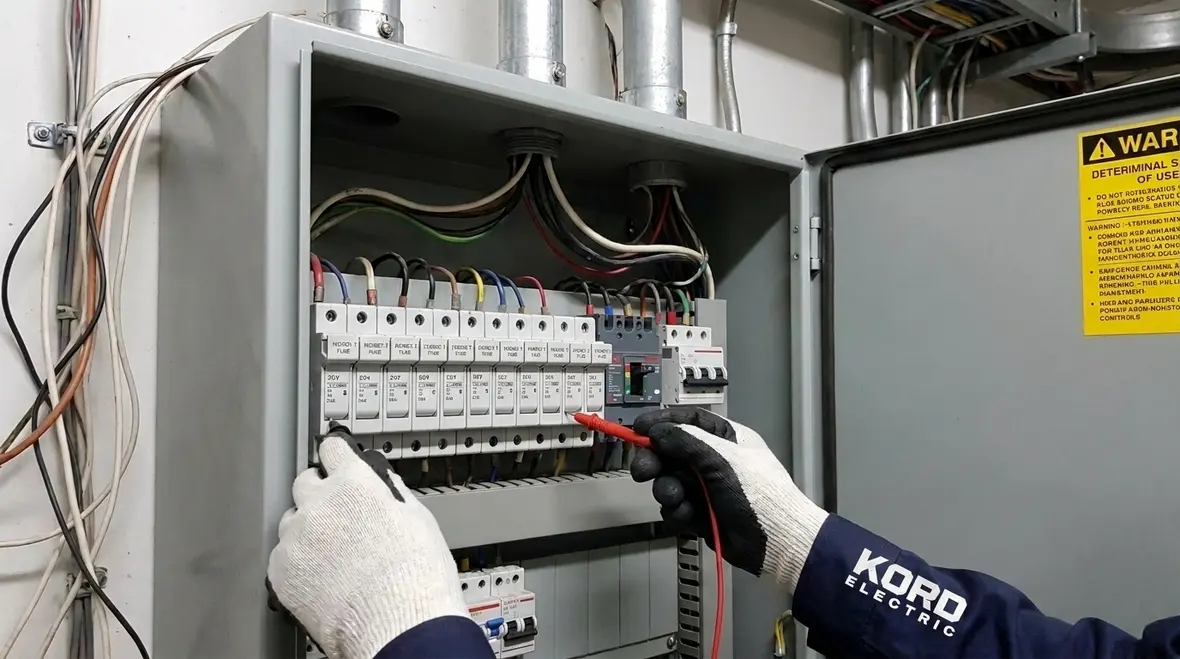
NFPA 70 Section 240.53 Type S Fuses Guide for Compliance
NFPA 70 Section 240.53 and NEC Type S fuses can sound like a secret handshake for electricians. At Kord Electric, we explain it in plain business language, not in riddles. So, when the job demands NEC type S fuses for specific protection, our team makes the rule make sense, fast. We also remind our clients that compliance is not a trophy, it is the baseline. Then again, if you have ever tried to replace a fuse and “made it fit,” you already know how that story usually ends. Let us walk through when NFPA 70 Section 240.53 calls for Type S fuses, what it protects, and why proper selection matters for commercial and industrial facilities and major property buildings.
When NEC type S fuses matter under 240.53
NEC type S fuses are not “just another fuse.” Under NFPA 70 Section 240.53, the code requires Type S only in particular scenarios, because those locations need a specific level of performance. In other words, the rule does not ask for what feels convenient. It asks for what works correctly when faults happen, and when current surges try to bully the system.
Here is the core idea, and our technicians repeat it because it prevents field mistakes. Section 240.53 ties Type S fuses to applications where you must match the fuse to the equipment protection strategy. Therefore, you should treat the requirement as an engineering decision, not a parts decision. If an inspector asks why a different fuse type exists there, “the supplier was out” usually does not land well. We do not build systems on hope and jokes.
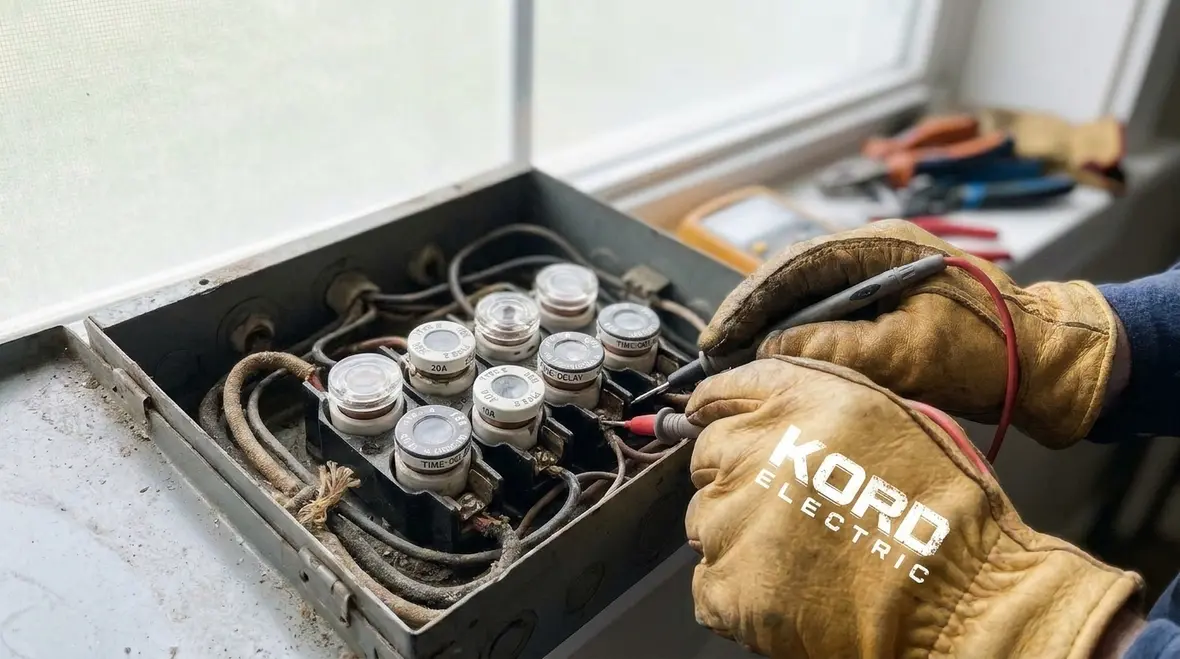
What Type S fuses are designed to do
Type S fuses focus on performance in the short window where a fault begins and quickly becomes a serious event. Typically, they are chosen to protect conductors and equipment in systems where selective, predictable operation matters. As a result, the fuse needs to handle normal load conditions and then react reliably under abnormal conditions.
Now, it helps to remember that fuses do not all behave the same way. Some options act too quickly, which can lead to nuisance interruptions. Others do not provide the needed protection behavior for the specific installation. So, when Section 240.53 demands Type S, the requirement aims to keep the protection scheme coordinated. That means fewer surprises and fewer downtime headaches for facilities that run on schedules, tenants, and equipment lifespans.
Our expert service staff also emphasizes that proper fuse selection interacts with upstream and downstream devices. Consequently, the right fuse does not just protect one component. It supports the whole protection chain.
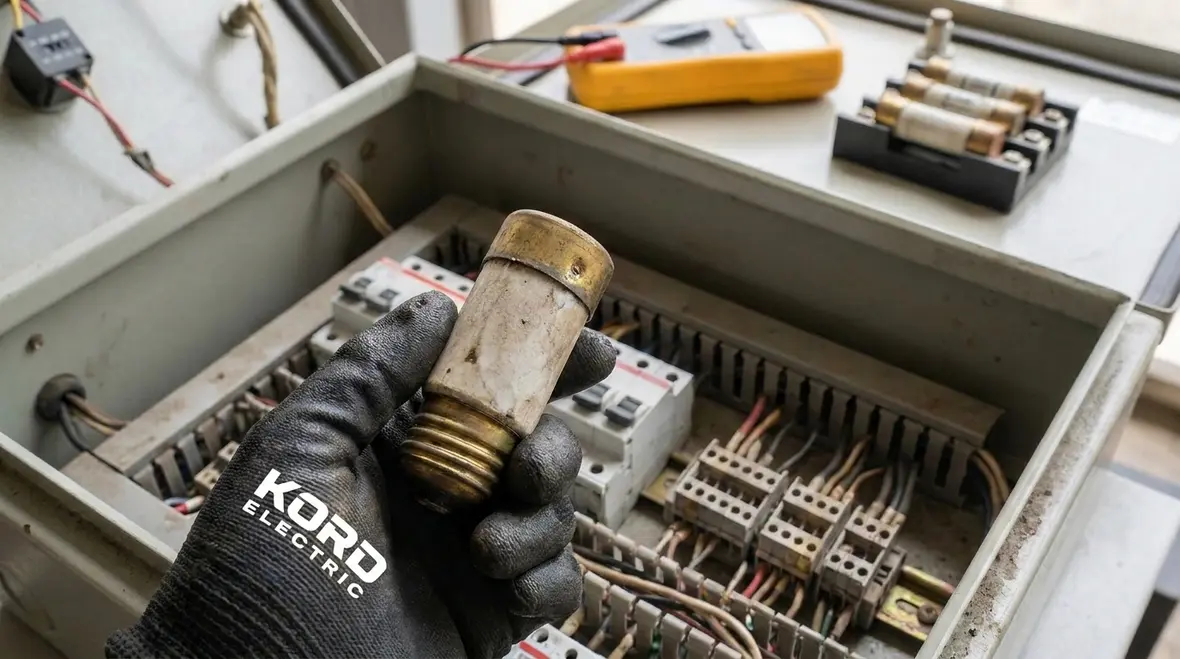
How commercial and industrial facilities should approach compliance
Commercial and industrial facilities face different risks than small residential sites. Over time, we have seen how loading patterns, motor starts, and process demands can stress electrical systems in ways that a “generic rule of thumb” cannot cover. Meanwhile, major property buildings run like ecosystems. Change one component, and the whole behavior can shift.
So, we recommend a process approach. First, our technicians confirm the exact equipment and circuit requirements in the field. Then, we match the fuse type to the installation intent and the NEC rules that apply. After that, we document the selection so the facility team and the inspection process stay aligned.
In practice, that means facilities should not treat fuse upgrades like casual maintenance. Instead, they should treat them like a protection system update. And yes, we know people love “quick fixes.” However, quick fixes are how a smart building ends up behaving like a sitcom, with the electrical system getting the punchline.
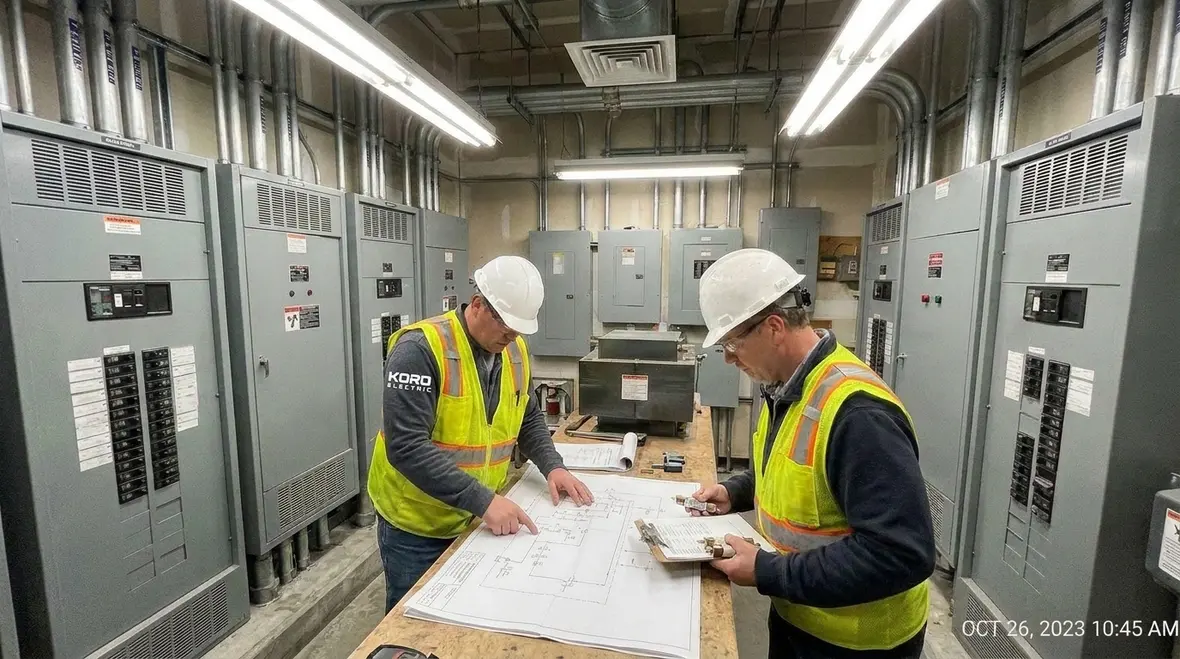
Where Type S shows up in real installations
In the real world, the places where Section 240.53 calls for Type S fuses often involve equipment protection where coordination, fault clearing, and predictable operation matter. Therefore, you will typically see the requirement in installations where the electrical design expects a particular fuse performance characteristic.
However, rather than guessing, we advise verifying against the equipment requirements and the circuit design. The fuse does not operate in isolation. It works with the disconnecting means, overcurrent devices, conductor sizing, and the system configuration. If those pieces do not line up, the protection scheme can fail when you need it most.
Our technicians also help teams avoid a common trap. Some facilities reuse existing fuse blocks or fuse holders that were installed for older parts. Then the workforce swaps in “equivalent” fuses without confirming compatibility. That habit can lead to incorrect ratings, improper coordination, or physical fit issues that create heat and wear. In a commercial setting, that becomes a cost center fast.
Why wrong fuse choices create ripple effects
When a facility uses the wrong fuse type, the immediate outcome may look minor. Then, over days and months, the effects become visible. For example, an incorrect fuse can increase the chance of nuisance operations, which causes downtime and frustrates operations teams. Or, it can delay the clearing of a fault beyond what the installation expects, which increases thermal stress and damages components.
Additionally, wrong fuse selection can undermine coordination. So, even if the fault clears, it might clear too late or in the wrong segment. That shifts the outage from “one circuit” to “the entire area,” and suddenly you are not just fixing a fuse. You are troubleshooting a system behavior problem.
At Kord Electric, we keep our explanations grounded. Our expert service staff tells clients that electrical protection behaves like a well written policy. If the wording does not match the intent, enforcement fails. In the same way, if the fuse does not match the code requirement and equipment design, the protection plan loses its reliability.
NFPA 70 coordination, selection, and documentation
Compliance does not end at “we installed a fuse.” Instead, it includes selection, coordination, and the ability to prove what you installed and why. When Section 240.53 applies, we help facilities build a clear trail of decisions.
Here is what we typically verify on commercial and industrial work:
- Circuit intent, including load type, fault clearing expectations, and equipment protection goals
- Fuse type match to the requirement, including Type S where NFPA 70 Section 240.53 demands it
- Ratings and compatibility with holders, switchgear, and the upstream and downstream devices
- Coordination logic so the protection system isolates faults without widening the outage area
- Installation details such as torque, contact condition, and labeling so the field remains reliable
Then we document it. That part matters because many facilities do not fail at installation. They fail at handoff. When maintenance teams, contractors, and future upgrades come and go, documentation keeps decisions consistent. It also helps during plan reviews and inspections. And honestly, that saves everyone from the awkward moment where someone says, “We thought it was fine.”
If you want a broader perspective on how the National Electrical Code drives day-to-day decisions in buildings, you can also explore our guide on understanding NFPA 70, the National Electrical Code explained for 2026, which connects code sections like 240.53 to practical choices in commercial and industrial projects.
How Kord Electric supports ongoing electrical protection
Kord Electric serves commercial and industrial facilities and major property buildings. Therefore, our focus stays on steady, repeatable electrical performance rather than quick one off fixes. We bring a service mindset, and we explain the code reasoning in a way that facility leaders can use.
When teams request fuse related work, our technicians coordinate with operations, maintenance, and electrical engineers where needed. As a result, the facility avoids unnecessary downtime and keeps the protection scheme aligned with NEC rules and the equipment design.
We also help clients connect the dots between the NEC requirements and how systems behave in service. Some people treat the NEC like a distant textbook. Meanwhile, we treat it like the operating manual for safety and reliability. It keeps buildings from acting like they are haunted by gremlins made of bad coordination.
For facilities that rely on tight uptime and coordinated protection, our broader Los Angeles County electrical services provide the field support, testing, and upgrade planning that keep NEC type S fuses working as part of a larger, well behaved system.
FAQ about NFPA 70 Section 240.53 and Type S fuses
Request a field review with Kord Electric
If you manage a commercial or industrial facility and you want peace of mind, we can review your fuse selections and protection scheme with the right level of care. Our technicians explain what the NEC rule requires and how Type S fuses fit the design intent in plain terms. Then we document the work so your team stays ready for inspections, upgrades, and real world operations. Contact Kord Electric today to schedule an electrical protection review and keep your system behaving like the reliable professional it is.
For ongoing support that connects NEC type S fuses to the larger electrical picture, you can also explore how our dedicated Los Angeles County electrical services team handles inspections, upgrades, emergency work, and long term planning across multiple facilities and complex property portfolios.


