
NFPA 70 240.51 and NEC Edison-Base Fuses: Kord Electric’s Guide to Getting Them Right
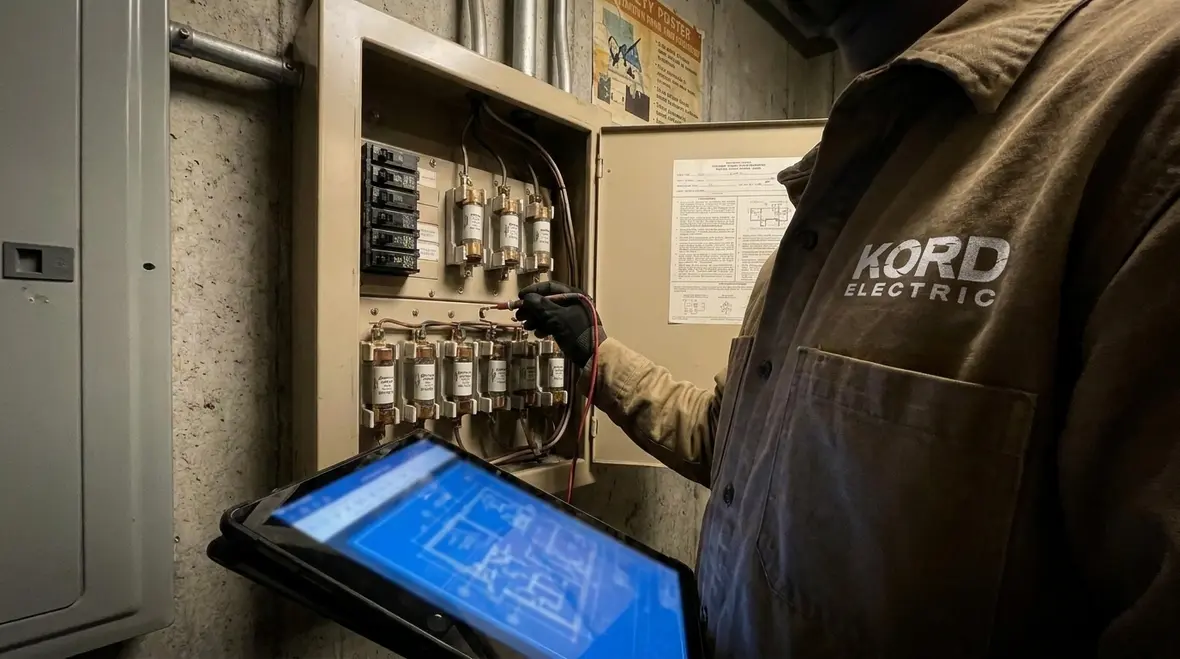
At Kord Electric, we often see panel work done with the right tools, the right intent, and still the wrong details. In the first pass, our technicians look for what the system actually needs. Then, we verify it aligns with NFPA 70 Section 240.51, especially when a site uses NEC edison base fuses that are sometimes referenced as Edison base fuses. In other words, we help commercial and industrial facilities and major property buildings avoid “it probably works” decisions that turn into “why did it fail” meetings.
Now, a fuse is not the place for guessing. A fuse is like a bouncer at a club: it does not argue with your story. It either protects the circuit or it lets something unsafe through. So, let’s walk through where Edison-base fuses are allowed, what the code expects, and how our expert service staff explains the details so your team can plan confidently.
Why Section 240.51 Matters for Commercial Electrical Systems
In real projects, compliance is not a vibe. It is a requirement. However, many building teams still treat fuse selection as a minor detail. As a result, the electrical system inherits hidden risk. When a facility follows the intent of NFPA 70 Section 240.51, the protection matches the circuit design and the available fault current scenario. That alignment supports safety, reduces equipment stress, and helps limit damage during abnormal conditions.
Additionally, commercial and industrial environments add complexity: multiple loads, varying duty cycles, and fast changes in building use. Therefore, the protective device must fit the installation conditions. Edison-base fuseholders and fuse types carry specific rules, and that is where 240.51 becomes the anchor.
We also remind clients that code sections do not exist to make electricians miserable. They exist because someone, somewhere, had a bad day. Often that bad day became a lesson, then a revision, then a rule. And nobody wants to be the “case study” in the hallway conversation.
For teams who want a broader picture of how NFPA 70 shapes electrical decisions beyond just fuses, our resource Understanding NFPA 70: The National Electrical Code Explained for 2026 pairs well with this discussion. It shows how code language turns into day-to-day design, installation, and inspection choices your facility lives with for years.
Where Edison-Base Fuses Are Allowed Under NEC Requirements
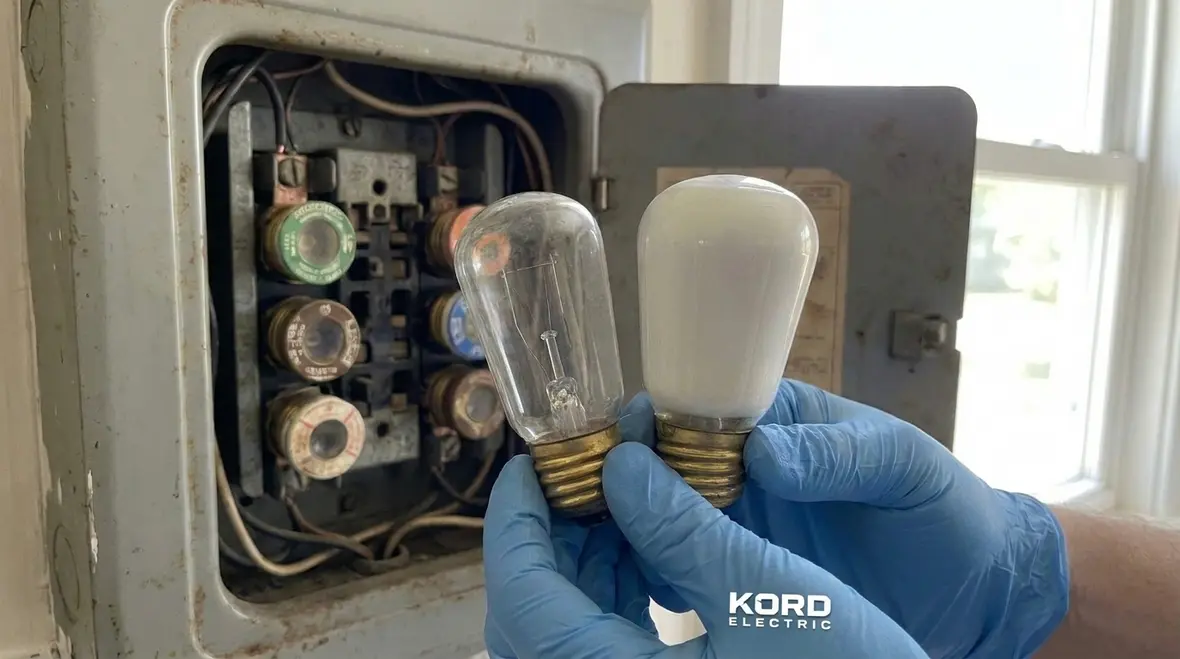
The key point is simple: Edison-base fuses are not a free-for-all. NFPA 70 Section 240.51 outlines the specific locations and conditions where these fuses can be used. Instead of treating Edison-base fuses as a default replacement part, we treat them as a listed option that must match the scope of the section.
In practice, our team starts by identifying the equipment and the protection level the building design calls for. Then we confirm the fuseholder type and the fuse rating, including voltage class and current rating. After that, we check that the installation conditions match what the code allows.
And yes, this is where a lot of confusion happens. People hear “Edison-base” and assume it is equivalent to older, common practice. Yet NEC rules focus on safe use in specific settings. So, while the physical base may look familiar, the permitted application does not work like a universal adapter.
Finally, we document what we verified. That helps facility teams during maintenance planning, upgrades, and inspections.
For facilities coordinating multiple projects at once, combining this fuse-specific work with a broader 2026 NEC application requirements and NFPA 70 scope review can keep your upgrades and maintenance aligned with how inspectors read the code, not just how equipment looks on the wall.
Key Details Our Technicians Verify Before Any Fuse Change
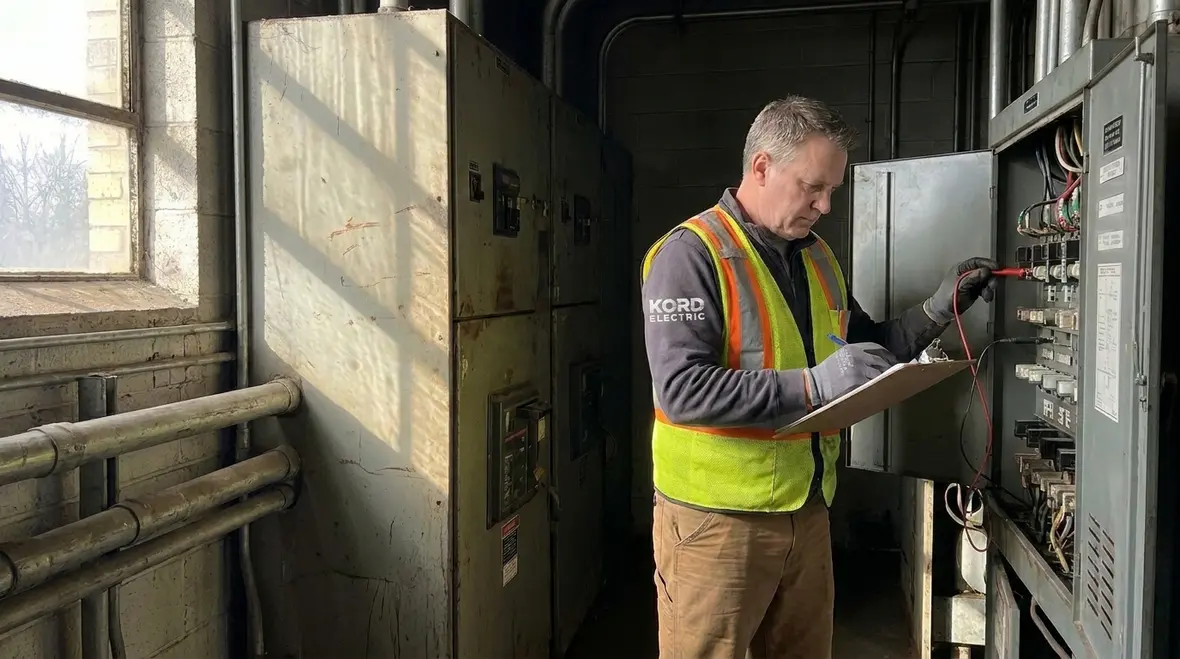
When facilities ask for “a like-for-like fuse,” our technicians handle it with care. We treat fuse work as more than a quick swap. First, we confirm the circuit data. Next, we verify the protective device match. Then we ensure the fuseholder and installation method support the intended protection.
Here is what we typically check during service calls for commercial and industrial sites and major property buildings:
Correct fuse type and rating so the protection matches the circuit needs and does not mis-coordinate
Fuseholder compatibility to prevent loose contact or mismatched base and holder details
Voltage class and interrupting rating support for safe clearing performance
Panel or equipment listing alignment so the installation stays inside the intended product limits
Identification and labeling so your maintenance staff can track what belongs where, without guessing
In addition, our expert service staff explains the “why” behind each check. We do not just point to the code. We translate it into practical steps: what the facility must confirm, what maintenance must do next, and what changes require a deeper review.
Sometimes teams want speed. We understand that. However, fast without correct matching is how electrical systems turn into expensive puzzles. And unlike a puzzle, we do not get a free hint from the building.
If you are building a larger reliability program, aligning fuse checks with broader emergency power system testing protocols helps keep both day-to-day circuits and backup systems ready for inspections and real events.
How to Avoid Common Mistakes in Fuse Selection and Replacement
Even well-run facilities make mistakes when maintenance happens under time pressure. Therefore, we focus on patterns that show up repeatedly.
One mistake is using a fuse that looks similar but does not match the allowed application. Another mistake involves the fuseholder itself. A wrong holder can create poor fit or incorrect contact pressure, which can lead to overheating or nuisance operation.
Another common error is treating a fuse as a “protect the wire” device without considering the broader equipment protection design. In a properly planned system, coordination matters. If the fuse and the upstream protective device do not behave as intended, the fault response can shift from controlled to chaotic.
To reduce these issues, we help clients set a routine:
Keep replacement parts aligned with the equipment documentation
Use the same fuse ratings and types that the design and equipment list permit
Review any change in load conditions, since the protection needs can shift with upgrades
Train maintenance staff on the difference between “similar” and “approved for the location”
Our process also connects to wider code awareness. Kord Electric supports safety-focused electrical practices for commercial and industrial clients, and we align our work with the broader NEC approach described through our company resources. If you want more context on how the code fits into project work, our team points clients to guidance shared on the Kord Electric blog and Kord Fire content for NEC background and code culture.
For facilities where uptime is a constant priority, pairing correct fuse coordination with a data center uptime strategy for power reliability and redundancy is one of the best ways to keep operations stable, even when faults or maintenance events show up uninvited.
Coordination, Safety, and Inspection Readiness for Major Properties
Commercial and industrial facilities typically deal with inspections, service records, and long maintenance cycles. So, the fuse strategy must support more than immediate operation. It must support continuity, traceability, and safe clearing behavior during faults.
When the correct fuse and holder match the permitted use, the system responds predictably. That predictability supports inspection readiness because your documentation and field conditions match. Moreover, it reduces the chance that a future technician replaces something again with “what was on the truck.” We know that truck. It is usually full of hope and the wrong part.
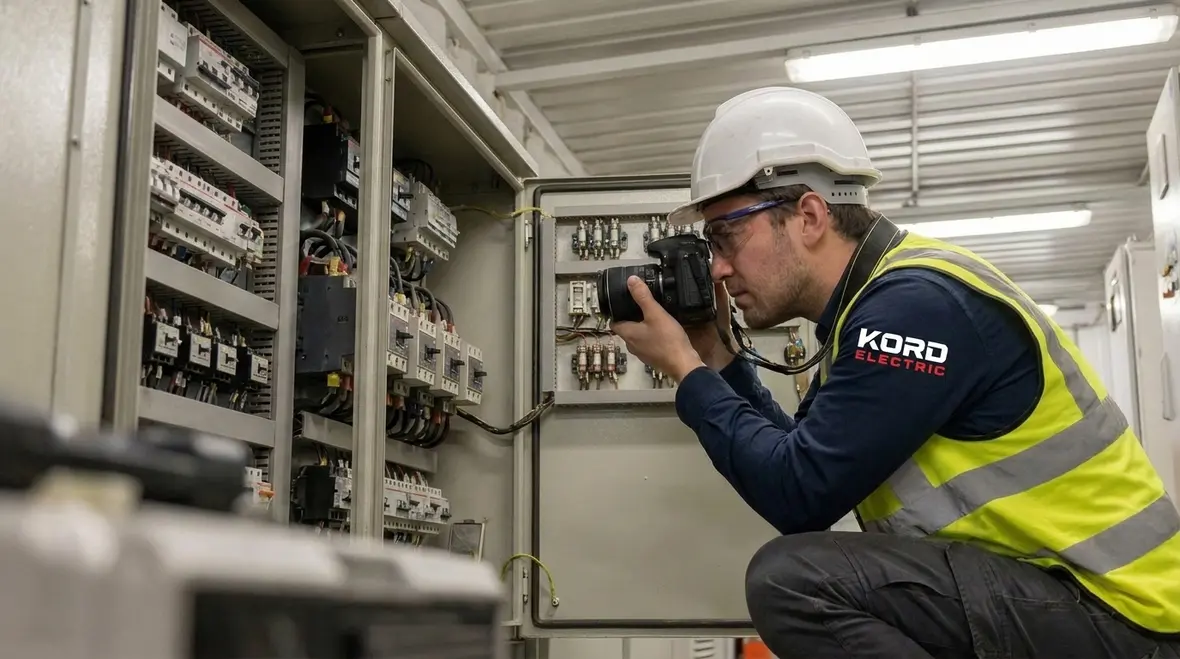
Our technicians document what they change, confirm what they found, and explain what it means for future maintenance. If the facility requires a plan for ongoing reliability, we help build one around the equipment design and the code requirements that apply. For major property buildings, this matters because a change in one area can affect other zones through shared upstream protection.
Also, our team keeps an eye on fire safety coordination. While this article focuses on fuse allowances under NFPA 70 Section 240.51, real-world risk includes how electrical faults interact with building systems and detection. That is why many clients also review fire-focused code learning from resources like Kord Fire and other safety organizations that support code education.
If your building strategy includes upgrades to backup and emergency systems, integrating fuse decisions with emergency power design for business continuity gives your team one coordinated plan instead of a patchwork of “we will fix it later” decisions.
Spotlight: Kord Electric’s Expert Service Approach for Compliance Work
Kord Electric serves commercial and industrial facilities and major property buildings, and that means we show up with the mindset of the owner and the safety officer, not just the installer. Our expert service staff explains details in plain terms so your team understands the decisions behind the work.
Here is how that approach looks in day-to-day practice:
We start with the circuit context and the equipment involved, not a guess about the fuse
We align field conditions with code scope, including the rules tied to NEC edison base fuses where relevant
We confirm the correct components, including holder compatibility and ratings
We provide clear notes so maintenance teams can repeat the process correctly
We stay responsive as buildings evolve, including after upgrades or load changes
And if you ever hear a joke in our shop, it is usually the kind that still respects the code. For example, we may say, “A fuse does not care about your schedule.” Then we follow that up with the correct part, installed correctly, and explained so it sticks.
For facility leaders who want to sharpen how they work with code language in general, How to Read NFPA 70: A Practical Guide to the National Electrical Code is a useful companion. It shows how we unpack definitions, scope, and exceptions before we ever touch a breaker or fuse.
FAQ: NEC Edison-Base Fuses and NFPA 70 Section 240.51
Next Steps With Kord Electric
If your facility uses Edison-base fuse systems or you are planning electrical upgrades, we can help you verify the right protection approach, confirm compatibility, and document the details your team needs. We work with commercial and industrial facilities and major property buildings, and our technicians explain the code logic in clear, practical language. Contact Kord Electric to schedule a review or service visit, and let us help you keep protection correct, safety strong, and downtime short.
When you are ready to translate this into a broader project plan, our Los Angeles County electrical services overview shows how we support everything from initial assessments and NEC-focused design reviews to panel upgrades, emergency power integration, and long-term maintenance programs for commercial and industrial properties.
For teams building a long-range roadmap that connects Section 240.51 decisions with the rest of the NEC, pairing this article with resources like our NEC scope guide and code-reading walkthroughs can keep your facility out of “why did it fail” meetings and firmly inside the calm, predictable world of documented, code-aligned protection.


