
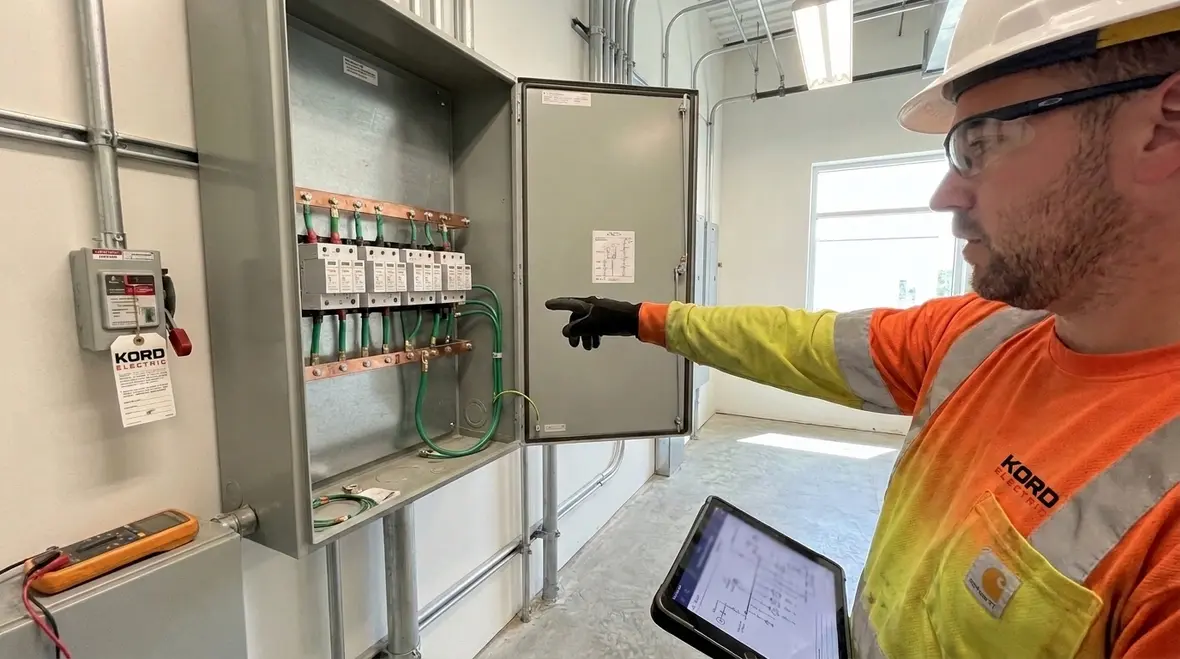
NFPA 70 Section 242.44 NEC Surge Arrester Count Needed
NFPA 70 Section 242.44 and the NEC surge arrester count you actually need
In the real world, when electrical systems face surges, we do not guess and hope for the best. We confirm what the code requires, then we size and place protection in the right places. In this article, we walk through NEC surge arrester number required under NFPA 70 Section 242.44 and what it means for commercial, industrial, and major property buildings. Kord Electric and our expert service staff explain it in plain language, because a stamped drawing should not read like a riddle from a late night sci fi show.
Third person perspective, yet practical: facility owners and electrical contractors benefit when they understand the rule, because correct protection reduces damage and downtime. Additionally, when you follow the requirement on count and location, you avoid expensive “we’ll retrofit later” moments. Nobody enjoys those, especially when a transformer decides to fail like it is starring in a disaster movie.
What Section 242.44 actually requires for surge protection
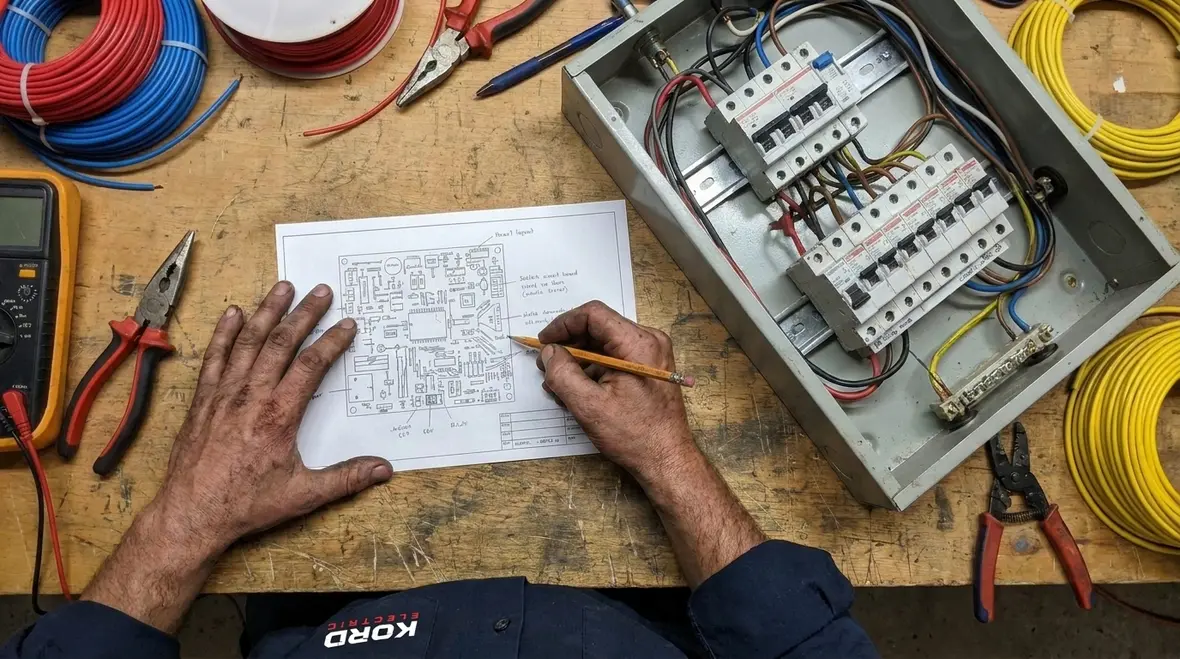
NFPA 70 Section 242.44 focuses on surge arresters where lightning or switching surges can create overvoltage on conductors. However, the rule does not only say “add surge arresters.” Instead, it explains how many you need and where you must apply them so the protection matches the system risk. As a result, the count ties directly to how the electrical service is built and what conductors are being protected.
In practical terms, the requirement connects to service configurations, grounding, and conductor types. Therefore, electrical professionals must interpret the rule with care. Kord Electric technicians review the one line diagram, then we map the electrical pathway so the surge arresters land where the overvoltage energy will stress the insulation. And yes, we also verify the installation details, because a surge arrester that sits in the wrong location is like bringing a fire extinguisher to a flood.
How the NEC surge arrester number required depends on the system configuration
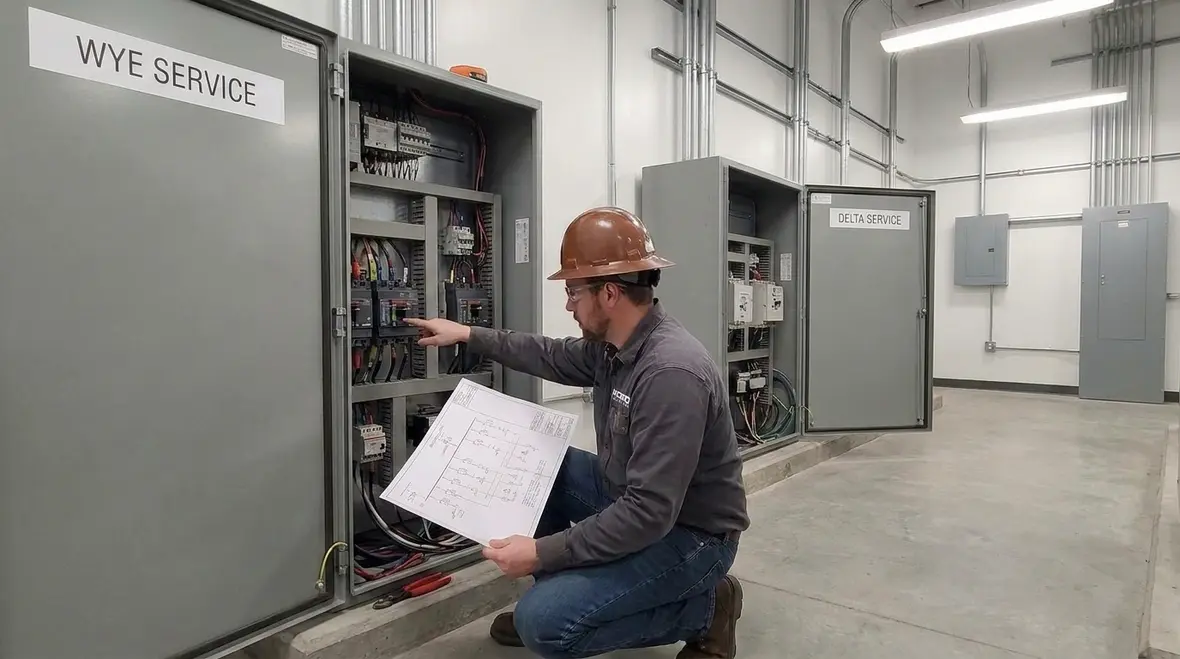
Many people want one magic number. Yet, in real NEC practice, the NEC surge arrester number required varies based on system design. For example, we typically see differences based on whether the installation uses wye or delta service, how grounded conductors exist, and what phase conductors and equipment interfaces receive surge energy.
To explain it clearly, our expert service staff uses a simple approach. First, we identify the electrical service type and how the conductors connect at the service equipment. Next, we determine where the surge arrester must be installed to protect the relevant conductors. Then we apply the code count rule that results from that conductor arrangement.
Also, if the facility operates with sensitive loads like drives, controls, and power supplies, the location and count become even more important. While the surge arrester provides protection, it does not replace good practices like proper grounding, bonding, and low impedance routing. In other words, surge protection works best when the entire path works.
For facility teams that want a broader perspective on how NFPA 70 shapes design decisions, pairing this topic with a resource like Understanding NFPA 70: The National Electrical Code Explained for 2026 helps connect surge protection choices to the rest of the code landscape.
Determine the right placement before you choose devices
When teams pick surge arresters first, they sometimes lock themselves into a bad plan. So we recommend starting with placement. That is how Kord Electric prevents rework for commercial and industrial facilities. We examine the service entrance, service disconnects, and downstream distribution where the overvoltage threat must be managed.
Then, we consider how the device connection method affects performance. For surge arresters, connection length matters, conductor routing matters, and the bond point matters. Therefore, we help our customers plan for short, straight, and properly sized conductor runs. And when we see a design that forces long leads, we discuss it early, before the project turns into a “change order” hobby.
Additionally, we coordinate with facility requirements for uptime and safety. We schedule work so operations continue and crews do not create unnecessary outage windows. This matters for major property buildings where tenants, security systems, and life safety loads must stay online as much as possible.
Coordination with grounding, bonding, and panel design
Surge arresters do not work in isolation. They rely on the grounding and bonding system to move energy to earth in a controlled way. Consequently, if the grounding network has poor continuity or high impedance, the surge arrester may not achieve the protection goal that the code intends.
Our technicians typically verify the grounding system and bonding points as part of the process. We look at how the service grounding electrode system ties in, how main bonding is done, and whether the panel sections and raceways create solid paths. Then, we align the surge arrester installation with that reality.
We also pay attention to panel design details that affect real-world results. For instance, if the facility uses metal enclosures, bus structures, and multiple distribution levels, we confirm how the surge energy travels between them. In turn, we avoid a common mistake: protecting the upstream service while leaving downstream equipment exposed in a way that the installer did not consider.
Pop culture joke, but serious point: a surge arrester cannot “save the day” if the ground path is a trapdoor. If the path fails, the protection plan fails.
What our team checks during installation and commissioning
Once we determine the count and placement, Kord Electric technicians handle the installation with methodical care. First, we confirm the selected surge arrester ratings match the facility’s system characteristics. Next, we verify conductor sizing, termination torque, and connection routing. Then we check labeling and documentation, because future maintenance should not depend on someone guessing what was installed three years ago.
During commissioning, we also confirm that the surge arrester connections integrate correctly with the equipment. Additionally, we verify that the installation does not violate clearances or create heat issues inside enclosures. We keep the work clean, safe, and aligned with commercial and industrial facility expectations.
If you want a trustworthy partner, we become that partner. Our expert service staff explains what we see, what it means, and what options exist. That way, facility managers understand the reasoning, not just the outcome.
Using code knowledge to plan upgrades for major property buildings
Many major property buildings face legacy electrical designs, and owners want protection upgrades without shutting everything down. Therefore, planning becomes part of the job, not an afterthought. Kord Electric supports phased upgrades for facilities that cannot treat electrical work like a weekend DIY project.
When we evaluate a building, we look at service age, distribution layout, and how tenants use equipment. Then we build a plan that targets the riskiest points first. In addition, we coordinate with building schedules and safety requirements so work stays efficient.
We also help stakeholders connect the code requirement for surge arrester count to the broader goal: fewer incidents, reduced equipment stress, and smoother operations. And while the code sets the baseline, good engineering makes it better.
For facilities that want to reduce the chance of “mystery failures” and equipment damage, it is worth pairing surge protection work with a broader strategy for transient control and reliability. Resources such as Kord Electric’s insights on preventing commercial power surge damage and other power quality topics help round out the protection picture and support long term uptime planning.
How NEC surge arrester planning supports wider reliability goals
Counting surge arresters correctly is only one part of the story. In a commercial or industrial facility, every device that manages overvoltage, fault energy, and load behavior ties into a larger reliability plan. When teams think beyond a single panel or device, they discover that coordinated surge protection helps:
- Protect sensitive electronics from cumulative stress instead of just rare catastrophic events
- Support data center and IT uptime when power quality would otherwise introduce glitches
- Reduce nuisance trips by stabilizing transient behavior in coordination with protective devices
- Extend equipment life, especially for drives, controls, and communication hardware
Kord Electric often combines surge arrester planning with discussions about power quality, redundancy, and emergency power. When you look at the system as a whole, it becomes easier to justify investments that keep operations stable instead of simply reacting to the latest failure.
Where NEC surge arrester number required fits in long-term electrical strategy
Over the life of a building, surge protection is not a one-time decision. As services are upgraded, loads change, and tenants add equipment, the original surge arrester layout may no longer match the actual risk profile. That is why we encourage facility owners to treat surge protection as part of their long-term electrical strategy rather than a one-off line item.
We regularly see three scenarios that benefit from a fresh look at the NEC surge arrester number required and how devices are deployed:
- Major renovations or additions where new distribution equipment changes how surges travel through the building
- Technology upgrades that introduce more sensitive electronics, from automation to data systems
- Code cycle changes that adjust expectations for how facilities manage overvoltage conditions
In these situations, a quick review of the one line diagram, panel schedules, and recent modifications can reveal gaps where new or relocated surge arresters make a meaningful difference. Instead of waiting for an unplanned outage to expose a weak point, facility leaders can schedule controlled upgrades that align with broader maintenance windows.
How Kord Electric coordinates surge protection with other NFPA 70 requirements
Because NFPA 70 is a comprehensive standard, no single section lives on an island. When our team evaluates surge protection under Section 242.44, we also consider how related wiring, equipment, grounding, and overcurrent rules influence the final design. That includes how service conductors are arranged, where disconnects are located, and how emergency or standby systems tie into the overall electrical architecture.
By approaching surge protection in concert with other code topics, Kord Electric helps facility teams avoid contradictory decisions—situations where a change that solves one problem accidentally introduces another. Instead, surge arresters, panels, feeders, and backup systems are coordinated so they support each other during real disturbances and inspections alike.
FAQ
Closing call to action for facility owners
If your facility runs sensitive equipment or you cannot afford repeated downtime, surge protection needs more than a quick purchase. Kord Electric reviews your service configuration, then we help you meet the NFPA 70 Section 242.44 requirements for surge arrester count and placement. Our technicians and expert service staff explain each step in plain language, so you can approve the plan with confidence. Contact us to schedule an assessment for your commercial or industrial electrical system and get the right protection the first time.
For building owners and operators in Southern California who need a partner to manage surge protection alongside broader power reliability, Kord Electric’s Los Angeles County electrical services provide a direct path to expert field support, code-informed planning, and commercial-grade installation quality.


