
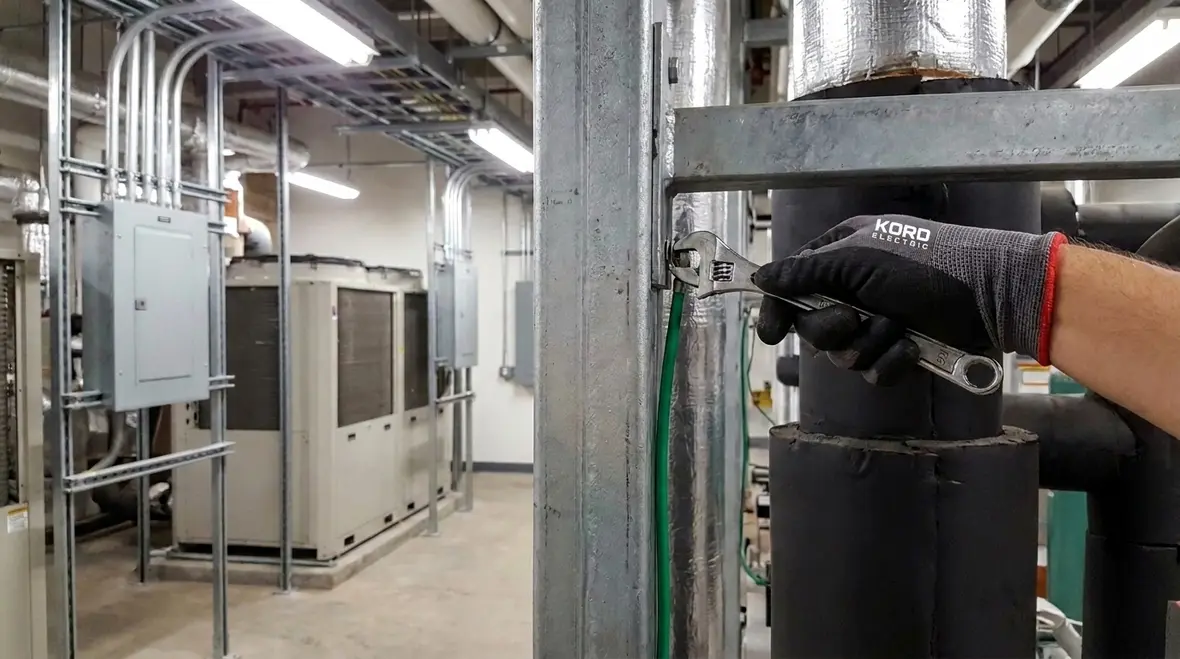
NFPA 70 Section 250.116 Grounding for Nonelectrical Equipment
NFPA 70 Section 250.116 grounding for nonelectrical equipment, explained for commercial and industrial sites
In commercial and industrial buildings, NEC nonelectrical equipment grounding matters because it helps manage shock hazards and supports safe fault clearing. When NFPA 70 Section 250.116 addresses grounding for nonelectrical equipment, it does not treat these items like they can be ignored until something goes wrong. Instead, the code sets expectations for how we handle metal parts, piping, frames, and other non electrical equipment that can still become energized. At Kord Electric, we lean on our experience and our technicians explain the rules in plain, practical terms, so owners and facility teams make confident decisions. And yes, we do it without the usual “electrical code yoga.” You can relax; we will guide you step by step.
What Section 250.116 covers for nonelectrical equipment grounding
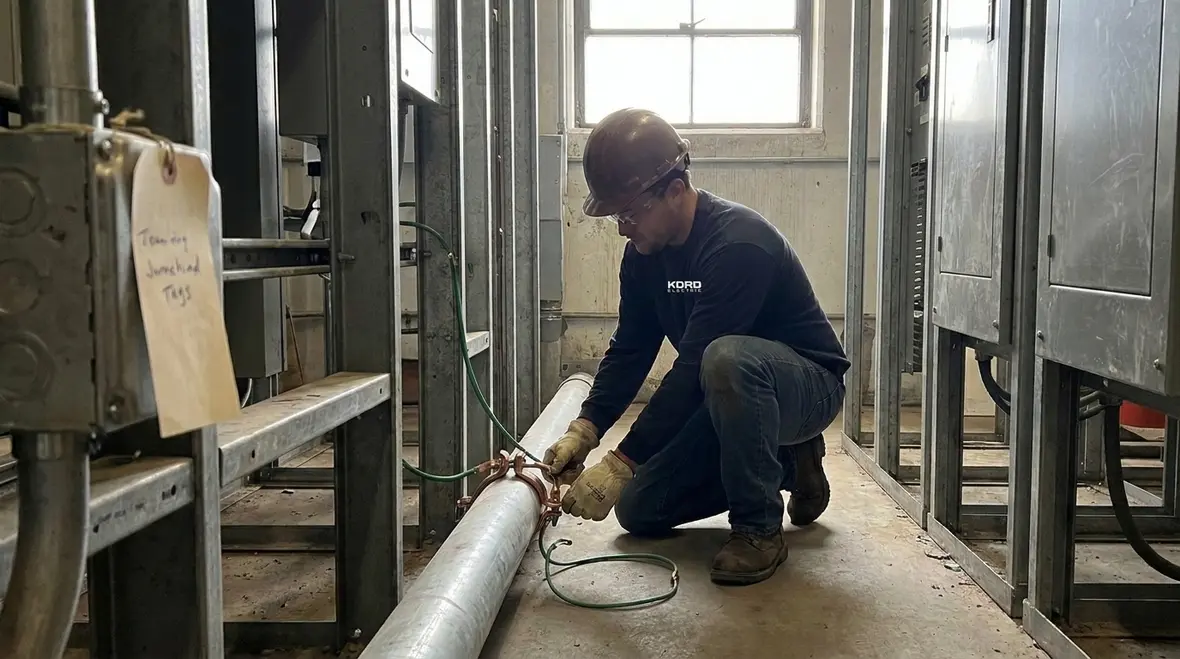
Section 250.116 in NFPA 70 focuses on grounding nonelectrical equipment that might connect to electrical systems in ways that create risk. In other words, non electrical equipment can still become a problem if a fault or surge puts voltage where people do not expect it.
To keep this clear, our expert service staff typically maps the equipment first, then looks for metal parts that could realistically contact energized conductors or create a path to ground. For commercial and industrial facilities, this often includes equipment such as mechanical frames, piping systems, enclosures, and metal supports that sit near electrical distribution.
Once those items are identified, the key idea stays consistent: nonelectrical equipment grounding aims to bond metal parts so they share a safe reference to ground. Then, when a fault occurs, the system can clear the problem instead of letting energized metal linger like an unwanted guest who refuses to leave the party.
How grounding supports safety and fault clearing
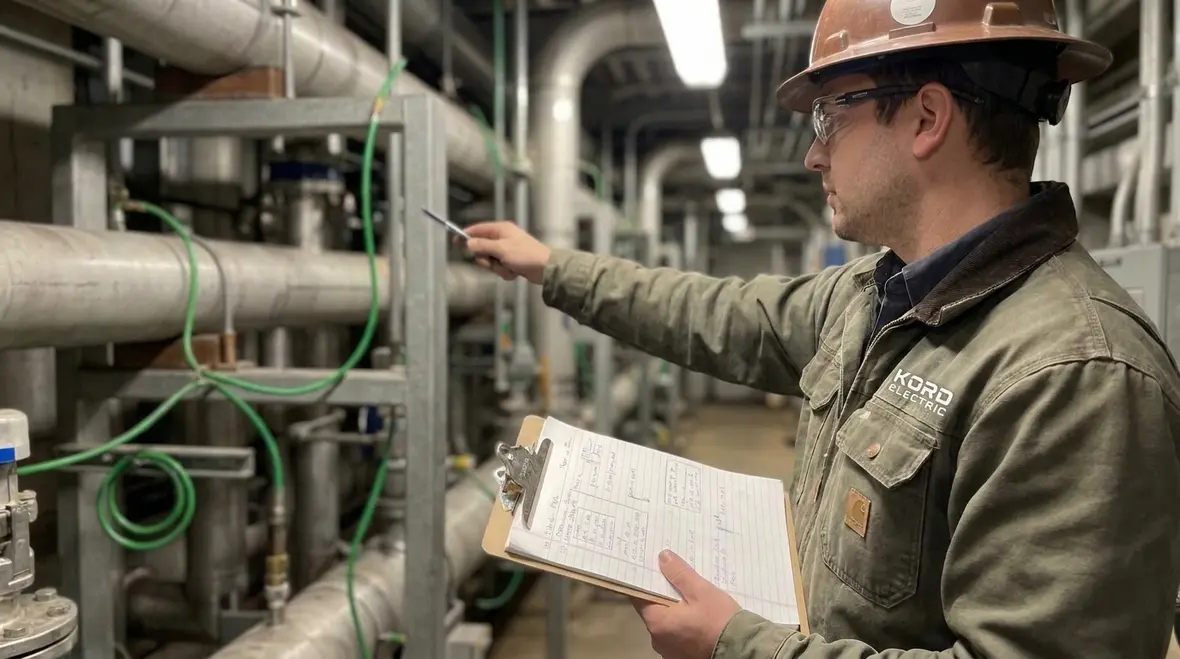
Many teams understand grounding as a “safety checkbox,” but that misses the reason it works. When a conductive metal part can become energized, grounding gives the fault current a controlled path. As a result, protective devices operate faster and more reliably.
In practice, our technicians explain that bonding and grounding reduce shock risk and help prevent fire hazards. Moreover, proper installation supports predictable behavior for overcurrent protection. So, instead of a fault drifting through the building looking for somewhere to land, the fault current takes the intended route.
For major property buildings, this matters at scale. The facility often has many metal subsystems tied together through racks, frames, ductwork supports, and piping. Therefore, bonding strategy must match the actual field conditions, not just the drawing.
Bonding vs grounding for nonelectrical equipment you can feel in the field
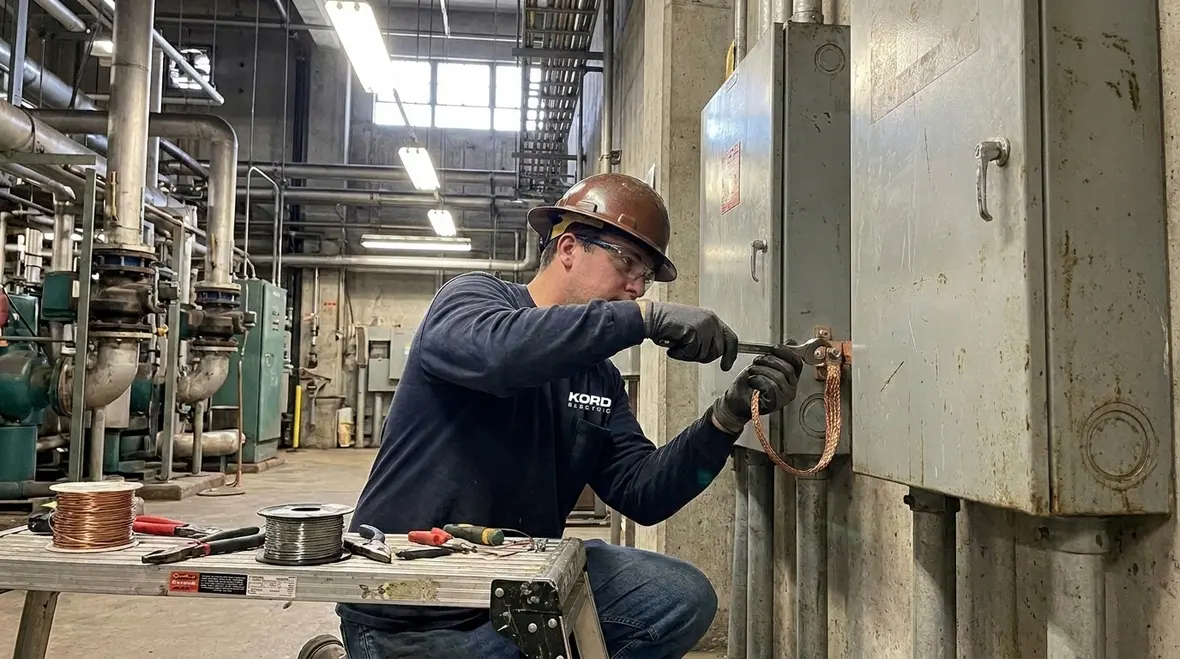
Section 250.116 relates closely to bonding, and that is where most confusion starts. Bonding connects metal parts so they stay at the same electrical potential. Grounding provides the connection to earth or to an approved grounding system.
So, in a typical commercial or industrial installation, we do not just ask whether something is “grounded.” We also ask whether all exposed metal and likely conductive paths are bonded in a way that prevents dangerous potential differences. Our expert staff uses this approach because it holds up when conditions change, like after tenant improvements, equipment swaps, or new mechanical tie ins.
Here is a simple way we explain it during site visits. If bonding is the handshake between metal parts, grounding is the handshake’s destination. Without both, you can end up with parts that act friendly at first and then suddenly act strange during a fault. Nobody wants surprises, especially not during a shutdown window.
What to identify before you install or verify nonelectrical equipment grounding
Before we make changes, we follow a logical checklist. First, we identify the nonelectrical equipment and all conductive metal parts that could become energized. Then, we verify how those parts connect to other building systems.
At this stage, our technicians focus on the “real world connections” that do not always show up cleanly on plans. For example, a metal frame may be bolted to a base plate. The base plate may touch structural steel. The structure may connect to other bonded elements. Additionally, flexible connections, isolators, and paint coatings can break or interrupt intended paths.
Next, we check whether the installation method supports a secure, durable connection. We also review whether the equipment location increases risk, such as near wet areas, outdoor units, or service entrances where fault currents can move in unexpected ways.
Finally, we document what we find. Our team does not just fix issues. We explain the why, so the facility can maintain compliance during future upgrades.
Approved grounding methods, corrosion, and long term performance
Even when a design looks correct, field conditions can weaken the connection over time. Therefore, NEC nonelectrical equipment grounding must survive vibration, moisture, temperature swings, and corrosion.
Our approach emphasizes approved materials and installation practices that hold up. We plan for durability, including how we route bonding jumpers, how we secure clamps, and how we protect connections that live where water likes to visit.
In addition, we consider maintenance access. A connection that cannot be inspected periodically becomes a mystery box. And mystery boxes do not belong in commercial power systems. They belong in gaming streams and haunted houses. (Though if you have one, at least keep it away from the electrical room.)
For major property buildings, long term performance also means coordination. We coordinate with mechanical contractors and facility teams so bonding does not get cut, painted over, or modified during routine work. When everyone knows the bonding plan and its purpose, the building stays safer year after year.
When other codes and standards intersect with NFPA 70 requirements
Facility teams often ask how NFPA 70 interacts with other standards. In practice, electrical grounding connects to fire protection, building safety, and emergency systems planning. For example, fire and life safety operations may depend on reliable electrical behavior, and grounding can influence how protective devices react during faults.
That is why our planning stays broad. We keep current on national code updates and local expectations, and we review how grounding ties into the larger electrical architecture. To support this, Kord Electric reviews guidance found across reputable NEC explainers and code focused resources, including content published by Kord Fire and related code education organizations. We also reference the approach described in the National Electrical Code context for the 2026 cycle, so we can align field practices with modern expectations. For a deeper overview of that context, facility teams often review our companion article, Understanding NFPA 70: The National Electrical Code Explained for 2026, before they dive into specific sections like 250.116.
When our technicians work with property managers and engineering teams, we explain how grounding supports both safety and operational stability. Then, we help confirm that nonelectrical equipment grounding aligns with the building’s overall risk profile. Because in a commercial environment, the cost of getting it wrong usually arrives as downtime, not as a neat invoice.
Real world examples from commercial and industrial maintenance work
During verification and corrective work, our team commonly sees these patterns.
- Mechanical equipment rooms where metal frames for HVAC or process equipment lack consistent bonding to the grounding system, leaving exposed parts at uncertain potential during faults.
- Pipe racks and metallic piping where segments connect through flanges, couplings, or coated surfaces that may interrupt intended continuity.
- Tenant build outs where new metal supports and enclosures get installed after the original grounding plan was finalized, without proper bonding tie ins.
- Outdoor installations where corrosion and weather exposure degrade connection points that once were sound.
In each scenario, we do more than “ground it and move on.” We evaluate the path of fault current, confirm the bonding strategy, and ensure the connection method fits the environment. Then, we explain the result to the facility team in a way that helps them maintain the same safety standard during future changes.
FAQ: Quick answers for Section 250.116 and grounding nonelectrical equipment
Conclusion and call to action from Kord Electric
If your commercial or industrial facility has metal mechanical equipment, piping, frames, or enclosures near power distribution, you should treat NFPA 70 Section 250.116 as a serious safety requirement, not a formality. Our Kord Electric technicians and expert service staff help you identify the real conductive paths on site, verify NEC nonelectrical equipment grounding, and correct issues with durable, code focused methods.
For teams planning broader upgrades or trying to coordinate multiple systems in one project, our Los Angeles County electrical services overview shows how we support everything from early code review to final inspection in commercial and industrial facilities. We connect nonelectrical equipment grounding with power quality, surge protection, and emergency power planning so your building behaves like one coherent system, not a stack of unrelated projects.
Contact us to schedule an evaluation. We will explain what we find, show what it means for your building, and help you keep operations safe and steady.


