
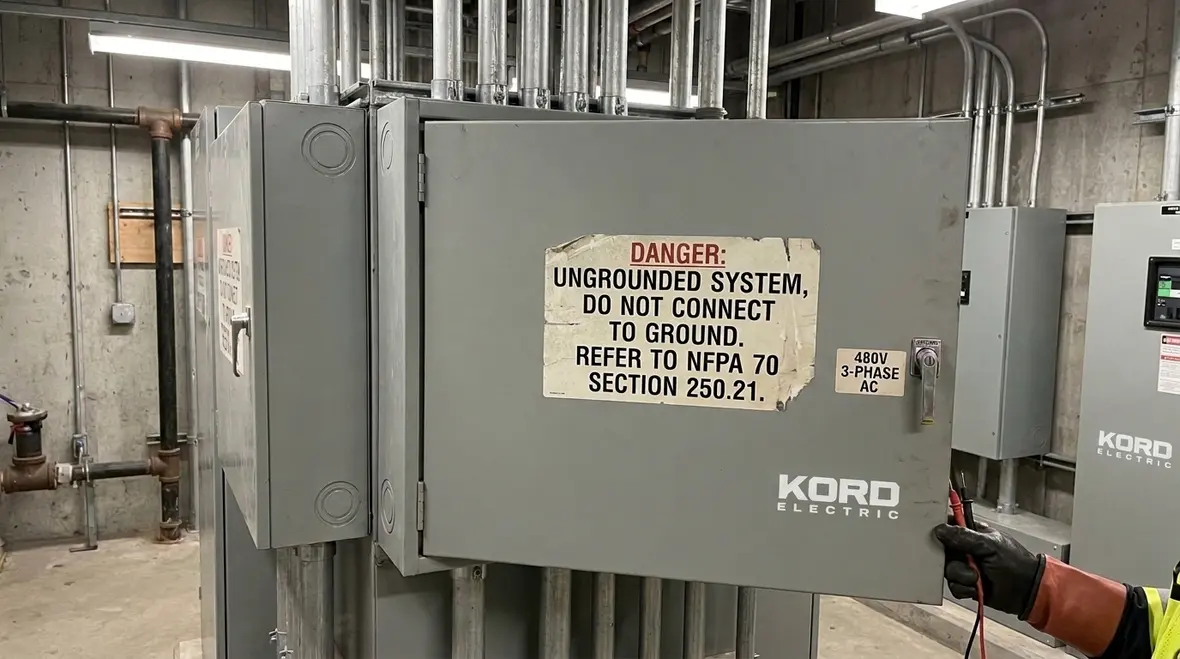
NFPA 70 Section 250.21 NEC AC systems not grounded
NFPA 70 Section 250.21: When NEC AC Systems Not Grounded Are Allowed
In commercial and industrial facilities, electrical safety does not depend on guesswork. It depends on the rules, and it depends on how those rules get applied in the field. That is why, at Kord Electric, we focus on NEC requirements that protect people, equipment, and uptime. In this guide, we address NFPA 70 Section 250.21 and explain when certain 50 to 1000 volt AC systems may be exempt from grounding. We also share how our technicians and expert service staff walk teams through the “why,” not just the “what.”
To keep this practical, we will describe what the code intends, where the exemptions fit, and what a safe plan looks like for major property buildings. And yes, like any good rulebook, the code can feel a little like a long movie with a slow start. Stick with it. The ending is worth it.
What NFPA 70 250.21 Is Really Doing for 50 to 1000 Volt AC
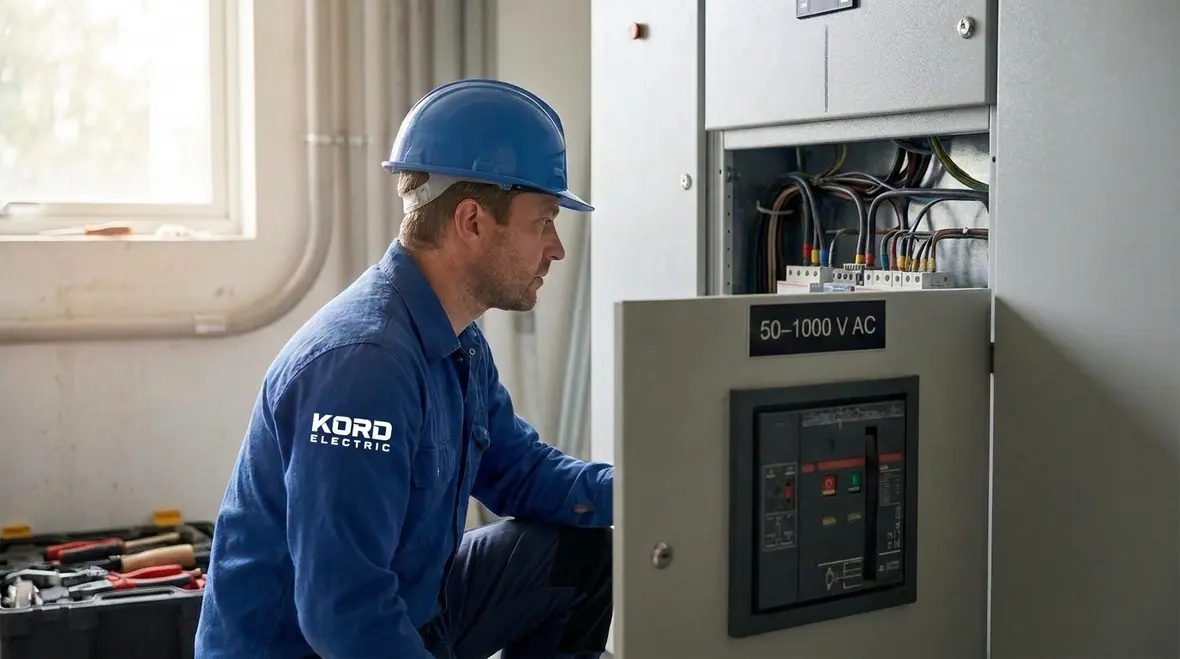
NFPA 70 Section 250.21 lays out a careful path for NEC AC systems not grounded from a grounding perspective in certain situations. The code does not remove safety. Instead, it shifts the focus toward methods that reduce shock risk through design and installation rules. This approach works only when the system conditions meet specific requirements, and when the facility follows those requirements consistently.
Therefore, the exemption is not a free pass. It is a targeted allowance, typically connected to how the system is built, how it is monitored, and how the facility handles faults. In many commercial settings, that matters because downtime is expensive and repairs must be predictable.
At Kord Electric, our expert service staff often hears the same concern from facility managers: “If we do not ground it, do we lose protection?” We explain that grounding is one tool, not the only tool, and the code spells out when other protection methods can do the job.
Because NFPA 70 is broader than any single section, we often point teams to deeper resources that explain how grounding and bonding fit into the code’s overall safety framework. Articles like Understanding NFPA 70: The National Electrical Code Explained for 2026 help connect Section 250.21 to the bigger NEC picture for commercial and industrial buildings.
Key Conditions That Support an Unbonded or UnGrounded Setup
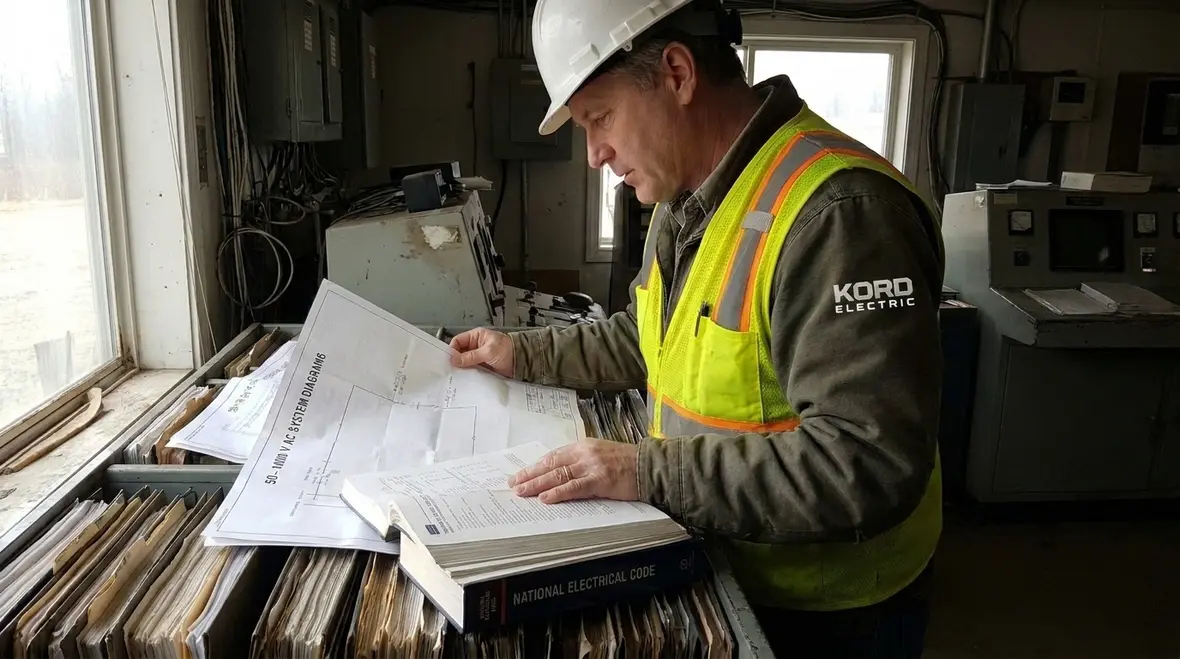
Section 250.21 focuses on the overall system environment and how the facility manages the risks that grounding usually helps control. To meet the exemption, the installation must align with the conditions the code expects for these NEC AC systems not grounded scenarios. In plain terms, the system must remain safe under normal operation and under specified fault conditions.
Here is what we emphasize during service calls and safety reviews for commercial and industrial facilities:
- Defined voltage range: The exemption applies within 50 to 1000 volts AC. When teams step outside that range, they must recheck the grounding approach.
- System design intent: The code expects certain system structures and bonding practices to support safe operation without the typical grounding path.
- Fault handling: If a fault occurs, the electrical system must behave in a way that keeps shock and fire risk low. That means the design and protection scheme must match the exemption, not just “look similar” in the panel.
- Installation discipline: A correct design can still fail if workmanship is sloppy. Our technicians inspect terminations, labeling, and routing because small errors create big problems later.
Also, we remind teams that code language ties to real world behavior. So, we do not treat an exemption as paperwork. We treat it as a system requirement that must be validated in the installation.
How Our Technicians Help Teams Verify Compliance in the Real World
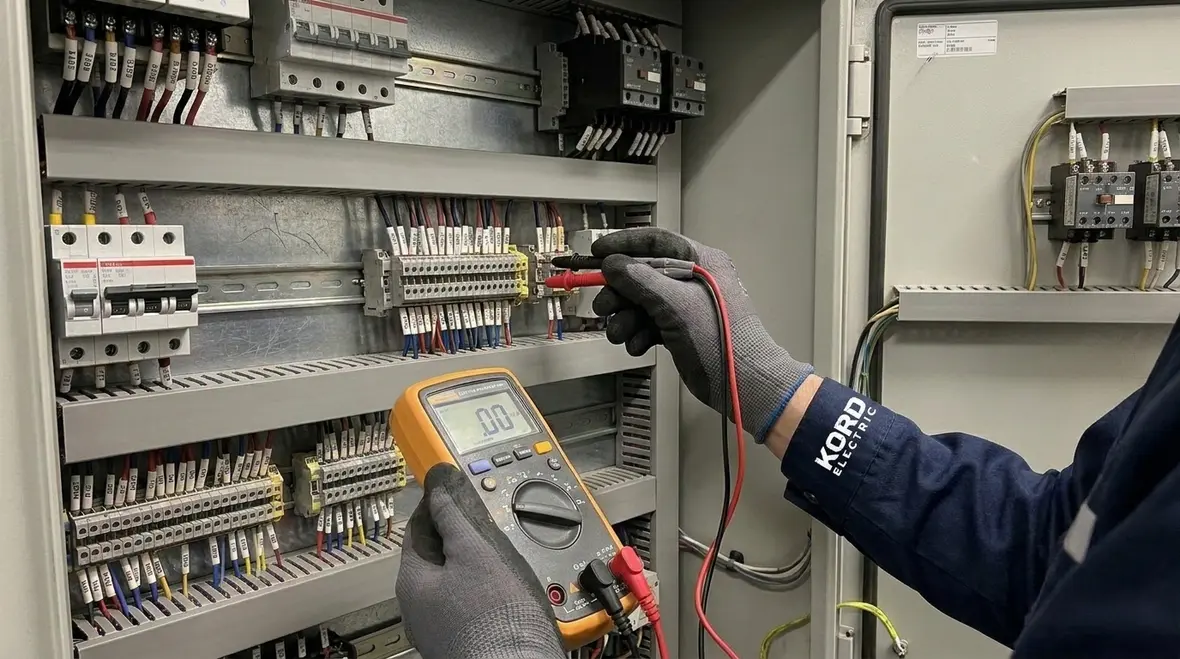
Code reading is important, but field verification matters more. At Kord Electric, we send technicians who explain the rules in a clear, steady way, because many people do not want a lecture. They want certainty that their facility is built and maintained right.
During commissioning and periodic service work for major property buildings, our team typically looks for evidence that the installation matches the intended protection path. Even when the electrical design uses NEC AC systems not grounded methods, we still focus on safe behavior through the rest of the electrical chain.
We apply a process that supports compliance without slowing projects down:
- Review the one line and equipment list: We confirm the system voltage range, transformer or source arrangement, and how the facility intended grounding to work.
- Inspect bonding and connections: We verify that bonding is handled properly where required and that the absence of grounding aligns with the design.
- Check labeling and documentation: Future service should not turn into detective work. Good notes prevent the next contractor from “improving” something they do not understand.
- Verify protective devices: We confirm that overcurrent and other protective elements work with the overall safety design.
And if someone tries to treat the exemption like a magic spell, we politely step in. Electrical safety does not do shortcuts. It does, however, reward teams that do things the right way the first time.
Safety Practices for Commercial and Industrial Facilities
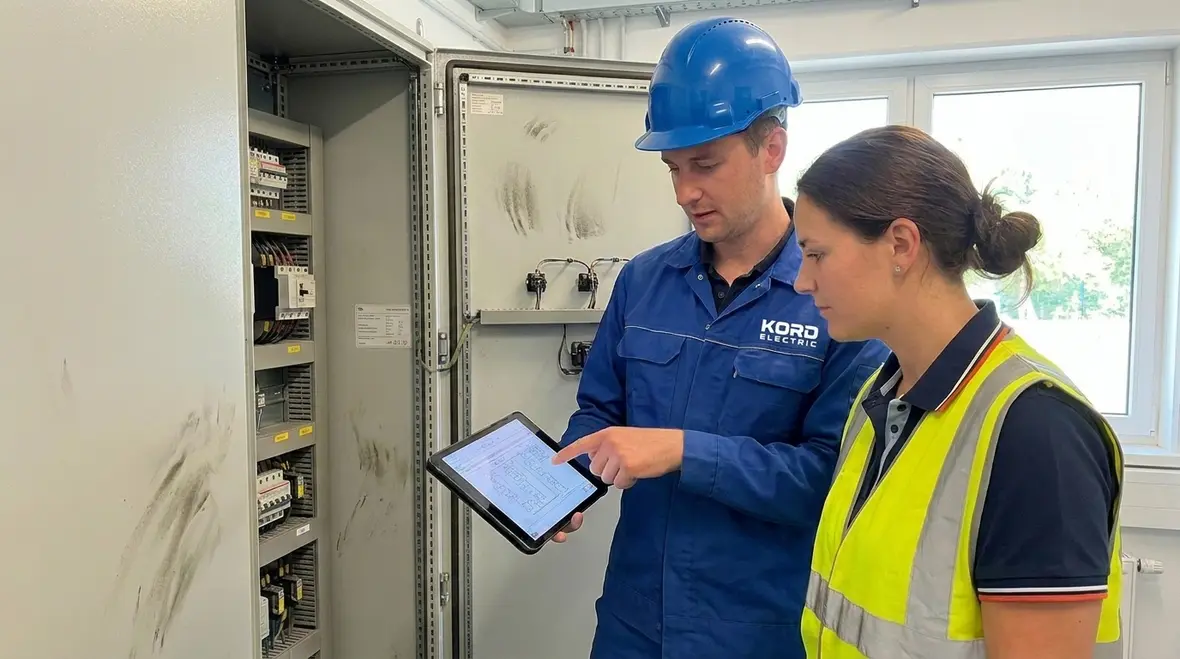
Even when an electrical system qualifies under Section 250.21, safety does not end at the panel door. In commercial and industrial environments, conditions change. Equipment gets added. Conductors get moved. Maintenance teams operate under time pressure. Therefore, the best approach uses ongoing controls, not one-time installation checks.
We recommend these practical safety practices that fit real facility operations:
- Training and clear procedures: Our team helps explain what the exemption means for service work. When workers understand the intent, they maintain the system without breaking it.
- Inspection intervals that match risk: Facilities should follow a schedule based on use, environment, and past issues. We build inspection plans for major property buildings where reliability matters.
- Fault awareness: People should know how the system shows abnormal conditions. That helps teams respond quickly instead of guessing.
- Strong recordkeeping: When electricians, engineers, and inspectors share accurate documentation, compliance stays stable across future upgrades.
As part of our broader educational support, we also connect safety thinking to NEC and related guidance that helps teams stay aligned with the bigger code picture. For example, resources that cover the NEC’s overall approach to electrical systems help facility owners understand how Section 250 fits into the entire safety framework. Kord Electric and our partners in the fire and electrical code community emphasize the same theme: safety design works best when it stays consistent over time.
Where Teams Commonly Get Tripped Up
Most failures in NEC AC systems not grounded setups do not come from the code being “too strict.” They come from how the system gets modified after installation. So, if a facility upgrades equipment, changes loads, or adds circuits, the electrical design intent can get disturbed without anyone noticing.
Here are common trouble spots we see in commercial and industrial service work:
- Adding circuits without verifying grounding implications: Teams sometimes extend the system by copying old habits. Instead, they should confirm the new work matches the exemption conditions and the existing safety design.
- Replacing components with mismatched parts: A different device may still fit physically, but it can behave differently under fault conditions.
- Loose verification during construction closeout: When testing and documentation slip, later inspections become harder and more expensive.
- Assuming “no grounding” means “no care”: The system may still require careful handling, and safety depends on the rest of the protection scheme.
We keep the tone practical when we explain these issues. If you want a pop culture analogy, it is like swapping actors mid season and expecting the plot to stay the same. The audience will notice, and the risk will show up later. Electrical systems behave the same way.
FAQ: NFPA 70 Section 250.21 and Grounding Exemptions
Conclusion: Get Your Compliance Review with Kord Electric
When a commercial or industrial facility depends on safety and uptime, we do not treat NFPA 70 Section 250.21 as a simple checkbox. At Kord Electric, we help teams confirm whether their installation supports the exemption for 50 to 1000 volt AC systems and whether their electrical protection plan still makes sense after real changes happen. Our technicians explain what the code intends and what your staff must maintain. If you want clear guidance for major property buildings, contact us for an expert service review today.
If your facility is located in Southern California and you are planning upgrades, troubleshooting issues, or reviewing NEC AC systems not grounded alongside other electrical work, you can also explore our comprehensive Los Angeles County electrical services. Coordinating code reviews, maintenance, and project work under one experienced team helps keep your system compliant and your operations running.


