
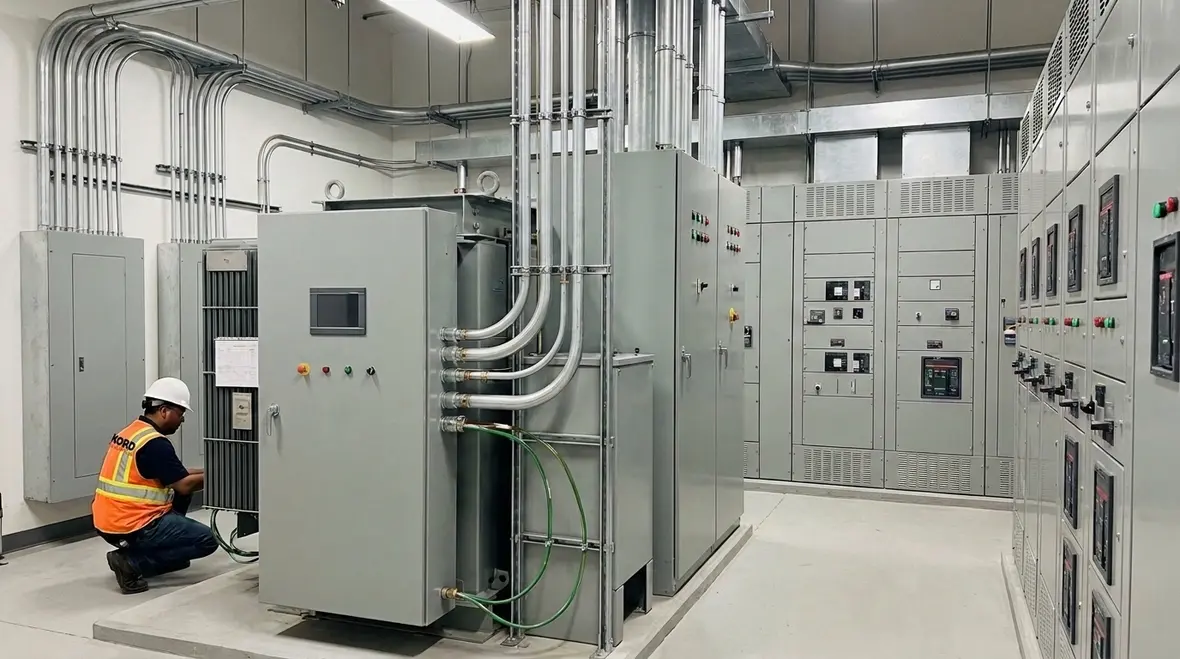
NFPA 70 Section 270.160 NEC Separately Derived 2 kV
For commercial and industrial facilities, the rules around power systems are not just paperwork. They keep people safe, protect equipment, and help operations run without nasty surprises. In this guide, we focus on NFPA 70 Section 270.160 and specifically the NEC separately derived 2 kV concept, since systems over 2 kV need clear boundaries and smart planning. Then, we connect those code ideas to real-world decisions that our team at Kord Electric supports every day. Our expert service staff explains the “why” behind each rule, and they do it in plain language, not like they are reading a bedtime story written by an engineer who never slept.
What Section 270.160 sets out to control in the field
NFPA 70 Section 270.160 covers the general approach for separately derived systems over 2 kV. In simple terms, the code aims to stop hazards that can happen when power sources act like independent worlds. When a transformer or generator provides a new power source, it can create conditions that differ from the upstream utility system. If you treat those conditions like they are the same, you invite problems such as unexpected fault behavior and confusing grounding paths.
Our technicians, including the electricians and electrical supervisors who work side by side on commercial sites, often see the same pattern: plans look fine on paper, but field details drive the outcome. Therefore, we walk through how the code expects you to separate, label, and coordinate the system so the facility can handle faults with predictable results. And yes, predictable results are great, because “mystery smoke” is not a maintenance strategy.
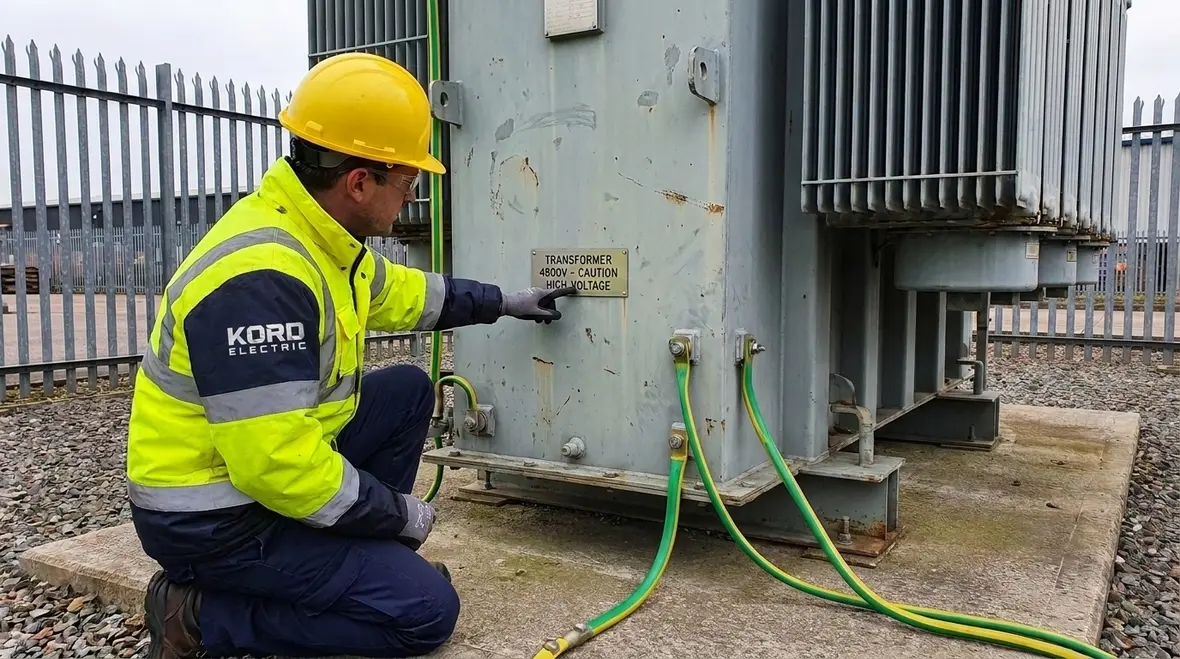
Separately derived systems over 2 kV: how the definition shows up in design
A separately derived system forms when electrical power gets created or reintroduced in a way that breaks the normal continuity with the source. That matters more as voltage rises, since system behavior under fault conditions becomes harder to manage. For commercial and industrial facilities, you might see this in critical power setups, where redundancy and reliability drive the design.
As our experts explain, the heart of the design work is coordination. First, the system must connect to its own grounding and bonding approach. Next, overcurrent protection, fault detection, and system labels must align with the expected behavior. Then, the facilities team needs documentation that allows maintenance staff to understand what they are looking at during inspection or after an event.
So, when the project involves NEC separately derived 2 kV and up, we encourage owners and electrical engineers to plan early. The reason is practical: field changes to grounding and bonding usually cost more than the planning session that prevents them.
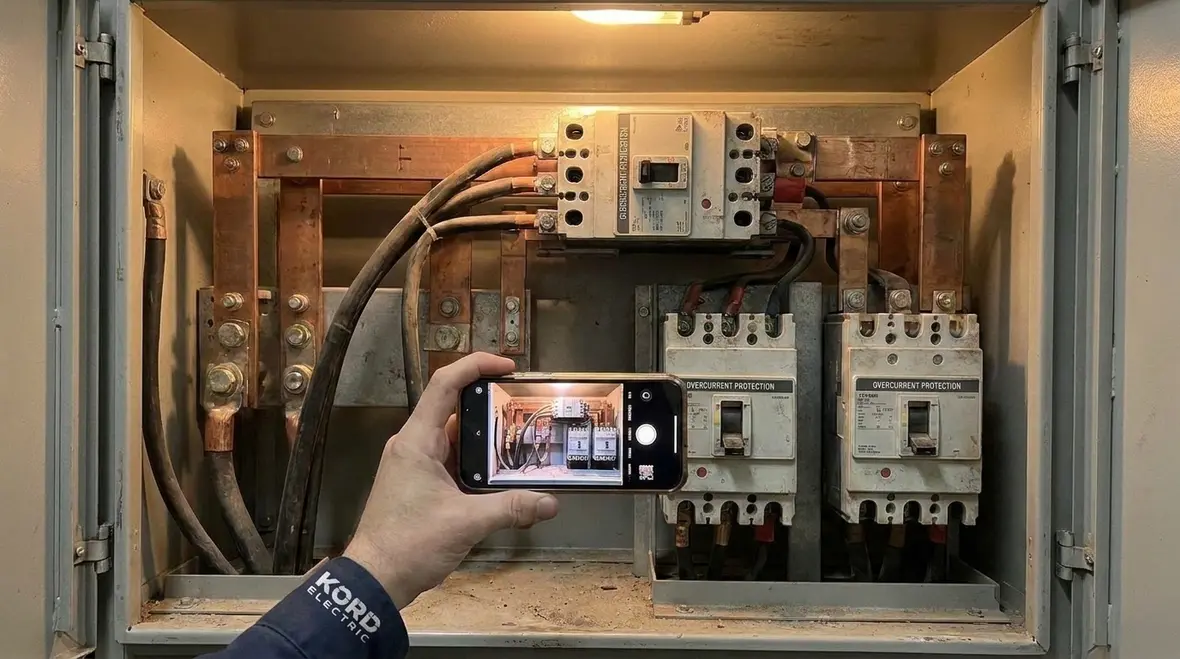
Grounding and bonding expectations our service staff watches for
Section 270.160 operates alongside grounding and bonding rules. In the field, this means the project needs a clear, controlled grounding design for the separately derived source. Otherwise, equipment can see voltage stresses that do not match the assumptions used for ratings and protection settings.
Our technical leadership emphasizes a few key checks during commissioning and service support for major property buildings. First, the grounding electrode system must comply with the applicable requirements and link correctly to the separately derived system. Second, bonding paths must support safe fault clearing. Third, the installation needs to avoid confusing multiple grounding methods that fight each other.
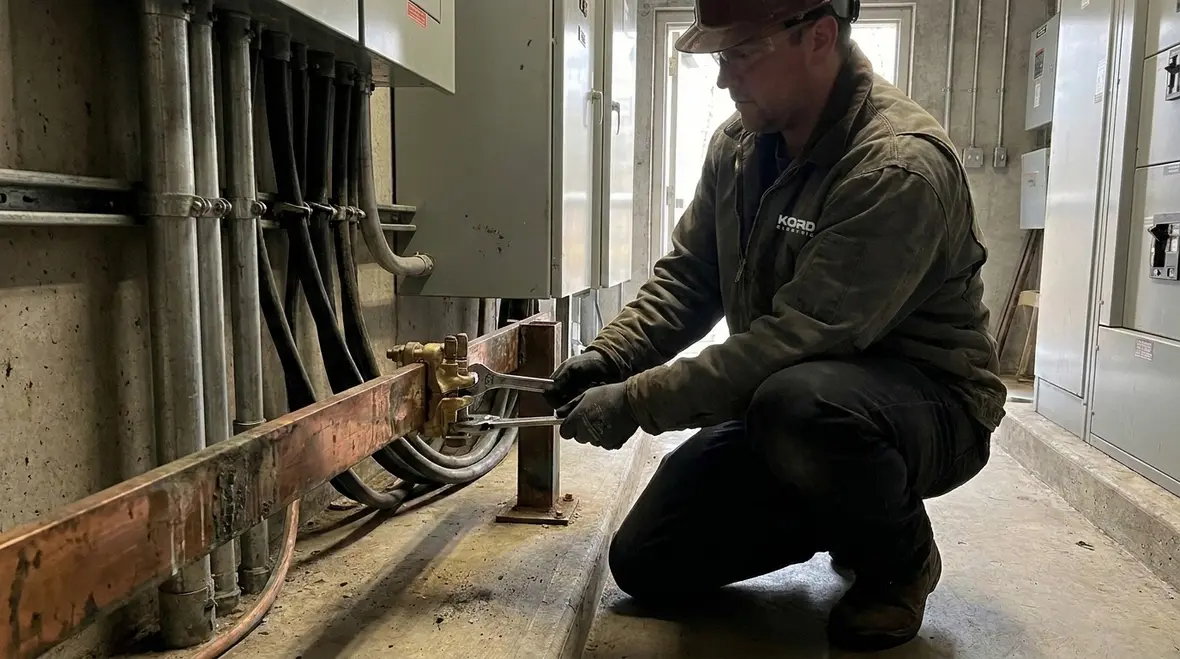
Meanwhile, our technicians also look for details that plans sometimes skip. For example, they confirm conductor routing, connection quality, and labeling that helps the next person identify the system quickly. If that next person is wearing a hard hat and doing troubleshooting at night, you want them to have answers faster than a streaming service can load a new episode.
Fault behavior, protection, and why coordination matters more above 2 kV
When the system voltage climbs past 2 kV, fault conditions require even better planning. Fault current magnitude, protective device performance, and clearing times all connect back to the design choices that Section 270.160 reinforces. Therefore, you cannot treat protective settings as “close enough” and hope for the best.
In practice, our expert service staff supports coordination between the separately derived source and the downstream distribution equipment. We confirm that protective devices receive the correct information, that ratings align, and that the facility can isolate a fault without causing unnecessary downtime across critical loads.
At commercial and industrial sites, time matters. A fault that clears too slowly can overheat equipment. A fault that triggers the wrong protective device can shut down more of the building than intended. Our role, as part of Kord Electric’s work culture, focuses on making sure the system acts the way the design team expects, not the way it feels like acting in the moment.
Operating and maintenance: documentation that keeps teams calm
Safety is not only about the moment of installation. It also lives in maintenance routines. For major property buildings, the best-run facilities keep clear documentation and labels for each power system, including separately derived sources.
Section 270.160 pushes toward that clarity by reinforcing how the system should be treated as its own defined power environment. And that shows up in real service work. Our technicians verify that panel schedules, single line diagrams, and labeling match the field reality. They also make sure that staff can identify where the separately derived source begins and ends.
To keep it practical, we tell teams to think like first responders. If something goes wrong, can someone trace the path quickly? Then, can the facility isolate safely? When the answer is yes, the maintenance experience stays professional and controlled, not chaotic and loud.
How Kord Electric supports NEC compliance for major commercial projects
Kord Electric serves commercial and industrial facilities, and we treat compliance as part of reliability. That means we do not just ask, “Does it meet the code?” We also ask, “Will it work during real operations?” Our approach is built on careful planning support, strong installation practices, and service follow through.
Our team draws on deep knowledge from the NEC discussions and learning resources shared across our brands and partners, including the broader training content available through Kord Fire and the guidance themes seen in the NEC-focused material at kordfire.com and kordfire.com.au. We also stay aligned with industry safety focus areas that organizations such as firepumps.org highlight, especially when facilities rely on systems that must perform under stress.
For facility teams who want a deeper foundation on the broader National Electrical Code before diving into Section 270.160 details, our colleagues walk through key concepts in resources such as Understanding NFPA 70: The National Electrical Code Explained for 2026, which ties high level NEC direction to project planning and inspection readiness.
So, if your project involves transformers, generators, or major power distribution that creates a NEC separately derived 2 kV condition, we help teams coordinate the design and validate the install details. Our expert service staff explains what matters, why it matters, and how to keep it correct over time. Because codes change, equipment ages, and shortcuts tend to show up later like a bad guest at a company event.
Common mistakes we see with separately derived systems above 2 kV
Even strong teams can make predictable mistakes when they move fast or rely on incomplete drawings. Our technicians often spot these issues during commissioning and later service calls. First, the grounding plan may not match the actual connection points. Second, protective device coordination can drift when field changes happen without updating the settings or documentation. Third, labeling may not reflect the final system configuration.
Another common issue involves misunderstanding what “separate” really means in the field. A designer may separate the system conceptually, yet the installation may still create unintended links through paths that were not part of the plan. That can undermine the safe operation assumptions tied to the NEC separately derived 2 kV framework.
To prevent these problems, we recommend a simple discipline: verify early, document clearly, and test in a way that confirms the system behaves as intended. And when someone says, “It should be fine,” our job is to make sure fine stays a goal and not a prayer.
How this ties into broader NEC planning and services
Separately derived systems over 2 kV rarely live alone. They sit inside a larger electrical ecosystem that includes normal power, emergency power, life safety loads, and specialty equipment. When facilities coordinate these elements under one NEC-aligned strategy, they reduce surprises during faults, testing, and upgrades.
Our technicians connect Section 270.160 details with general NEC topics we cover elsewhere, such as how to interpret the structure of the code, how emergency power systems interact with building operations, and how data-driven planning keeps fault levels and protection choices under control. Each of those efforts supports the same outcome: power that behaves predictably when the building is busy, not just when everything is quiet.
For commercial property teams across the region, we extend this mindset into on-the-ground help through our Los Angeles County electrical services, where our crews apply NEC requirements to real buildings, real schedules, and real budgets.
FAQ about NFPA 70 Section 270.160 and NEC separately derived systems
Final word: get the coordination right before the system goes live
Section 270.160 focuses on safe treatment of separately derived systems over 2 kV, and the groundwork starts with correct grounding, clear documentation, and careful protective coordination. At Kord Electric, our technicians and expert service staff help commercial and industrial teams verify details early and keep them correct through commissioning and ongoing support. If your project includes a NEC separately derived 2 kV condition, contact us for guidance that moves from code language to real field outcomes. We will help you prevent problems before they become expensive.
For organizations planning broader upgrades or new construction, our service options for commercial and industrial properties, including our dedicated regional support through Los Angeles County electrical services, make it easier to align Section 270.160 requirements with everyday operations, budgets, and long-term maintenance strategies.


