
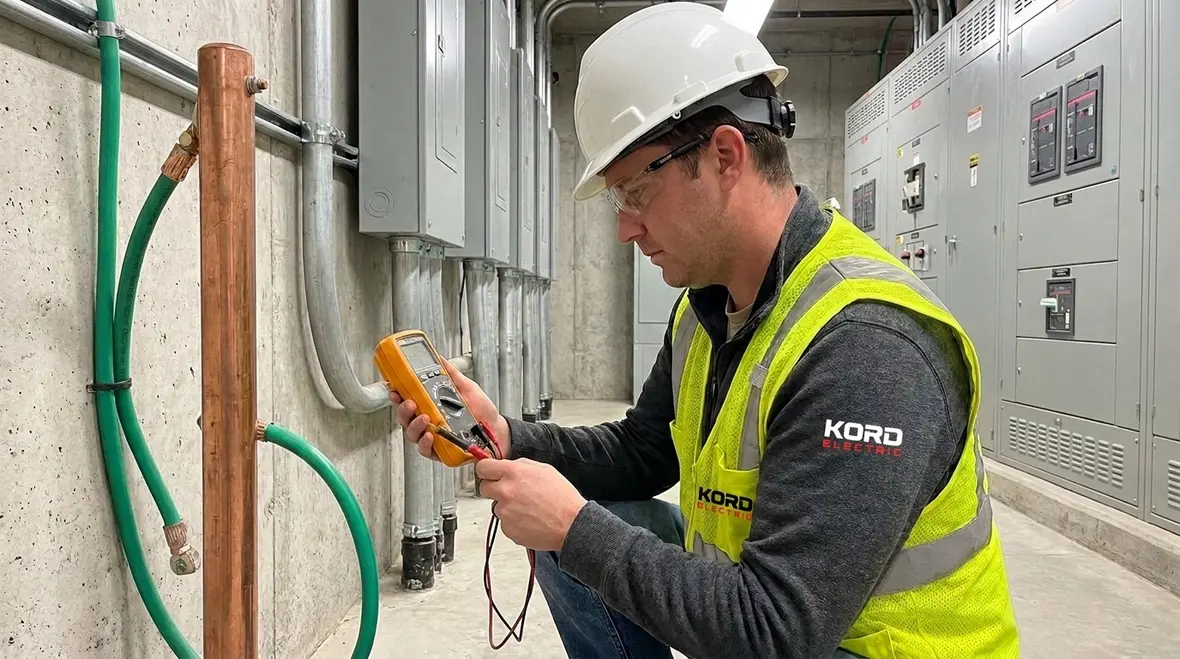
NFPA 70 Section 270.32 Grounding Matters for 2 kV Feeders
NFPA 70 Section 270.32 and Why Grounding Matters for Major Projects
In commercial and industrial facilities, safety does not happen by luck. It happens by design, testing, and the right grounding plan. That is why NEC feeder building grounding 2 kV is more than a phrase on paper. When the supply system runs above 2 kV, NFPA 70 Section 270.32 sets clear expectations for grounding buildings fed by such feeders. At Kord Electric, our team explains these requirements in plain language so owners and facility managers can make confident decisions. And yes, we do this without turning your meeting into a three hour lecture. Even our expert service staff knows people have better ways to spend time, unless it is watching an overconfident superhero learn humility in a hallway.
For teams who want additional context on how this section fits into the code as a whole, it often helps to pair Section 270.32 planning with a broader NEC overview like Understanding NFPA 70: The National Electrical Code Explained for 2026. That way, grounding and bonding decisions connect cleanly to the rest of your 2026 NEC strategy.
What Section 270.32 Requires When Feeders Exceed 2 kV
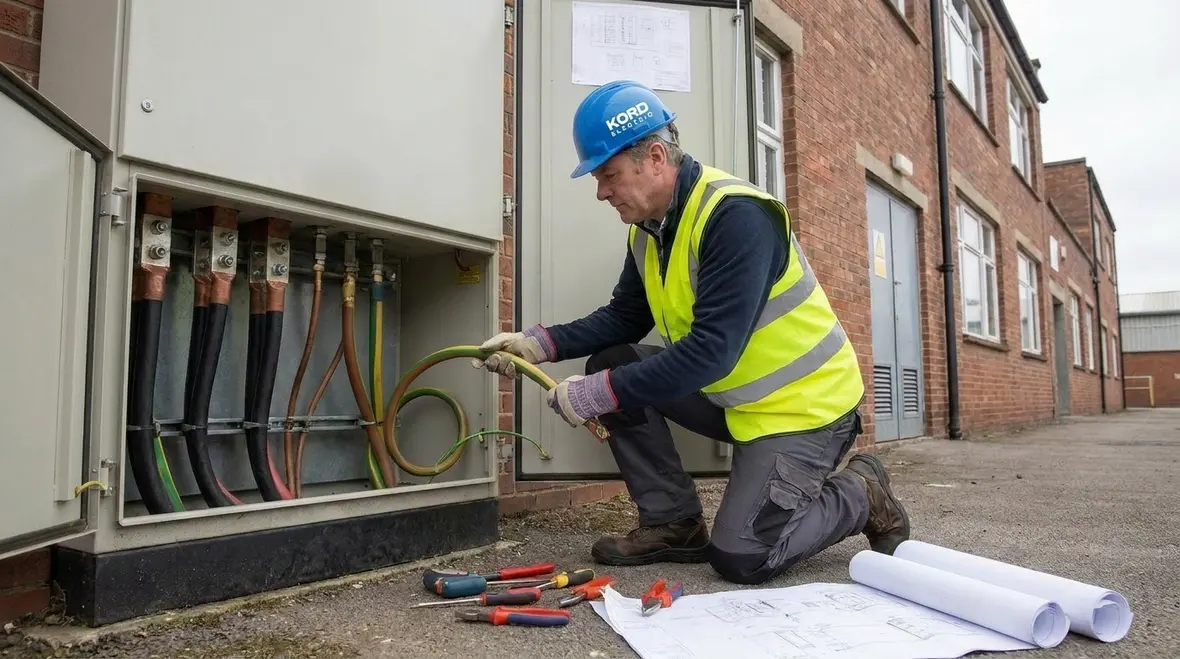
Section 270.32 focuses on how grounding gets handled when a building receives power through feeders over 2 kV. First, it addresses the risk that arises when fault currents create dangerous voltages. Then, it sets rules that help ensure exposed conductive parts do not rise to unsafe levels. In other words, it helps control step and touch potential during a fault. As a result, people stay safer and equipment damage drops.
To keep things practical, the code logic ties grounding to dependable fault clearing. Therefore, grounding should provide a low impedance path so protective devices can operate as intended. Meanwhile, the grounding system must connect the right building elements together so the entire system behaves like one coordinated protection network.
Our technicians approach this like a real-world job, not an abstract homework problem. They walk the site, trace how feeders enter, and map how bonding will work across major building parts. After that, they document the plan so the design intent survives the field.
On major projects that span multiple buildings or large service entrances, we also look at how Section 270.32 interacts with broader NEC application rules and scope. When feeders over 2 kV cross between structures, clear grounding and bonding design keeps every part of the power system behaving like a single, coordinated safety strategy rather than a collection of disconnected installations.

How Grounding Design Protects People and Equipment in the Real World
When a major facility loses control of grounding, bad things can happen fast. Faults can raise the voltage on metal parts, and that can energize surfaces that people touch. Consequently, the grounding plan must limit what a person can experience during a fault. It must also handle current long enough for protective devices to clear the fault, not just until someone hopes the breaker decides to behave.
Additionally, grounding design supports stable operation. Systems depend on reference points for proper function, including protective relays and other controls. When the grounding scheme is inconsistent, equipment may behave oddly, and maintenance becomes a guessing game. However, when NEC feeder building grounding 2 kV is designed correctly, the system gains predictability.
Kord Electric also helps coordinate the path that fault current takes. We treat grounding, bonding, and protective device coordination as one story. So, our expert service staff does not stop at “good enough.” They verify the connections, review the drawings, and make sure the field matches the intent.
In practice, we often connect this grounding work with other NEC power quality and load planning topics. A coordinated approach makes it easier to manage fault levels, voltage drop, and equipment stress so that grounding, overcurrent protection, and distribution design all reinforce the same safety goals rather than working against each other in the background.
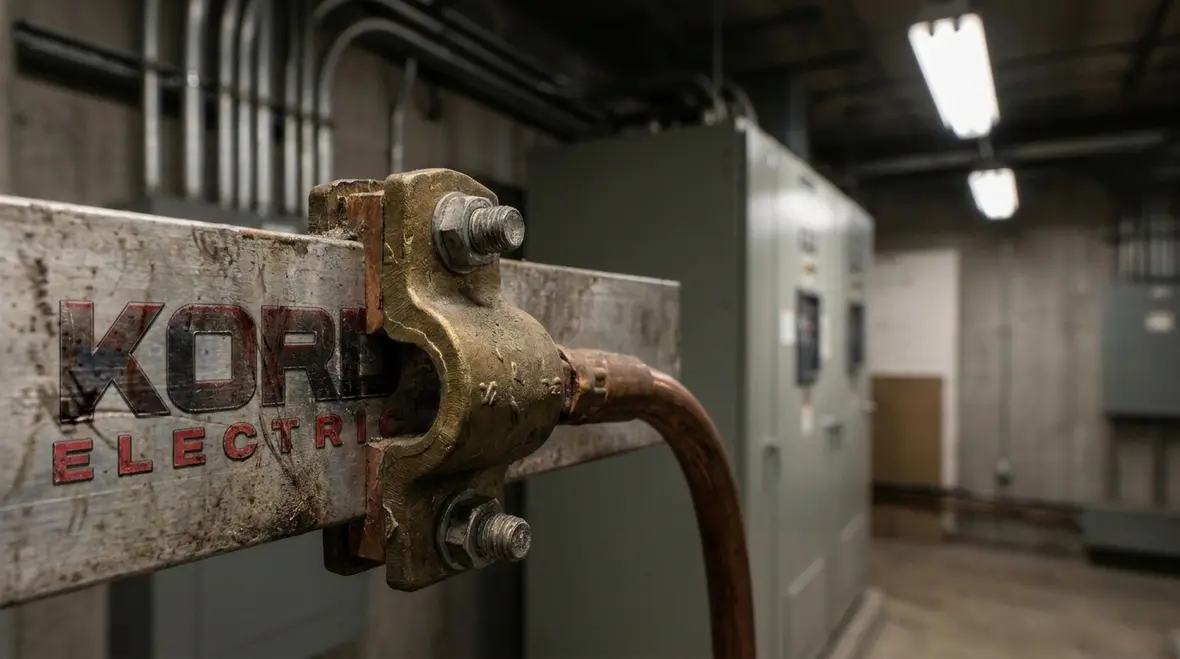
Bonding, Metal Paths, and the Details That Prevent Trouble
Grounding does not work alone. Bonding makes sure conductive components share the same electrical potential. As a result, hazardous voltage gradients reduce. This matters especially in big buildings where metal can exist everywhere: structural steel, piping systems, frames, enclosures, and various bonded components tied to power and communications.
Section 270.32 connects the dots between grounding and the broader bonding approach. Yet, the exact implementation depends on how the feeder enters the building and how the facility handles metal pathways. Therefore, installers should treat bonding as a layout issue, not a last minute fix.
In practice, our technicians pay attention to things like connection integrity and continuity. They check how conductors route and how terminations are made. Then they confirm that the building’s metal parts form a controlled conductive network.
Here is a joke we use sometimes, because people need a little breathing room. If bonding is sloppy, the fault path becomes the comedy routine. Current goes where it feels like going, and the breaker shows up late to the party. Real grounding work makes the breaker arrive on time.
On complex campuses, that bonding network has to play nicely with special occupancies, mechanical systems, communication pathways, and sitewide grounding grids. That is where an experienced team can keep Section 270.32 requirements aligned with the rest of the NEC framework instead of letting ad hoc metal paths rewrite your design in the field.
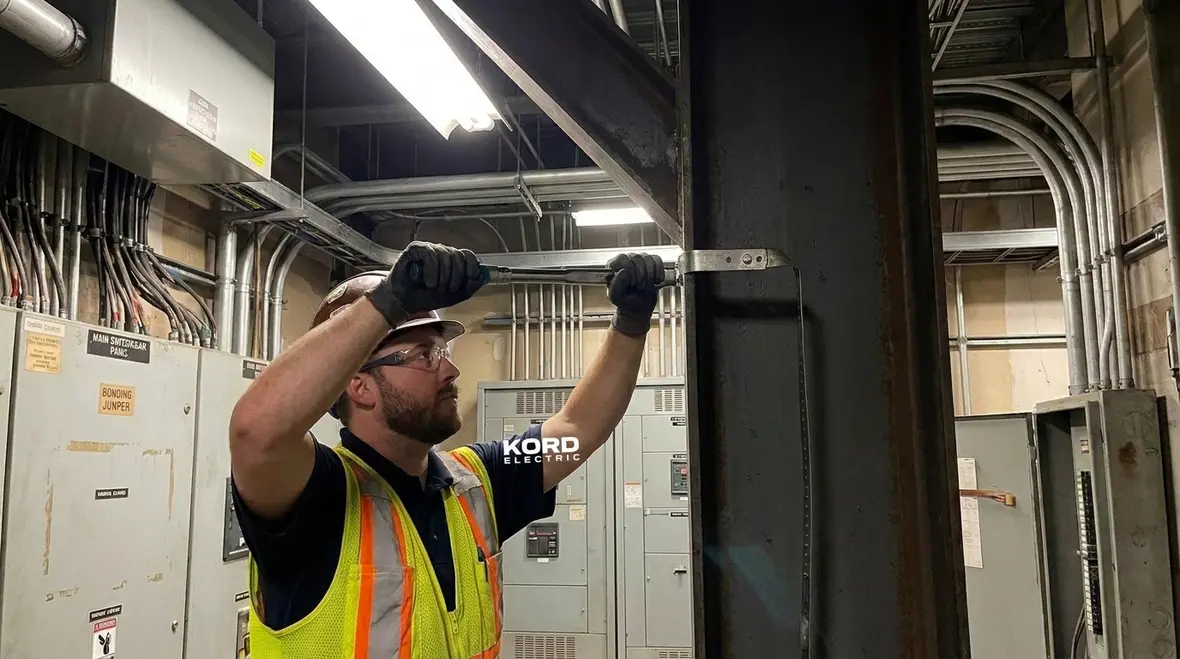
Coordination With Transformers, Switchgear, and Protective Devices
Commercial and industrial power systems involve more than one component, and grounding has to play well with the rest of the lineup. Feeders over 2 kV often connect through transformers and switchgear. Each device depends on the grounding scheme to keep voltages controlled and fault clearing consistent.
So, the design process should coordinate grounding with protective relays, breaker settings, and the expected fault clearing times. If grounding impedance ends up too high, the fault current may not reach levels needed for fast clearing. Then, the fault lasts longer than it should, and the risk grows.
Kord Electric supports this coordination by working through the system chain, from service entrance through distribution. We align grounding design with how switchgear actually clears faults. As a result, you avoid the classic situation where drawings look perfect but the protective devices act like they are surprised by the fault.
We also recognize that projects often reference the larger NEC framework. Our team keeps current on NEC updates and applies the relevant intent from sources like the NEC explanations provided by Kord Electric’s own educational materials, and the industry guidance discussed by Kord Fire resources. When you know the standards context, Section 270.32 becomes easier to apply with confidence.
In some cases, we help facilities compare options such as grounding through transformers, using impedance grounding, or configuring specific feeder arrangements so that fault behavior stays predictable. Every one of those choices has to respect Section 270.32 and still make sense for operations, maintenance, and long-term reliability.
Testing, Documentation, and Maintenance for Ongoing Compliance
Once installed, grounding systems still need attention. Soil conditions change. Corrosion can take its time. Connections can loosen due to vibration or future construction. Therefore, facilities should plan for inspection and testing, especially for major property buildings and high importance sites.
Our expert service staff recommends a routine that supports compliance without disrupting operations. We review what exists, compare it against design intent, and verify that the system still performs correctly over time. Then, we document findings so the facility can act quickly when something drifts out of spec.
Importantly, documentation matters for audits and for future upgrades. When companies expand, add equipment, or modify electrical rooms, the grounding system must integrate cleanly. Kord Electric helps keep those changes consistent with NEC thinking, so the facility does not end up with “patched” grounding that works until it does not.
A good practice is to tie grounding inspections to other preventive maintenance, such as infrared scanning, breaker testing, or major shutdowns. That way, the facility captures meaningful data, keeps NEC documentation fresh, and demonstrates that Section 270.32 compliance is treated as an ongoing responsibility rather than a one-time checkbox during construction.
Common Mistakes in Grounding for Major Facilities and How We Avoid Them
Even skilled teams can run into errors when the project scope grows and deadlines press in. The most common mistakes involve skipping coordination, using unclear bonding details, or treating grounding as a single installation task rather than a system requirement.
Sometimes contractors focus on the visible parts and ignore the path that current will actually take. Other times, they apply a generic approach that fits a small site but not a large one. And yes, we have seen cases where the drawings assumed a connection existed, but the field did not install it. That is like assuming a sprinkler system works because the building has one. It might. Or it might just be there for aesthetic reasons. We do not bet safety on vibes.
Kord Electric reduces these risks with careful field checks, clear bonding plans, and tech led oversight. Our technicians explain decisions during installation so teams understand why each step matters. When people know the reason, the work tends to stay correct.
In addition, we pay close attention to how Section 270.32 interacts with other NEC parts that handle loads, equipment ratings, and branch circuit behavior. When those puzzle pieces align, a facility is less likely to discover hidden grounding problems during an outage, a fault event, or a visit from the authority having jurisdiction.
FAQ: NEC Feeder Building Grounding 2 kV and NFPA 70 Section 270.32
Call Kord Electric for Grounding That Stays Correct
When your facility handles feeders above 2 kV, grounding must stay safe, consistent, and coordinated with the full power system. Kord Electric helps commercial and industrial property teams apply NFPA 70 Section 270.32 with clear explanations and field focused execution. Our technicians and expert service staff guide you through design intent, installation details, and ongoing verification. If you want fewer surprises during inspections and fewer headaches during outages, contact us for a review and next step plan. Safety should feel steady, not stressful.
If your site is in Southern California, you can also connect this grounding review with broader Los Angeles County electrical services support so feeders, panels, and life safety systems all move toward the same code-compliant finish line.
Whether you are planning a new high voltage feeder project or modernizing existing infrastructure, pairing Section 270.32 grounding work with a full NEC strategy gives your facility a stronger foundation. From the first design conversations through final testing, Kord Electric is ready to help you turn code language into real protection for people, equipment, and operations.


