
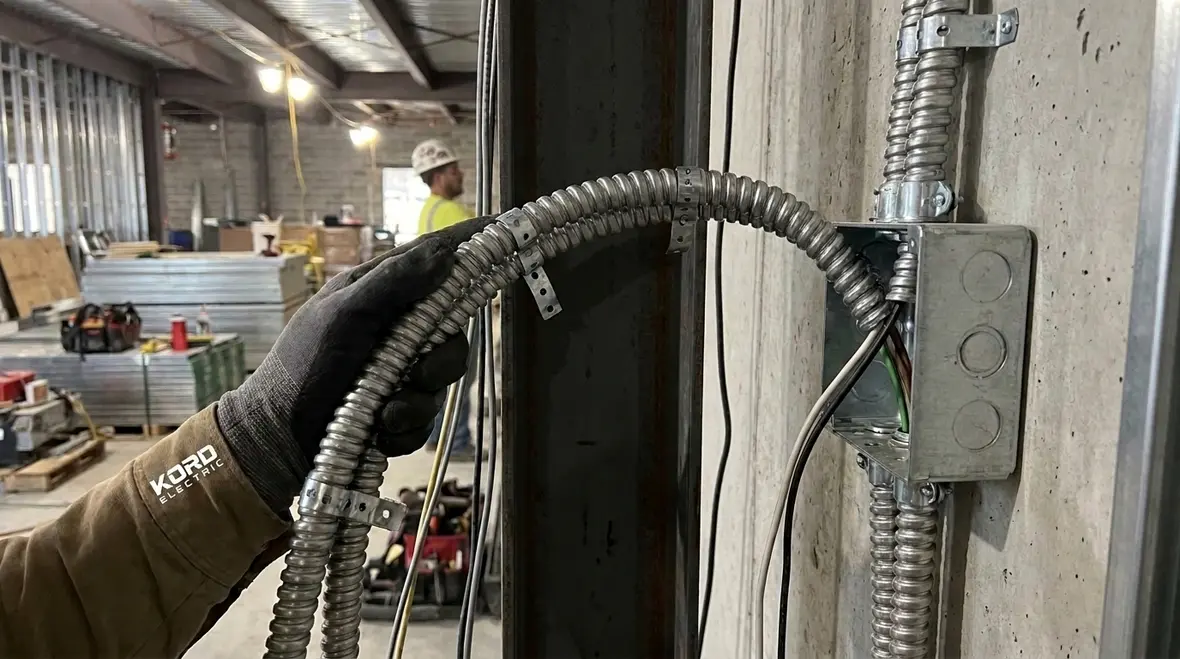
NFPA 70 Section 305.1 NEC Flexible Metal Conduit Rules
NFPA 70 Section 305.1 and the NEC flexible conduit rules, explained for job ready projects
At Kord Electric, we run commercial and industrial electrical work where details matter, because the cost of a missed requirement never stays small for long. That is why we focus early on the NEC flexible metal conduit scope tied to NFPA 70 Section 305.1, which sets the boundary for where flexible metal conduit belongs and what it must do. We often have facility managers ask us if the flexible part is just a convenience, like a swivel chair for wiring. Yet the NEC treats it like a system with rules, not like a hobby project.
In this article, we explain what Section 305.1 covers, how the flexible metal conduit scope affects installation decisions, and how our technicians and expert service staff walk teams through code friendly planning. Then we connect it to practical outcomes for major property buildings, so your electrical infrastructure stays safe, inspectable, and built to last.
What the NEC flexible metal conduit scope covers under 305.1
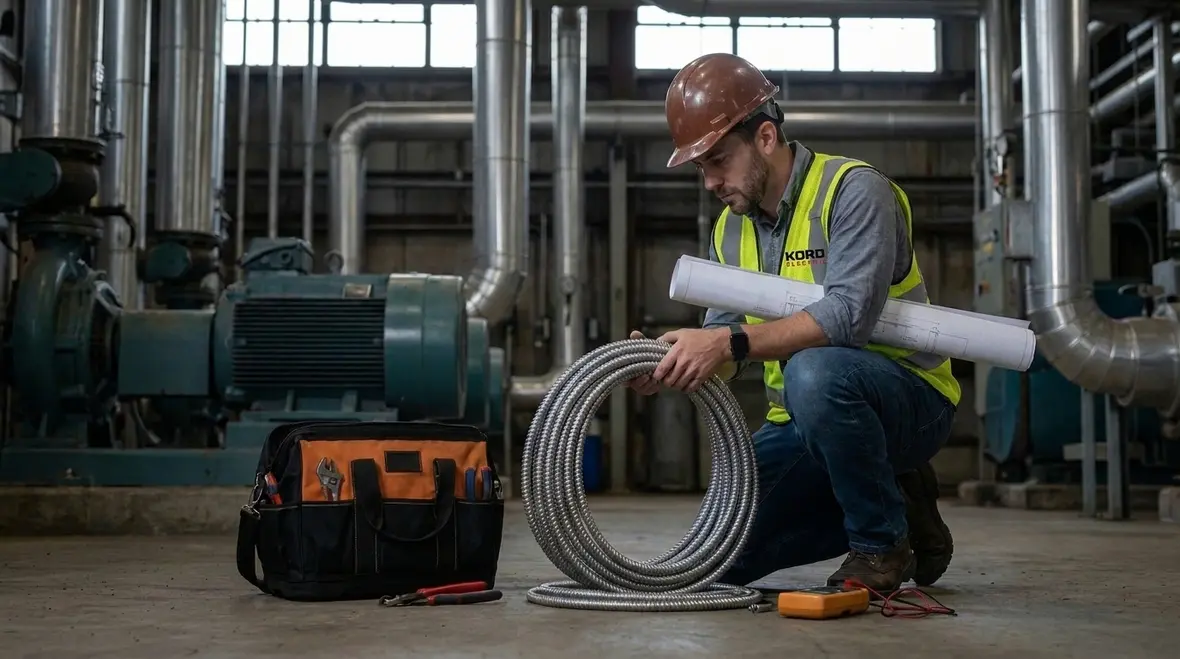
NFPA 70 Section 305.1 provides the scope for flexible metal conduit, and that word matters. In other words, it tells contractors and inspectors the conditions and uses where the flexible form is allowed, rather than letting anyone improvise on site. Typically, we see electricians use flexible metal conduit in locations where wiring needs some controlled movement, vibration resistance, or the ability to route around obstacles. However, that flexibility does not remove the responsibility to meet the code’s intent.
As our technicians explain during pre installation reviews, Section 305.1 sets the stage for later details. Therefore, if someone skips the scope and starts installing wherever it “fits,” they often invite inspection delays. And nobody wants that, especially when the loading dock has a line of trucks waiting like a Netflix queue that will not stop buffering.
Additionally, Section 305.1 ties directly into how the conduit supports wiring protection. Even though flexible metal conduit has benefits, it still has to perform as an electrical raceway. So, we treat the NEC flexible metal conduit scope as the first gate before we talk fittings, grounding, and final labeling requirements.
Why flexible metal conduit use depends on movement and protection needs
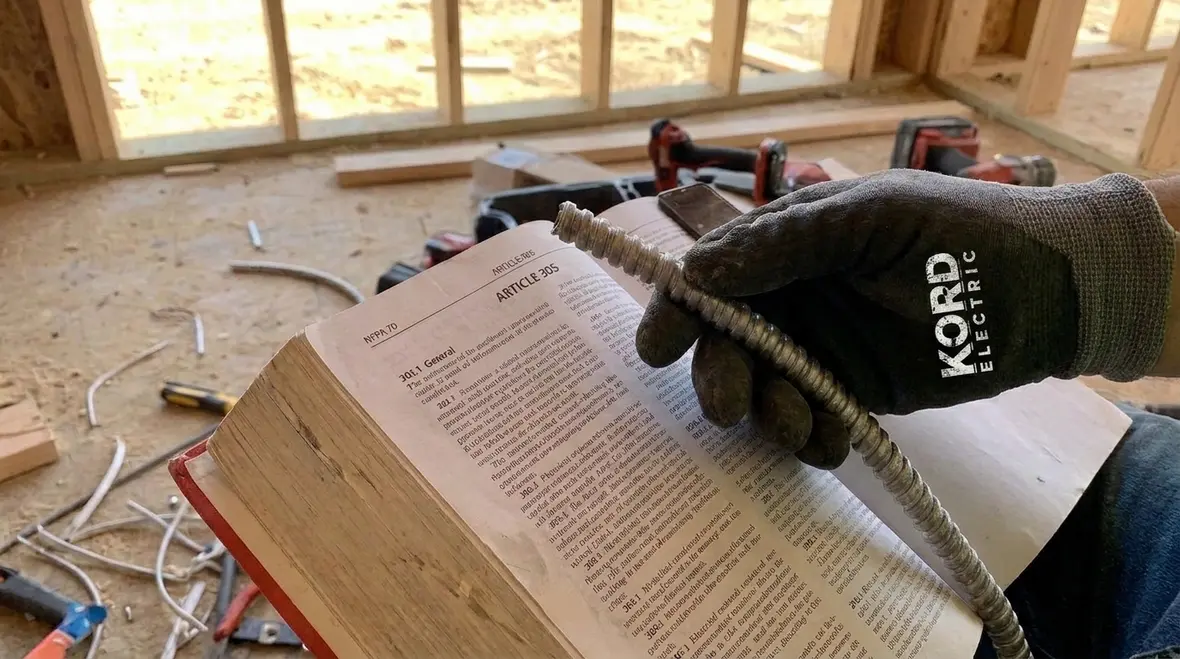
When we help commercial teams, we do not frame flexible metal conduit as a “better conduit.” Instead, we treat it as a tool for specific conditions. For example, some building environments produce motion, such as equipment connections that experience vibration, or cable runs that must accommodate shifts due to structure or mounting. In those cases, rigid conduit can become a headache, while flexible metal conduit helps maintain a durable path for conductors.
Still, we remind others that flexibility has limits. If a system needs straight, rigid routing with no change in alignment, the flexible approach can become unnecessary risk. Yet when the routing path requires controlled flexibility, the flexible metal raceway can help prevent damage from strain and stress. That is where the NEC flexible metal conduit scope becomes more than theory, because it influences how crews plan the route and select the right components.
Our expert service staff also points out an important practical truth. Even if the conduit is flexible, poor installation habits can turn that benefit into a drawback. For instance, over bending, sloppy support spacing, or mismatched fittings can create weak points. Therefore, we train our teams to treat the entire assembly as one system, not as a pile of parts.
How inspectors judge 305.1 compliant installations on major property buildings
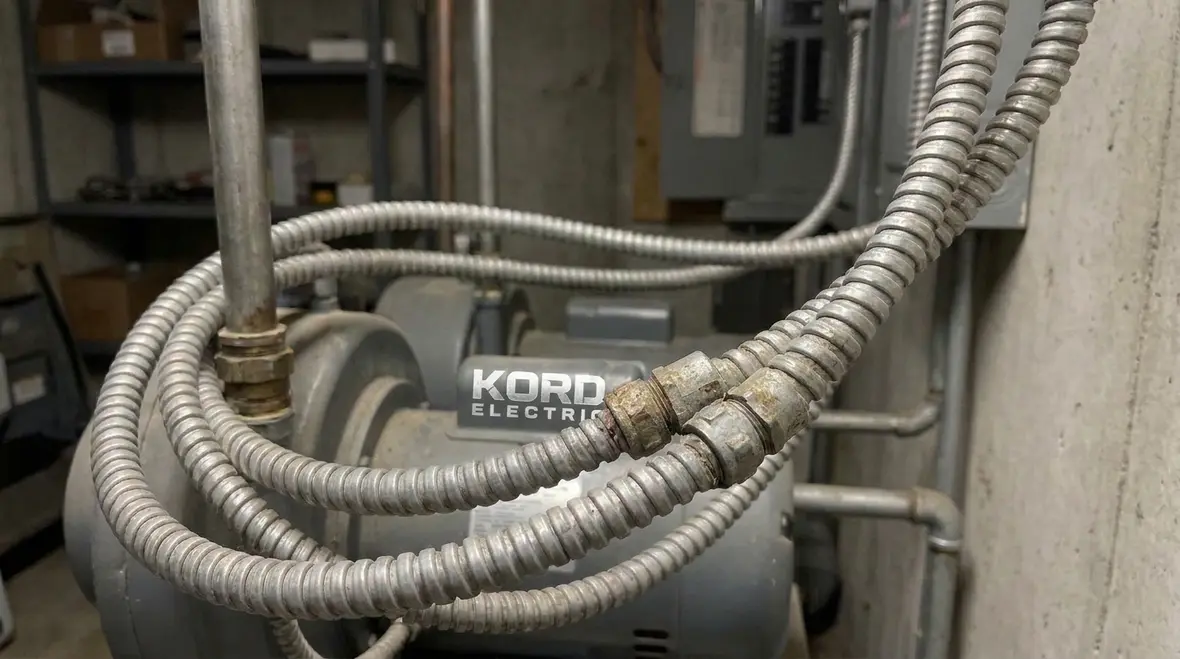
In large facilities, inspections are rarely quick, and inspectors look for consistency. Consequently, a Section 305.1 compliant setup usually shows clear compliance behaviors across the job. That means the conduit routing aligns with the intended use, it includes proper support, it uses correct fittings, and it follows the conduit to wiring requirements that apply to the conductors being run.
We often advise clients to expect questions around how the conduit was chosen and where it was used. When our technicians explain the reason for the selected approach, the inspection process tends to move faster. And honestly, when the explanation sounds calm and code based, inspectors tend to trust it. People remember the difference between “we guessed” and “we followed the scope.”
Also, major property buildings bring added variables like tenant build outs, equipment changes, and phased construction. So we plan the flexible metal conduit scope early, then we document decisions. This reduces surprises when a facility manager later changes a piece of equipment and expects the conduit system to handle it without turning the whole area into an emergency repair.
Planning steps our crews use before installing flexible metal conduit
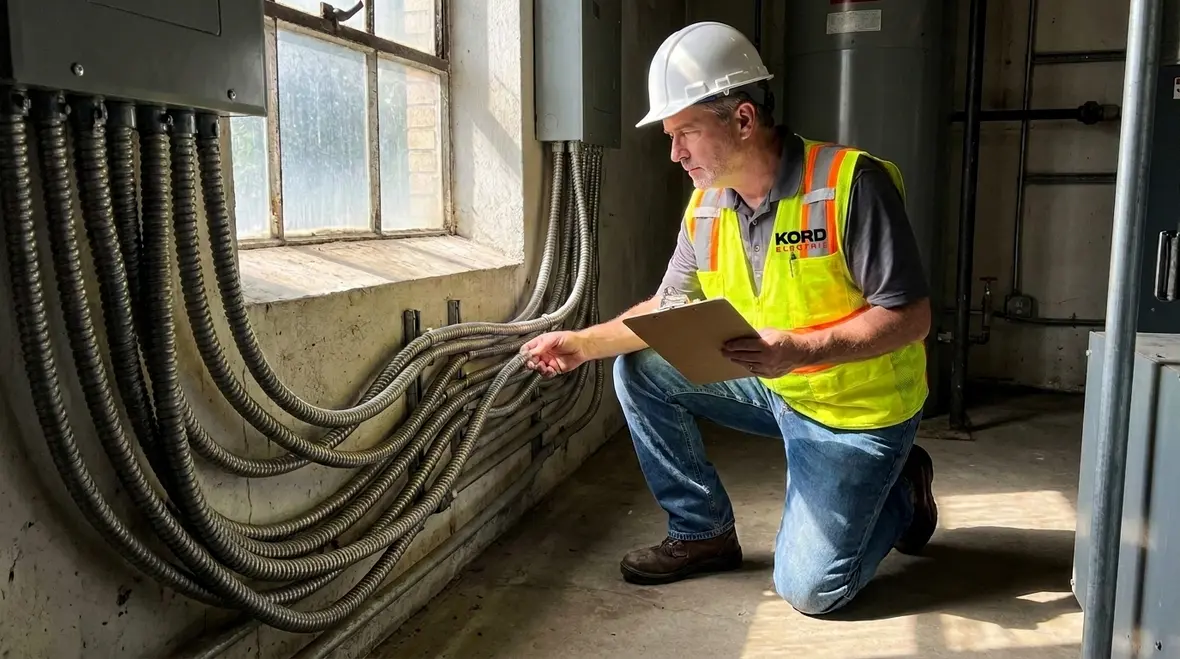
We follow a process that keeps projects predictable. First, we confirm the application and the routing needs. Then we align conduit selection with the NEC flexible metal conduit scope and the real conditions in the field. After that, we verify supports and fittings, and we review grounding paths when they apply. Finally, we coordinate with general contractors so conduit installation does not conflict with structural elements or equipment placement.
To make this real, our technicians use a simple workflow that reduces rework. They identify the start and end points, check for obstacles, and map how the raceway will stay protected as it moves around the site. Next, they verify that the flexible metal conduit run will not experience strain beyond what the installation can handle. Then they choose the right fittings and make sure the connections stay solid. If the job needs coordination around fire pump areas, switchgear clearances, or other life safety equipment, we make those coordination calls early as well.
And if you are wondering whether this level of planning really matters, consider how often teams discover conduit issues after the ceiling is up. That is the electrical equivalent of buying a new couch and realizing the doorway is suddenly too small. We work to stop that moment before it happens.
Common mistakes we help commercial teams avoid
Most failures do not come from bad intentions. They come from rushed decisions. Therefore, we address the mistakes we see most often in commercial and industrial sites.
One, using flexible metal conduit where it is not required. When the routing does not need controlled movement, rigid raceways may suit better. If the team chooses flexible metal conduit anyway, they can create unnecessary complexity.
Two, ignoring the full conduit system. Some crews treat conduit, fittings, and support as separate tasks. However, inspectors judge the assembly as a whole. If fittings do not match, or supports do not follow the required behavior, the installation can fail even if the conduit itself looks correct.
Three, weak connection habits. We see improper terminations and rushed couplings. Even when the conduit run matches the plan, connection quality determines long term performance.
Four, skipping documentation. On phased construction, conduit routes get revisited. If the as built record does not clearly show where the conduit was used and why, changes later become slow, costly, and political. Nobody wants that drama, even if the building has the best lobby art money can buy.
Our expert service staff helps teams prevent these issues by reviewing designs early, then supporting field execution. We keep the process calm, methodical, and focused on passing inspection on the first visit.
How other code resources connect to Section 305.1
Electrical code compliance is not a single checkbox. So, while Section 305.1 sets the scope for flexible metal conduit, other NEC sections and related guidance shape the full picture. At Kord Electric, we also draw on the broader NEC explanations used in our code focused materials, including Understanding NFPA 70: The National Electrical Code Explained for 2026, and we coordinate our approach with the kinds of practical guidance teams rely on when they manage complex facilities.
In addition, we pay attention to the fire and life safety context around electrical raceways. When projects interface with systems that support building safety, teams often look for clarity on how electrical installation choices affect reliability and inspection outcomes. We stay aligned with fire related compliance concepts by following guidance from fire code communities and electrical safety organizations, including resources that explain NEC fundamentals for real world application.
And yes, people sometimes think code reading is like trying to understand an ancient scroll. Yet it is usually simpler when a technician walks you through it step by step. That is exactly how we work, because we would rather explain clearly now than troubleshoot later in the dark.
As your facility evolves, pairing section level discussions like NFPA 70 Section 305.1 with application guides and scope explainers keeps everything grounded. Articles such as our 2026 NEC application requirements guide, our wiring on buildings code breakdowns, and companion work space and equipment access explainers help connect the dots so flexible metal raceways never get treated as an afterthought.
Frequently asked questions about NFPA 70 305.1 and flexible metal conduit
Final thoughts and next step with Kord Electric
When you manage commercial and industrial facilities, compliance should feel steady, not like a last minute scramble. NFPA 70 Section 305.1 matters because it frames the NEC flexible metal conduit scope and guides how we plan protected raceway systems. At Kord Electric, our technicians and expert service staff explain the “why,” then help your project build it correctly. If you want a code aligned review for your facility or major property build, contact us today and let us support your next installation with clarity and confidence.
For facilities across the region, especially those coordinating multi site or large campus work, we recommend pairing Section 305.1 reviews with broader NEC education so flexible raceways always fit the bigger picture. Our team connects scope discussions with resources like our National Electrical Code explainers and related code commentaries published by our colleagues, including Kord Fire. When your project needs full commercial electrical support, our Los Angeles County electrical services offering provides hands-on planning, installation, and inspection coordination so the conduit systems you install today still make sense when the next phase of work starts.


