
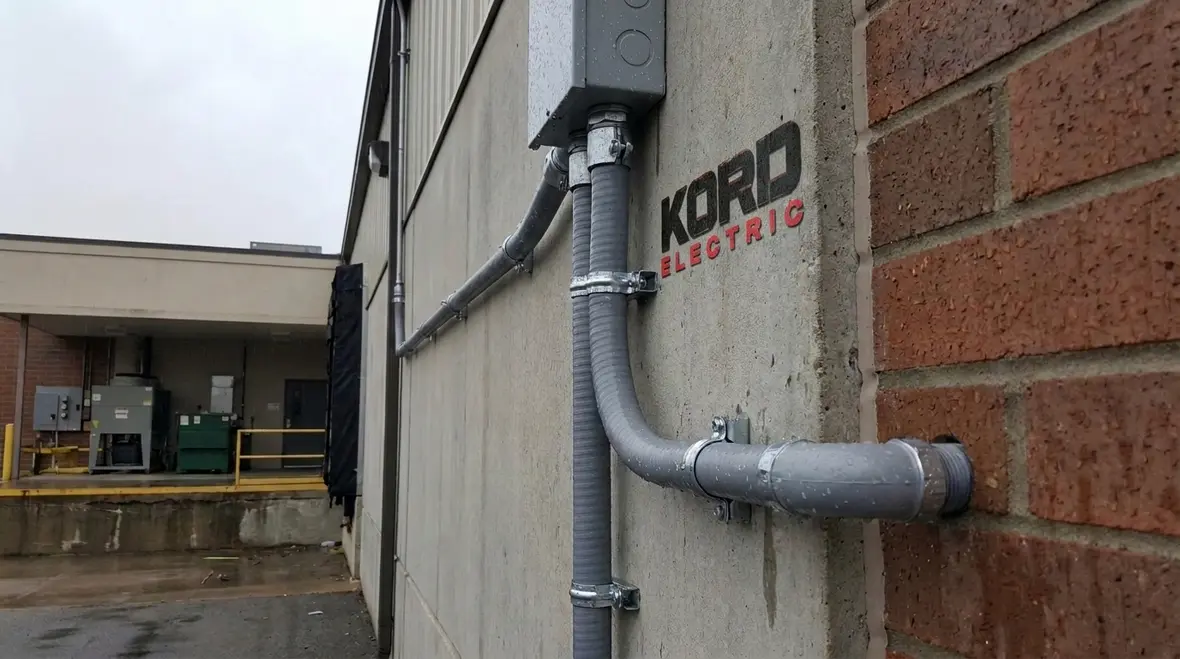
NFPA 70 Section 305.19 and NEC FMC Wet Locations Grade
NFPA 70 Section 305.19 and NEC FMC wet locations grade in plain English
When a site has outdoor runs and moisture in the air, we do not guess. We follow NEC rules and the intent behind them. In the first step, our team checks how cables and raceways travel, especially for wet location flexible conduit above grade requirements. That is where NFPA 70 Section 305.19 matters, and where the right choice of materials supports safe, long life installs. For facilities, we also pay attention to the NEC FMC wet locations grade and related approvals so systems keep working through rain, humidity, and time.
We get it, electrical code reading can feel like watching paint dry. However, we promise it is less painful than it sounds, because our technicians explain the “why” behind the rule, not just the “what.” And yes, sometimes we joke that the code is the building’s way of saying “measure twice,” except the tape measure is the National Electrical Code.
Where Section 305.19 applies for above grade runs
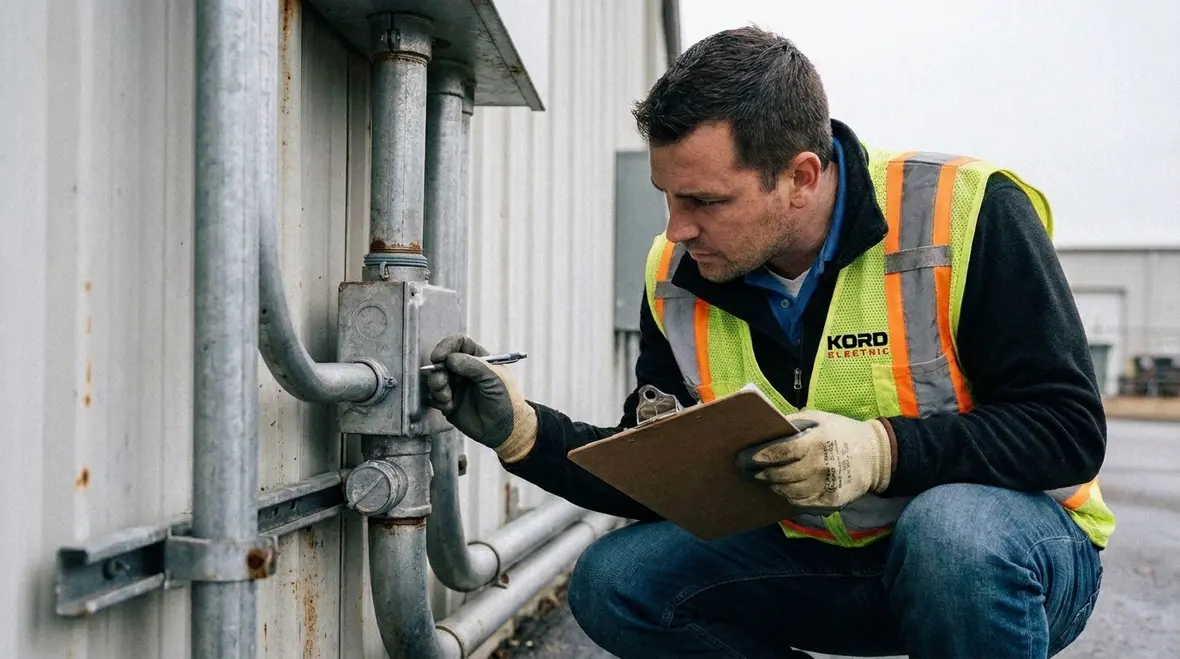
Section 305.19 does not exist to impress anyone at a meeting. It exists because flexible conduit behaves differently when it stays outdoors. Above grade routing puts the conduit at the mercy of weather, temperature swings, vibration, and physical contact. Therefore, we treat these sections like a system, not a tube with wires inside.
In practice, we focus on the following conditions that commonly show up in commercial and industrial facilities and major property buildings.
- Wet location exposure where water or moisture can contact the conduit
- Above grade routing that gets rain splash, condensation, and weather-driven wetting
- Flexible conduit use where installers need movement or routing flexibility, but still must meet code intent
- Protection needs if the run could take hits from carts, maintenance equipment, or accidental contact
Next, we confirm the raceway type and the method of securing it. Then, we check terminations and connectors because a conduit that meets the requirement on paper can fail in the field if the ends are handled loosely. Our expert service staff handles these details routinely, and they also document the decisions so the facility team can trust the record.
Wet location flexible conduit above grade guide: materials and method choices
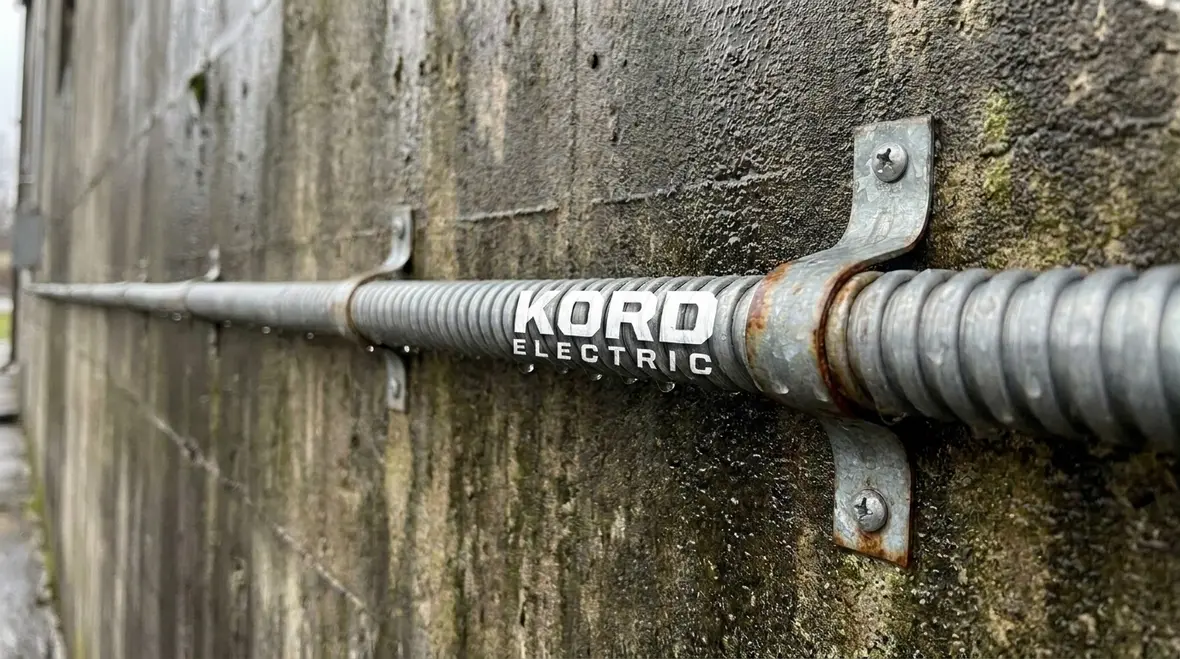
Now we get into the practical “how” that actually keeps systems reliable. For wet location flexible conduit above grade runs, the NEC intent centers on using conduit and fittings that stay suitable in moisture and outdoor conditions, and installing them in a way that maintains that suitability over time.
We recommend thinking in three layers.
- Conduit suitability First, we select flexible conduit that qualifies for the conditions. When the run stays exposed to wetting, we do not treat ordinary materials like they are built for ocean weather.
- Fittings and connectors Next, we confirm the connector type, the sealing method when required, and the compatibility with the conduit. In the field, mismatched parts behave like mismatched shoes. You can wear them, but you will pay for it later.
- Installation approach Finally, we secure and support the run as needed, maintain proper routing, and avoid stress at bends and terminations.
Because we serve commercial and industrial facilities, we coordinate with facility schedules. After all, we cannot shut down an entire wing just to “do it again.” So we verify everything upfront, then we install with care and test for workmanship. Our technicians take the time to show the facility team what changed and why, rather than dropping a box of parts and walking away.
How FMC wet locations grade supports long term outdoor performance
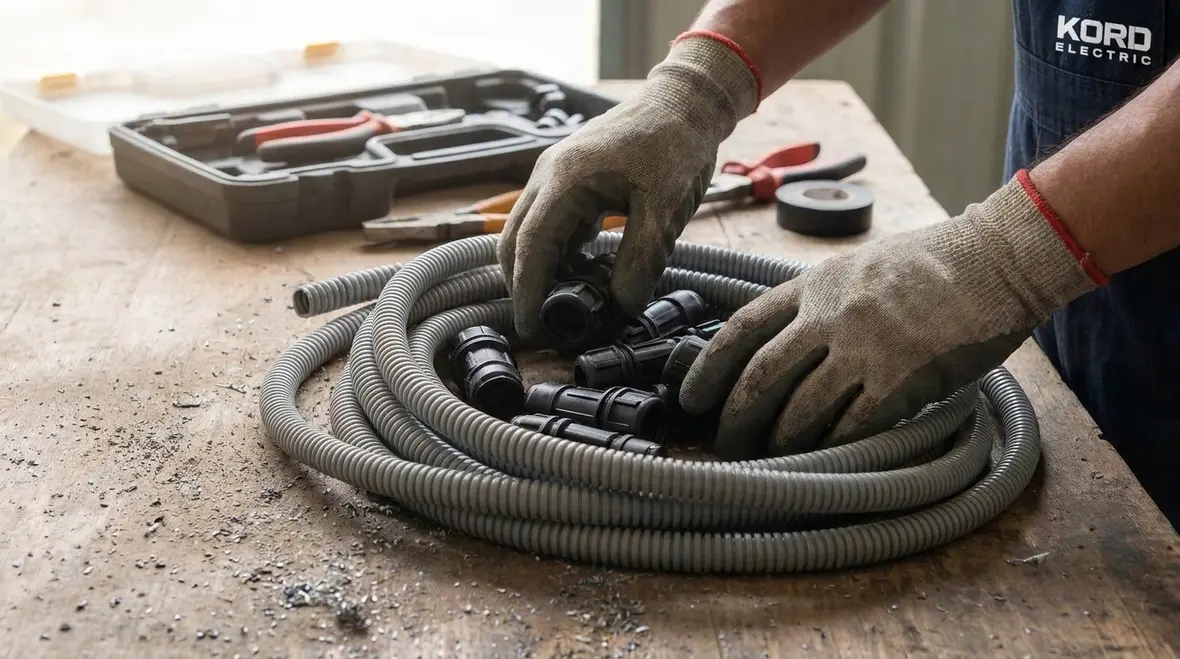
Some teams hear “flexible conduit” and stop there. However, above grade outdoor work often calls for material choices that resist corrosion and keep connections stable. That is where NEC FMC wet locations grade becomes relevant to many projects, especially where facilities need dependable mechanical protection and consistent performance.
When we use FMC that qualifies for wet locations, we aim to reduce common failure paths. For example, moisture intrusion at fittings can accelerate corrosion. Then, mechanical wear can worsen the issue. Meanwhile, temperature cycling can loosen components if the installation does not hold firm. Therefore, selecting the right grade supports the overall system, not just one part.
We also align the conduit choice with the environment around it. A loading dock has different exposure than a sheltered equipment area. Consequently, we treat routing and mounting as part of the compliance plan.
To keep the conversation calm and clear, our expert staff explains these steps in plain terms for the facility manager. They help others understand that code compliance is not just about passing an inspection. It is about preventing downtime, safety issues, and repeat labor. Nobody likes the electrical version of a never ending sitcom where the same problem returns next season.
Inspection readiness: supports, bends, and connection discipline
Even when the materials are correct, workmanship decides whether the system holds up. Inspectors look for more than compliance stickers. They look for proper installation practices that protect the wiring system and maintain suitability.
For above grade wet location work, we pay close attention to the following.
- Support and spacing We secure the conduit so it does not sag, rub, or stress fittings.
- Bend quality We avoid kinks and sharp, stressed transitions that can affect cable movement and long term performance.
- Termination integrity We verify connectors, box entries, and sealing where needed.
- Routing discipline We keep the run neat and purposeful so maintenance teams can service it without guessing or improvising.
Then we document. We include photos of key stages and notes that show how we addressed wet exposure and outdoor conditions. As a result, the facility team can prepare for inspections with less stress and fewer surprises.
Our technicians also communicate what they changed on site. If a route needed adjustment because of obstacles, we explain the decision before final installation. That keeps the project moving, and it keeps everyone aligned, which matters in commercial and industrial settings where time costs real money.
Common mistakes we see on commercial builds and how we prevent them
We often see small installation issues that create big problems later. Nobody sets out to build a system that will fail. Yet moisture, wind, and mechanical contact punish shortcuts quickly.
Here are mistakes that show up in the field and the way we prevent them.
- Using flexible conduit for wet conditions without verifying suitability We confirm the conduit rating for the environment before we install.
- Skipping connector checks We match fittings and ensure terminations handle wet exposure and stay sealed where the rule requires.
- Overstressing bends We plan routing so installers do not force the conduit into place like it is trying out for a role it cannot fit.
- Inconsistent support We use proper support so the run does not move with vibration and thermal cycles.
- Ignoring the surrounding site environment We consider splash zones, drip paths, and areas where equipment could hit the conduit.
Because Kord Electric focuses on commercial and industrial facilities and major property buildings, our process stays steady. We coordinate with other trades, and we build compliance into scheduling. Also, we do not treat code rules like optional suggestions. We treat them like safety guardrails, the kind that keep people safe and keep equipment running.
FAQ: NEC FMC and NFPA 70 Section 305.19 basics
Get code aligned, weather ready, and inspection prepared with Kord Electric
If your facility has above grade outdoor runs, we help you build a compliant plan for wet location flexible conduit and related raceway choices. Our technicians and expert service staff explain the decisions in plain language, then we install with discipline and documentation. We focus on commercial and industrial facilities and major property buildings, so your schedule stays protected and your system stays reliable.
For multi-building campuses, loading docks, rooftop equipment, or long exterior runs between structures, our team can review existing installations and new designs. We check whether the chosen raceways and fittings match NEC FMC wet locations grade expectations, verify that support spacing and routing respect NFPA 70 Section 305.19, and help you avoid the headaches that come from last-minute changes during inspection.
If your operations sit anywhere in Los Angeles County or the broader Southern California region, our licensed commercial and industrial electricians bring that same careful approach to every project, from concept to energization. For broader electrical system upgrades, repairs, and preventive work, you can also explore our Los Angeles County electrical services to align wet location raceway choices with panel capacity, protection devices, and long term maintenance plans.
Contact Kord Electric to review your specific conditions and get an inspection ready approach that lasts. Whether you are planning a new build, an exterior equipment upgrade, or correcting inherited issues from older work, we help you turn NEC text into clean, dependable installations that stand up to weather, use, and time.
Sources and related code context
For facility leaders and project teams who want more background on NFPA 70 and the National Electrical Code, the following resources provide helpful context and deeper dives into related topics:
- Kord Electric Blog: Understanding NFPA 70, the National Electrical Code Explained for 2026
- Kord Electric Blog: NFPA 70 and NEC-focused articles for commercial and industrial facilities
- Kord Fire: NFPA 70 and NEC overview
- Kord Fire Australia: Fire and electrical safety resources
- Fire Pumps: Fire pump systems and related safety insights
These references, combined with Kord Electric’s own project experience, help turn NEC FMC wet locations grade requirements and NFPA 70 Section 305.19 intent into practical, buildable decisions for major property buildings, industrial facilities, and complex commercial sites.
When you are ready to turn code language into a clear plan for your facility, our team is here to help you make sense of the details and keep your outdoor flexible conduit systems safe, reliable, and inspection ready.


