
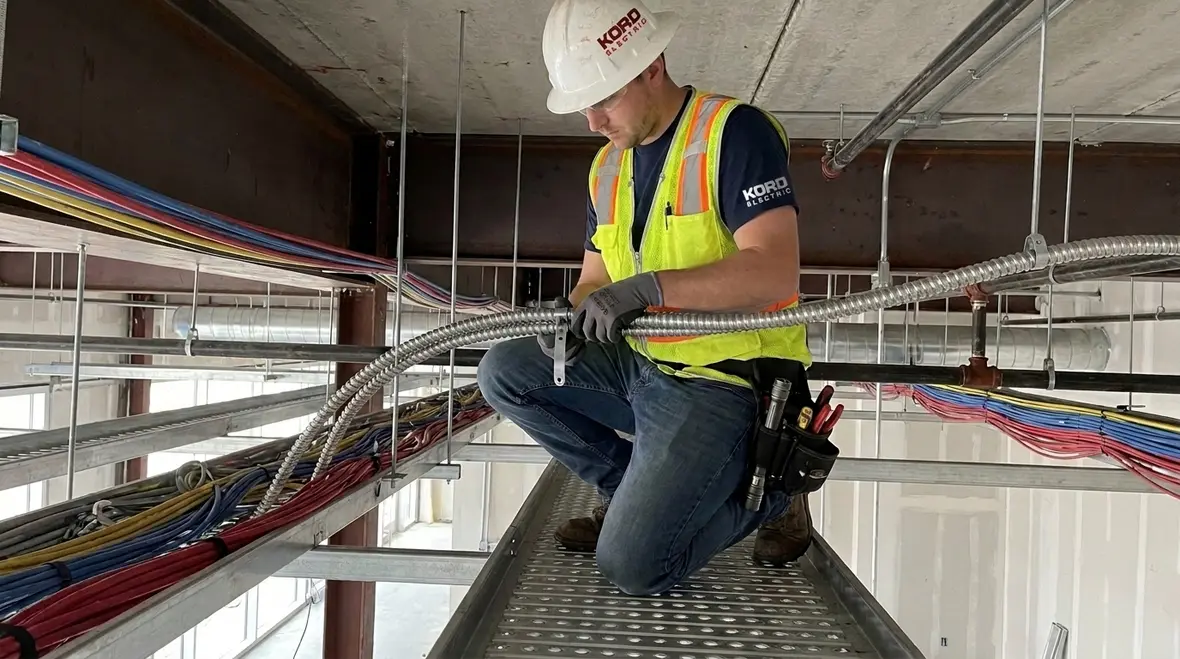
NEC 305.18 FMC Other Systems Rules for Compliance
Kord Electric steps into real-world jobs with real-world rules, especially when NFPA 70 Section 305.18 — FMC With Other Systems: NEC Rules shows up on the inspection checklist. This section matters because it tells us how flexible metal conduit can run and connect with other building systems without causing safety issues, code conflicts, or costly rework. In other words, we do not guess, and we do not “vibe” our way through conduit. Our technicians and expert service staff explain what the code says in plain terms, then we build the plan so your facility stays compliant.
NEC 305.18 in plain language for facility owners
When a commercial or industrial facility needs flexible metal conduit, NEC 305.18 becomes the compass. It tells us how FMC should be handled when it crosses, routes near, or connects to other systems in the same space. And because inspectors do not accept “close enough,” we treat these rules as non negotiable.
Specifically, this section focuses on the idea that electrical wiring does not live in a vacuum. Other systems like signaling, fire alarm wiring, communications, and control circuits may share building areas. Therefore, we plan separation, routing, and termination practices so the electrical installation does not create interference, damage, or shock hazards.
Our team works with facility managers, project leads, and electrical contractors to map the path. Then we document it, so the record makes sense during commissioning and inspections. Yes, we know paperwork is not the most thrilling part of the job. Still, it beats being the person in the meeting who says, “We thought it would be fine.”
Where FMC meets other systems inside commercial spaces
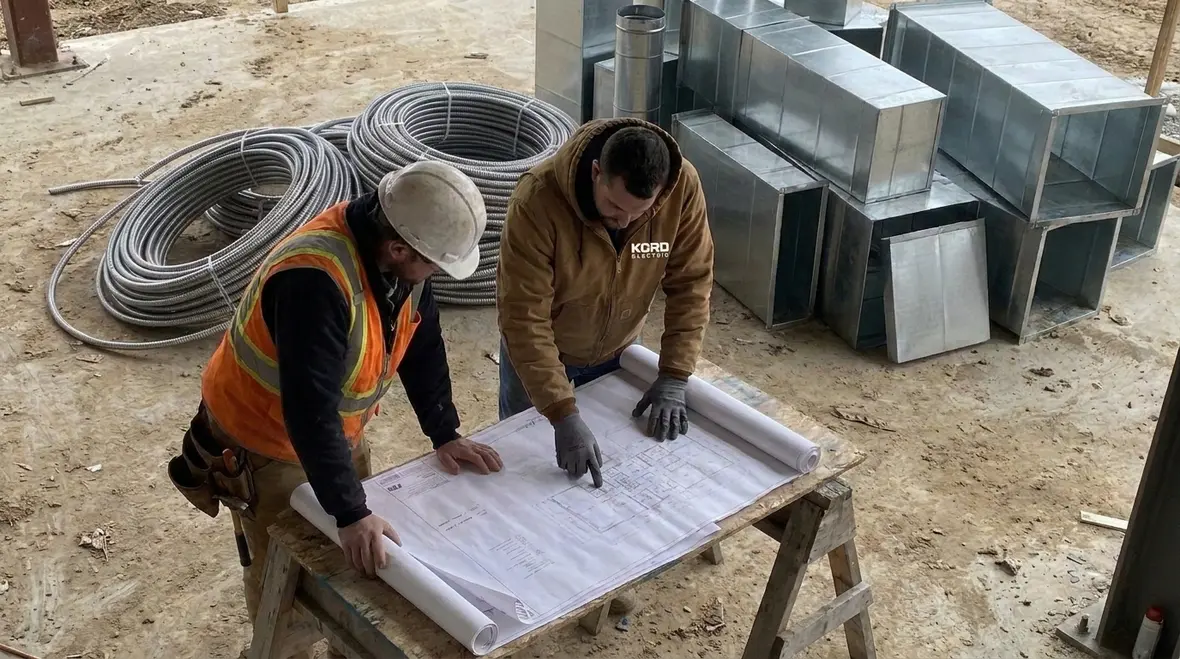
In major property buildings, the same ceiling space often hosts multiple trades. That is normal, but it also creates risk when runs are crowded or poorly coordinated. So, we plan the FMC with the other systems in mind from day one.
Our technicians follow a sequence that keeps things calm and controlled. First, we identify the room and pathway congestion points. Next, we review what else runs in those areas. Then we decide the safest route and support method that respects the NEC FMC other systems rules, including how conduit transitions, bends, and terminations interact with adjacent system wiring.
As we work, we also keep an eye on heat, moisture, and physical protection. FMC can do its job well, but it still needs correct installation practices. For example, sloppy anchoring can allow movement, and movement can loosen terminations over time. Over time, that turns into the electrical equivalent of a pop quiz you did not study for.
For clients who want deeper context, our team references guidance from the resources we trust, including our own Kord Electric and Kord Fire code explainers, such as Understanding NFPA 70, the National Electrical Code Explained for 2026 and Kord Fire’s article NFPA 70: All About The National Electrical Code (NEC) 2026. We do not just quote sections. We explain what they mean at the ladder.
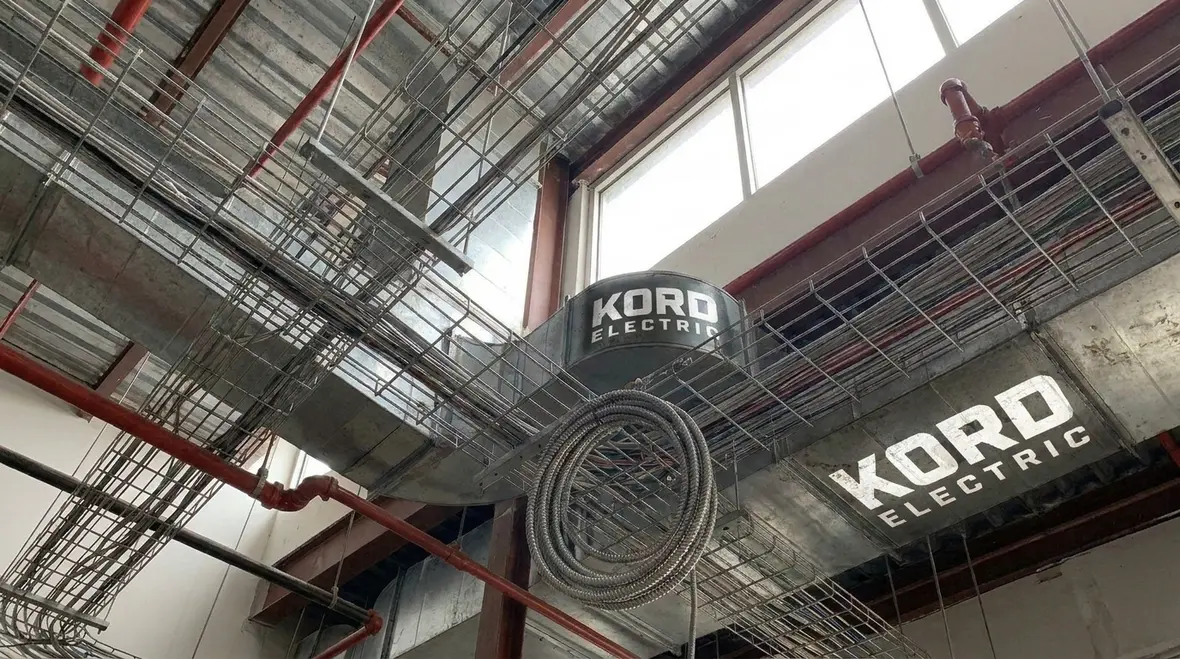
Common installation mistakes that trigger inspection problems
Even skilled crews can make mistakes when schedules get tight. However, we see repeating patterns across commercial and industrial sites. These patterns often show up in the same places: near penetrations, at floor transitions, and around equipment rooms.
Here are issues that can lead to failed or delayed inspections:
- Unplanned routing that ignores how other systems occupy the same space, leading to conflict during future work.
- Poor conduit support that allows vibration or sag, which can stress terminations and create gaps.
- Inconsistent bonding practices where FMC transitions into boxes or equipment, which can weaken fault current paths.
- Loose or unclear termination practices, especially where conduit interfaces with enclosures used for other system components.
- Field changes made without re checking separation and routing, because someone needed to “make it fit.”
That last one always lands with a little comedy. Somebody changes a run, it seems small, and then everyone acts surprised when the inspector asks a question that was always part of the original design. We would rather prevent that moment than explain it after the fact.
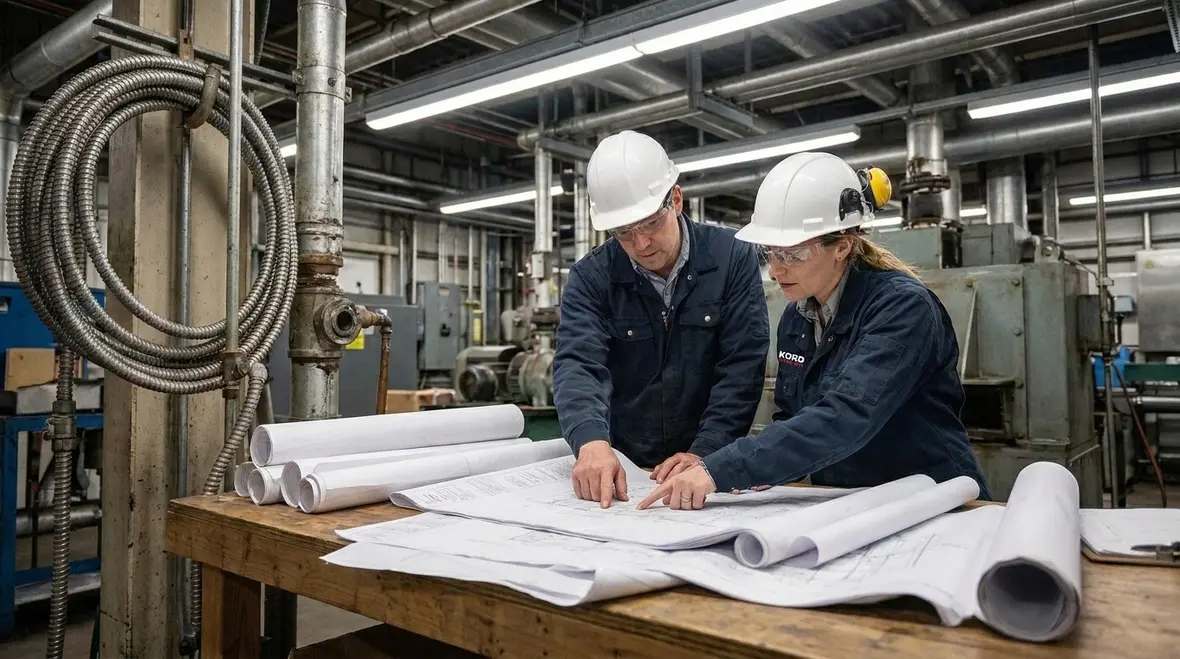
How Kord Electric coordinates FMC pathways with other trades
Kord Electric works for commercial and industrial facilities, and we build our coordination the same way we build our conduits: methodically. We coordinate with other trades so the electrical plan and the building reality match.
Our expert service staff typically starts with a review of drawings, then confirms the site conditions. After that, we define routing rules for FMC where it travels near other system runs. This includes how we handle bends, how we protect the conduit where it faces impact, and how we keep termination points accessible for testing and maintenance.
Then we bring in our technicians to verify the work step by step. They do not just measure. They explain. When an inspector asks why something is routed that way, our staff can point to the code logic and the practical site reason. It keeps the conversation professional, and it keeps the project moving.
We also consider how systems evolve. A facility today might add equipment next year, and next year might bring retrofits that alter pathways. When we follow the NEC FMC other systems rules carefully, we create room for growth without creating safety risks.
Design checks we use before work starts
Before we install anything, we do checks that help avoid rework. In major buildings, we cannot afford to tear open ceilings because a route decision failed a basic requirement.
Our team uses a clear pre install checklist:
- Pathway mapping to confirm FMC routes do not create conflicts with other system cable trays or equipment locations.
- Transition planning for where FMC enters enclosures, boxes, and equipment, so terminations stay firm and correct.
- Separation review where other systems run nearby, so the installation supports safe performance.
- Protection assessment for areas exposed to physical damage or moisture exposure.
- Documentation so commissioning and inspections can proceed with fewer questions.
As a result, the installation proceeds with fewer delays. And while we cannot stop every schedule storm, we can control the part we own. That includes how the conduit path behaves when it meets real construction, not just drawings.
For fire pump and life safety related environments, we also align with the broader code world many facilities reference, including organizations like firepumps.org and related resources from Kord Fire Australia, because safety systems depend on clean, coordinated electrical infrastructure.
Service and documentation for long term compliance
After installation, we do not disappear like a sitcom character after the plot twist. Kord Electric supports commercial and industrial clients with service and documentation that help keep installations stable over time.
Our technicians and expert service staff explain what they tested and what they verified. Moreover, we help clients understand how to maintain conduit integrity, how to recognize early warning signs, and how to plan for future work without damaging existing runs.
We also advise clients to treat code compliance like a living thing. Standards evolve, and field conditions change. Therefore, we keep our approach aligned with current NEC understanding, including the kind of updates and explanations provided in our code education pages, such as our NEC overview articles on the Kord Electric blog and related guidance from Kord Fire.
And yes, if you ever hear someone say, “We will deal with it later,” our staff replies with a calm tone and a firm plan. Later is where problems collect like dust. Earlier is where they do not get a chance.
FAQ
Request an expert review for your facility
If your facility team needs confidence before installation or during an audit, Kord Electric can help. Our technicians and expert service staff review routing, transitions, support, bonding, and documentation in a way that fits commercial and industrial building realities. Then we explain what we find, so your stakeholders understand the why, not just the what.
For facilities in Southern California, you can also explore our broader Los Angeles County electrical services to see how NEC-focused planning, installation, and maintenance support your entire electrical system, not just the FMC runs.
Reach out to Kord Electric to schedule a focused code and coordination review. Let’s keep your project moving, and let’s keep the inspection surprises on vacation.
When you are ready to align NEC 305.18, NEC FMC other systems rules, and your real-world operations, our team is prepared to step in with practical guidance, trade coordination, and long term support so your electrical system can grow without losing compliance.


