
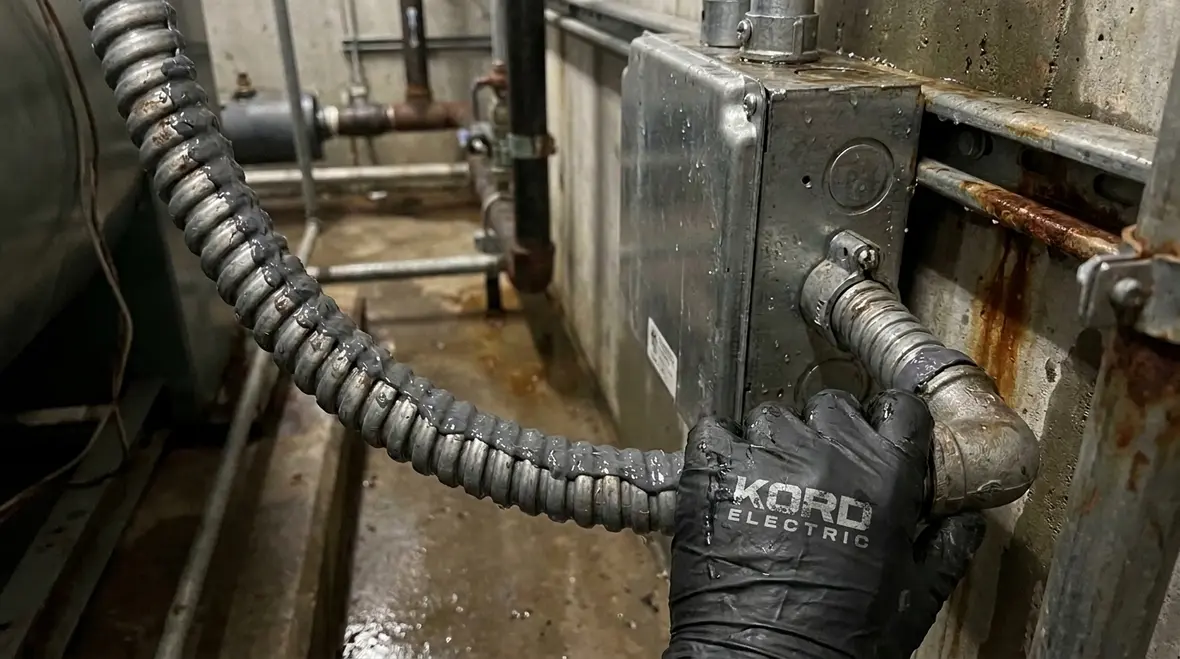
NEC FMC Corrosion Protection for Flexible Metal Conduit
Kord Electric helps commercial and industrial facilities get NEC compliant with NEC FMC corrosion protection when they install and maintain raceways. In particular, NFPA 70 Section 305.16 focuses on how we protect flexible metal conduit when moisture and corrosive conditions show up. And yes, the job is technical, but our process stays clear. We send out our technicians and expert service staff to explain what the code means in real terms, then we help others build safer, longer lasting systems. Think of it like keeping your equipment dry, even when the weather and the environment act like they have a grudge.
Where NFPA 70 Section 305.16 fits in commercial electrical work
When Kord Electric works with major property buildings, we see how quickly corrosion issues can escalate. Therefore, we plan for the environment before we pull a single conductor. NFPA 70 Section 305.16 sets rules that connect installation choices to long term performance, especially for flexible metal conduit in places where water, chemicals, and humidity can wear down materials.
Next, we explain to our clients that this is not a “nice to have” detail. It is part of the code intent: protect the electrical system from conditions that can reduce strength, continuity, and safety. And while a lot of people treat conduit like background scenery, corrosion does not. It attacks slowly at first, then all at once when failures start. We would rather prevent that than chase it.
What NEC FMC corrosion protection actually means on the job
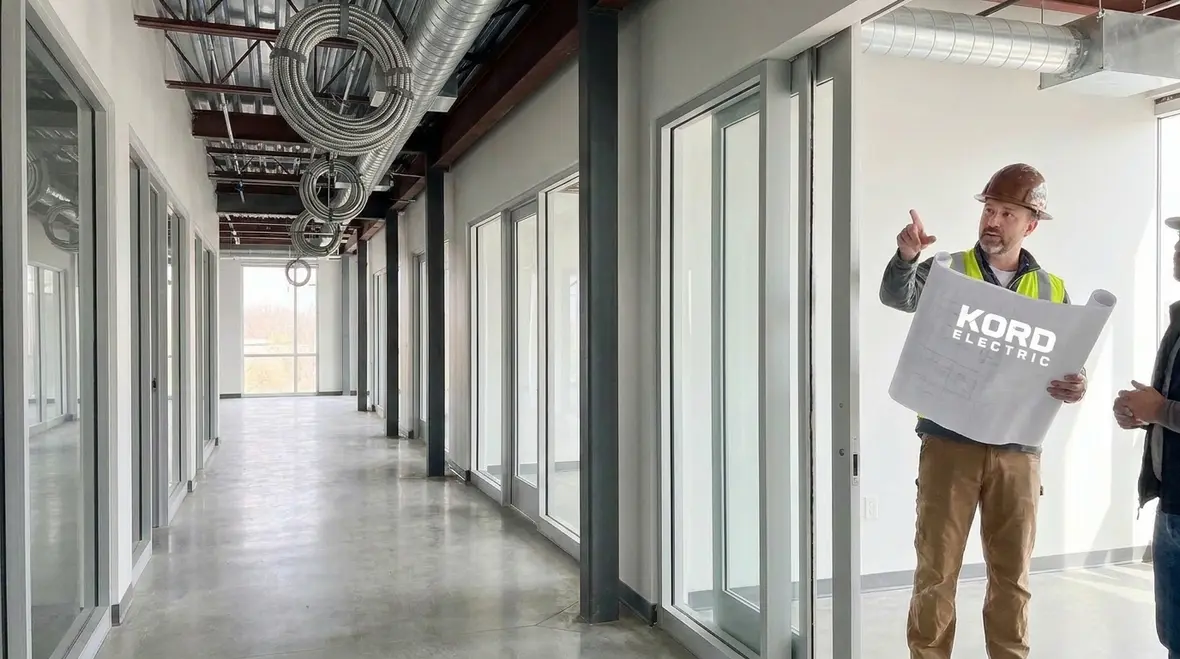
At the practical level, NEC FMC corrosion protection means we treat flexible metal conduit as a system that needs environmental protection, not just mechanical support. In other words, we do not only think about routing and box fill. We also consider whether the conduit will sit in damp spaces, face washdown areas, or endure chemical exposure.
Furthermore, our technicians look at how the conduit will enter enclosures, how it will terminate, and how moisture could travel along joints. They then match the protection approach to the specific conditions. This is where many projects fail in the real world. People install the conduit and move on, and later they act surprised when corrosion does what corrosion does.
Our team explains the “why” in plain language, so others can make better decisions during design, procurement, and construction. We also coordinate with facility teams that manage cleaning schedules and maintenance practices, because those routines influence exposure more than most people assume.
Connecting NEC FMC corrosion protection to the bigger NEC picture
Flexible metal conduit does not exist in a vacuum. It shares space with feeders, branch circuits, control wiring, and life safety systems that also have to respect NFPA 70 direction. When we walk a site, we keep that whole picture in view. If a facility team wants to see how our corrosion planning connects to higher level NEC requirements, we often point them to resources like Understanding NFPA 70: The National Electrical Code Explained for 2026 on the Kord Electric blog. That way, they can see how detailed topics like corrosion protection plug into the broader rulebook that keeps the entire system safe and reliable.
How we assess corrosive exposure in facilities
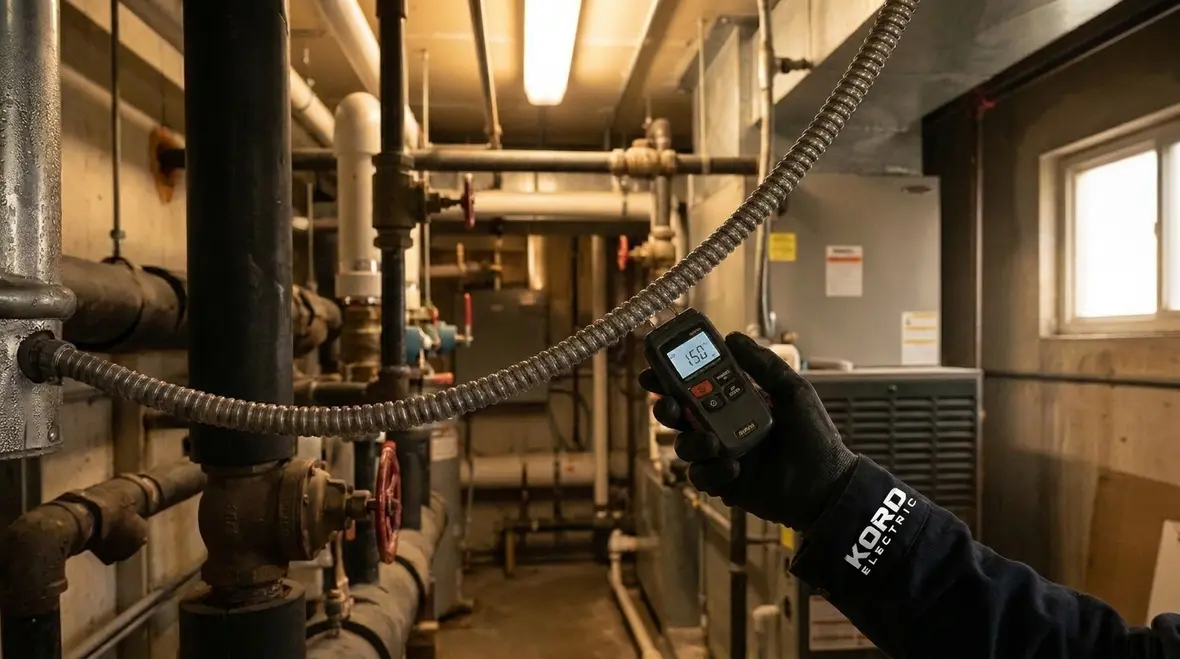
Before we recommend protection, Kord Electric evaluates the building areas that matter most. For commercial and industrial facilities, that usually includes utility corridors, mechanical rooms, parking structures, loading docks, and process areas. However, we do not stop at labels. We check conditions and sources.
First, we ask questions that connect directly to corrosion. We look for sources like water spray, steam, condensation, outdoor splash, chemical vapors, and cleaning compounds. Then we consider airflow and how long the area stays damp. After that, we evaluate how the conduit will run, including bends, risers, and entry points where moisture can collect.
Our expert service staff also reviews past maintenance history. If other trades already reported recurring issues, we treat that as a clue. In addition, we inspect fittings and terminations because corrosion can start at interfaces, not just along straight conduit lengths. We then document findings so the next step stays grounded and traceable.
Turning corrosion clues into a protection game plan
Once the walkthrough and history review are complete, we turn lists of “problem spots” into a practical roadmap. That might mean flagging certain mechanical rooms for higher scrutiny, setting specific expectations for washdown zones, or marking outdoor transition points where condensation tends to hide. The goal is not just to say, “This area is damp.” The goal is to describe how often, how much, and how that moisture meets your flexible metal conduit, so our NEC FMC corrosion protection strategy is precise, not generic.
Protection methods we plan for flexible metal conduit
Once we identify the corrosive conditions, we plan protection steps that align with NFPA 70 expectations and typical field needs. Kord Electric favors solutions that reduce risk, withstand the environment, and support inspection and maintenance.
Common focus areas include sealing and proper support. If moisture can travel into boxes or along conduit paths, the system loses its advantage. Therefore, we pay attention to termination details, box compatibility, and how the conduit is secured to prevent movement that can damage protective coatings over time.
Next, we evaluate where corrosion protection should start and where it must continue. That means we consider not just the conduit itself, but also how it connects to other parts of the electrical system. We treat the entire segment as a chain. If one link fails, the chain fails. And if you have ever watched a movie where one small flaw ruins the whole plan, you already understand the point.
Finally, we coordinate installation practices. Our technicians follow a method that supports consistency across crews. That helps owners avoid the “it depends who installed it” problem. It also helps our client teams during future troubleshooting, because the system behaves the same way across the building.
Integrating FMC protection with broader NEC planning
Because corrosion protection lives alongside other NEC requirements, we connect our FMC planning to related topics like calculated load rules, equipment servicing space, and service disconnect locations. Articles across the Kord Electric blog, from load determination guidance to equipment access discussions, support that mindset. Instead of treating corrosion as “one more box to check,” we fold it into how feeders are sized, how equipment is arranged, and how inspections will confirm that the whole installation follows NFPA 70, not just isolated pieces.
Installation practices that support NEC FMC corrosion protection
Rules only work if the field installation matches them. So, we focus on quality control from start to finish. First, we verify conduit routing and that it matches the approved design and field conditions. Then we check that supports and spacing follow the needed standards, because improper support invites vibration and stress, which can open paths for corrosion.
After that, we inspect transitions and fittings. We confirm correct assembly and ensure the connections maintain the intended protective performance. Even a small mismatch at a termination can create a weak point that moisture targets later.
Then we verify how the conduit will be treated during construction. Stored materials get exposed. Schedules get busy. Someone drops a wrench where they should not. Yes, that happens. Therefore, our technicians protect conduit runs during the build and inspect them before they close walls or conceal raceways. We do not just install and hope. We install and confirm.
Field checks that keep corrosion protection honest
On major property projects, we build field checks into the schedule. That might mean verifying that gaskets are seated correctly after other trades finish, or that flexible connections have not been over-bent while equipment is shifted into position. We also double check that identification and labeling stay visible, because future maintenance only works when people can see what they are working with. In short, our NEC FMC corrosion protection approach does not stop at “install it and walk away.” It stays active through commissioning and turnover.
Inspections, documentation, and long term maintenance for major properties
Commercial and industrial facilities need systems that stay reliable after the ribbon cutting. Kord Electric supports that by making corrosion protection part of the maintenance story, not just the installation checklist.
We help teams document what we installed and where. That includes what environmental conditions drove our design choices and which protection steps we used for NEC FMC corrosion protection. Then, during inspections, we provide the details that support compliance verification. Because if nobody can explain what was done and why, the project becomes a guessing game, and guessing is not a compliance strategy.
Next, we help facility personnel build a practical maintenance rhythm. That might include targeted inspections in damp zones, visual checks for corrosion at access points, and cleaning approaches that do not introduce new chemical exposure. We also remind owners that maintenance should respect the installed protections. If someone switches to a stronger cleaning agent, it can change the corrosion profile.
For major property buildings, this matters even more. Multiple trades work in one environment. Therefore, we align with other contractors and facility managers so changes do not undo the protection we planned.
Linking corrosion protection to code upgrade and renovation plans
As buildings renovate, expand, or shift use, corrosion risks and code expectations shift with them. That is why we often pair our NEC FMC corrosion protection work with broader electrical code upgrade consulting. When a facility plans new equipment or tenant improvements, we revisit where flexible metal conduit runs, how it is shielded from moisture, and whether new processes might introduce different chemical exposure. By folding corrosion checks into renovation planning instead of treating them as an afterthought, owners avoid the frustrating cycle of “build it, fix it, and fix it again.”
FAQ
Start a safer plan with Kord Electric
Kord Electric helps commercial and industrial facilities design, install, and maintain systems that support NEC FMC corrosion protection under NFPA 70 guidance. Our technicians and expert service staff take time to explain the code in clear, field based terms, then we document the decisions that matter. If you manage a major property building and you want corrosion risk handled before it turns into a costly outage, call us. We will review your conditions, align the installation plan, and help you stay compliant with confidence.
Because corrosion protection lives inside a larger safety story, many facility teams also review resources at Kord Fire, including their NEC-focused content such as “NFPA 70: All About The National Electrical Code (NEC) 2026.” When you combine those high level explanations with on-site support from Kord Electric, you get a consistent strategy instead of scattered rules.
If your facility is planning upgrades or needs help aligning raceway work with broader code compliance, Kord Electric’s Los Angeles County electrical services support inspections, maintenance, and new installations across commercial and industrial environments. That way, flexible metal conduit corrosion protection becomes part of a full system approach, not an isolated decision.
For more details about the NEC and related guidance, visit kordelectric.com and kordfire.com, and connect with local resources through kordfire.com.au. For standards focused fire pump knowledge, you can also explore firepumps.org. Together, these resources help facility teams understand why NEC FMC corrosion protection is one part of a larger, code driven reliability plan.
If you want to see how flexible metal conduit fits into other NEC decisions, you can explore Kord Electric’s broader blog library, where topics like underground service conductor sizing, branch circuit protection, and equipment servicing space all connect back to NFPA 70. That combination of topic-specific guidance and site-specific service keeps corrosion from becoming the quiet problem that only shows up when it is too late.


