
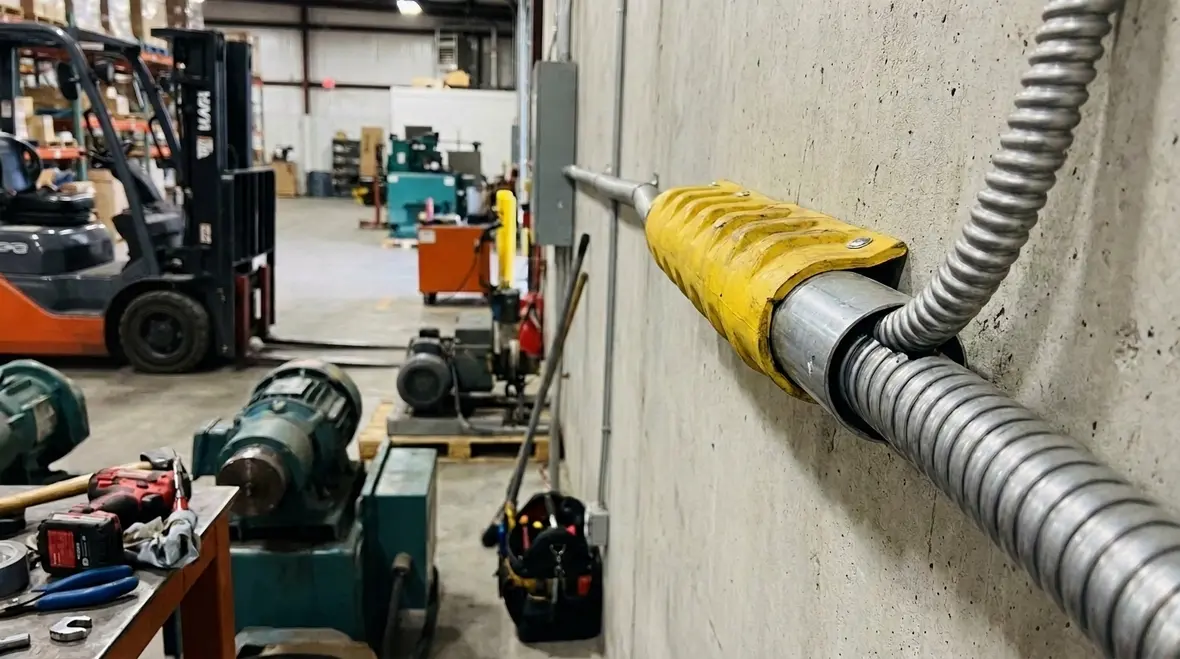
NEC Flexible Conduit Damage Protection Under 305.14
At Kord Electric, we routinely help commercial and industrial facilities meet code expectations, and we often start with one practical topic: NEC flexible conduit damage protection. In this article, we explain NFPA 70 Section 305.14, focused on protecting flexible conduit from physical harm, and we show how proper installation and protection choices reduce risk when equipment, traffic, and maintenance get close to cables. After all, flexible conduit is like a good suit at a construction site: it can work, but only if you handle it with care. And yes, our technicians and expert service staff will walk you through what matters, in plain terms, before anything gets installed or modified.
NFPA 70 Section 305.14 in plain language
NFPA 70 Section 305.14 tells us when and how flexible metal conduit, flexible nonmetallic conduit, and other flexible wiring methods must be protected from physical damage. In commercial and industrial settings, flexible conduit often runs where it can get bumped, scraped, or crushed, especially near equipment, doorways, cable trays, or areas that crews access daily. Therefore, we treat Section 305.14 as a safety rule, not an optional guideline.
In practice, Section 305.14 pushes us to make sure flexible conduit does not become the easiest target in the room. Instead, we plan routes, we add the right protections, and we keep the conduit where it has a fair chance of staying intact. To be clear, code compliance is not only about passing inspection. It also helps reduce downtime when repairs become urgent, and it protects the power distribution system the way a seatbelt protects passengers. For a broader perspective on how NEC requirements protect real facilities, you can pair this topic with our resource Understanding NFPA 70: The National Electrical Code Explained for 2026, which walks through how the rulebook shapes practical design and maintenance decisions.
Our team, including our technician experts, reviews the layout, the traffic patterns, and the way maintenance staff actually works. Then we recommend the right approach for NEC flexible conduit damage protection, based on the real exposure in your facility.
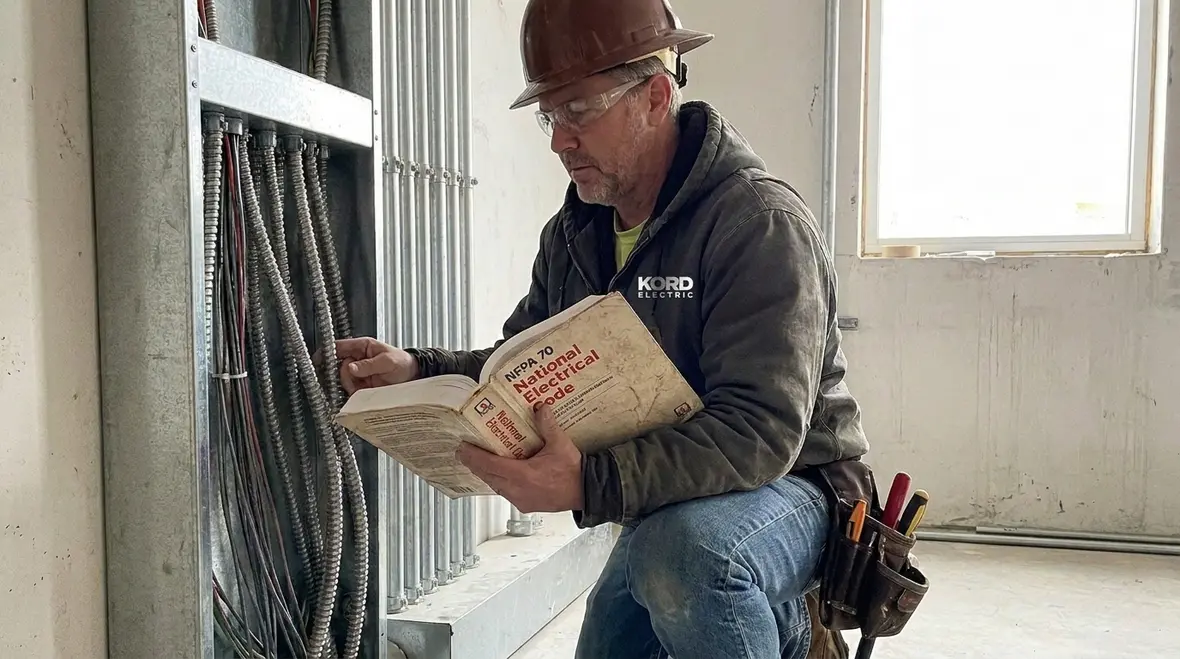
Where physical damage happens most in commercial and industrial buildings
Before we install or upgrade anything, we look for the predictable trouble spots. Even well designed spaces can create harsh conditions over time. For example, crews move tools and parts, carts roll through aisles, and equipment gets serviced at the worst possible moments. As a result, flexible conduit is more likely to take a hit near activity zones.
- Conduit runs that cross behind or beside equipment that vibrates or shifts during service
- Locations near dock doors, warehouse aisles, and entry points where forklifts or pallet jacks travel
- Wall sections subject to frequent impact from ladders, scaffolding, or material handling
- Cable drops near mezzanines or platforms, where access leads to accidental contact
- Penetrations through walls and floors where future remodeling can change clearances
Meanwhile, some facilities assume flexible conduit stays safe because it looks protected. However, appearances can be misleading. A conduit can still be damaged by repeated small impacts that wear it down, even if it has not been knocked hard once. That is why we emphasize NEC flexible conduit damage protection through both correct routing and the right guarding where needed.
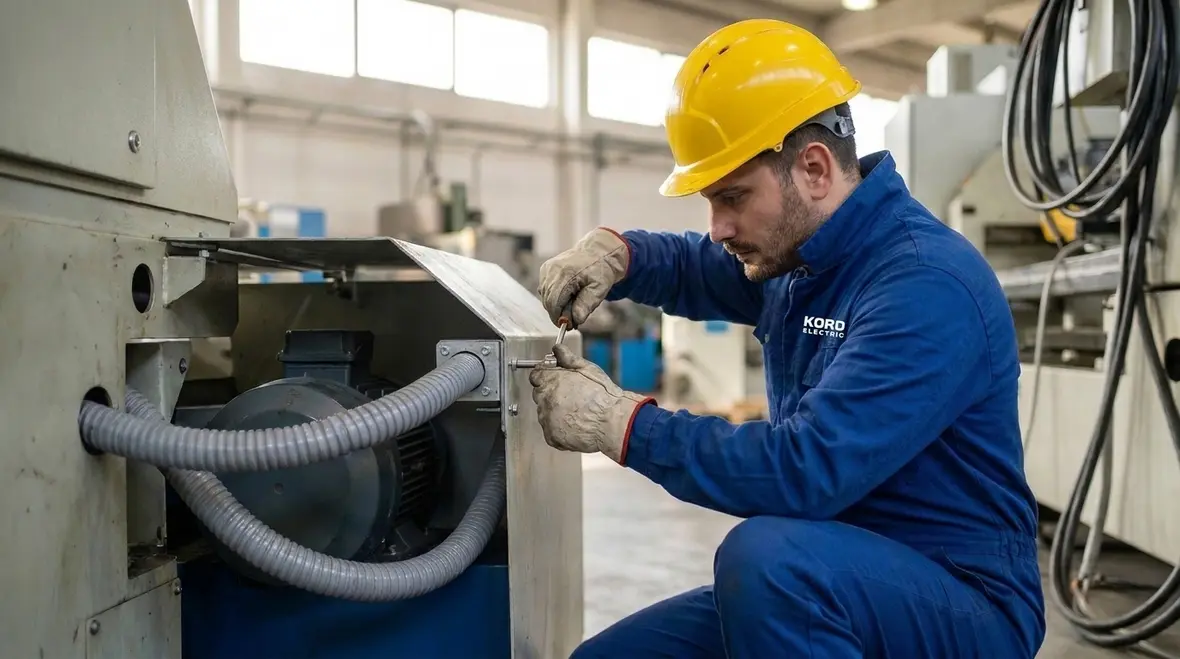
How we choose conduit and protection methods that actually work
Protection does not begin with a single product. Instead, we treat it like a system. We evaluate the conduit type, the routing path, and the physical barriers required for the environment. Then we align the installation with NFPA 70 Section 305.14 so the protection stays effective throughout the life of the building.
Our expert service staff often explains it this way. Flexible conduit may bend and flex, but it still depends on a shield from direct contact. Therefore, we look at three layers of defense:
- Route planning: We keep flexible runs away from areas likely to be struck or crushed. If relocation is not possible, we plan protection accordingly.
- Mechanical protection: We add covers, guards, or suitable raceways where impact or abrasion is likely.
- Secure support and separation: We support the conduit properly and maintain clearances so it does not sag, rub, or stress at fittings.
When clients ask what “protection” means on the ground, we show them. We inspect the existing installation, we confirm the threat level, and then we match a practical solution to the exposure. For commercial and industrial facilities, this approach matters because shutdowns and repairs cost real money, not just time.
Coordinating conduit protection with overall NEC planning
Flexible conduit protection does not exist in isolation. It connects directly to how your facility applies the NEC across feeders, branch circuits, equipment, and life safety systems. Many owners find it helpful to review conduit decisions alongside broader NEC planning resources, such as application and scope guides or discussions on how wiring and protection rules shape everyday work. That way, NEC flexible conduit damage protection becomes one part of a consistent, code-aligned strategy instead of a one-off fix in a single hallway.
What inspection and documentation should look like
Code compliance becomes easier when the documentation matches the field work. While we focus on safe installation first, we also help facilities prepare for inspections by aligning details to the plan. That includes clear labeling, correct support spacing, and a documented reason for the selected protection method where NEC flexible conduit damage protection is required.
In many projects, the inspector does not want surprises. Therefore, we help others on site understand what we are doing and why. Our technicians explain the plan in simple language, and we coordinate with facility managers so they know what areas must stay clear and what changes will occur during the work.
In addition, we encourage a workflow that reduces confusion during future maintenance. If future teams later decide to run equipment through an area that was previously protected, the protection must still hold. So we verify access needs, and we make sure the installation remains robust after normal operations continue.
Yes, we keep it calm. Think of it as the opposite of a horror movie where nobody reads the warning sign.
Installation best practices that reduce wear, stress, and failures
Even when protection exists, the way we install matters. Over time, poor support, sharp bends, and loose fittings can increase stress on the wiring system. That stress can contribute to failure, even if a conduit looks safe at first glance.
So, we recommend practices that support long term reliability in commercial and industrial settings:
- Use correct bend control: We prevent kinks and avoid tight bends that can damage conductors.
- Secure fittings properly: We ensure terminations stay tight and stable to prevent movement and abrasion.
- Support the conduit consistently: We install supports that maintain alignment, reduce sag, and limit rubbing.
- Plan for future access: We consider maintenance paths and storage changes so protection remains effective.
- Coordinate with other trades: We coordinate with mechanical, structural, and operations teams so conduit does not get trapped behind later work.
Meanwhile, NFPA 70 Section 305.14 focuses on physical damage, but good installation also reduces electrical and mechanical stress. As a result, our approach to NEC flexible conduit damage protection connects the code requirement to the real physics of wear and impact.
Linking flexible conduit protection to wider NEC workmanship standards
In practice, the same discipline that keeps flexible conduit away from damage zones also supports good workmanship across the rest of the system. When fittings are tight, supports are placed correctly, and routing respects mechanical risks, it becomes easier to meet broader NEC workmanship expectations and wiring integrity standards. That way, your flexible conduit is not the weak link in an otherwise solid installation.
Common mistakes we see during upgrades and retrofits
During audits and retrofits, we often see the same patterns repeat. Not because people want failure, but because schedules get tight and details get rushed. However, in industrial and major property buildings, small mistakes can trigger large problems.
Here are mistakes that tend to cause headaches:
- Relying on “it is tucked away”: Even hidden runs can get exposed during maintenance or equipment moves.
- Using flexible conduit where rigid would be better suited: Flexible methods still need correct protection; sometimes a different wiring method fits the environment more safely.
- Skipping mechanical guarding: When impact is likely, a simple path is not enough. Protection must match the risk.
- Improper support or spacing: Over time, movement creates abrasion at fittings and conductor entry points.
- Forgetting about remodel changes: Clearances change. What was safe last year might become exposed next quarter.
Our technicians and expert service staff help clients avoid these traps by doing a careful site review and then explaining each step clearly. We do not just point out problems. We outline fixes that reduce risk without disrupting operations more than necessary.
How upgrades to flexible runs fit into a larger NEC roadmap
When we correct flexible conduit issues during a retrofit, we also look for connections to other NEC topics that may be under review, such as load calculations, minimum unit loads, or reconditioned equipment decisions. That way, crews do not have to revisit the same areas repeatedly. A single upgrade plan can tighten up multiple code topics at once while keeping flexible conduit protection front and center.
Related code context and practical safety culture
Facilities often ask how NFPA 70 fits into their wider code and safety program. That question matters, because electrical reliability supports fire safety, equipment protection, and safe operations. In fact, Kord Electric works in alignment with broader code and safety planning that other building teams care about, including fire protection coordination.
We also encourage clients to keep up with code updates and interpretations. Many facilities use national references and industry resources to confirm what a specific requirement means in their environment. For more general NEC background, we often point teams to Kord Electric and Kord Fire resources that walk through what NFPA 70 covers, why the National Electrical Code matters, and how 2026 updates influence equipment choices, wiring methods, and inspection expectations. In parallel, fireprotection-focused references help show how electrical reliability supports systems like fire pumps, alarms, and emergency lighting, tying conduit protection back to life safety outcomes.
The takeaway is simple. When we protect flexible conduit from physical damage, we support the entire electrical system’s stability. And when we build a culture of safe installation, inspections become smoother, and outages happen less often. That is not just good engineering, it is good business.
FAQ: NEC flexible conduit damage protection and Section 305.14
Conclusion: protect your system with Kord Electric
If your facility relies on flexible conduit near equipment, traffic paths, or maintenance areas, NFPA 70 Section 305.14 deserves a real plan, not guesswork. At Kord Electric, we send technicians and expert service staff to evaluate exposure, recommend NEC flexible conduit damage protection, and help your electrical system stay reliable through daily operations. Contact us to schedule an assessment for your commercial or industrial property. We will explain the options in plain terms, then execute the work with code aligned detail. Your downtime will thank you.
For facilities across the region that need help beyond a single project, our team can integrate flexible conduit protection into a broader service plan that supports power distribution, upgrades, and life safety systems. If you operate in Southern California and want a partner who understands both NEC details and real-world operations, you can explore our broader capabilities through our Los Angeles County electrical services to see how we support complex commercial and industrial sites from planning through maintenance.


