
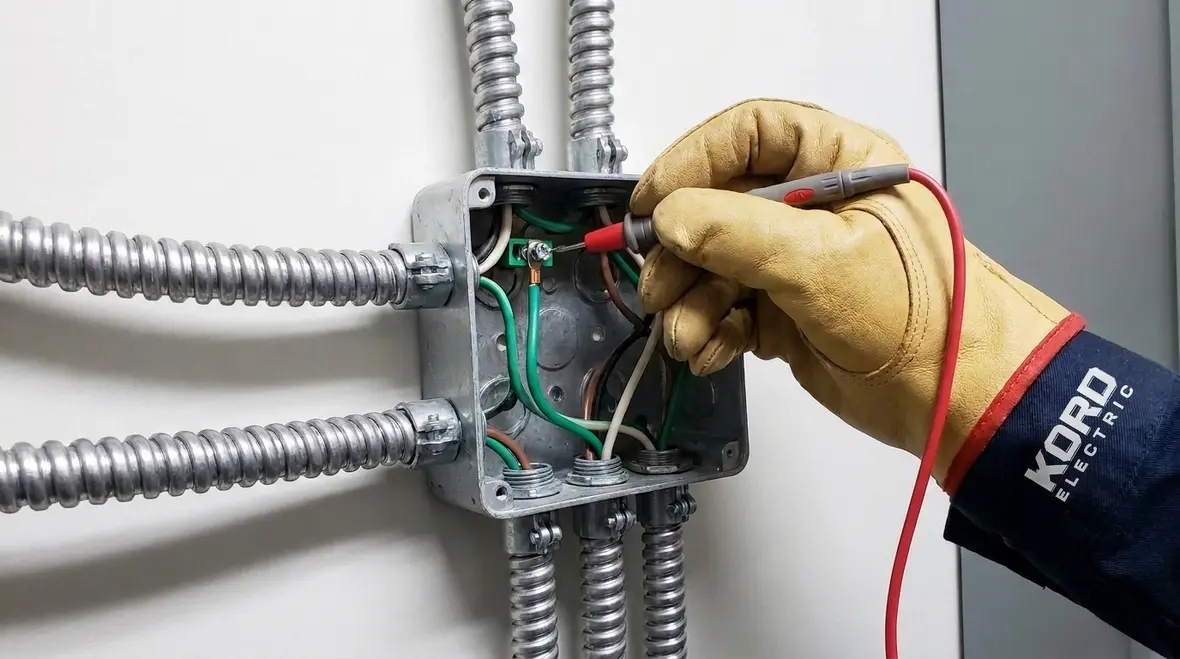
NFPA 70 Section 305.23 FMC Conductor Continuity Basics
NFPA 70 Section 305.23 focuses on conductor continuity in FMC, and those NEC FMC conductor continuity basics matter when we run flexible metal conduit in commercial and industrial spaces. In plain terms, when copper or other conductors move through FMC, the wiring method must keep the path dependable, traceable, and intact. Our field teams at Kord Electric see it every day: a small gap, a missing jumper, or a loose connection can turn a clean install into a troubleshooting marathon. And nobody wants that. Like searching for your keys while the whole building watches, it is slow, costly, and avoidable. In this article, we explain what the code expects, why it matters, and how our expert service staff helps facilities meet the standard with confidence.
Why conductor continuity in FMC becomes a real business issue
In commercial and industrial facilities, electrical systems must stay reliable under load, vibration, and routine maintenance. Therefore, when an installation uses FMC, the requirement for conductor continuity protects more than wiring. It supports safe operation, stable grounding paths, and correct performance of protective devices.
To be clear, the issue often shows up during inspections, renovations, or after equipment moves. Over time, installers may swap components, tighten after the fact, or reconnect conductors without verifying continuity. However, the NEC expectation does not change just because the building schedule got busy. It stays grounded in safety and function.
When our technicians work onsite, they follow a method that prevents guesswork. They check the installation like a detective, not like someone who “feels” the wiring is fine. Because “feeling” is how you end up with a problem that calls you back at midnight.
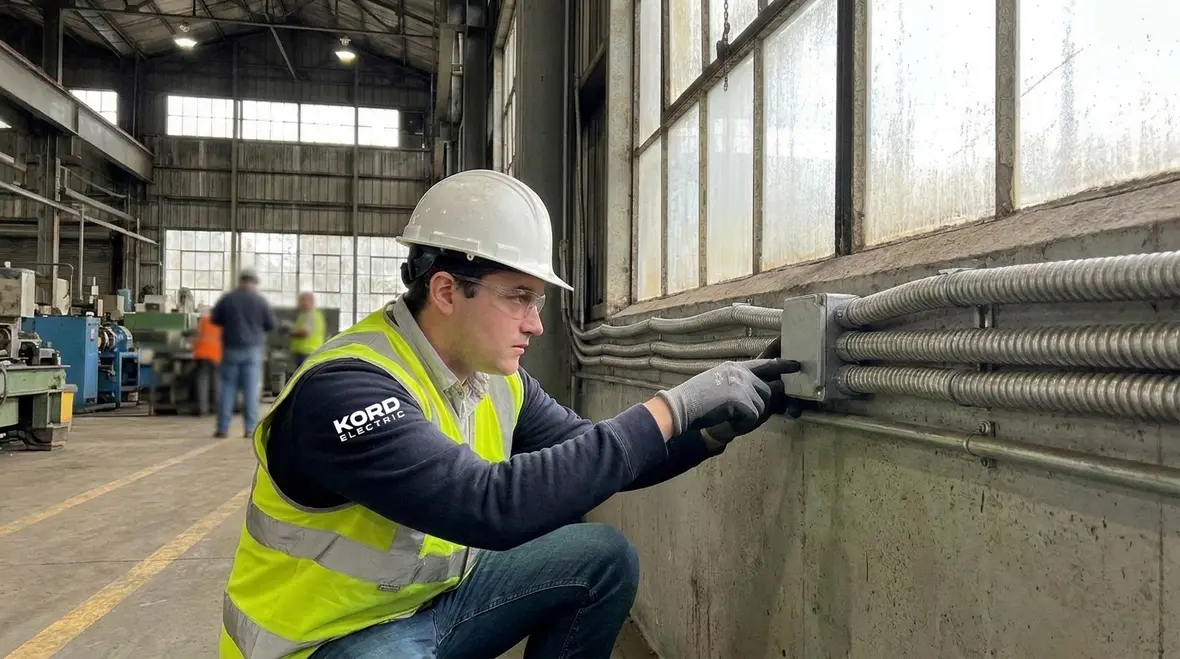
What NFPA 70 Section 305.23 expects in flexible metal conduit
NFPA 70 Section 305.23 sets clear expectations for how conductors remain continuous where they run through flexible metal conduit. In practice, this section supports a safe electrical path so that fault current can behave as the system design intends and the installation can be maintained without surprises.
Our expert service staff explains it this way: continuity is not just about having the wire present. It is about ensuring the conductor route stays intact from one end to the other, including where connections occur. In addition, the code looks for installation details that avoid open circuits and broken paths that can appear after mechanical stress.
So, when facilities ask, “What does Section 305.23 really mean for our job,” we respond with a simple theme. The installation must ensure conductor continuity in the FMC run and at the transitions where conductors connect. That means the wiring method, connectors, and termination practices must match the intent of the code, not just the shape of the conduit.
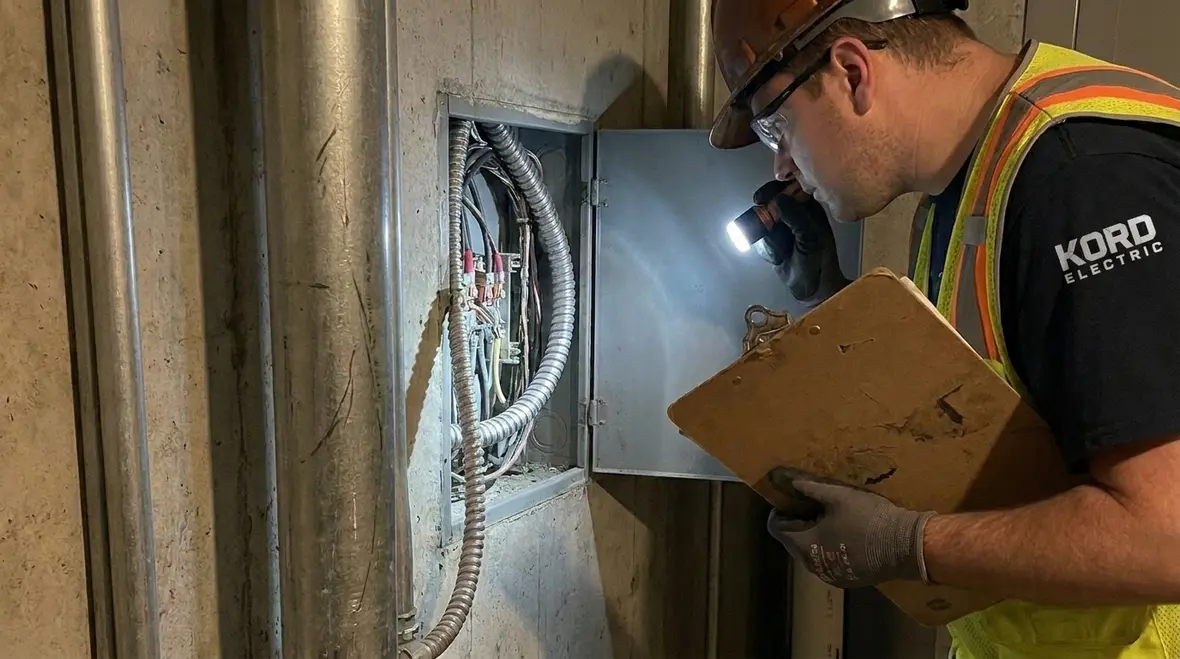
How NEC FMC conductor continuity basics guide the inspection approach
Our team focuses on the steps that matter most for commercial and industrial work. First, we verify the conduit type and route. Then we confirm that conductors inside the FMC remain properly connected through transitions, with correct terminations and no shortcuts. Next, we examine how connections handle mechanical movement and service access.
Because inspections often catch inconsistencies, we do not wait for the third party to find problems. Instead, our technicians perform continuity checks and installation reviews that look for typical failure points. For example, they confirm that connections remain secure, that cable type matches what the installation expects, and that conductor routing does not force strain on terminations.
And yes, sometimes we see older installs where someone treated FMC like decorative tubing. That approach works about as well as using a paperclip as a smoke detector. It might “stand there,” but it will not protect the building the way it should.
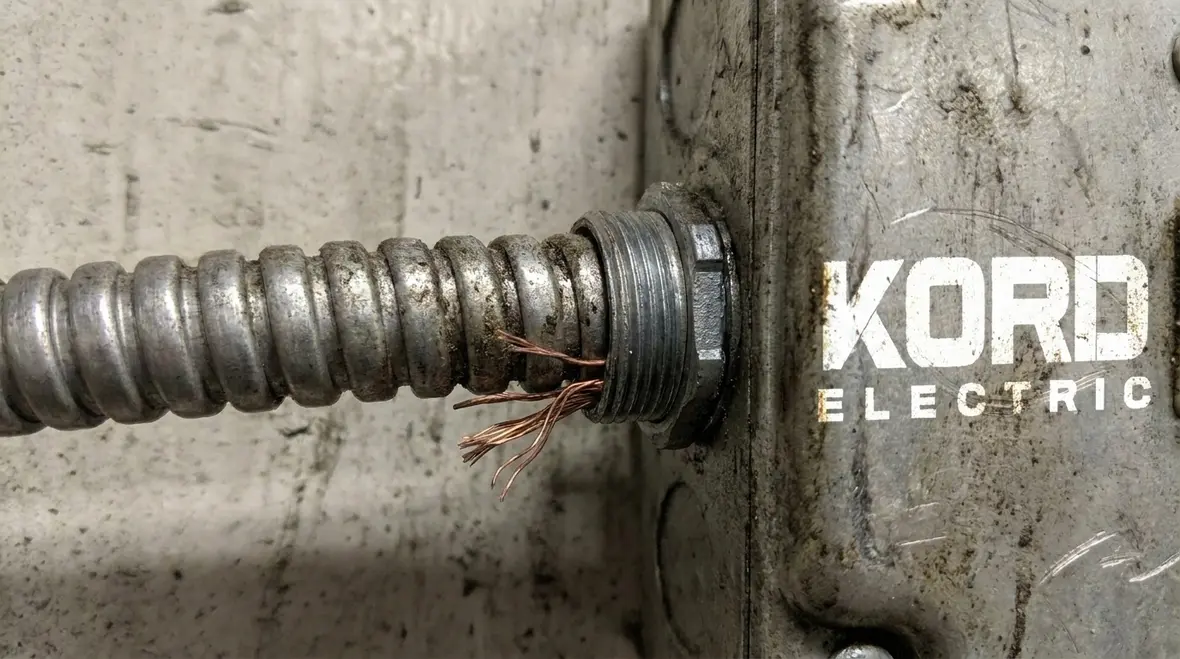
Common field mistakes we see in commercial and industrial builds
Even well staffed teams can fall into patterns that create continuity problems. So we share what our technicians often encounter, so facilities can catch issues early.
- Loose terminations: Over time or during rework, terminations can loosen. When that happens, continuity may look fine until a device trips or a measurement fails under load.
- Improper connector use: Using the wrong type of connector or skipping the correct connection practice can weaken the electrical path where the conduit transitions.
- Strain at bends and transitions: If conductors tug at terminations, the system can develop intermittent opens.
- Skipping verification after modifications: If a contractor changes equipment or relocates an outlet, continuity checks need to follow the change.
- Ignoring the “where it connects” problem: FMC issues often hide at the entry and termination points, not in the straight runs.
Importantly, these issues do not only happen in new work. They also show up in renovations, tenant improvements, and major property upgrades, which is why we keep our approach consistent. We do not treat each job like a one time event. We treat it like part of an ongoing safety system.

What continuity testing and documentation should include
Facilities benefit when testing supports both safety and repeatable service. Therefore, our expert service staff documents the process so maintenance teams can follow the trail later. We also make sure the records match what the installation uses and what the code requires.
During testing and verification, we typically focus on these items:
- Conductor end to end checks: We confirm continuity across the full FMC run and through transitions.
- Connection verification: We check terminations, fasteners, and connector seating.
- Mechanical stress review: We look for strain, movement points, and locations where the conduit may flex often.
- Match to as built layout: We compare results with the job record so the next team does not inherit confusion.
- Clear notes for service staff: We write results in a way that helps future troubleshooting move faster.
In short, the goal is not just to “pass.” The goal is to build a system that stays dependable and easy to service. Like a good support act, the right documentation makes the real performance smoother, and it saves everyone from standing in the wrong line.
Meeting 2026 code expectations while upgrading existing systems
Many major property buildings run on a blend of older infrastructure and new upgrades. So, when teams modernize electrical systems, they must respect code intent while working within real-world conditions. Our strategy at Kord Electric supports commercial and industrial facilities by planning upgrades with continuity in mind from the start.
For example, our technicians evaluate existing FMC runs, then coordinate modifications so conductor paths remain intact through new work. Additionally, we align each change with documentation so future service does not turn into a guessing game. And if a project spans multiple trades, we help keep wiring work consistent across scopes, because electrical continuity fails when handoffs fail.
In many cases, we also coordinate with fire and life safety stakeholders during major property upgrades. That matters because electrical reliability supports proper operation of protection systems. Kord Electric’s teams often reference guidance from Kord Fire’s overview of NFPA 70: All About The National Electrical Code (NEC) 2026 to align electrical decisions with broader life safety strategy across the property.
For more background on how the National Electrical Code gets explained for current and upcoming needs, we also align our team guidance with the kind of coverage shared in our own educational resources, including Understanding NFPA 70: The National Electrical Code Explained For 2026. We keep the focus where it belongs: clear, practical compliance you can maintain.
FAQ: NFPA 70 Section 305.23 and FMC conductor continuity
Below are short answers built for quick featured snippet views.
Get compliant, stay reliable, and reduce downtime with Kord Electric
Our commercial and industrial clients trust Kord Electric because we treat compliance as a service, not a checkbox. When NFPA 70 Section 305.23 and FMC conductor continuity requirements apply, we use practical verification methods, clear documentation, and expert technician guidance so your electrical system stays dependable. If you are planning a renovation, upgrade, or major property improvement, contact us for an onsite review and continuity-focused workmanship checks. We make the process calm, controlled, and fast enough that you can get back to running the business.
If your facility is located in Southern California, our Los Angeles County electrical services team can help you plan, install, and verify FMC runs and other wiring methods so they line up with both NFPA 70 and your long term operations strategy.
From early design reviews to final continuity testing, our technicians build NEC FMC conductor continuity basics into every step of the workflow. That way, your flexible metal conduit runs support the larger electrical story across your commercial or industrial facility: safer operation, better uptime, and fewer late night troubleshooting calls.


