
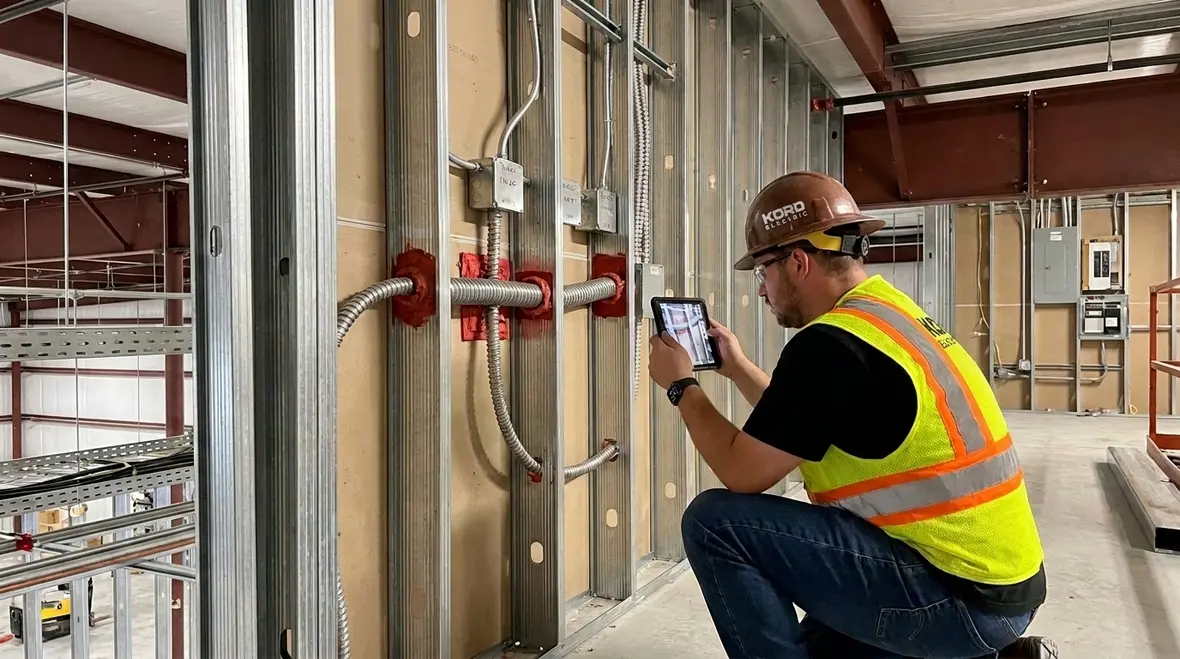
NFPA 70 Section 305.31 NEC FMC Fire Spread Basics
NFPA 70 Section 305.31 and NEC FMC fire spread basics for commercial jobs
In commercial and industrial buildings, we take fire spread seriously, especially when raceways and cable meet. NFPA 70 Section 305.31 addresses fire spread and how FMC should be handled so it supports safe installation and helps limit risk during a fire. For many facilities, the real goal is simple: reduce how fast flames can travel through pathways and maintain code backed performance where it matters. Our technicians at Kord Electric explain these requirements in plain language, and we do it slowly, like a calm voice at the start of a storm. Yes, people sometimes treat fire code like it is optional. That is the kind of “plot twist” nobody wants in the third act.
Why fire spread and wiring methods matter in large buildings
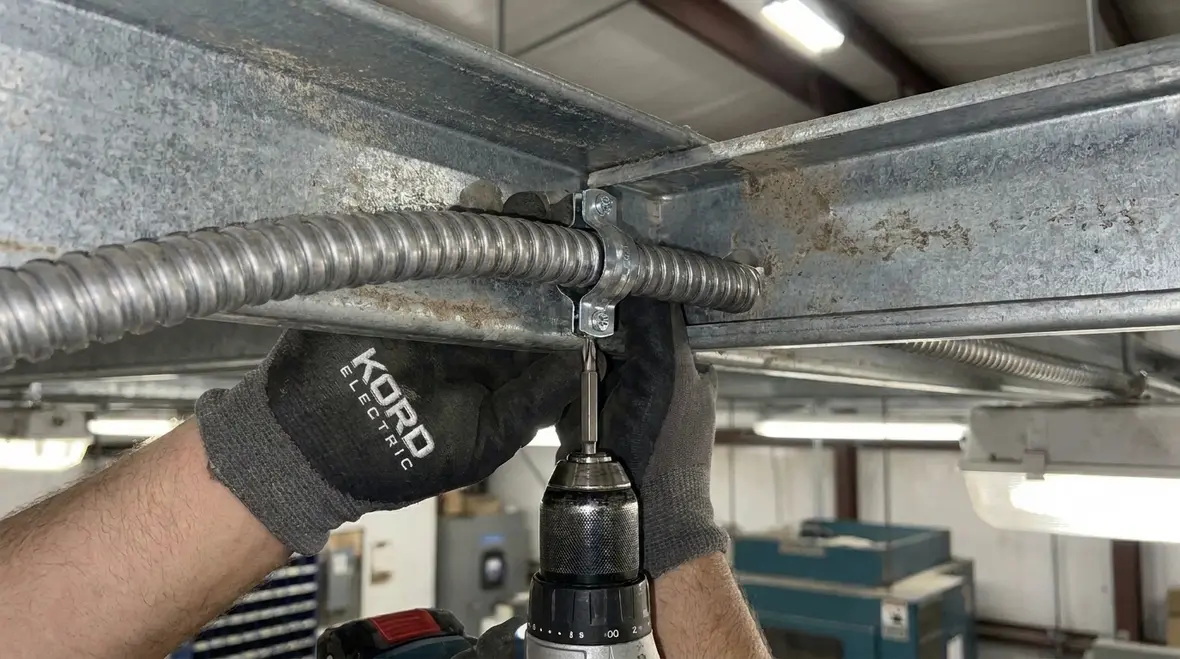
Large property projects do not behave like a house. Offices, warehouses, data centers, and mixed use campuses often include long cable routes, multiple floors, and complex ceiling spaces. As a result, what looks like “just conduit” can become a highway for heat and smoke if installed without the right intent.
When NFPA 70 Section 305.31 and the NEC placement rules come into play, we align the installation method with how materials react to fire and how a system manages exposure. Therefore, fire spread control does not live in one single clause. It shows up across installation choices, pathway support, and how raceways penetrate and exit spaces.
In practice, our expert service staff walk the job site and map cable pathways before we finalize routes. Then, we match those routes to the requirements that protect building occupants, first responders, and operations. In other words, we do not just install. We coordinate.
How NEC FMC support and routing influence safety
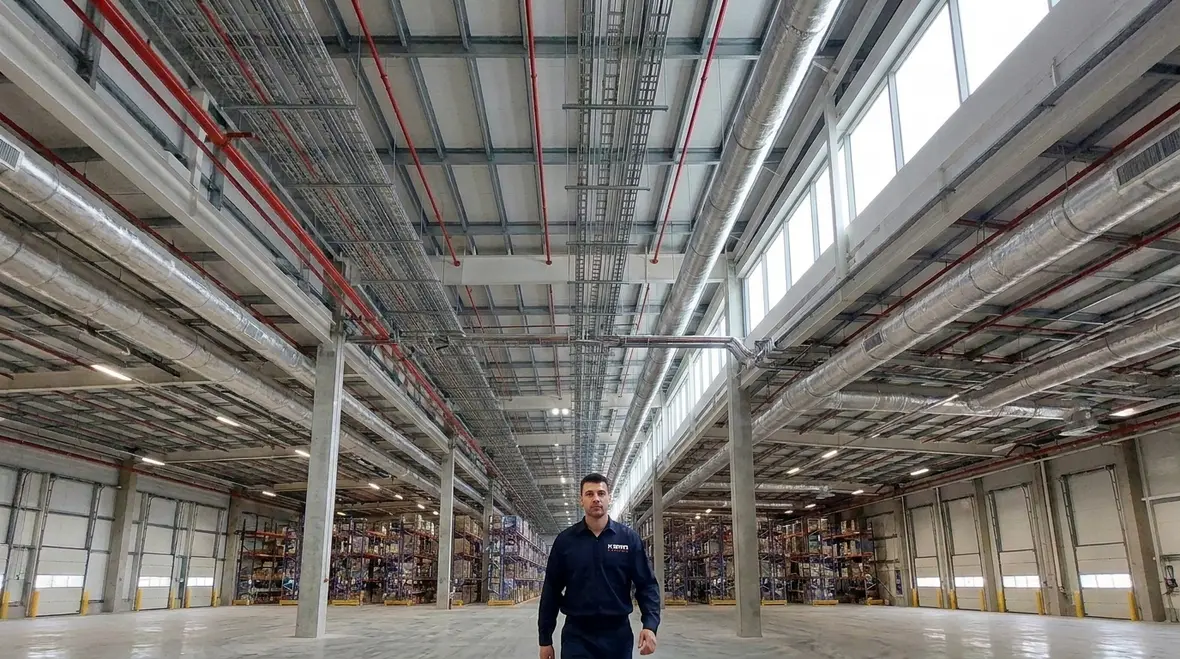
FMC, or flexible metal conduit, often finds use where contractors need a practical way to run wiring with controlled bends and manageable connections. However, “flexible” does not mean “anything goes.” The NEC FMC fire spread requirements focus on how the conduit and cables are installed in ways that do not increase risk in a fire scenario.
First, we look at where the runs travel. Then, we check how they are supported and secured. After that, we verify the installation details that affect integrity. Even small mistakes can change performance, and in a fire event, small mistakes can scale up fast, like a pop quiz you did not study for.
Our technicians also confirm how FMC interacts with other components such as boxes, fittings, and penetrations. Moreover, we ensure the conduit does not create unnecessary gaps, sharp stress points, or support gaps that might compromise the pathway during exposure.
What Section 305.31 requires for fire spread control
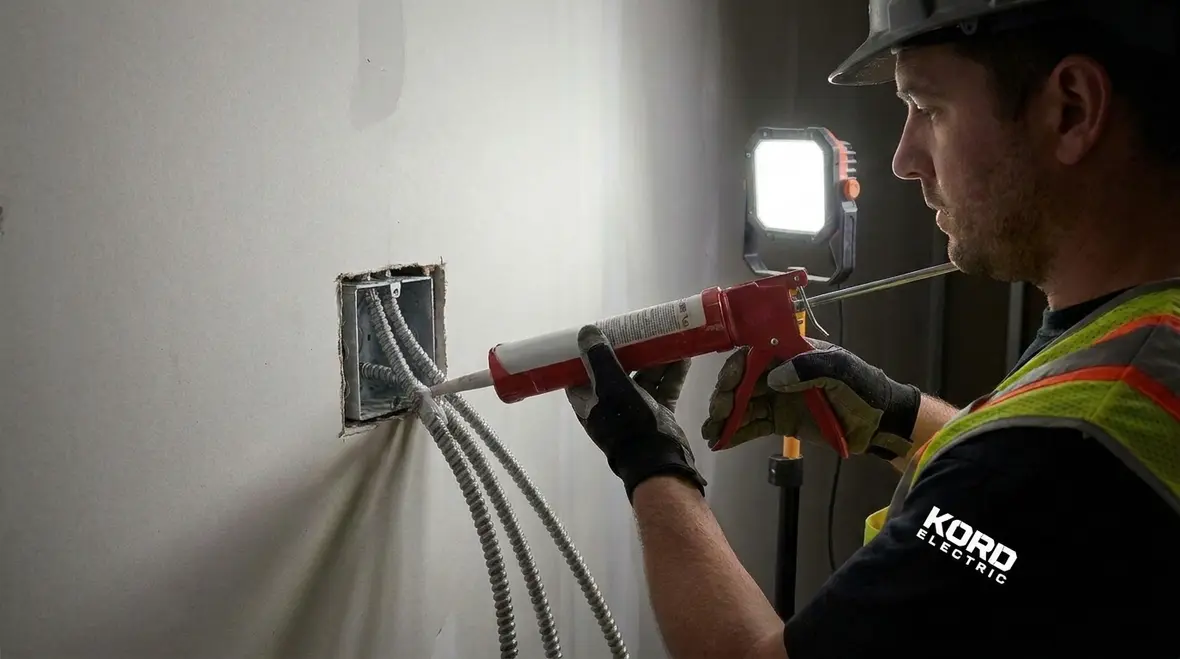
NFPA 70 Section 305.31 sets expectations tied to fire spread and proper use of FMC in certain applications. While the exact compliance approach depends on the installation context, the underlying idea stays steady: the method should not help fire and smoke travel more easily through the building’s electrical pathways.
To follow the intent, we focus on these practical compliance themes. First, we ensure installation supports the pathway containment strategy used by the project. Next, we address raceway terminations and transitions so they do not undermine the protection approach. Finally, we use proper fittings and install components so they stay secure through normal building conditions.
Because commercial and industrial facilities require clean documentation, we also keep job records that support inspection and maintenance. In the real world, inspections are easier when the install story is clear. Nobody likes a mystery novel where the culprit is “we thought it was fine.”
FMC around penetrations, ceilings, and fire stopped areas

Penetrations and ceiling spaces often become the risk hotspots. Heat and smoke do not respect tenant boundaries, and electrical pathways can cross those boundaries unless the project handles them carefully. Therefore, we treat penetrations as a design issue, not a last minute patch.
When FMC routes through rated assemblies or areas that require fire stopping, we coordinate with the fire stopping plan and confirm what the code expects for the system. We verify the conduit enters the protected opening correctly, and we confirm the transition details do not create weak points. Then, we coordinate the sealing approach with the correct materials and installation method used on the project.
In addition, we pay close attention to how the conduit runs through suspended ceilings. We check how the route supports the building’s control strategy and how it maintains spacing and routing consistency. Our expert service staff explain what they see and why it matters, and they do it in a way facility managers can understand without needing an engineering degree.
Inspection readiness for commercial and industrial facilities
At Kord Electric, we understand that compliance is not only about the install, it is also about what an inspector can verify. In a commercial setting, the inspection journey often includes multiple trades, multiple documents, and multiple schedules. So we build our process to reduce confusion.
We plan the work so the AFC and electrical pathway details come together. Then, we verify FMC runs align with the project design and the NEC backed approach. We also confirm the conduit and cable selections match the required environment.
Finally, we help facility teams understand how to maintain the system. Maintenance reduces the odds that later changes break the original compliance logic. It is like keeping a smoke alarm clean. Nobody wants to learn it failed after the emergency starts.
Where to get trusted NEC and code guidance
Code work should not rely on guesswork. It should rely on clear sources, current updates, and a team that can apply the rules on real sites. We often point our clients to reputable resources that explain the National Electrical Code and how it connects to practical installation. That includes our own Kord Electric blog and code focused content, such as Understanding NFPA 70: The National Electrical Code Explained for 2026, plus reference sites that support a broader view of electrical safety.
For example, the Kord Electric and Kord Fire resources offer plain explanations of NEC topics and fire safety thinking, including Kord Fire’s own article titled NFPA 70: All About The National Electrical Code (NEC) 2026. When teams read these materials together, they align on what “correct installation” means before the schedule gets tight. For additional background on fire safety and electrical code context, some people also look at fire pump and fire protection education organizations such as firepumps.org. Of course, for building specific compliance, we still recommend professional review and on site verification.
FAQ: NEC FMC fire spread and Section 305.31
Get NEC compliant FMC help from Kord Electric
If your commercial or industrial facility needs a careful look at FMC routing, fire spread control, and NFPA 70 Section 305.31 related details, we are ready. Kord Electric helps you plan the job, verify installations, and prepare for inspection with clear, site based guidance. Moreover, we explain what we change and why, so your team can maintain compliance over time. Call us today to schedule an expert review. Let’s keep your electrical pathways safe, and your inspectors happy, like a well lit warehouse at midnight.
For facilities across Southern California, our Los Angeles County electrical services bring these NEC FMC fire spread requirements into real buildings with practical, field tested solutions. We coordinate code interpretation, raceway layout, and fire stopping details so your project can move from design to inspection with fewer surprises.
If your facility team wants to keep building a stronger NEC foundation beyond Section 305.31 and FMC, you can also explore related resources like Kord Electric’s guides on how to read NFPA 70, the 2026 NEC application requirements and scope, and other section specific explainers that show how wiring methods, grounding, work space, and overcurrent protection all tie back to the same safety goals.
Together, these code resources give you a practical roadmap. Our field technicians and expert service staff bring that roadmap onto your site, walking routes, checking penetrations, and confirming that NEC FMC fire spread requirements are handled as carefully in the ceiling space as they are on the drawings. That combination of planning, documentation, and hands on verification is what keeps electrical systems behaving the way the code intended when a real emergency shows up.
When you are ready to align your FMC installations with NFPA 70 Section 305.31, Kord Electric connects the dots from plan review to final walk through. We treat every raceway and cable decision as part of a bigger fire spread strategy, not just an isolated detail on a punch list. That mindset is how we help commercial and industrial facilities keep people safer, keep operations steadier, and keep inspections focused on “approved” instead of “rework.”
Conclusion: Turn NEC FMC fire spread rules into real world protection
NFPA 70 Section 305.31 and the NEC FMC fire spread requirements are not just text buried in a code book. They are part of how your building controls risk when something goes wrong. By treating raceways, penetrations, ceilings, and terminations as a coordinated system, your facility can slow down fire spread, support safer egress, and give first responders a better environment to work in. Pairing clear resources like Kord Electric’s 2026 NEC explainers and Kord Fire’s fire protection insights with field ready planning is how you turn those rules into real protection. And when your team wants help translating that plan into metal, fittings, and documented routes, Kord Electric is ready to walk the site, explain the options, and build an installation that stands up to both code and time.


