

NFPA 70 Section 310.4 Conductor Constructions Applications
At Kord Electric, we look at NEC conductor constructions applications as something practical, not theoretical. In our day to day work for commercial and industrial facilities and major property buildings, we translate rules from NFPA 70 Section 310.4 into clear choices on job sites. And yes, our expert technicians and service staff explain it in plain language, because nobody wants to read a building code like it is a mystery novel. Still, conductors are not the place for guessing. Therefore, this guide walks through what Section 310.4 expects from conductor construction and how professionals should match those details to the real needs of a facility.
Why NFPA 70 310.4 matters for business grade electrical work
Commercial and industrial systems operate with steady loads, short peaks, and long hours of duty. As a result, conductor design affects heat, durability, and safe performance. NFPA 70 Section 310.4 sets baseline rules for how conductors are built and where different constructions can be used. Meanwhile, many failures in the field do not start with a dramatic event. Instead, they begin with small mismatches, like insulation type not fitting the installation environment or conductor ratings not matching the load behavior.
When our technicians check a plan or troubleshoot an existing run, they do not just ask, “Is the wire there?” They ask, “Does this construction match the task?” Then, they compare what is installed to what the NEC intends. If you have ever heard someone say, “It worked last year,” you already know why this matters. Buildings do not run on luck. They run on engineering decisions that hold up over time.
Breaking down conductor construction types in Section 310.4
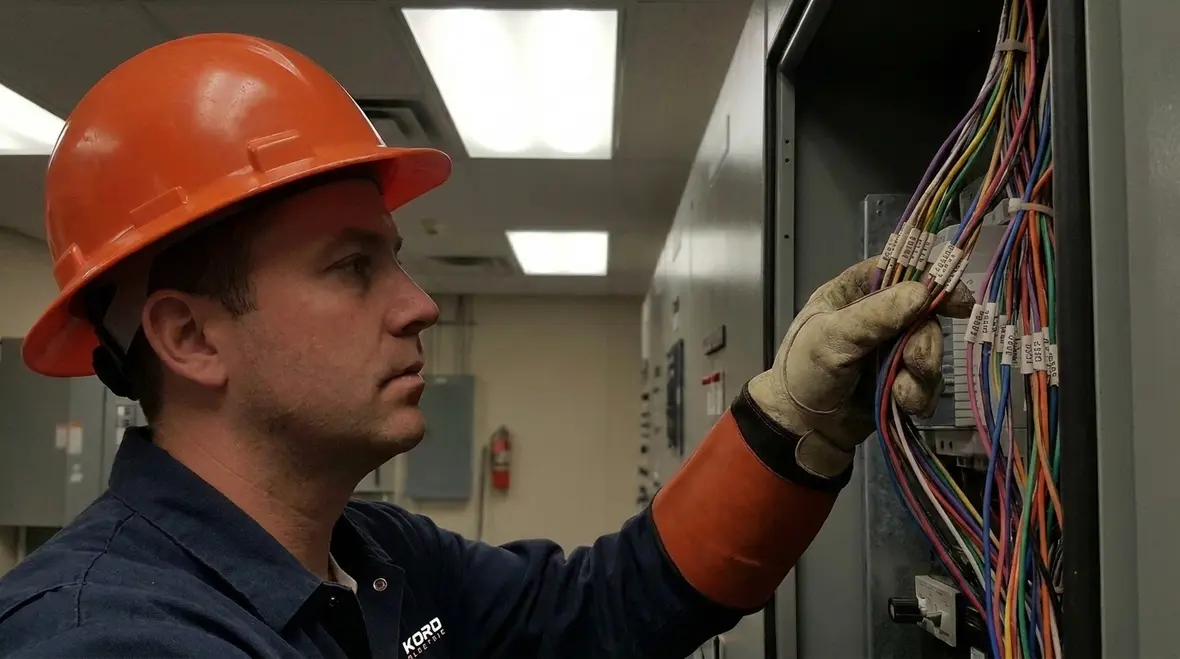
Section 310.4 focuses on conductor construction, including details like stranding, insulation characteristics, and suitability for the intended application. More importantly, it requires that the conductor type you select follows the rules that apply to its environment and use. Therefore, the “same size” cable can behave differently if its construction differs.
In practice, our service team sees two recurring issues. First, facilities sometimes replace conductors in a hurry and bring in a construction that matches the conductor diameter but not the full construction requirements. Second, projects can inherit legacy wiring standards, and then the new work tries to fit into old assumptions. Consequently, the system becomes a patchwork of mismatched expectations.
To avoid that, we align selections to the NEC logic and we document the basis for the conductor choice. We also explain the reasoning, step by step, so facilities teams can maintain confidence during future maintenance and expansions. For facility leaders who want the broader code backdrop, we often point them to our in depth overview resource, Understanding NFPA 70: The National Electrical Code Explained for 2026, which connects individual sections like 310.4 to the bigger picture of NEC design and safety.
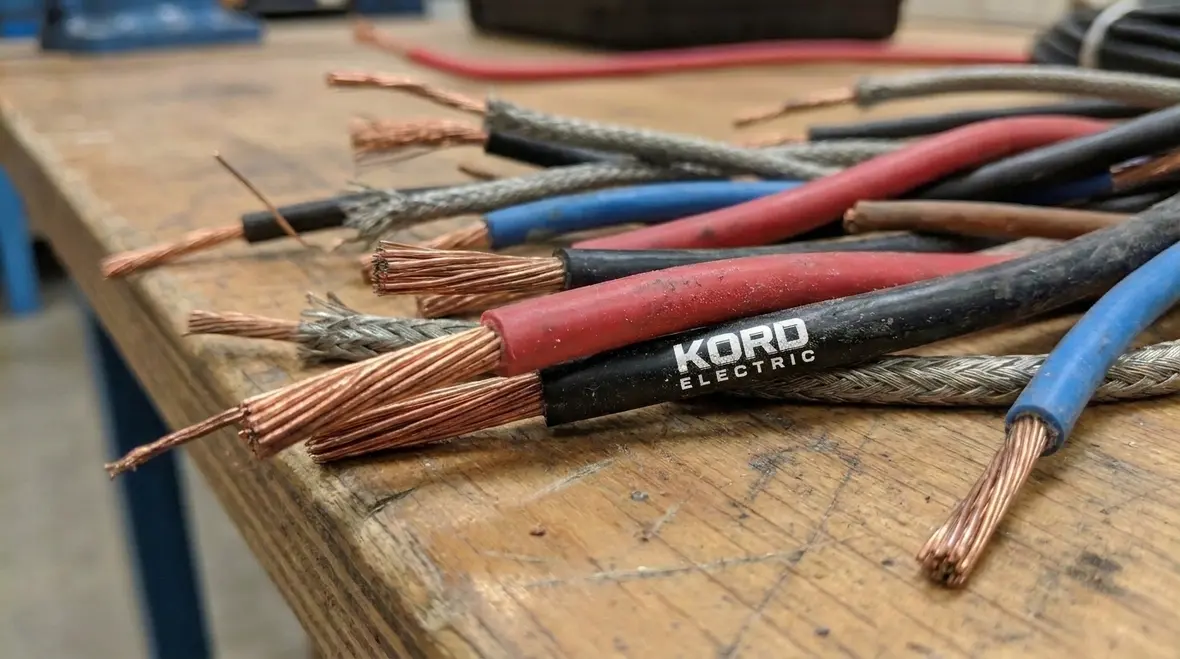
Matching conductor construction to real installation conditions
Even the best conductor does not save you if it is installed wrong for the conditions. In other words, NEC rules do not live in a vacuum. They connect conductor construction to how the conductor experiences heat, moisture, physical stress, and operating environment.
So, our expert staff evaluates job conditions early. For example, if a cable run will face frequent mechanical stress, we consider construction that resists damage and stays within the safe temperature behavior the NEC expects. If a location exposes the conductor to heat build up, we also review how that influences allowable loading and voltage drop decisions.
Additionally, facilities often have mixed zones: offices, switchgear rooms, corridors, process areas, and utility spaces. Thus, we treat conductor construction as part of an overall system design, not a last minute swap. If you want a pop culture analogy, it is like choosing the right tool for the job. A spoon can technically move food, but it also makes a mess. The NEC wants the right tool, every time.
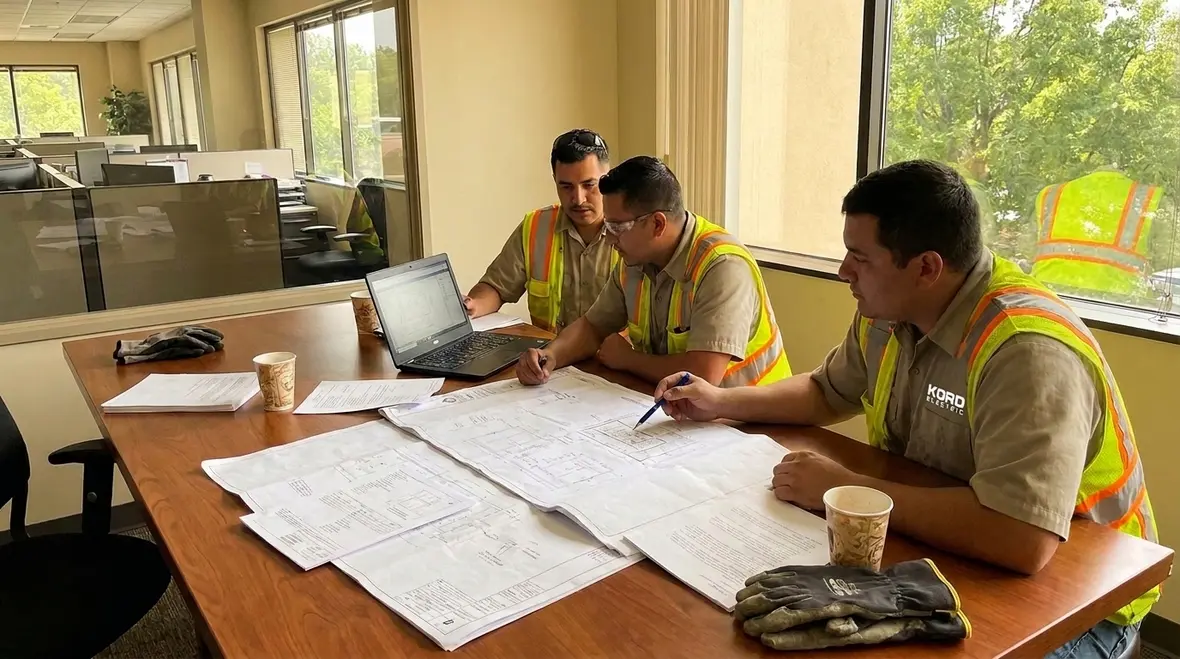
How technicians apply NEC conductor constructions applications during planning
Planning is where safety becomes predictable. Our team uses the NEC references and manufacturer information to verify that conductor construction fits the project needs. Then, we connect those decisions to installation rules that affect performance. Since commercial and industrial facilities often require coordination across trades, we also make sure the electrical plan does not conflict with conduit routing, enclosure types, and access for future service.
When our technicians explain the approach, they usually start with the load and the environment. After that, they confirm conductor construction characteristics that the NEC expects for the installation. Finally, they align terminations and splices to ensure the full assembly maintains the expected performance.
At Kord Electric, we also communicate how to check the work in the field. That means visual verification, label checks, and documentation for the facility record set. This is not busywork. It helps others maintain the system without guessing later.
For teams who like to understand how planning connects to the rest of the NEC structure, we often pair this topic with resources like our NEC scope and application overview and related guidance on how to read the code effectively. Used together, they help commercial and industrial sites turn NEC conductor constructions applications into repeatable, documented planning steps instead of one time decisions.

Common mistakes we see in commercial and industrial installations
Let us be honest. The electrical world has its share of shortcuts. However, shortcuts do not usually announce themselves. They show up later as troubleshooting hours, replacement costs, and sometimes reliability issues.
Here are mistakes our technicians and service staff frequently catch during reviews and corrective work:
- Substituting conductor construction during procurement without verifying insulation and rating requirements
- Ignoring installation environment when selecting conductor types for areas with moisture, heat, or mechanical stress
- Assuming conductor diameter equals suitability instead of checking construction and application rules
- Skipping documentation so future maintenance teams cannot confirm the original compliance basis
- Overlooking terminations and connection compatibility, which can reduce performance even when the conductor is correct
And yes, sometimes the wrong choice happens because someone did not want to wait. However, waiting a week for correct material is usually cheaper than explaining a problem to the building owner after the fact. We would rather help people avoid the “surprise, the wiring has opinions” moment.
Service teams that explain clearly and support long term reliability
Many facilities want compliance, but they also want clarity. Therefore, our expert service staff focuses on both. We do not just hand over a spec sheet and vanish into the electrical universe. Instead, we explain how the conductor construction ties to safety, performance, and practical maintenance.
To keep that support useful, we also follow up with facility teams during commissioning and during later changes. When a building expands or a process gets upgraded, conductor construction might need reassessment. Then, the facility benefits from consistent decision making rather than one off repairs.
For related background and broader NEC context, our teams reference guidance from our resources at kordelectric.com and kordfire.com, along with industry resources that help teams understand the bigger picture. For example, we align our conductor decisions with the same NEC mindset presented in those NEC overview materials, and we keep attention on the safety outcomes that matter most to commercial and industrial properties.
If your facility is in Los Angeles County or the surrounding areas and you want that kind of clarity baked into your projects, you can see how we support commercial and industrial properties in our Los Angeles County electrical services overview. It shows how conductor choices, design work, and field installation all connect under one reliable process.
NEC conductor constructions applications and safety outcomes for major property buildings
Major property buildings require more than meeting a checkbox. They require predictable behavior under load and reliable operation across time. Consequently, conductor construction and proper application influence how a system handles heat, fault conditions, and long term service.
When we handle these projects at Kord Electric, we treat conductor construction as a core safety factor, not an afterthought. So we verify that each conductor meets the correct construction intent and that the installation matches the planned environment. Additionally, we coordinate with facility stakeholders so the electrical system supports operations without interruption.
That approach fits commercial and industrial priorities: minimize downtime, avoid repeat failures, and support future upgrades. In short, the NEC style of thinking helps facilities stay steady. And steadiness is good for business, even if it is not as exciting as the latest streaming drama.
FAQ
Conclusion and call to action
When we handle conductor selections, we treat NFPA 70 Section 310.4 as a practical safety map, not a paperwork task. At Kord Electric, our technicians and expert service staff help commercial and industrial facilities match conductor construction to real installation conditions, so performance stays steady and maintenance stays simple. If you are planning new work, upgrading a system, or reviewing existing installations, contact us. We will walk your team through the requirements clearly and help you build electrical reliability that lasts.
If you would like to connect this focused topic with a broader NEC roadmap for your facility, you can also explore our wider Kord Electric blog resources on NFPA 70 and commercial electrical planning. Used together, they turn code language into practical guidance you can apply on drawings, in panels, and across the full life of your building.
For projects that need a start to finish partner, our commercial and industrial service teams design, install, and maintain systems with conductor construction choices that line up with your loads, your environment, and your inspection requirements. The result is simple: fewer surprises, fewer callbacks, and more time with your power behaving the way it should.


