
NFPA 70 Section 310.5 NEC Conductor Types Explained
NFPA 70 Section 310.5 conductor types explained for commercial and industrial work
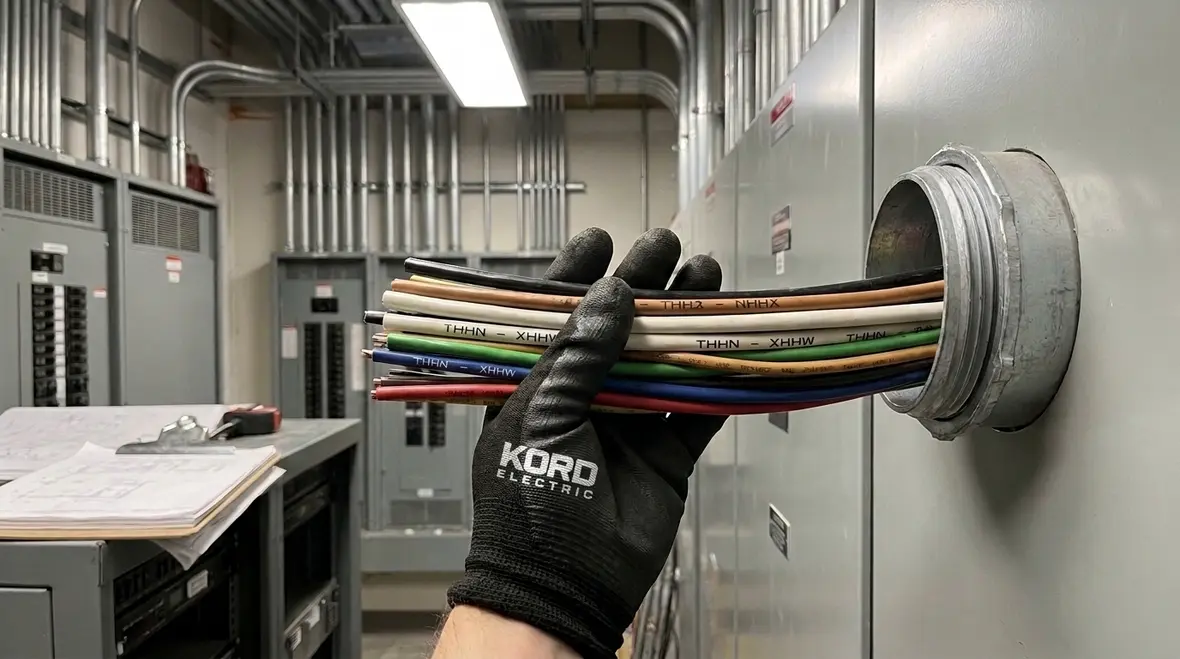
At Kord Electric, we see NFPA 70 Section 310.5 as the starting line for safe, dependable power wiring in commercial and industrial facilities. In plain terms, it explains types of conductors in the NEC, so we can match the right wire to the right task. Early on, we also look at NEC conductor types explained in a way our clients can actually use. For example, we compare common insulation and conductor options such as THHN, THWN, XHHW, and other listed choices, then we plan how each one fits the installation rules, environment, and load demands. And yes, we have heard the same joke twice already: “Electricity doesn’t care about your budget.” That is true, and we still help you build an efficient plan so you do not have to pay twice.
Others in the industry might treat conductor selection as a paperwork step. However, our technicians and expert service staff know it is the practical foundation for long-term performance. And when we explain it, we slow down, we show the logic, and we make sure your team knows why the decision matters.
How Section 310.5 fits into the bigger NEC plan

Section 310.5 sits inside a larger set of NEC guidance that governs wiring methods and conductor use. Therefore, we do not treat it as a stand alone rule. Instead, we connect it to how the rest of NFPA 70 addresses insulation ratings, location requirements, and use cases that drive safety and durability. When a commercial or industrial facility plans upgrades, we help others understand that the conductor you pick affects more than heat and voltage drop. It affects how the system behaves under real job conditions, including moisture exposure, mechanical stress, and routing constraints.
To keep things clear, we explain this workflow during project planning. First, we confirm the system voltage and the load profile. Next, we map the routing path, because the environment along the path controls how conductors perform. Then we apply the NEC rules that determine what is allowed and what is not. Finally, we document the selected conductor type so contractors, facility teams, and inspectors stay aligned.
If you want a broader reference on how the NEC shapes design decisions, we often pair Section 310.5 planning with our internal guidance based on resources like “Understanding NFPA 70: The National Electrical Code Explained for 2026,” so conductor choices stay consistent with the overall code story across your facility.
NEC conductor types explained: what the listing really tells us
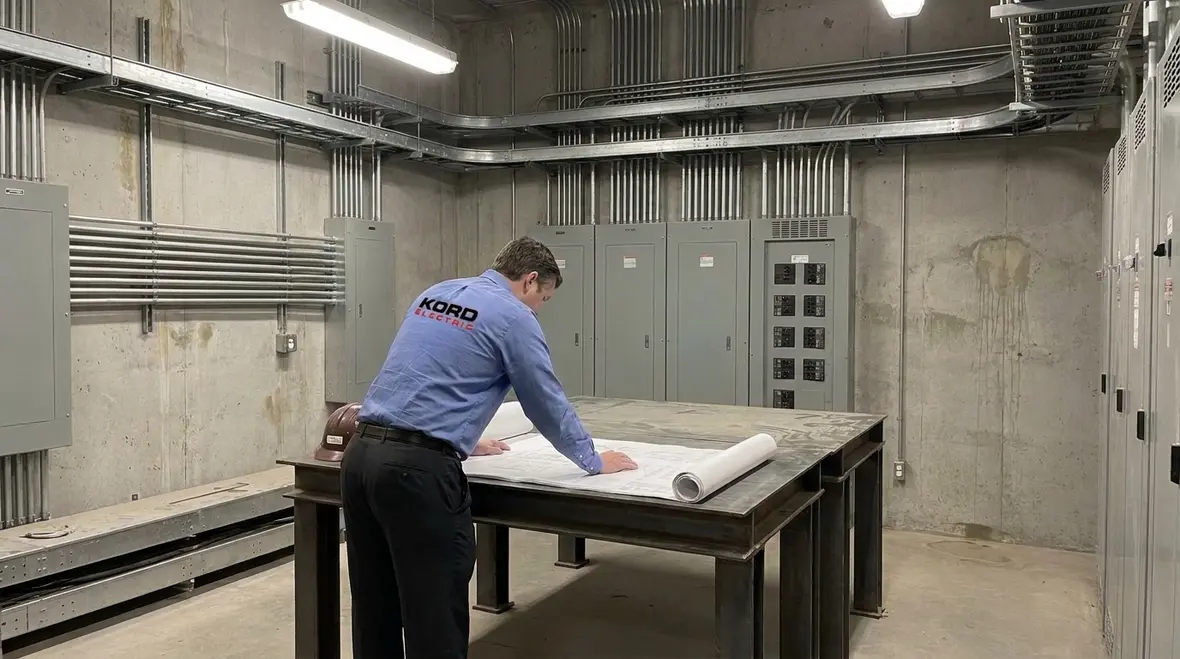
We often get asked what “type” means in Section 310.5. In the field, it means the insulation and jacket design, plus the conditions the conductor is meant to handle. So, when we talk about NEC conductor types explained, we mean the listing and ratings that guide selection for temperature, wet location use, and installation method. And because clients do not want guessing games, we use our experience to translate the details into a decision that stands up to inspection.
Here is how our technicians typically break it down. Each conductor type carries characteristics that affect how it can be used. For example, insulation style and temperature rating influence how much current a conductor can safely carry. Meanwhile, the conductor’s permission for wet or dry locations affects routing decisions in mechanical rooms, exterior pathways, and areas that experience humidity or splash. If you want a simple way to picture it, think of conductor type as a suit. It is not just “clothes.” It is the fabric, the weather rating, and the ability to move safely under stress.
We also connect those decisions to the bigger NEC roadmap. When we walk through conductor options with facility teams, we may reference internal playbooks that build on articles like “How to Read NFPA 70: A Practical Guide to the National Electrical Code” and “2026 NEC Application Requirements Guide and NFPA 70 Scope,” so people see how Section 310.5 fits into the larger compliance picture, not as a one-off detail.
Picking conductor insulation for real installation conditions
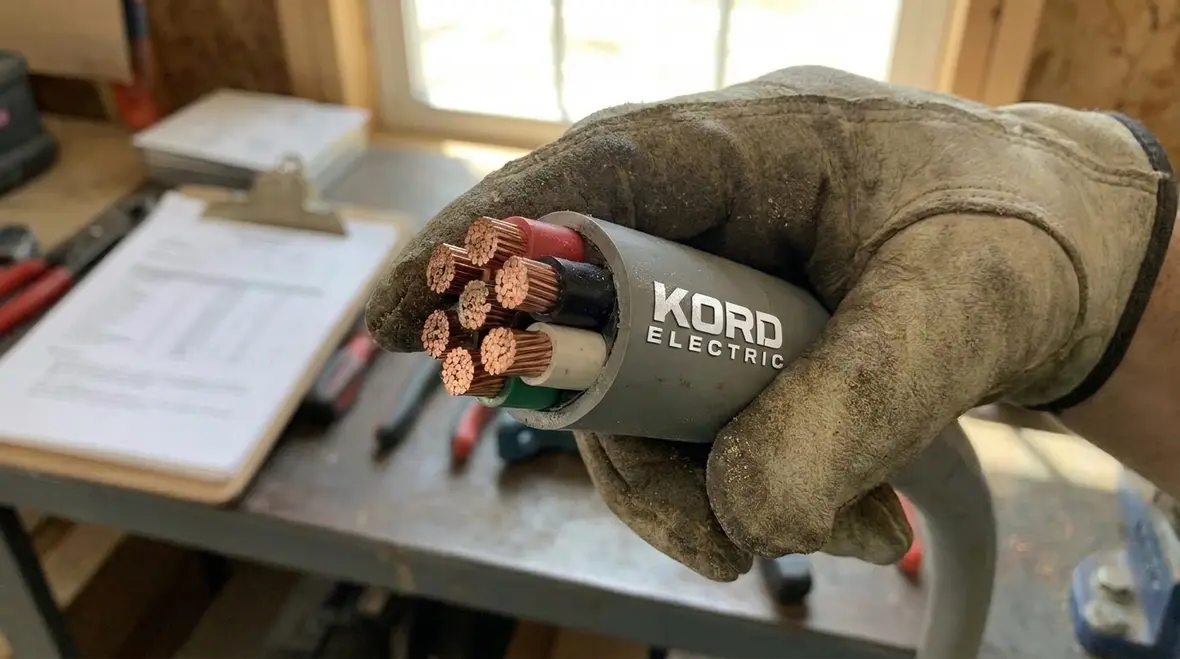
Commercial and industrial projects rarely follow a neat, ideal path. Pipes run where you hoped they would not. Dampness finds its way into places people forget to check. And sometimes the schedule is so tight that everyone acts like the laws of physics will take the day off. They will not.
So we help others select insulation based on conditions they cannot ignore. First, we evaluate wet locations and damp exposure. Then we review heat sources and bundling. After that, we account for mechanical protection, bends, and pulling stress. This is where we add value beyond generic guidance. Our team does not just quote the rule. We walk the site plan and connect the conductor type to the routing you actually have.
Additionally, we apply practical steps that reduce future downtime. We coordinate with electrical design and controls teams so conductor selection supports proper termination, insulation integrity, and labeling requirements. We also advise facility leaders on what to expect during commissioning and what documentation will matter later, during maintenance or troubleshooting.
Those documentation habits also tie into broader risk-reduction practices we use in data-driven design and in our electrical safety checklists for new commercial buildings. When conductor details are recorded clearly from the start, inspections move faster and future upgrades avoid guesswork about what was installed where.
Temperature ratings, ampacity, and safe long term performance
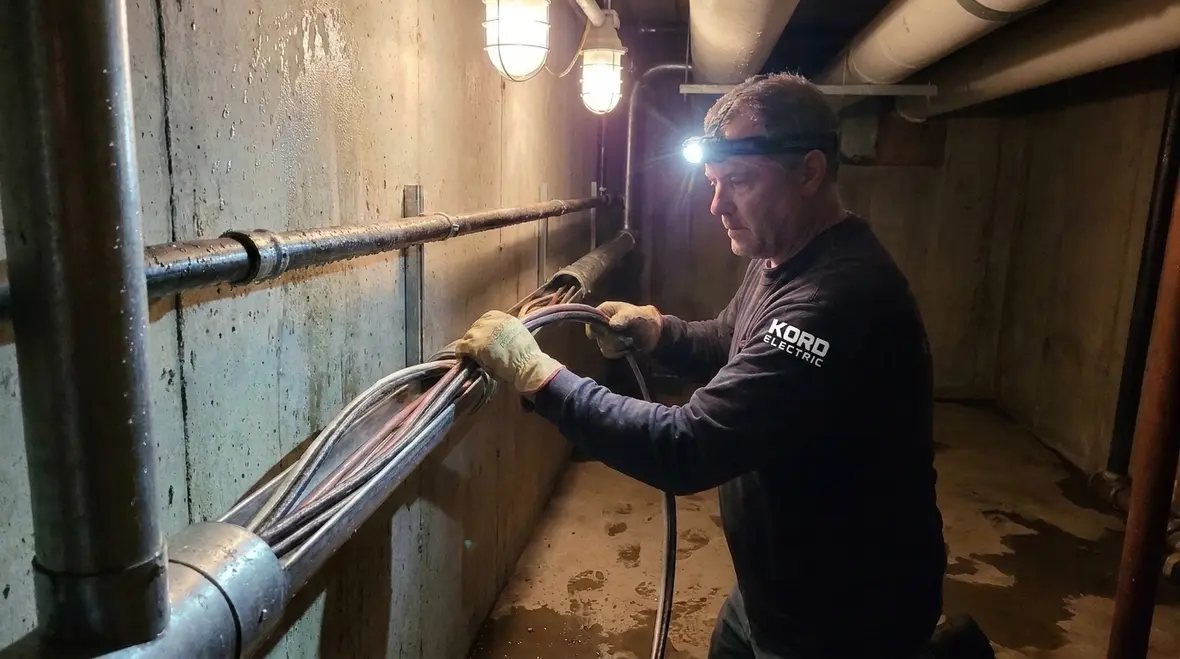
Even when the conductor type looks right on paper, temperature and ampacity must stay in balance. Therefore, we treat conductor selection and current carrying capacity as one decision, not two. Temperature affects conductor performance, and conductor performance affects system stability. In other words, if you choose a conductor without respecting how it will run in its real environment, the results show up later, often when the facility least wants surprises.
Our technicians apply a clear method. We confirm the conductor rating, then we check how the installation method changes the effective conditions. Next, we validate the load calculations for the circuit design, including continuous load considerations and any adjustment factors needed by the NEC framework. We also look at conductor grouping, because bundled conductors change heat rise. When heat rises, insulation ages faster, and that is where failures start to look less like luck and more like math.
We also help others avoid a common mistake: swapping conductor choices without revisiting ampacity and termination compatibility. If you change conductor type, you can change temperature behavior and practical install needs. Our approach keeps design intent intact from spec through field.
In commercial projects where uptime matters, such as data centers and facilities with critical emergency power, we tie these conductor decisions into redundancy and backup strategies. A well-rated conductor that respects ampacity limits is part of why emergency systems start smoothly and why surge protection works as intended when the next disturbance hits.
Installation method alignment with conductor selection
Section 310.5 does not live alone. It works with wiring method rules, and we see that connection every day. Conductor type must match where and how it will be installed. That includes raceways, cable trays, conduit systems, and other commercial pathways common in major property buildings.
Our expert service staff explains this relationship in a calm, straightforward way. We ask where the conductors will run, how they will be supported, and how protection will be handled. Then we confirm that the conductor type supports the intended wiring method and location. When clients follow this logic early, they prevent rework later. And rework is like a sequel nobody asked for.
In addition, we coordinate with other trades so conduit routing and access panels stay consistent with the electrical plan. We also ensure labeling and identification match what maintenance teams need. That reduces confusion during future work, and it helps the facility team keep operations moving without hunting for answers at 2 a.m.
When those routing and labeling details tie back to the same NEC roadmap used in broader applications and scope guides, you get a system that feels consistent: conductor types, wiring methods, and protection strategies all tell the same story to inspectors and future technicians.
Dual column view: conductor type decisions we document
To keep projects organized, we document conductor decisions in a simple format. Once clients see it, approval cycles usually get faster because the choices connect to clear reasons.
Selection factor
- Location exposure: wet, damp, or dry pathways
- Routing path: distance and access constraints
- Heat sources: nearby equipment and bundling
- Mechanical stress: pulling, bends, and support
- Termination needs: compatibility at panels and devices
NEC alignment we verify
- Conductor listing supports intended conditions
- Temperature rating supports ampacity
- Installation method fit for the wiring approach
- Grouping and derating accounted for
- Documentation for inspections and maintenance
We often pair this documentation with broader project records, such as load calculations, panel schedules, and labeling plans. That way, when a facility revisits the system years later, the original logic behind each NEC conductor type stays visible, not trapped in a forgotten folder.
Common conductor selection pitfalls in commercial builds
We notice predictable issues across many commercial and industrial facility upgrades. First, teams sometimes choose a conductor based on availability instead of rated conditions. Then the system operates near the edge of allowable performance. Over time, that short path to savings becomes a long path to trouble.
Second, some projects change routing during construction, but they do not revisit whether the conductor type still fits the new path. For instance, a route that starts in a dry interior area might later cross a damp mechanical corridor or exterior conduit section. When that happens without a review, the conductor type decision becomes outdated, and inspection risk increases.
Third, some teams focus on conductor type but skip the termination and labeling requirements. However, safe conductor use includes the full chain: insulation integrity, correct terminations, and clear identification for service work. Our technicians aim to protect that full chain so facility staff can maintain the system without delays.
Finally, we see confusion when people mix terms and assume “type” and “wiring method” are the same thing. They are not. Therefore, we keep the explanation grounded: conductor type affects insulation and conditions. Wiring method affects how the conductor moves through the building safely.
We also see another trap: treating conductor decisions as separate from surge protection, emergency power planning, or automated controls. In reality, the conductor is part of the same story as breakers, surge protective devices, transfer switches, and lighting controls. When each piece is chosen carefully and documented, the electrical system behaves calmly instead of turning into a sequence of “mystery failures.”
FAQ: NEC conductor types in Section 310.5
Call Kord Electric for conductor planning that stands up to the real world
Section 310.5 and the rest of NFPA 70 only stay useful when the conductor choice matches the site conditions. That is where we step in. At Kord Electric, we help commercial and industrial facilities plan conductor type decisions with clear logic, solid documentation, and practical field alignment. Our technicians explain the “why” in plain business language, so your project runs smoother and future service gets easier. If you are upgrading a major property building, contact Kord Electric and let us map the right conductor plan from day one.
For facilities in Southern California, our Los Angeles County electrical services team can integrate NEC conductor planning directly into broader design, upgrade, or troubleshooting work, so conductor types, wiring methods, and protection strategies all move in step from the first walkthrough to the final inspection.
If your team wants to go deeper on the code background that supports these decisions, you can also review our related NEC resources, including our guide to understanding NFPA 70 for 2026 and our practical walkthrough on how to read the National Electrical Code. Together, those resources and this NEC conductor types explained overview give you a grounded way to connect code language to everyday electrical work.


