

NFPA 70 Section 310.2 Conductor Listing Requirements
NFPA 70 Section 310.2 and Why Conductor Listing Matters
In this guide, Kord Electric explains NFPA 70 Section 310.2 listing requirements for conductors right away, within the first 100 to 150 words, because that is where confusion usually starts. When a conductor enters a commercial or industrial job site, the NEC requires it to be listed for the intended use, so the product has been tested and meets specific safety rules. In other words, we do not guess. We verify. Our technicians and expert service staff review the documentation and the installation intent, then we match the conductor to the correct application.
Now, nobody wakes up thrilled to read a code section. Yet, once you understand the logic, it becomes calming. It is like finally finding the right channel on the TV remote, instead of clicking forever like a sleep deprived extra on a sitcom.
Section 310.2 in Simple Terms, Without Missing the Point
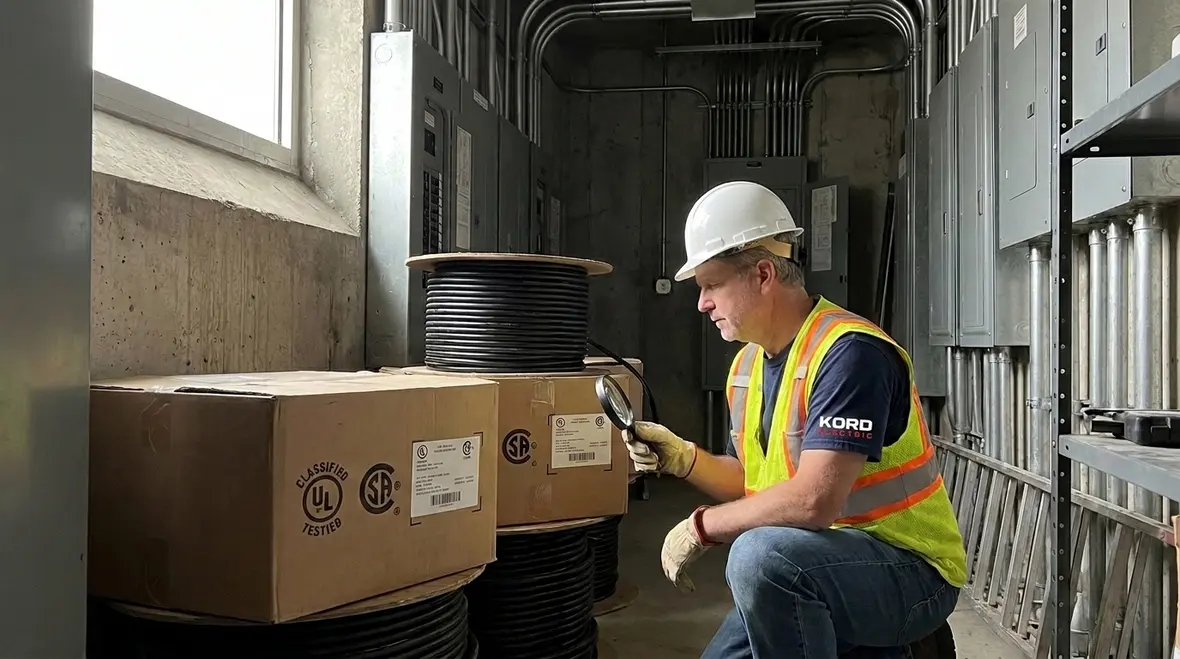
NFPA 70 Section 310.2 does not exist to make your paperwork heavier. Instead, it sets a clear expectation: conductors used in wiring systems should come from a product that has been evaluated and labeled by a recognized testing and listing organization. Then, the listing guides key choices like insulation type, temperature rating, and suitability for the environment.
As we explain it, the conductor listing requirements support the full chain of safety. For example, a conductor that looks fine at first glance may still fail under load, temperature, or installation conditions. Therefore, we treat listing as the baseline, not an optional detail.
Also, because Kord Electric serves commercial and industrial facilities and major property buildings, we focus on systems where downtime costs real money. So, we help others avoid the “it worked for the first week” trap that makes everyone suddenly become electrical experts at midnight.
What “Listed” Means for NEC Conductor Choices
When our technicians review a job, we connect the listing to real installation decisions. That means we check the conductor marking, the rating, and whether the product fits the use case. Then, we confirm that the installed wiring method does not contradict the conductor’s listing.
Here is how the practical workflow usually looks. First, we verify the conductor’s identification and data. Next, we confirm the insulation and temperature rating match the system design. After that, we make sure the environment aligns with the conductor’s listed purpose. Finally, we look at connection methods and terminations, because listed products still require proper installation to perform.
In addition, we follow the broader NEC approach described in resources like Kord Electric’s NEC overview for 2026 updates and Kord Fire’s explanations of how the NEC ties product choices to safety outcomes. While the code keeps evolving, the underlying idea stays stable: listed equipment reduces uncertainty.
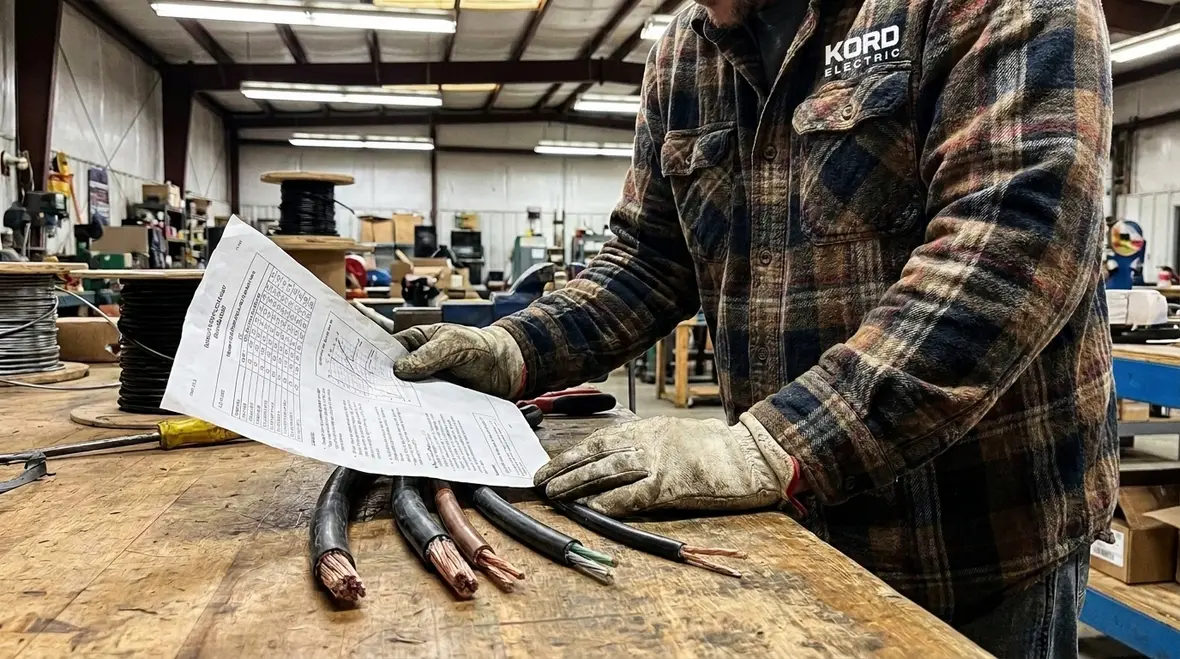
How Kord Electric Checks the Details on Commercial Projects
Commercial and industrial sites often include mixed systems: power distribution, lighting circuits, HVAC loads, and sometimes fire life safety equipment coordination in the same building. Because of that, conductor listing requirements become more than a checkbox. They become a control point that keeps the system consistent.
Our expert service staff typically approaches this with a steady routine. We start with the design intent and the equipment schedule, then we cross check what is on the reel. However, we also plan for the real world. Builders change materials. Suppliers substitute. Someone “makes it work” on a late Friday.
To prevent those surprises, we help clients by reviewing conductor documentation early, then validating field materials during installation. That means we can flag a mismatch before it turns into a costly rework event.
Conductor Ratings, Insulation, and Installation Conditions
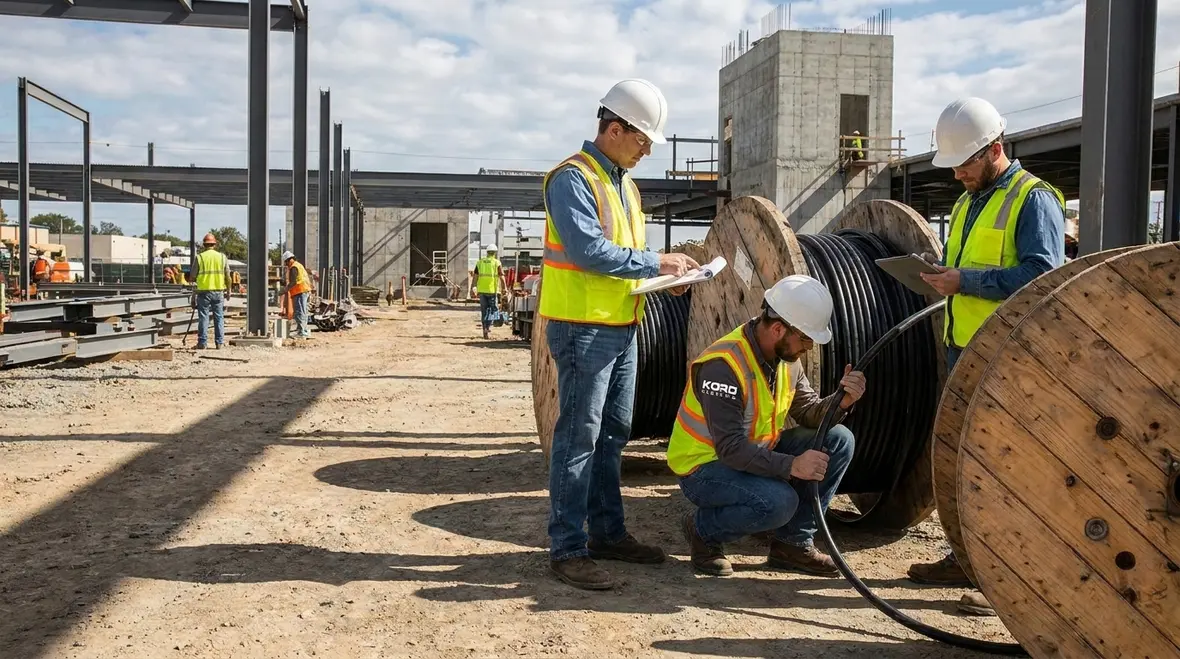
Listing does not stand alone. It works alongside conductor ratings and the conditions where the conductor operates. Even if a conductor is listed, the installation must still respect the rating assumptions. Otherwise, the safety margin shrinks fast.
For example, temperature rating affects allowable loading and the safe operation of terminations. Insulation type affects performance when exposed to moisture, heat, or chemical conditions. Moreover, the wiring method influences physical protection and the way heat dissipates.
Therefore, when we guide teams, we treat the listing as a “permission slip” and the ratings as the “rules of the road.” If someone drives outside the rules, the vehicle might still move, but it stops being predictable.
If that sounds dramatic, it is only because electrical failures tend to be dramatic. Like a superhero origin story, but nobody wants the part where the hero is a fire truck.
Using Listing Requirements During Planning and Submittals
We also see listing issues show up during submittals and procurement. That is where the paper trail either protects the project or leaves it exposed. In many commercial builds, the electrical contractor relies on schedules, but schedules do not carry the full story. The conductor’s specific listing details do.
So, as we work with teams, we request the conductor submittal data and we align it with the NEC direction. Then, we compare it with the design conditions. After that, we document the match so the field team installs the correct product for the correct purpose.
This process supports coordination not just for electrical, but also for related building systems. For instance, fire pump rooms and life safety areas require dependable electrical performance, and third party inspectors expect consistency. When people reference resources like Fire Pump associations and code explainers from organizations such as firepumps.org, they often land on the same theme: reliable electrical infrastructure supports system function when it matters.
In a major property building, the goal is simple. We want the electrical distribution to behave as designed, not as guessed.
Common Misunderstandings We Help Teams Avoid
We hear the same myths in conference rooms and at job sites. First, some people think “any similar conductor” works if the amps look close. However, listing depends on more than amp size. It depends on construction, insulation, and intended use.
Second, some teams confuse listing with compliance to a single requirement. Yet, conductors must satisfy listing for the overall application context. Then, installation rules must follow, or the listing intent loses its value.
Third, people assume that because the conductor is labeled, it always matches the job spec. Unfortunately, labeling does not guarantee the supplier delivered the exact listed item for your specific design. Therefore, our technicians validate the product during installation, especially when projects involve long lead times or multiple deliveries.
When our team points this out, we do it gently but firmly. Think of it like a good co worker who tells you, “Yes, that might work, but it will fail at the worst time.” Nobody laughs, but everyone thanks us later.
FAQ: NEC Conductor Listing Requirements in Section 310.2
Conclusion and Next Step with Kord Electric
When a project involves commercial and industrial systems, we prefer clarity over guesswork. Kord Electric helps clients understand NFPA 70 Section 310.2 listing requirements for conductors, and we apply that knowledge during planning, submittals, and field validation. Our technicians and expert service staff keep the wiring choices aligned with the intended use, the ratings, and the installation conditions. If you want fewer surprises, better coordination, and safer outcomes, contact Kord Electric and let us review your conductor selections before the schedule starts sprinting.
If your facility team is mapping broader NEC strategy beyond conductor listing alone, you can also connect this work with Kord Electric’s wider resources and services. For example, our article on what NFPA 70 covers in practical terms pairs well with Section 310.2 decisions, and our field teams regularly support upgrades, troubleshooting, and code-driven improvements across Los Angeles County electrical services for major property buildings.


