
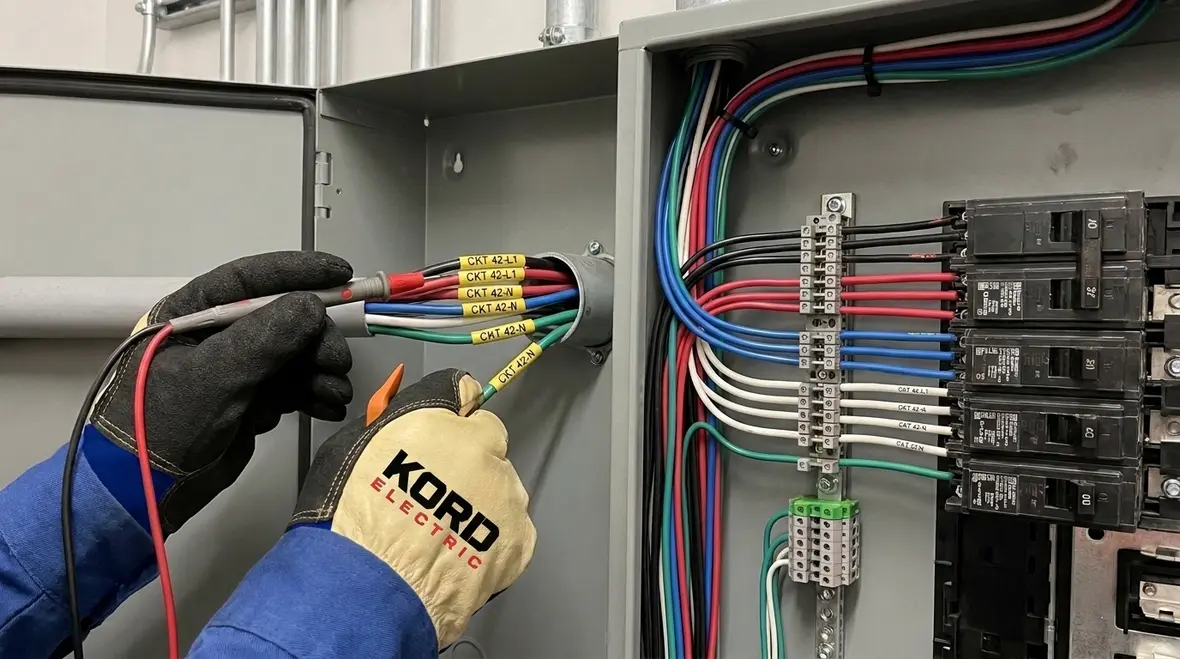
NEC Conductor Marking Requirements for Inspection
NEC conductor marking requirements you will see at inspection
When we talk about NEC conductor marking requirements, we do not mean vague labels that look good from ten feet away. We mean what the code calls for so a qualified person can identify the conductor by design once the cover comes off. In NFPA 70 Section 310.8, the NEC focuses on how conductors get marked, how long markings stay readable, and what information must appear. In other words, we build clarity into the wiring, not guesswork into the troubleshooting. At Kord Electric, our technicians and expert service staff often explain this part in plain terms, because no one should have to play electrician roulette when a breaker trips.
Why NFPA 70 Section 310.8 matters for commercial and industrial sites
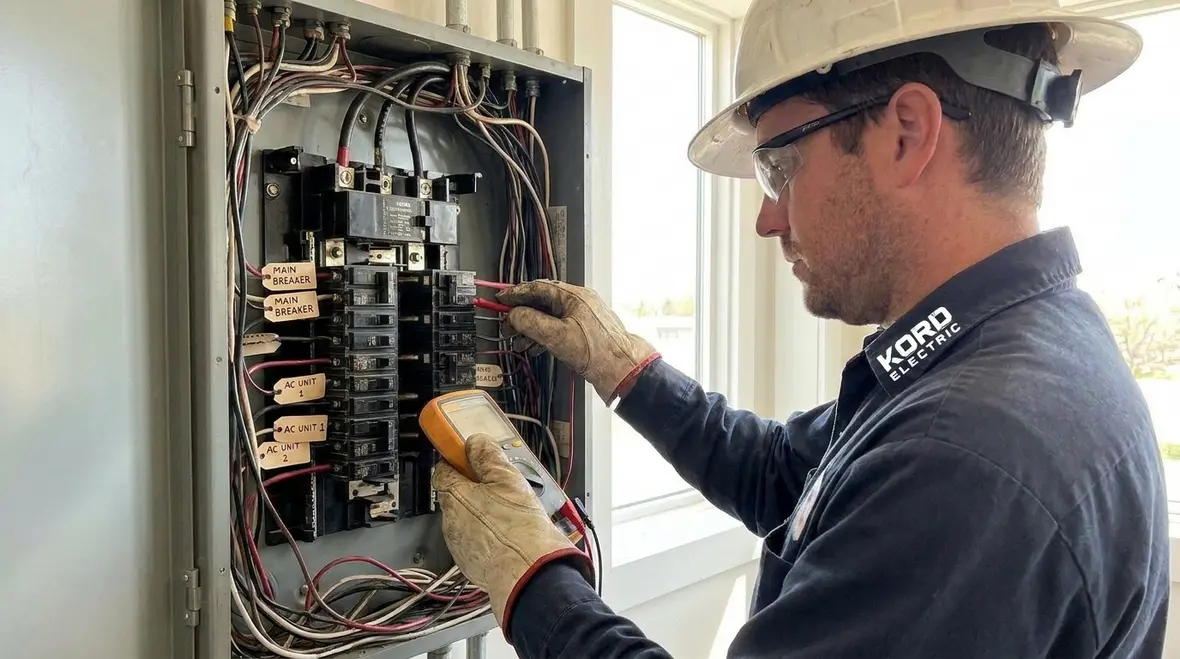
Commercial and industrial facilities live on tight schedules. Therefore, when you need to maintain power reliability, you need quick identification, accurate records, and safer work practices. NFPA 70 Section 310.8 supports that goal by requiring conductor markings that stay consistent with the project intent. As a result, field teams can verify circuit identity without relying on memory, color alone, or sketchy as built drawings.
Furthermore, the marking rules help reduce errors during installation, upgrades, and repairs. When someone replaces a conductor or lands a wire in a new terminal, the site should not become a mystery novel. If the conductors clearly carry the right information, the staff can move faster and make fewer mistakes. And yes, we have seen what happens when labels fade like a cheap concert poster.
What conductor markings must communicate under NEC 310
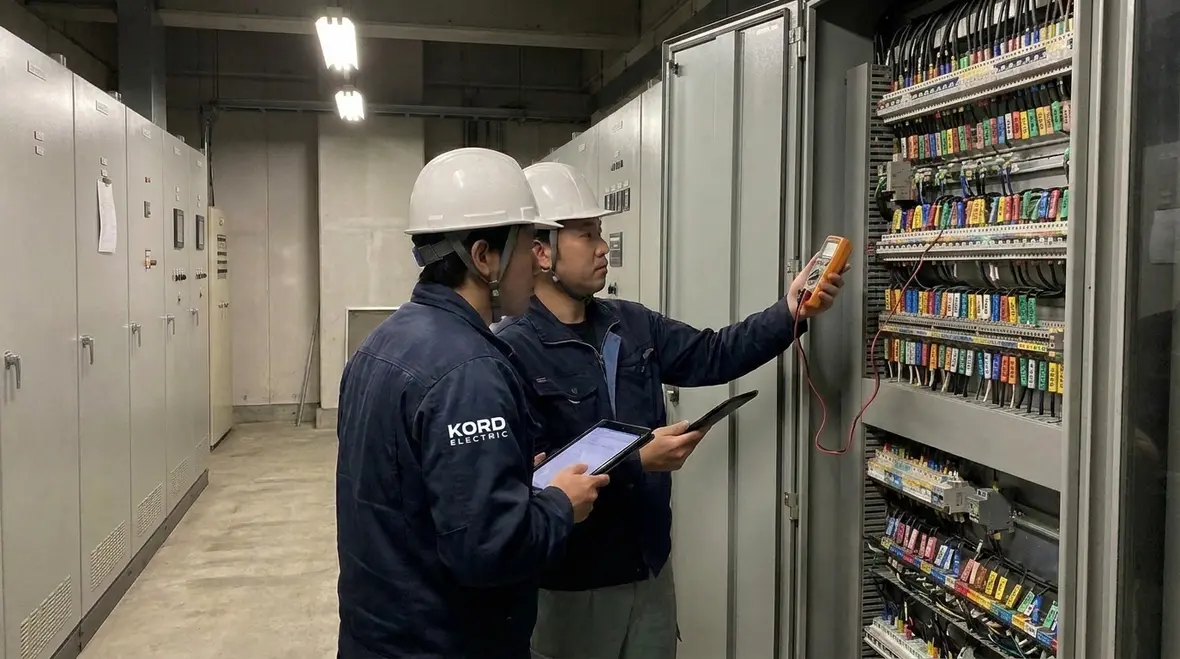
Section 310 sits in the NEC and addresses conductors for general wiring methods. Within that structure, NFPA 70 Section 310.8 directs how conductors should be identified so the system remains understandable after installation. In our experience, most confusion comes from people thinking the conductor needs only “some” identification. Instead, the NEC expects marking that helps anyone verify the conductor’s circuit or system assignment.
Generally, conductor marking must clearly identify the conductors in a way that matches the wiring design. That means the marking should not be random, and it should not depend on one person’s interpretation. Also, the marking needs to remain visible enough to serve its purpose during normal inspection and maintenance work. If the marking disappears the first time heat or abrasion shows up, then it failed the practical intent of the code.
Our technicians explain this with a simple rule of thumb. If a different crew takes over the job later, they should still be able to trace circuits and confirm proper connections. In major property buildings, this matters even more because you may have different contractors over the life of the project.
How markings work in real panels and cable runs
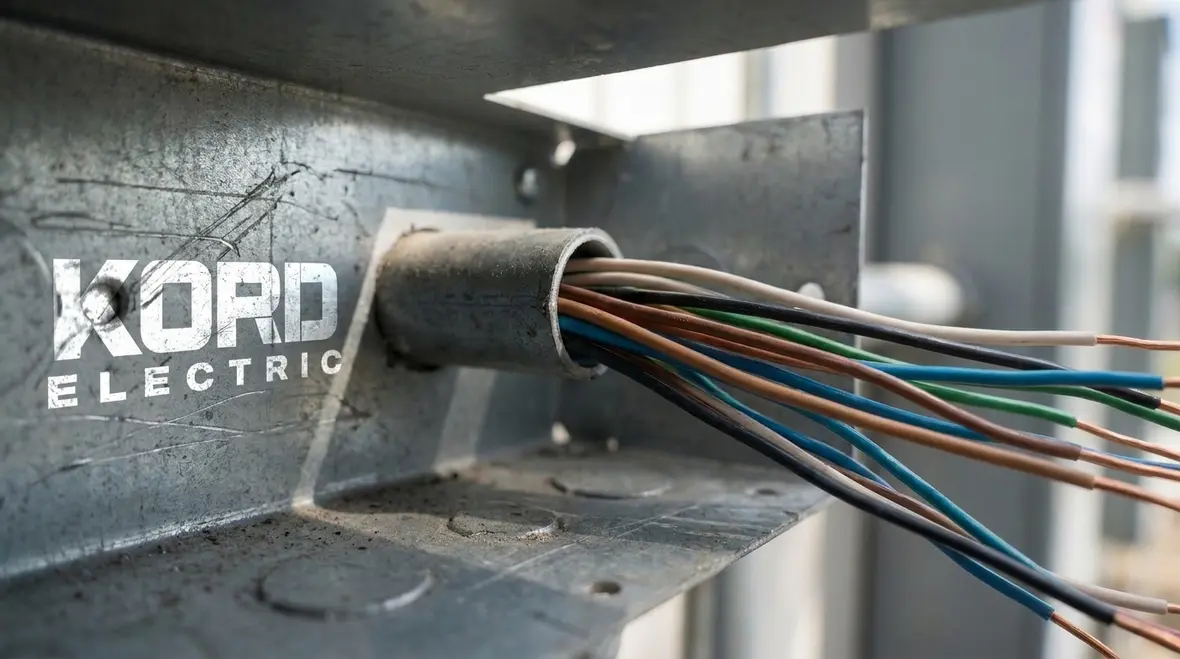
To make the rule actionable, we look at how conductors travel through a commercial electrical system. Conductors leave raceways, pass through cabinets, and land at distribution equipment. Then they sit under covers, near heat sources, and sometimes behind crowded wireways. Consequently, markings that remain readable in a controlled drawing may fail in the real world.
So we treat marking as part of the installation quality, not just a manufacturer detail. For example, we check that the identification method remains intact where friction, bending, and thermal cycling occur. We also coordinate marking with the circuit numbering and panel schedule so the physical wire identity matches the documentation.
As the code intent flows through the system, the goal is not just compliance. It is operational accuracy. Therefore, if a plant engineer later asks, “Which conductor feeds that motor starter,” the staff should not spend an hour guessing. They should follow markings and confirm quickly. That reduces downtime, and it keeps the facility running while others are still searching for labels like they are playing hide and seek.
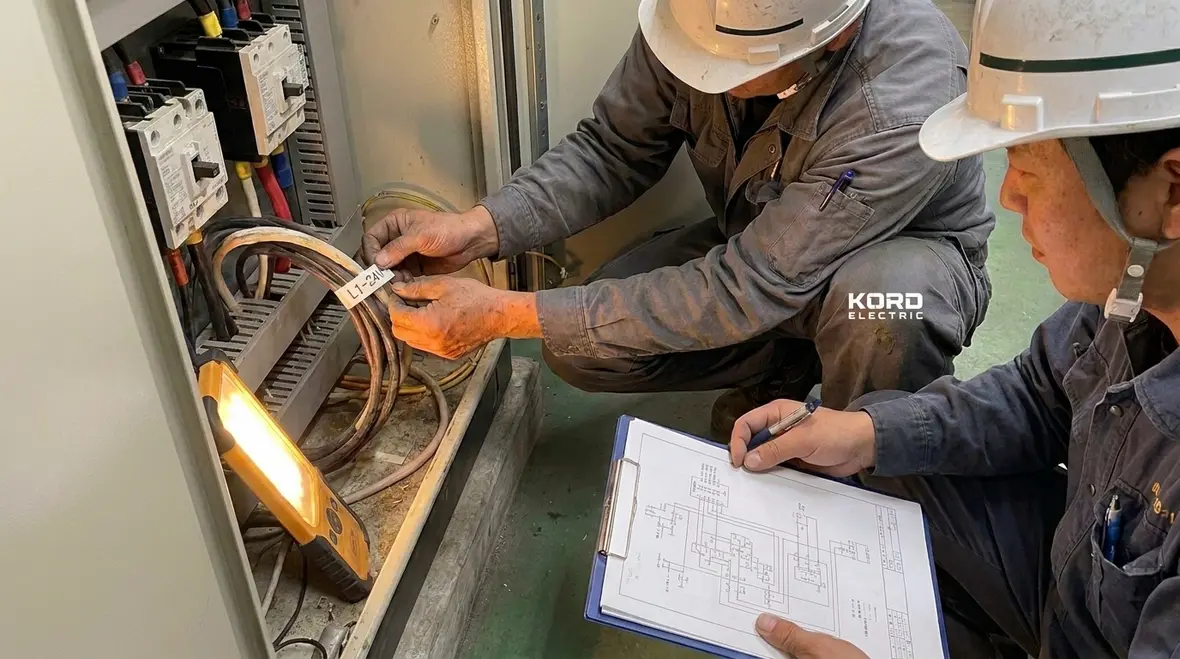
Field practices we support to keep NEC conductor marking requirements consistent
We do not treat marking as a checkbox. We support a process that helps facilities stay audit ready. First, we confirm the wiring plan and circuit designations before termination. Then we verify the conductor identification method matches what the design documents require. After that, we supervise labeling and verify readability under normal service conditions.
Next, we help teams avoid mismatches between conductor marking and other identifiers like terminal IDs. If the conductor says it belongs to circuit A but the terminal schedule expects circuit B, the system creates a conflict. That conflict can turn a routine service call into a slow, expensive detour. In commercial and industrial environments, we prefer speed with accuracy, not speed with apologies.
Finally, our expert service staff documents what we found and what we corrected. We also train maintenance personnel to interpret markings properly. Because when the right people understand the markings, you prevent repeated problems. It is a little like teaching someone to read a map instead of relying on vibes. Vibes have no place in critical power.
Common mistakes that trigger issues during inspections
In many facilities, inspectors do not only look at whether something was labeled. They also check whether the labeling serves its function during real operations. Below are issues we often see, and we explain them in straightforward terms.
- Faded or damaged conductor markings that become hard to read after installation and thermal cycling.
- Inconsistent identification where conductor markings do not align with circuit numbers on panel schedules.
- Partial compliance where some runs get marked properly, but others rely on color or installer memory.
- Unreadable markings inside equipment because labels do not remain accessible or stay legible behind crowded terminations.
- Documentation mismatch where as built records do not reflect what conductors connect to after changes.
To keep you out of the “why is this happening” spiral, we take a proactive approach. We review the job scope, coordinate with the electrical design, and confirm that marking practices work in the field. We also communicate early with facility teams so they understand what will be visible and what will be verified during acceptance testing.
Coordination with other code and safety resources
Code language rarely exists in isolation. Therefore, we look at NEC structure across the project and we also consider how related safety standards influence field decisions. In our training, we often cross reference broader NEC guidance, since conductor identification connects to reliable circuit management, safe troubleshooting, and proper documentation practices.
We also encourage our teams and customers to stay current with updated NEC perspectives. For example, resources we support explain how the National Electrical Code evolves, and how facilities can prepare for changes in 2026. You can explore general NEC context through our Kord Electric guide to the National Electrical Code for 2026 and additional NEC-focused content in the Kord Electric blog, alongside our fire and safety focused content at kordfire.com and kordfire.com.au. For broader background on fire and life safety roles that often intersect with electrical work, we also point teams to firepumps.org when relevant to emergency systems planning.
In practical terms, if a facility manages life safety equipment, emergency power, or critical distribution, then conductor identification becomes part of a larger reliability system. It is not just about the wires. It is about how quickly trained people can respond under pressure.
For owners and managers planning deeper reliability work, these NEC conductor marking requirements pair naturally with broader upgrade strategies like those described in Kord Electric’s resources on Los Angeles County electrical services for commercial and industrial facilities, where conductor identification, connection quality, and documentation all mesh into one inspection-ready package.
FAQ: NEC conductor marking requirements in common scenarios
Call Kord Electric to keep conductor identification inspection ready
When we support your commercial or industrial facility, we focus on real world clarity, not just neat wire bundles. Our technicians and expert service staff verify conductor identification practices, align markings with circuit documentation, and help your team troubleshoot faster with fewer errors. If you are planning upgrades, electrical maintenance, or code related audits, we can review your wiring identification approach before problems show up. Contact Kord Electric to schedule an assessment and keep your system confidently understood by the people who maintain it.
For facilities in our service regions, that support can extend from NEC conductor marking requirements all the way through panel upgrades, distribution changes, and full commercial system improvements, backed by structured planning and documented testing so your next inspection feels like a confirmation, not a cliffhanger.


