
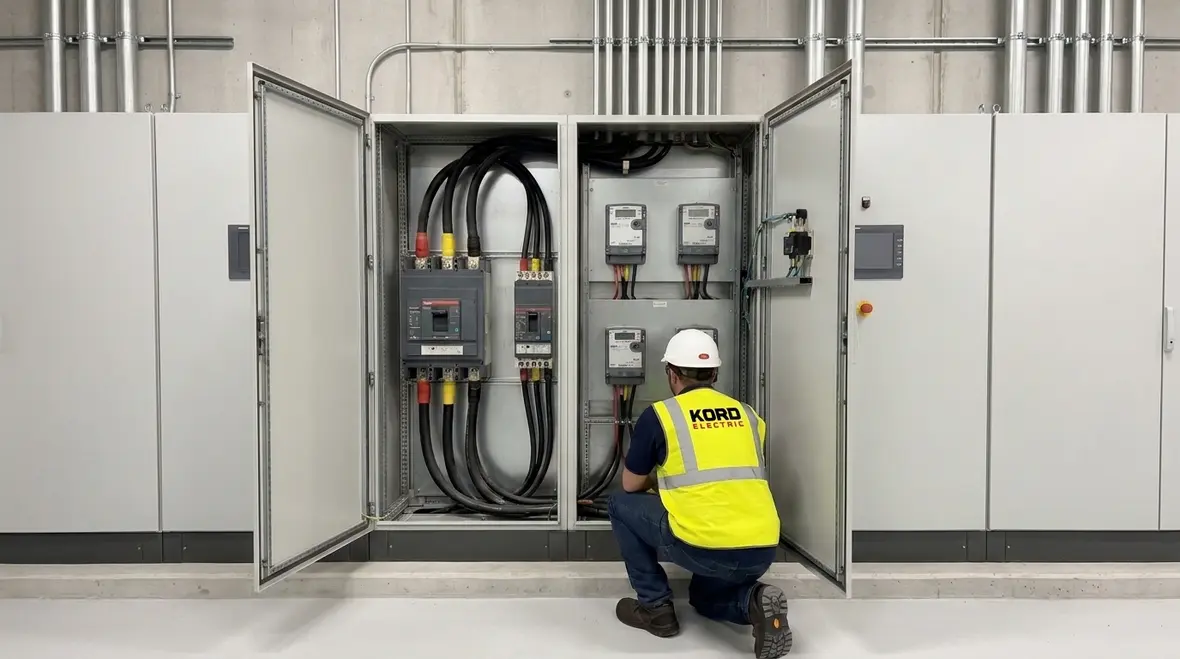
NFPA 70 310.12 Single Phase Dwelling Feeders for Major Properties
NFPA 70 310.12 meets real world power for major properties
In commercial and industrial electrical systems, power delivery must be steady, safe, and built to code. That is exactly where NEC single-phase dwelling feeders become a useful starting point for understanding how installers and inspectors think, even when the jobsite is a large facility instead of a typical home. When we talk about Section 310.12, we mean the rules that guide how single phase services and feeders get sized and protected so the conductors do not overheat or fail under load. And yes, electricity does not care if we meant well. It only cares if we followed the code.
At Kord Electric, our technicians and expert service staff walk the line between what the NEC allows and what the site needs. Then we document the details so owners, building managers, and inspectors can trust the design. While you may hear “it passed once” as a comforting phrase, it is rarely a plan. Let us break down what 310.12 requires and how it affects major property power systems.
What NEC 310.12 covers in plain language
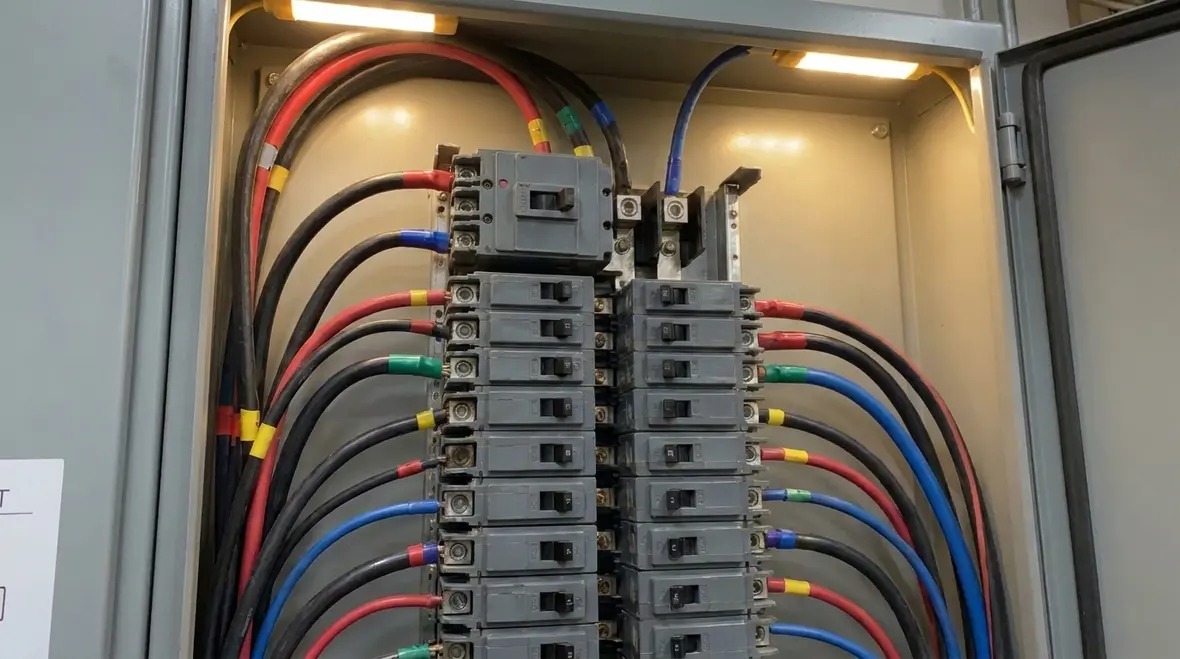
NFPA 70 Section 310.12 focuses on conductor ampacity rules for single phase dwelling services and feeders. However, the logic behind the section still matters for larger projects because it explains how engineers and electricians approach conductor sizing under specific conditions. The code does not just list numbers. Instead, it sets expectations for safe temperature rise, insulation limits, and overload behavior.
Now, our team treats this like a tool, not a slogan. First, we review the service type and load profile. Then, we match conductor ratings to the environment and installation method. After that, we confirm the system protection strategy so the breaker or fuse works with the conductor limits, not against them. In other words, we do not let a breaker “feel brave” while the cable “hopes for the best.”
Because our clients operate at scale, we also think about continuity of power, maintenance windows, and coordination with upstream equipment. That means we often apply the same discipline that 310.12 teaches, then we extend it to the broader NEC rules used for commercial and industrial installations.
How we interpret single phase service sizing rules
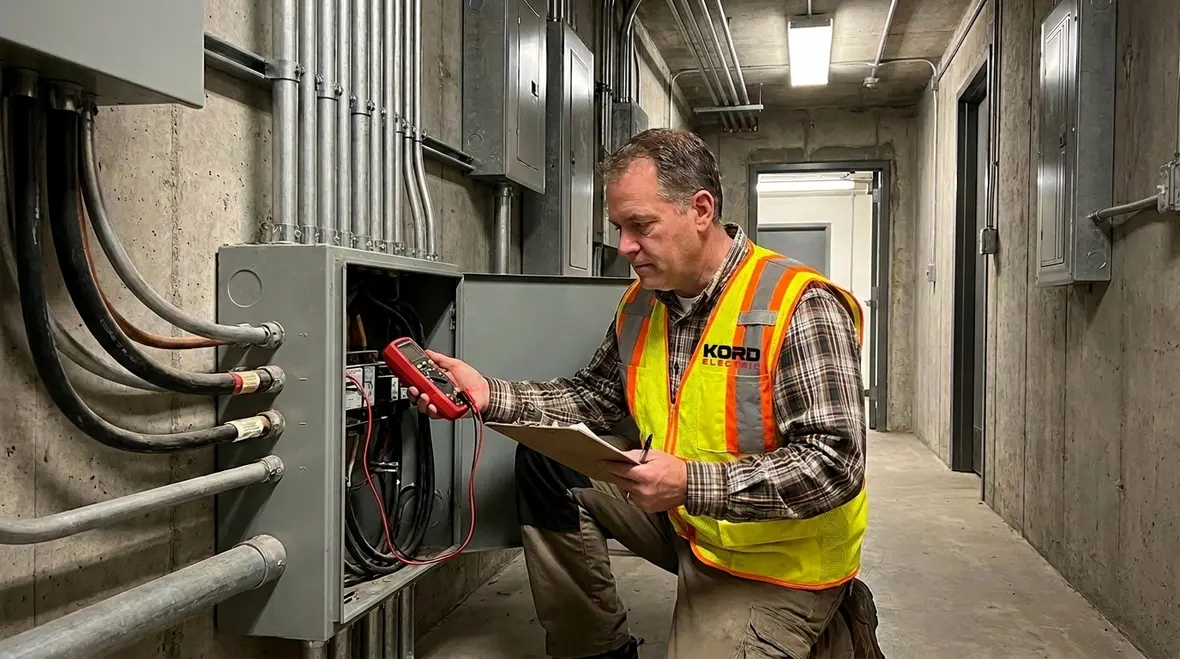
When we analyze a single phase service, we start with load calculation and voltage drop targets. Next, we look at conductor material and insulation rating. Then, we apply the ampacity guidance that aligns with how the conductors run in the field: raceway, cable tray, free air, or enclosed spaces.
At this point, our expert service staff explain something owners can actually use: the “service” is not just a pipe for electricity. It is a pathway with thermal limits. If the pathway runs hot, every connection and termination becomes more vulnerable over time. That includes lugs, breaker connections, and any splice or transition point. And those are the places that tend to show up during the worst possible business hours.
So we do not stop at conductor size. We also verify that the feeder and service conductors are sized and protected so they can handle normal load, startup surges, and expected short duration conditions. When a facility includes HVAC compressors, motor loads, or process equipment, we plan for practical realities, not textbook fantasies.
Why NEC single-phase dwelling feeders still matter on big jobs
Even when a major property relies mostly on three-phase distribution, there are always places where single-phase services and feeders appear: tenant panels, specialty areas, and support spaces. The way we design those circuits affects not only local performance, but also how the upstream gear behaves under load. The NEC single-phase dwelling feeders approach in 310.12 gives us a familiar, structured way to think about conductor behavior before we scale up to the rest of the system.
Where temperature, installation method, and protection must align
NEC rules treat conductor ampacity as a system, not a single number. Therefore, the installation method matters. For example, conductors in conduit in a ventilated area behave differently than conductors packed tightly in a confined space. Likewise, insulation type and conductor count in the same raceway can change allowable current.
Then comes protection. Overcurrent devices must coordinate with conductor limits. Otherwise, the conductor may overheat before the breaker trips. And when that happens, the code’s safety margin disappears quietly, like a pop quiz that shows up after you have already left the building.
On our projects, we align three pieces: conductor ampacity, conductor derating factors, and breaker or fuse ratings. We also confirm that terminations meet torque requirements and that we use properly listed equipment for the conditions. This approach reduces nuisance trips while still keeping the system within safe thermal boundaries.
In addition, we consider future load growth. Major property owners plan upgrades: additional tenants, expanded production, new lighting, and backup power additions. We design so those changes do not force a full rework of the conductor pathway. When we can, we give the building a little headroom without creating waste that nobody will ever use.
Designing around heat, not just amperage numbers
Behind every ampacity value in 310.12 is a story about heat. Conductors do not fail because a spreadsheet said the number was wrong. They fail because the real installation runs warmer than expected for longer than expected. By connecting temperature, installation method, and overcurrent protection in one design conversation, we keep our eye on the real risk instead of just quoting table values.
Common mistakes we see on commercial and industrial sites
Even strong teams can miss details when deadlines tighten. That is why we focus on recurring mistakes, the kind that turn a safe job into a risky one.
- Mixing conductor rules with protection rules: teams size conductors from ampacity tables but ignore how the breaker trips. We correct this by coordinating both.
- Using the wrong assumptions about routing: conductors installed in one arrangement may not match the calculation assumptions. Our technicians verify the field layout before final sign off.
- Underestimating continuous load: facilities often run long hours. We factor continuous duty into the design so the system stays stable.
- Skipping documentation: some projects treat paperwork as optional. We keep load calculations, equipment ratings, and field verification notes organized for audits.
We have also seen “it is probably fine” become a real liability. Electricity does not do casual. It does outcomes. That is why we stick to the NEC logic and explain the “why” to the decision makers, not just the “what.” Sometimes, we even tell the truth with a smile. For example, we remind people that breakers do not read intentions, they read current.
Connecting 310.12 to other NEC sections that protect your project
The same habits that cause mistakes under Section 310.12 tend to show up in other code areas too. Undersized underground service conductors, poor workmanship around terminations, or unclear AHJ expectations can all trace back to skipping the “why” behind the rules. That is why our team pairs feeder sizing work with broader planning, including insights from resources like our NFPA 70 overview for 2026 and related code education on the Kord Electric blog, so every decision shares the same safety logic and documentation discipline.
When Kord Electric applies these rules to real facilities
Our clients include commercial and industrial facilities and major property buildings. That means the power system rarely behaves like a simple single load panel. We typically coordinate with switchgear, service equipment, transfer switches, generator interlocks, and metering arrangements. Each part influences current paths, fault behavior, and thermal stress.
So, we use Section 310.12 as a teaching framework for safe conductor behavior. Then, we apply it within the wider code structure that fits the project. For instance, we verify that service and feeder conductors support the facility’s load mix and that the overcurrent protection matches the conductor and installation conditions.
And because reliability matters, we support commissioning and maintenance planning. We help owners understand what to look for during inspections: loose terminations, signs of heat discoloration, insulation stress, and any pattern of nuisance trips. When our expert service staff explain these indicators, they also explain what actions prevent the same problem from repeating.
For teams who want to read the broader code context, Kord Electric also points clients to the practical code discussions hosted across our network, including guidance about the NEC and how it applies to modern installations. If you want the big picture on national electrical code concepts, our related resources at Kord Fire’s NEC overview and our 2026 code explained blog help connect the dots.
From NEC single-phase dwelling feeders to full system upgrades
On many projects, a review that starts with NEC single-phase dwelling feeders under 310.12 ends with a broader conversation about service upgrades, calculated load rules, and underground conductor sizing. Instead of treating each rule as a separate chore, we help facility teams build a roadmap that ties feeders, overcurrent protection, equipment clearances, and AHJ expectations into one coherent plan. The result is a system that behaves predictably when demand changes, not a patchwork that only works on quiet days.
FAQs about NFPA 70 Section 310.12 and feeder rules
Final takeaway and a call to Kord Electric
NFPA 70 Section 310.12 teaches a simple truth that applies to major properties: conductor ampacity, temperature conditions, and overcurrent protection must agree, or the system pays the price later. At Kord Electric, our technicians and expert service staff apply that discipline across commercial and industrial facilities so power stays stable, inspections stay smooth, and upgrades do not become expensive surprises. If you are planning service work or feeder changes, contact us for a review and code-aligned design support today.
If your facility is located in or around Southern California and you are planning upgrades, expansions, or new construction, our dedicated Los Angeles County electrical services team can help you apply NFPA 70, Section 310.12, and related NEC requirements in a way that protects uptime and keeps your project ready for inspection from day one.
From NEC single-phase dwelling feeders to complex multi-service distribution, we help you see the whole picture: calculated loads, underground service conductor sizing, AHJ expectations, and the long-term maintenance story that follows after the last panel cover is closed. When the design, installation, and documentation all agree, you get fewer surprises, clearer inspections, and a safer electrical system that can grow with your property.


