
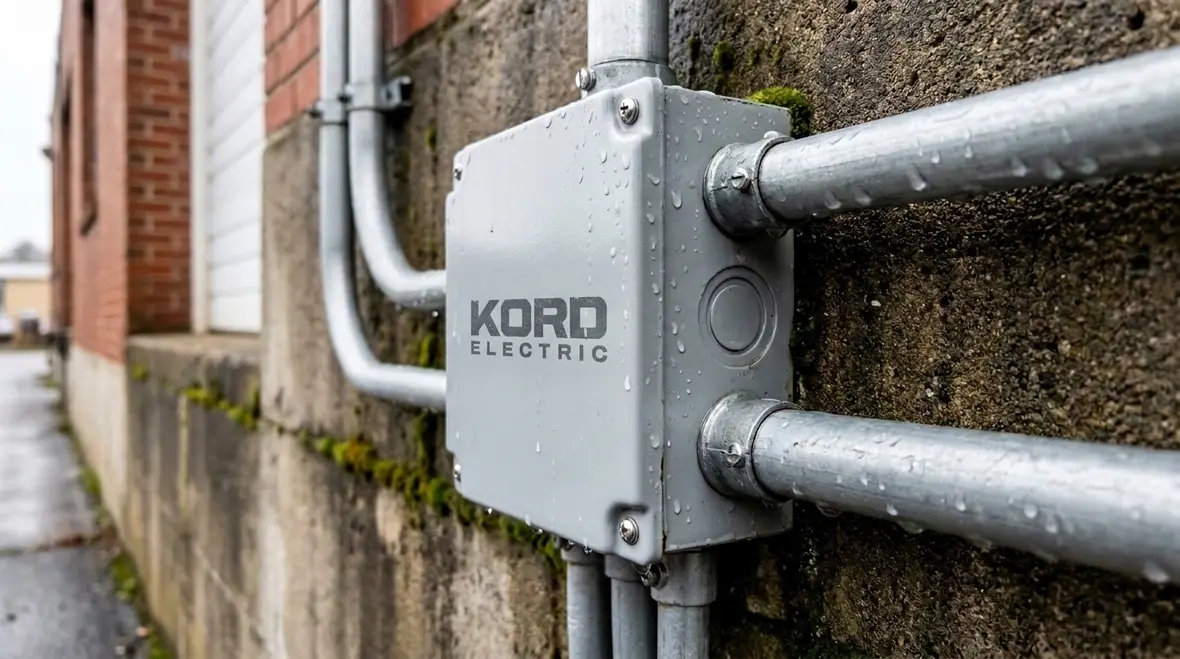
NFPA 70 Section 314.15 NEC Boxes for Damp Wet Locations
NFPA 70 Section 314.15: NEC boxes damp wet locations explained for commercial sites
When a building sits where moisture shows up, electrical gear has to behave like it means business. That is where NEC boxes damp wet locations come into play, and where NFPA 70 Section 314.15 starts doing the heavy lifting. In the first few minutes of a typical site walk with our teams, we often hear the same story: “Everything worked until it did not.” Then water finds a seam, a seal fails, or a box gets installed in a spot it was never meant to handle.
At Kord Electric, we guide commercial and industrial facilities through these NEC requirements with clear, on site explanations from our technicians and expert service staff. And yes, we promise to explain it without sounding like a textbook with a caffeine problem.
Why NEC box rules matter when moisture is part of the job
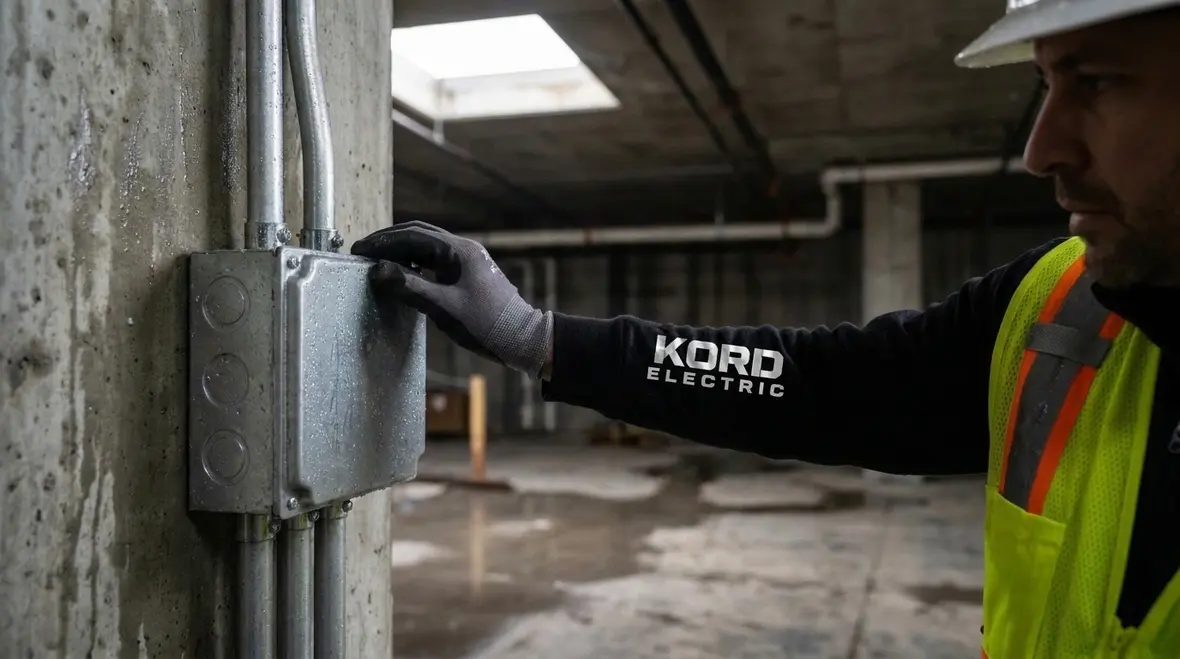
In commercial and industrial environments, damp and wet conditions are not rare events. They can come from exterior exposure, HVAC condensate, washdown areas, humid processing zones, or coastal weather that treats seals like a suggestion. Therefore, code rules exist to reduce risk and prevent recurring failures.
Section 314.15 focuses on boxes used in damp or wet locations because boxes are more than housings. They protect connections, support conductors, and help maintain electrical integrity over time. When a box is wrong for the environment, the result can be corrosion, loosened terminations, insulation breakdown, and nuisance faults that cost real money.
Now, some folks think, “We will just tighten everything and hope.” That approach rarely holds up in the real world. Water does not negotiate. It infiltrates. So, our service team verifies location categories, identifies existing equipment conditions, and then aligns box selection with the requirements that apply.
What Section 314.15 requires for boxes in damp versus wet areas
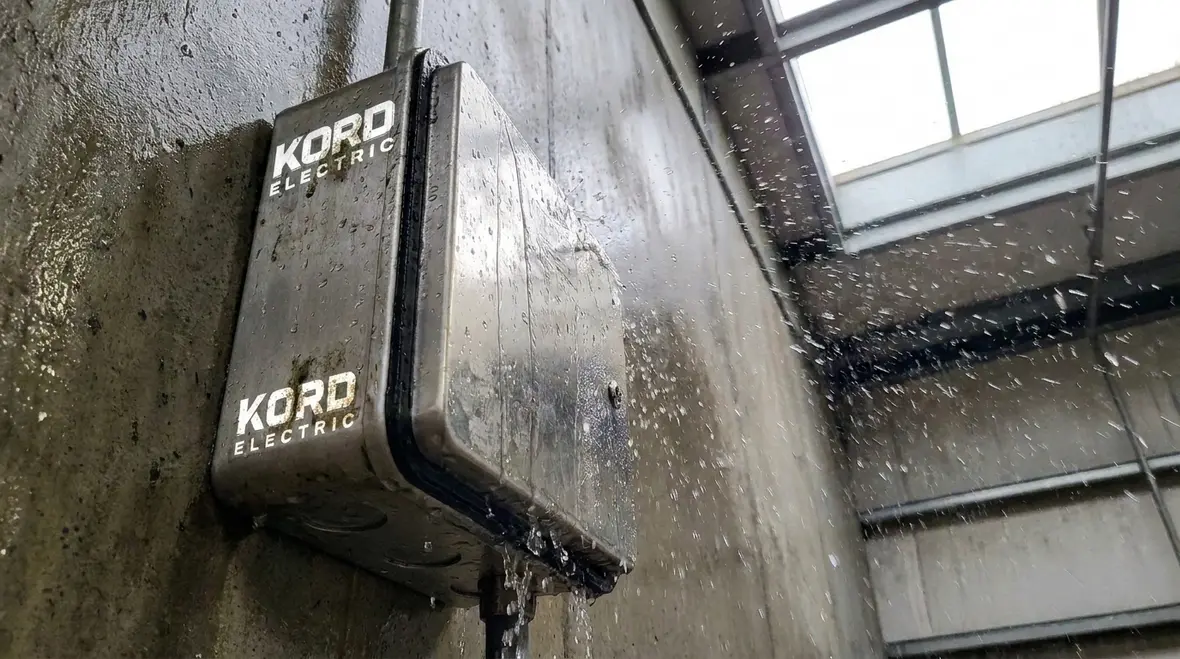
NFPA 70 Section 314.15 sets out how boxes must be designed and used when installed in damp or wet locations. Generally, damp locations allow some moisture, but not standing water. Wet locations see water exposure, including rain, pooling, or conditions where moisture stays in contact for periods of time.
Because failure modes differ, the installation approach also differs. For damp environments, our technicians look for boxes that can withstand moisture exposure while still providing a reliable connection space. For wet environments, the expectations are stricter. We verify the box and cover ratings, the way openings are sealed, and how wiring entries are handled so water cannot travel inward.
Additionally, we pay attention to the full assembly, not just the box. Conduit bodies, covers, fittings, gaskets, and sealing methods must work together. In other words, you cannot pick a “good enough” box and rely on luck. Moisture will find the weak point, and it usually finds it quickly.
Connecting Section 314.15 to broader NEC planning
On commercial projects, Section 314.15 does not sit alone. It ties into how the NEC treats working clearances, grounding, and raceways for harsh environments. That is why facility teams often review it alongside resources that explain the National Electrical Code as a whole, such as Kord Electric’s “Understanding NFPA 70: The National Electrical Code Explained for 2026,” so NEC boxes damp wet locations decisions stay consistent with the rest of the electrical design.
How we evaluate damp and wet location classification at real sites
Rules only matter when they match the site. That is why we evaluate conditions in context. First, our team reviews the building layout and the electrical distribution pathways. Next, we walk the areas where devices and junction points exist, looking for direct exposure, condensation patterns, drainage behavior, and airflow effects from nearby equipment.
Then we map the wiring routes and termination points. We ask how water could get there, how long it could stay, and whether a splash zone exists. In industrial facilities, moisture can follow airflow paths. In some commercial buildings, it collects near soffits, exterior raceways, or service corridors. Therefore, we document what we find so the design or retrofit matches the environment.
Our expert service staff also checks how the installation was done previously. If there are signs of corrosion, staining, or repeated call backs, we treat it as evidence. We do not blame the last crew for sport, but we do learn from what the equipment tells us.
Documenting classifications for long term maintenance
Once we classify areas as damp or wet, we document that decision using language that maintenance teams can actually use. Panel schedules, one lines, and site notes reference the same categories, so when someone changes a conduit or swaps a box, they see immediately whether NEC boxes damp wet locations rules apply and which Section 314.15 expectations they have to maintain.
Installation details that prevent failure, not just code compliance
Even when a box is rated correctly, installation details make or break long term performance. So we focus on the practical steps that keep electrical connections dry and stable.
Sealing at openings
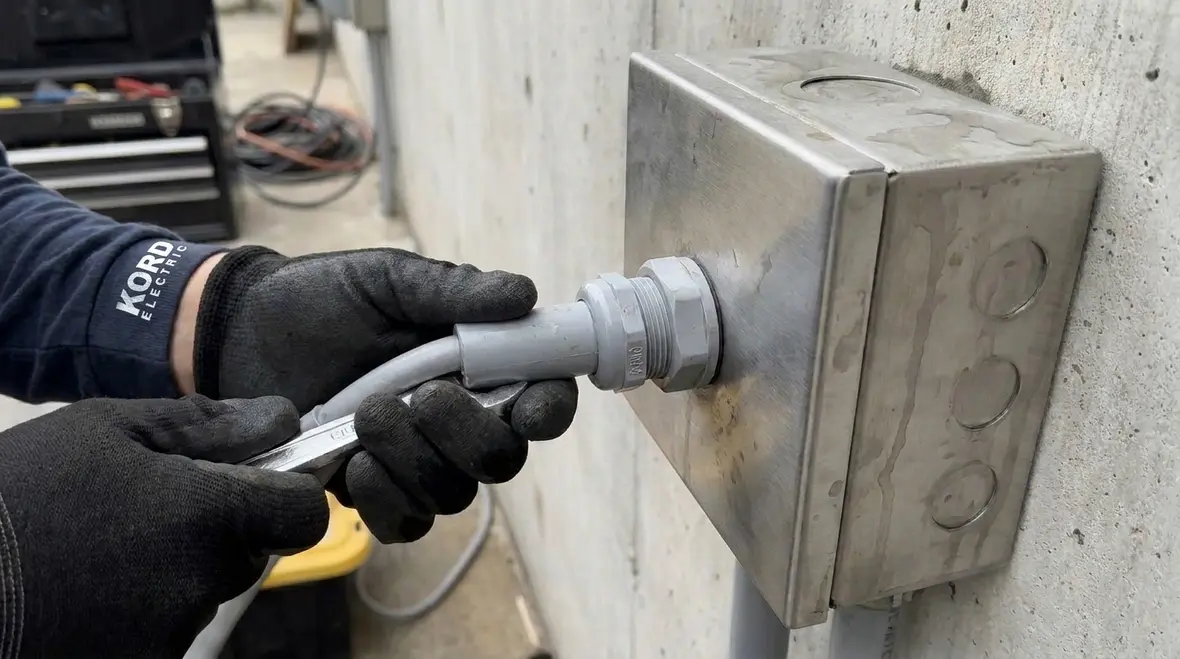
We make sure every opening gets the right fitting and seal. Where conduit enters a box, we verify the components used and how they block moisture. If a box has unused openings, we ensure they are properly closed.
Cover fit and condition
A box cover that does not fit tight, or is missing gaskets, can become a water entry point. Consequently, we check covers, hardware, and gasket condition during inspections and service calls.
Conduit and raceway continuity
Water can travel along conduit runs if the system is not sealed. Therefore, we coordinate box locations with conduit routing and sealing strategy. This is especially important in areas where water drips, splashes, or accumulates.
Conductor and connection integrity
Moisture exposure harms more than the box. It can affect terminations and insulation. Our technicians inspect connection points for signs of stress, corrosion, or poor strain relief, and we recommend corrective work when needed.
And yes, there is a common “fix” that shows up in the field: duct tape. Duct tape can repair a boat, a costume, and a sense of optimism, but it is not a recognized approach for NEC boxes in damp wet locations. We would rather keep your facility running than let it become a one episode sitcom about why the power keeps going out.
Why commercial and industrial projects need a disciplined approach
In major property buildings, the electrical system has to perform day after day. Therefore, we keep our process structured for facilities like warehouses, manufacturing sites, data heavy offices, healthcare-adjacent campuses, and multi tenant commercial structures. We do not treat this as a one time checklist.
We support planning, review, and retrofit work with the same mindset. First, we confirm how the site defines damp or wet conditions. Next, we identify what NEC requirements apply to each location. Then we verify equipment selection and installation practices across the full assembly.
Finally, we document what we did and why. That matters because maintenance teams need a clear record. When future service happens, the next technician should not have to guess. Our goal is simple: fewer failures, safer conditions, and reliable uptime.
We also coordinate with facility stakeholders to keep work within planned schedules. Nobody wants electrical work to become an unplanned demolition scene. So we plan access, route containment, and testing so operations keep moving.
Linking damp and wet location work to broader NEC projects
For many clients, Section 314.15 work happens alongside other NEC driven upgrades, such as supply side grounding checks or workspace clearance corrections. When Kord Electric supports a project, we align NEC boxes damp wet locations decisions with related efforts, and we point facility teams to additional resources like Kord Fire’s “NFPA 70: All About The National Electrical Code (NEC) 2026” so the damp and wet strategy fits inside the wider code picture.
Using NFPA 70 resources and guidance during design and service
Our team stays aligned with NEC updates and core safety principles drawn from NFPA 70 education. In that spirit, we review guidance and interpretations shared through trusted industry resources and our own internal technical training.
Additionally, we connect the rules to real decisions: which box type and cover rating suits each spot, how to handle wiring entries, and how to seal properly in damp or wet environments. That is where the gap often appears between “code language” and “field reality.” Our technicians bridge it so your project stays grounded in safety and performance.
And if you need a starting point, Kord Electric provides accessible NEC context through our blog materials, and our broader fire and electrical safety education efforts help customers see how these topics connect across systems. Visit kordelectric.com and the related kordfire.com resources for additional reading, including NFPA 70 explainers that sit alongside this discussion of NEC boxes damp wet locations. For teams comparing guidance on prevention and system safety culture, groups like firepumps.org can also offer helpful industry perspective.
Bringing Section 314.15 into your next project scope
When owners plan electrical work across exterior corridors, roofs, loading docks, or washdown areas, we recommend treating Section 314.15 as a defined part of the scope, not an afterthought. That includes identifying every box in a damp or wet location, confirming its rating, and checking the installed condition. On larger projects, our team often pairs this with broader NEC reviews so your damp and wet strategy lines up with grounding, raceways, and working space expectations from the start.
FAQ: NEC boxes damp wet locations
Conclusion and call to action from Kord Electric
If your commercial or industrial facility has exterior runs, washdown areas, humid zones, or any electrical gear exposed to moisture, NFPA 70 Section 314.15 deserves more than a quick glance. Kord Electric helps you identify damp and wet conditions, select the right NEC boxes, and verify installation details that keep connections safe over time. Our technicians and expert service staff explain the “why,” then deliver the “done right.” Contact us to review your site and reduce repeat service calls.
We support customers across Southern California with a full suite of commercial and industrial electrical solutions. If you are planning upgrades, retrofits, or new work across major property buildings, you can also explore Kord Electric’s Los Angeles County electrical services for commercial and industrial facilities to see how NEC boxes damp wet locations fit into a broader reliability and safety strategy for your site.
For teams that want to keep building their NEC knowledge base beyond Section 314.15, Kord Electric’s code-focused articles on topics such as grounding, working clearances, and raceway planning connect the dots between individual rule sections and the larger story of how NFPA 70 shapes your day-to-day electrical decisions.


