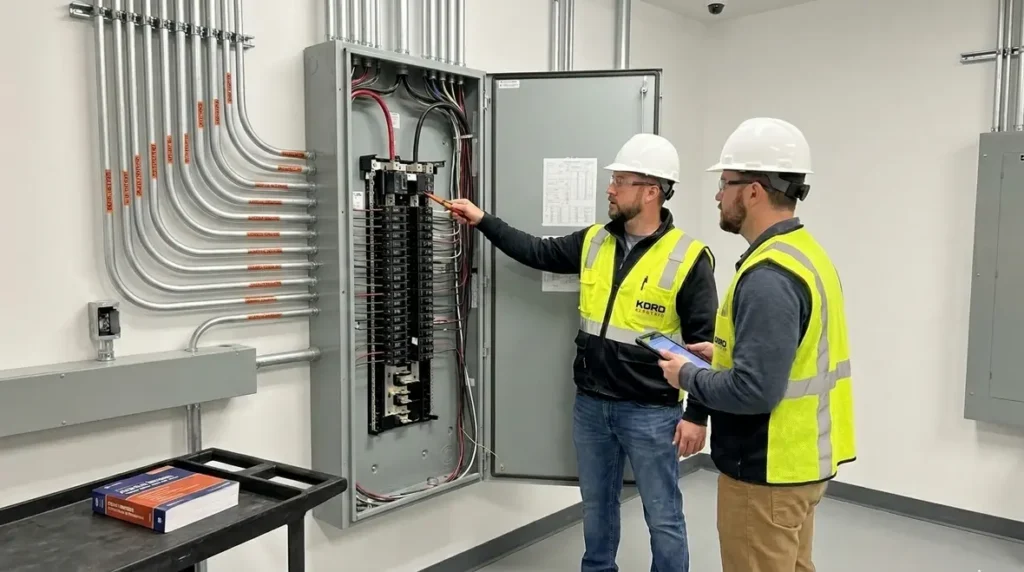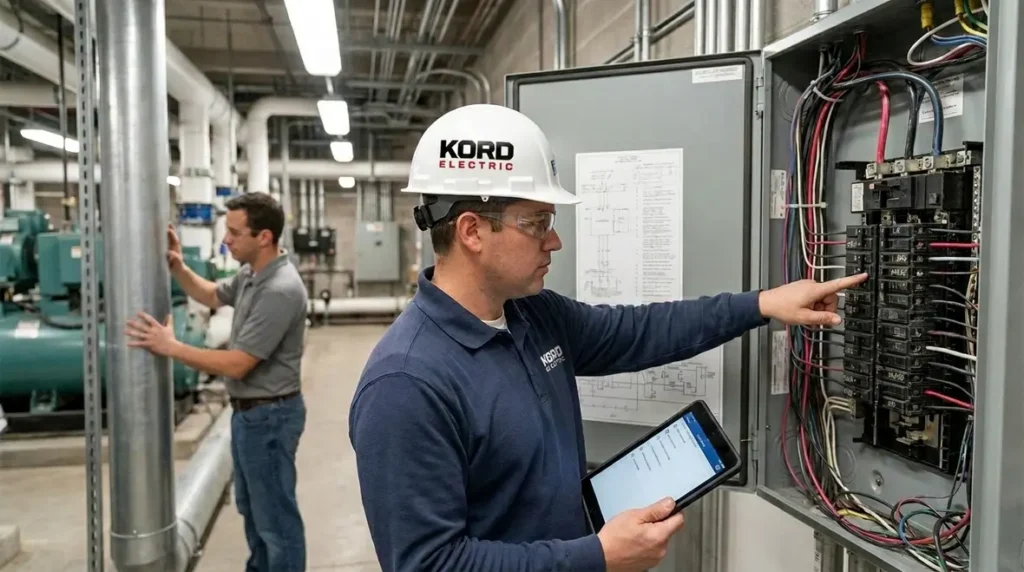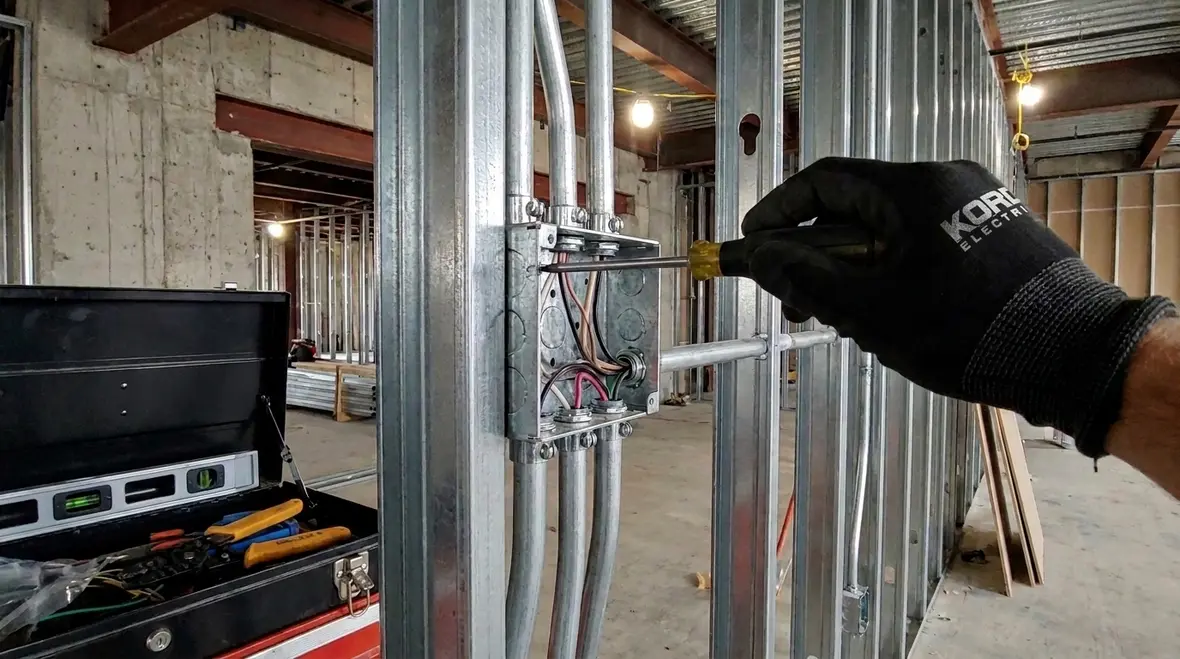
NEC Metal Boxes Requirements: What 314.6 Demands
NEC Metal Boxes Requirements Start Here: What Section 314.6 Really Demands
In commercial and industrial facilities, the details of NFPA 70 Section 314.6 can decide whether an electrical system stays safe, serviceable, and compliant. The NEC metal boxes requirements under 314.6 focus on how metal boxes and housings must be made and installed, so they support wiring methods without creating hazards. Within the first stretch of our planning, we make sure the NEC metal boxes requirements for metal boxes fit the job: where they go, how they connect, and how the box supports the equipment inside. Then we back that up with a field check, because paperwork alone is like a smoke detector with no batteries. Kord Electric teams explain it in plain language, and our expert service staff walk through what to expect before work starts, not after something goes sideways.
Why 314.6 Matters for Commercial and Industrial Buildings
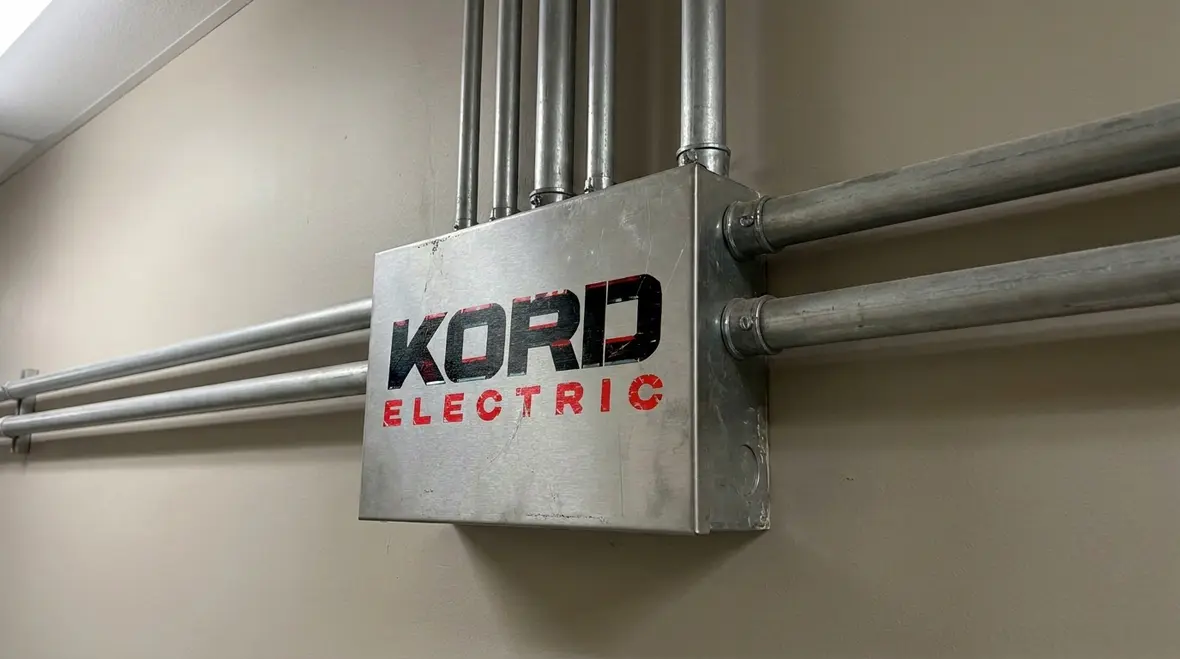
When a facility runs 24/7, electrical problems do not stay small. They travel. A loose box, a weak connection, or a poor support method can lead to damaged conductors, loose terminations, or unwanted stress on raceways. Therefore, Section 314.6 exists to keep metal boxes aligned with the wiring system they support.
In practice, we see two common failure paths. First, boxes installed without proper consideration for conduit or cable entry can create strain points. Second, metal boxes that fail grounding and bonding expectations become a weak link when you need the system to behave predictably during faults. And let us be honest, “predictably” is a word nobody wants to say about electrical failures, right after “we thought it was fine.”
Our technicians treat these requirements as part of a full build logic. They do not just match dimensions. They consider routing, access for service, and how the facility team will maintain the system over time. In major property buildings, that approach helps reduce downtime and avoids costly rework.
What Section 314.6 Requires for Metal Boxes and Their Connections

Section 314.6 deals with metal boxes and their installation rules. While the NEC covers many box types, this section targets the metal versions and how they must work as part of the electrical wiring system. In our work, we focus on three practical areas: mechanical support, proper use with wiring methods, and how the box supports the integrity of the circuit.
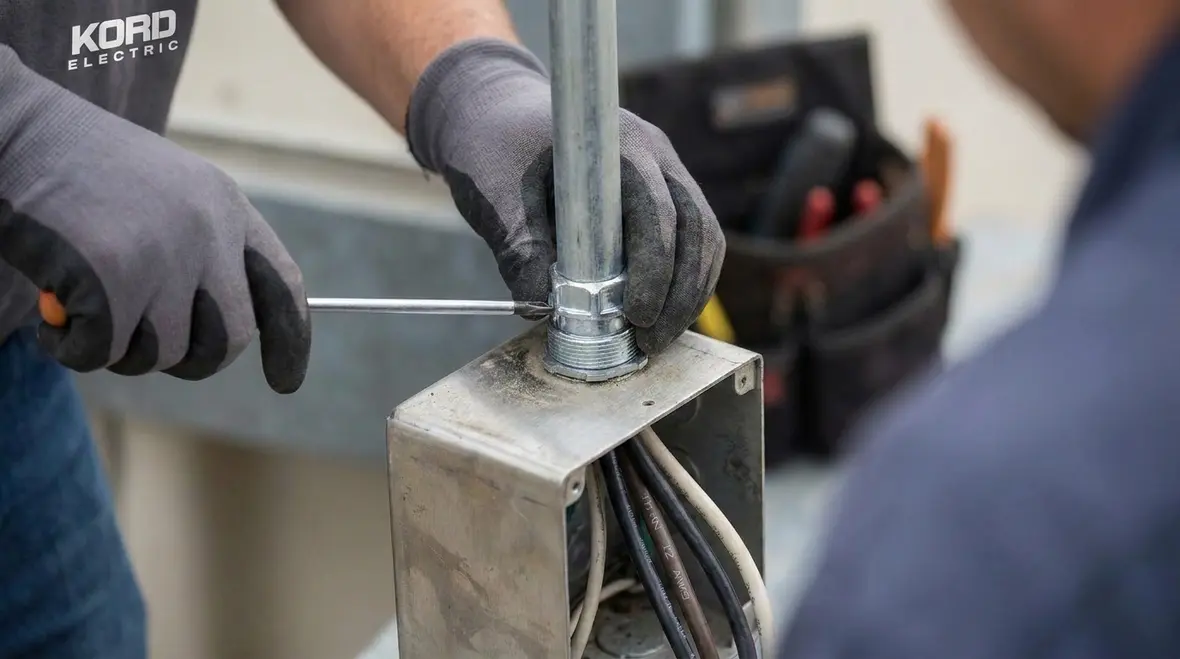
First, metal boxes must be secured so they do not shift. That means the box cannot rely on weak mounting or guesses. Instead, we confirm that the box stays aligned and offers secure anchorage. As a result, cable or conduit entries do not get battered during normal building operations, maintenance, or future upgrades.
Second, the box must accept and properly support the wiring method entering it. If the conduit or cable system needs fittings or bushings for protection, we use them. Then we verify the entry method matches the wiring method design. This step matters because sharp edges can damage insulation, and damaged insulation is a long term liability disguised as a short term convenience.
Third, the metal box plays a role in the overall electrical continuity. Therefore, we ensure it fits the grounding and bonding strategy of the project. Our expert service staff explain the intent clearly on site, especially when facility managers ask why we spend time on box level details rather than just “powering it up.” We point out that the goal is not only to energize, it is to keep it safe under real conditions.
Installation Best Practices Our Technicians Use in the Field
Even when drawings look correct, the field decides compliance. Therefore, we run a repeatable process in commercial and industrial environments, especially for major property buildings that need reliable access and clean layouts.
Box alignment, location, and access for service
We place metal boxes so technicians can reach them during inspection and repairs. Then we keep clear access around cover plates. That reduces time during troubleshooting and helps teams follow safe work rules.
Conduit and cable entry checks
Before closing walls or finishing ceilings, we inspect how each entry connects. We confirm that fittings protect conductors, and that the metal box does not become a place where wiring gets forced or pinched. If a run needs adjustment, we adjust early, because fixing a wiring path after finishes is the electrical equivalent of rebuilding a kitchen after the guests arrive.
Bonding and continuity verification
We follow the site grounding and bonding design and ensure metal boxes participate as intended. That means we verify connections and look for conditions that could break continuity. Our team documents what we verify, so facility staff and inspectors see the same story.
Coordination with fire and life safety systems
Commercial buildings often tie electrical systems to life safety needs. Therefore, we coordinate with the rest of the project scope, including fire protection planning. If the building uses pump systems, alarms, or related controls, we confirm the electrical box installation supports the system behavior needed for safety.
Common Mistakes That Create NEC Metal Box Problems Later
In our experience, most issues do not come from malicious shortcuts. They come from rushed schedules, unclear site conditions, or “we will fix it later” thinking. And later is where compliance gets expensive.
Here are the mistakes we watch for on commercial and industrial projects.
- Improper support where the box can shift due to poor anchoring, especially on vibrating structures or long conduit runs
- Damaged conductors from missing protection at conduit entry or from forcing cable through an opening that is not sized correctly
- Mismatch between wiring method and box entry, where the design assumes a specific fitting but the field uses a different approach
- Incomplete bonding, where a metal box does not get included in the project continuity plan
- Hard to service placement, where the box ends up behind finished surfaces with no practical access, turning routine checks into risky demolition
To keep projects moving, we explain these risks to the facility team early. Then we offer solutions before the schedule tightens. It is a calmer way to run a job, and frankly, calmer jobs cost less in rework.
How Kord Electric Supports Compliance From Design to Commissioning
Kord Electric works with commercial and industrial facilities and major property buildings. That focus matters because these projects have recurring needs: inspections, upgrades, and fast response when systems act up.
Our approach combines planning, field verification, and clear communication. First, we review the installation expectations and make sure the metal boxes placement and wiring method choices align with the NEC intent. Next, our technicians follow through on site checks that confirm the metal box system supports the wiring method without stress or damage. Finally, we help with handoff so facility teams understand what was installed and why it was installed that way.
In addition, our broader ecosystem supports safer electrical and life safety planning. Through resources and partnerships tied to code education and fire related systems, we help teams connect electrical box requirements to the bigger safety picture. Facility teams who want a foundational overview often start with our explanation of NFPA 70 in Understanding NFPA 70: The National Electrical Code Explained for 2026, then use that context to interpret project specific details.
Some people treat code like a pop quiz. We treat it like a safety system. You do not wait until the movie starts to check if the smoke detector works, right?

Related Code Topics Facility Teams Usually Ask About
When teams focus on metal boxes under NEC rules, they often also want to understand how that ties to the rest of the job. Therefore, we often see follow up questions about how wiring methods connect to equipment, how grounding and bonding fits the overall plan, and how inspections should look when the system is ready.
For major projects, we also connect electrical layout planning with the facility’s life safety strategy. If fire systems exist, electrical components must support those systems reliably. For example, electrical feed control and related wiring practices affect performance, and box installation quality influences long term reliability.
What our team checks
- Box anchoring and stability
- Correct fittings at entries
- Conductor protection
- Grounding and bonding continuity
- Access for future service
How we communicate it
- Plain language explanations
- Site notes for facility staff
- Inspection readiness steps
- Field corrections before closeout
- Clear handoff for maintenance
FAQ: NFPA 70 Section 314.6 and Metal Box Requirements
Schedule a Kord Electric Review for Your Next Project
If your team manages electrical work for a commercial facility or a major property building, you do not need guesswork. Kord Electric brings experienced technicians and an expert service staff who explain requirements, check metal box installation details, and help your project move toward inspection readiness with less stress. If you want a code minded review aligned with NFPA 70 and the realities of the field, contact us now. We will walk through what you have, what needs attention, and what we can fix before closeout.
For facilities in Southern California that need broader electrical help beyond NEC metal boxes requirements, our Los Angeles County electrical services team supports design, installation, maintenance, and troubleshooting across commercial and industrial sites. That way, the same code focused mindset that protects your metal box installations also supports panels, feeders, emergency power, and life safety related systems.
If you want to connect these requirements with a full building strategy, you can also explore how emergency power, surge protection, and data driven design support long term reliability on the Kord Electric blog and related Kord Fire resources. When the wiring rules, life safety systems, and maintenance plan all line up, Section 314.6 stops feeling like a random code citation and starts behaving like part of a practical safety roadmap.
When you are ready to turn that roadmap into real installations, our team is ready to help.