NEC Round Boxes Requirements in NFPA 70 314.4
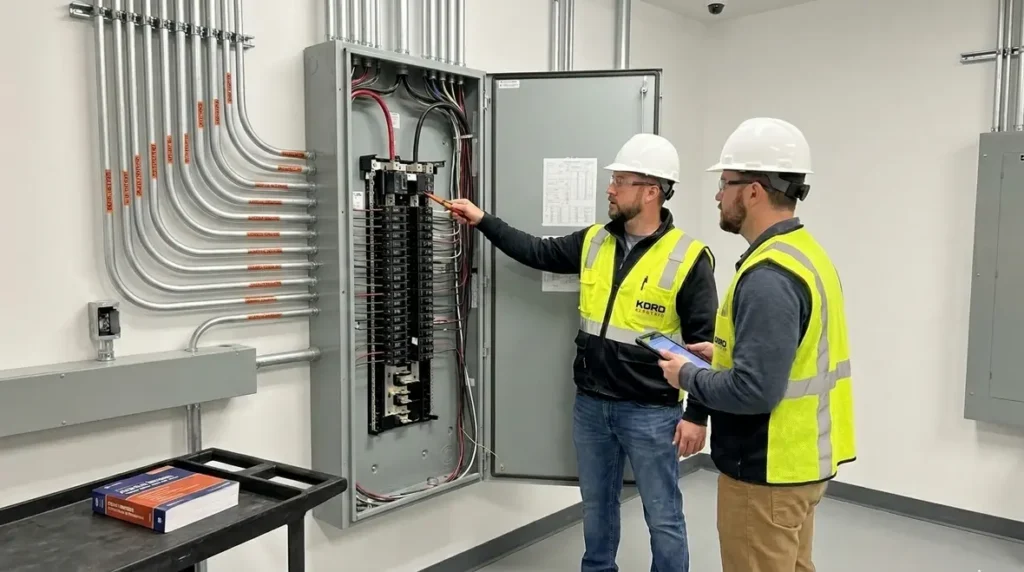
In the hands of licensed people, NEC round boxes requirements bring order to how wiring devices and equipment get installed. We at Kord Electric follow the NEC rules, and we pay close attention to NFPA 70 Section 314.4 because round boxes change how openings, mounting, and conductor routing must work. In practice, that means your facility gets a cleaner layout, safer enclosure support, and fewer “mystery” field fixes later. Our technicians and expert service staff explain it in plain terms as they work, because we would rather teach the plan today than troubleshoot the mess tomorrow. And yes, we have seen electricians build a whole universe out of a sloppy box mount. Fortunately, we help them start over, properly.
What NFPA 70 Section 314.4 actually covers for round boxes
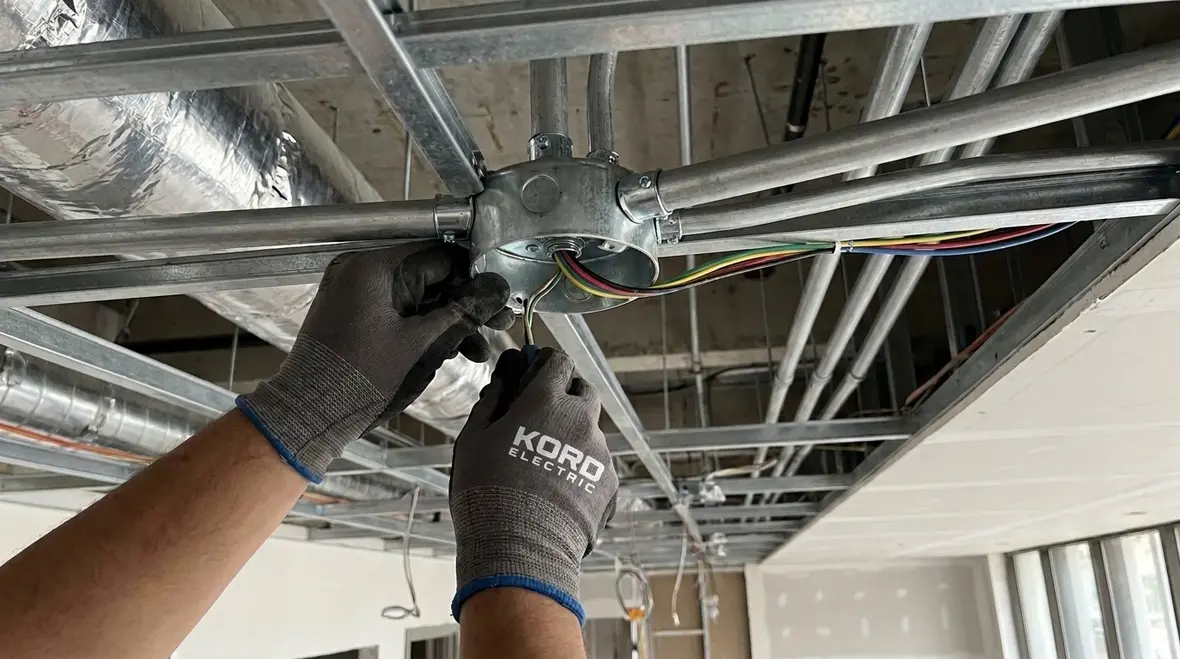
When a project calls for round boxes, NFPA 70 Section 314.4 sets expectations for how those boxes get used and installed. The core idea is simple: the box must support the device and wiring in a way that stays reliable over time. That includes how the box is sized, how it attaches to the building structure, and how the box interfaces with wiring methods allowed by the NEC. In other words, the round box is not just a container. It becomes part of the electrical system’s safety path.
At Kord Electric, we make sure the design intent matches what gets built. Then we confirm that installation details line up with the equipment and wiring method on the drawings. As our technicians explain during walkthroughs, code compliance is not a checkbox. It is a chain of decisions that either holds under load or breaks under pressure.
To keep things calm and clear, we also note that “round box” is not a single generic item. Facilities use different depths, styles, and mounting patterns, especially in commercial and industrial spaces where wiring routes can be dense and access may be limited. So, we align the box selection with the actual layout, not with guesswork. Guesswork is fine for trivia night. It is not fine behind a wall.
Where NEC round boxes requirements show up in real commercial builds
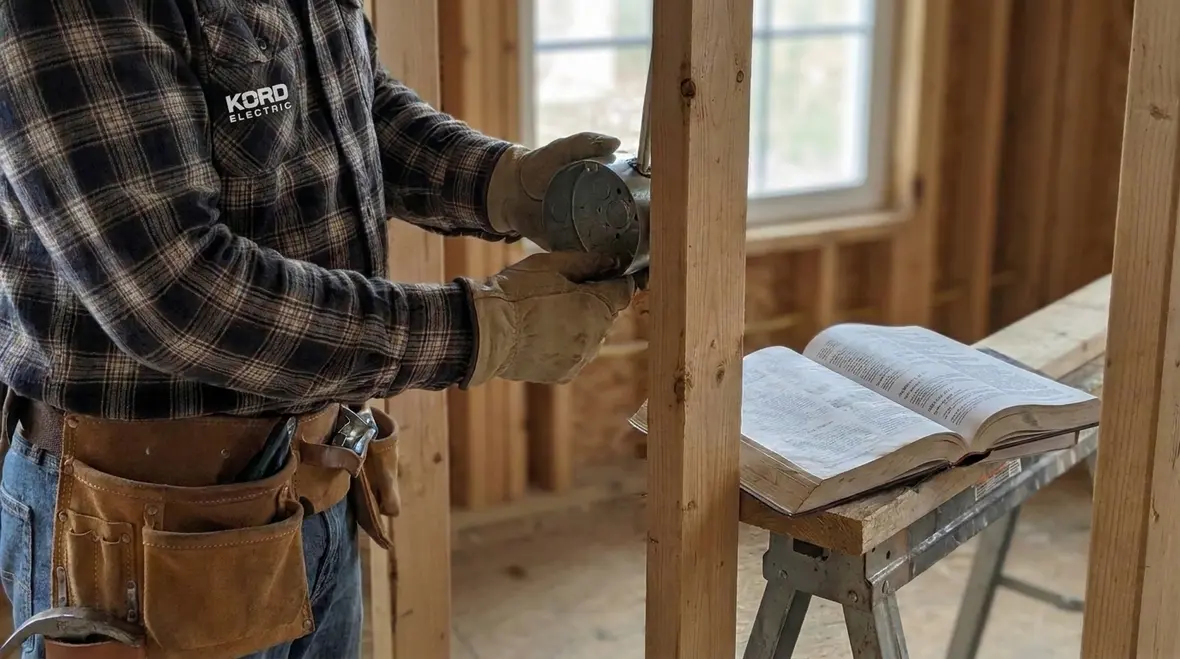
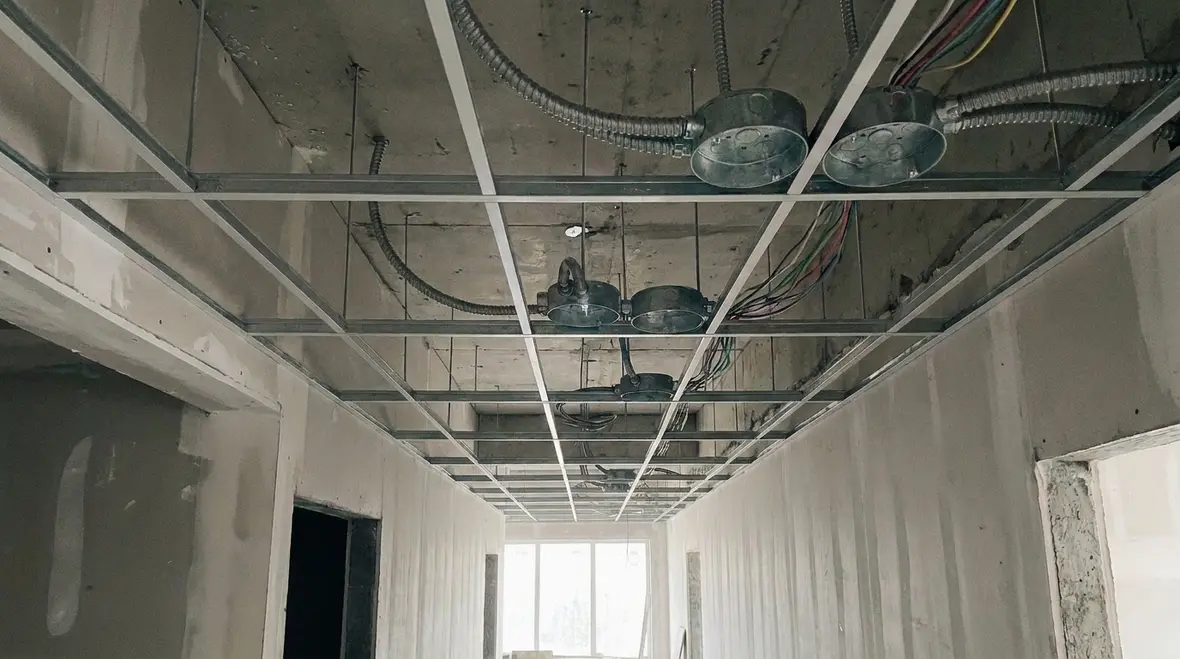
In commercial and industrial facilities, round boxes often appear in areas like equipment rooms, corridors, utility spaces, and tenant buildouts. Even in major property buildings with high tenant turnover, the round box remains common because it fits well into certain wall and ceiling assemblies.
However, the “where” matters. For example, an installation inside a raceway system can behave differently than one involving other wiring methods. Therefore, project teams should consider clearance, conductor fill, and how devices connect to the box. Then they should coordinate with the mechanical trades, because fire stopping, drywall thickness, and ceiling grid details can force box locations to shift.
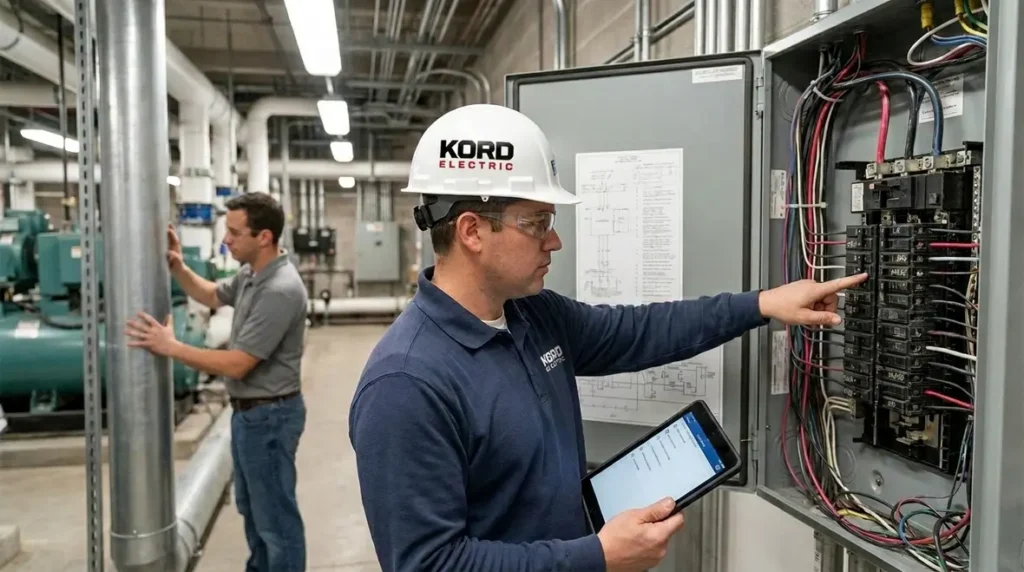
Our expert service staff supports general contractors and facility managers by translating NFPA 70 guidance into field-ready steps. They do this with short site explanations, clear photos, and direct notes that crews can use immediately. And when something does not match the plan, we fix it early, before the issue spreads into multiple device locations. Fixing one box beats fixing a hundred, and your maintenance team will thank you later.
Box size, conductor space, and safe device support
One of the most overlooked parts of compliance involves space and support. Round boxes must provide the room needed for conductors and for the devices they hold. If a box does not give enough space, electricians end up forcing conductor bends, compacting too tightly, or leaving insulation stressed. That can create heat buildup risk and can also complicate troubleshooting during inspections or repairs.
So, in a well-run commercial project, teams do not just install a round box. They plan the conductor routing, verify box volume, and ensure the device wiring method works with the box configuration. Then they confirm that the box supports the device properly so it does not loosen over time due to vibration, building movement, or service handling.
Our technicians typically approach it like this. First, they verify the box type and size against the device requirements. Next, they check the conductor routing path and verify that bends and terminations stay within safe limits. After that, they secure the box and device in a way that resists pulling forces. As a result, the installation holds up when the facility operates at full load, not just during commissioning day.
Round boxes with raceways and equipment interfaces
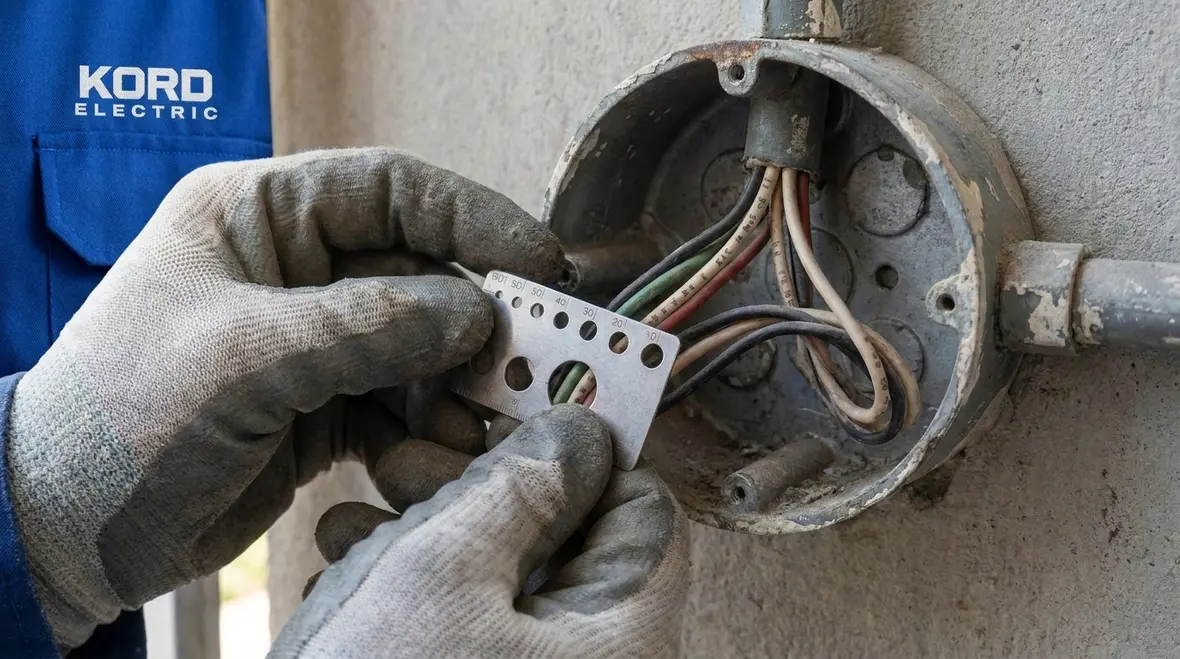
Facilities often use raceways, conduits, and fittings that must work together with round boxes. NFPA 70 addresses how wiring methods connect and how equipment and enclosures integrate. Therefore, a round box installed as part of a raceway system needs proper alignment, secure fittings, and correct openings for conductors.
If a crew uses the wrong knockout approach or mismatched fittings, the system can lose mechanical protection. Additionally, poor alignment can lead to abrasion risks on conductors, especially where cables pass near sharp edges or where the box is reworked after finishing trades arrive.
At Kord Electric, we coordinate the box plan with the wiring method schedule and the equipment interface details. Our team cross-checks how conduit runs enter boxes, how fittings lock in place, and how the round box keeps the connection solid. And when we see the beginnings of a future problem, we say something early. Facility owners may not always like hearing “that won’t pass,” but we would rather be the calm voice today than the firefight tomorrow. (Fire prevention is not a punchline for us. It is our job.)

Common field mistakes we help commercial crews avoid
In real installations, mistakes rarely come from bad intentions. They come from time pressure, rushed coordination, and a lack of clarity between drawings and field conditions. So we focus on prevention, and our service staff explains the corrections in a way crews can remember under stress.
Here are issues we frequently see on commercial and industrial sites, and how we handle them:
- Improper box mounting: Boxes get secured in a way that allows movement, which later loosens devices. We verify mounting points and fastening methods.
- Inconsistent knockout use: Improper openings can misalign raceway entries. We correct fittings and ensure proper conductor entry.
- Conductor crowding: Too many conductors in too small a space stresses terminations. We confirm box volume and routing before final device placement.
- Finishing trade conflicts: Drywall thickness or ceiling changes can shift locations. We coordinate early so round boxes land correctly.
- Skipping documentation: Crews sometimes skip labeling and as-built notes. We encourage updates during install, so future service stays efficient.
To keep momentum on site, our technicians do quick teaching moments while they work. They do not lecture. They show. And yes, we sometimes use humor to keep it human. Like when someone says, “It fits, so it’s fine,” and our technician replies, “Sure, like a square peg in a round hole. For about five minutes.” Then we fix it.
Safety, inspection readiness, and ongoing facility service
Round boxes under NEC rules do not only matter at installation time. They matter when inspections arrive, when maintenance happens, and when systems get modified for new tenants, new equipment, or updated controls. Therefore, facilities benefit from service plans that treat wiring terminations and box integrity as living parts of the electrical system.
In our approach, we support commercial and industrial owners with both install oversight and service follow-up. That means we can help plan upgrades, evaluate existing device locations, and address concerns before they become interruptions. For large properties, continuity matters. Tenants hate downtime. Facility managers hate surprises. And electricians hate rework, which is the same thing as hating wasted time, money, and coffee.
We also align our work with the bigger picture of electrical compliance guidance, including how national electrical code updates affect safe installation choices. If a facility has fire pump rooms, controls areas, or life safety systems, the electrical layout needs disciplined workmanship. We stay attentive to those interfaces because small box errors can create big service delays.
Additionally, for owners exploring broader compliance and safety resources, we stay informed through industry guidance and related code education sources, including materials found across Kord Fire and fire safety organizations. While our focus stays on electrical work, we respect how electrical safety connects to fire protection practice. It is one system, in one building, with one set of consequences. For a deeper perspective on how the rulebook shapes modern projects, many facility teams also review Kord Electric’s own guide Understanding NFPA 70: The National Electrical Code Explained for 2026 as a companion resource.
How Kord Electric supports NEC compliance for major properties
Every major property build has its own rhythm. Some projects move fast. Others have long coordination cycles. Either way, Kord Electric brings structured field execution and clear communication. We handle commercial and industrial facilities where electrical systems must stay reliable, accessible, and safe.
Our technicians and expert service staff explain requirements during install and during service visits, so facility teams understand what we did and why. That matters because when maintenance staff know the logic behind box placement and wiring method choices, they can spot issues sooner. They also can manage change requests with less drama.
For businesses, that means fewer disruptions and faster resolutions. For compliance, it means the facility presents more consistently during reviews. And for everyone involved, it means round boxes get installed with the right attention to detail, grounded in NFPA 70 Section 314.4 and the NEC principles that support safe wiring practices.
If your team is planning broader improvements beyond device boxes, you can also connect round box work with strategic upgrades such as Los Angeles County electrical services for commercial facilities, where code-driven design, coordinated installations, and clean documentation keep complex properties running smoothly.
FAQ: NEC round boxes and Section 314.4
Final word from Kord Electric
When round boxes get installed with care, your electrical system stays easier to service, safer to operate, and more likely to pass review without drama. At Kord Electric, we support commercial and industrial facilities with expert technicians who understand NFPA 70 and explain the plan clearly as the work happens. If your project needs round box verification, wiring method coordination, or service support for major property buildings, reach out to us. We will help you move forward with confidence, not guesswork, and we will do it on schedule.
If you are also planning larger code-driven upgrades, our team can connect NEC round boxes requirements with broader electrical design support, inspection readiness, and long-term service planning so your facility’s wiring stays as organized behind the walls as it looks on the drawings.