NFPA 70 Section 314.2 Box Listing Requirements
NFPA 70 Section 314.2 box listing requirements set a clear rule: electrical boxes must be listed and identified for the specific use, including the type of box, cover, and the way the wiring will be installed. In plain terms, you do not get to “make it work” with the wrong box. We at Kord Electric back that principle up every day on commercial and industrial sites, where code compliance is not a suggestion, it is the job. And yes, we have seen plenty of attempts to treat an electrical box like a mystery snack drawer. It never ends well. Our expert service staff and technicians explain what Section 314.2 actually demands, why it matters for safety, and how to avoid the expensive kind of rework that shows up after inspection.
What the NEC demands for a listed electrical box
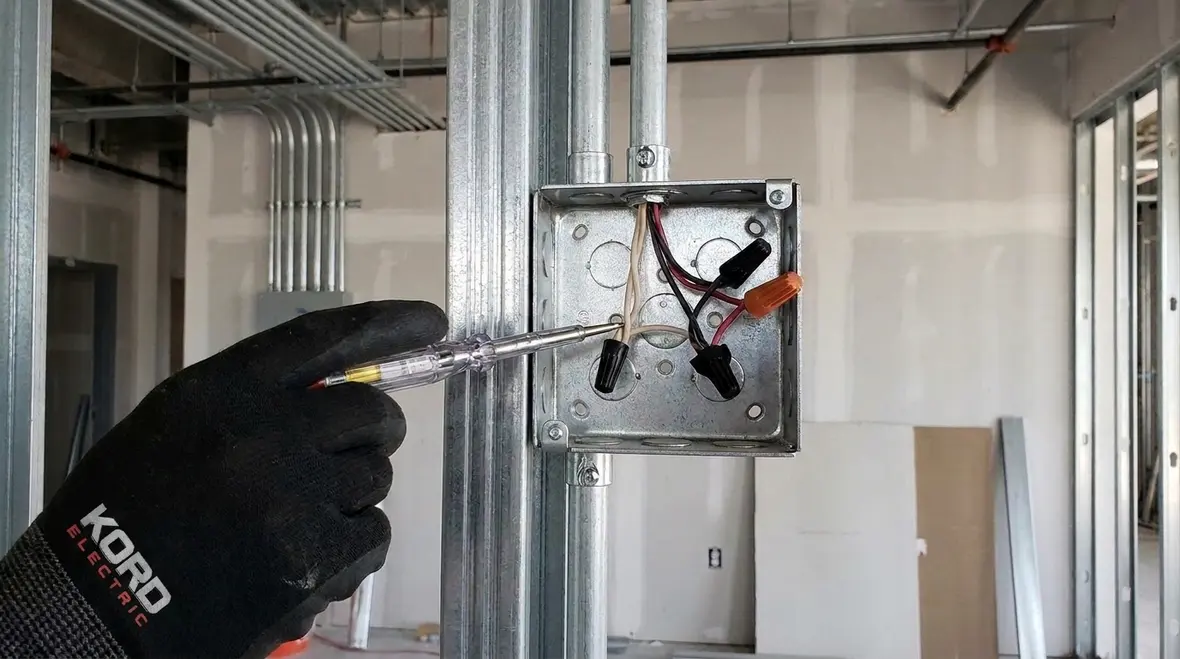
The core idea behind Section 314.2 is straightforward. When a box needs to be used in an installation, that box must be listed for the use and conditions where it will sit. Therefore, you cannot treat every enclosure as interchangeable. The listing process exists because manufacturers test boxes for strength, fire and corrosion behavior, and compatibility with covers, conductors, fittings, and installation methods. However, the rule does not just stop at the box itself. It also ties into how the box is completed in the field, because a box without the right cover or fittings is like a door without a lock.
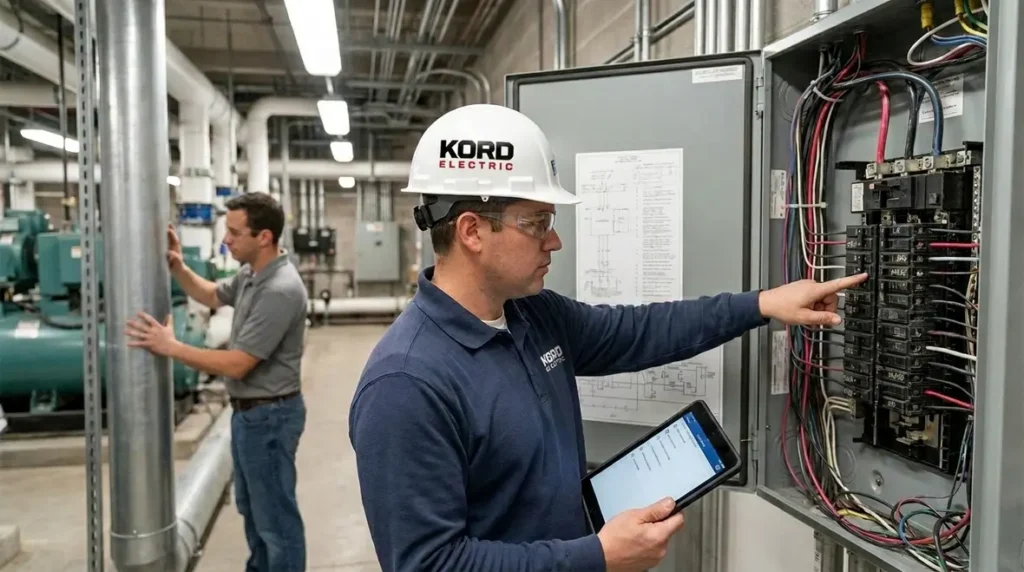
Even if the opening in the wall looks about right, code cares about the whole system. For commercial and industrial facilities, this “whole system” approach matters even more, since there are more circuits, more junctions, and more opportunities for a flawed installation to spread like rumor in a break room. Our technicians walk the site, compare what was installed with what the listing expects, and then explain the gaps before they become a report.

For readers who want to connect Section 314.2 with the broader code picture, it also helps to review the NEC fundamentals. Kord Electric’s guide Understanding NFPA 70: The National Electrical Code Explained for 2026 walks through how NFPA 70 sets the foundation for safe electrical design, installation, and inspection in commercial, industrial, and residential buildings. That bigger view makes the details of box listings easier to place in context.

How box listing ties into covers, fittings, and installation method
Box listing requirements do not live in isolation. They connect to covers, wiring methods, and the environment around the box. For instance, a box can be listed for a specific wiring method, and the fittings you connect must also match the conditions allowed by the box listing. In other words, you cannot just add conductors and hope the box will “accept” them. Instead, you must follow what the manufacturer allows under the listing.
Furthermore, installation method matters. Some boxes are intended for specific mounting arrangements, some support certain cable types, and some handle particular fill levels and conductor arrangements. When electricians ignore those details, inspectors can require correction, and correction can lead to downtime. Therefore, Kord Electric focuses on planning, not panic. We help teams keep installations aligned with the NEC approach so the field work stays steady and predictable.
Why inspectors look for listing details before they care about perfection
Inspectors often do not wait for everything to be “almost right.” They look for compliance signals early, because those signals predict safety and performance. When a box is listed, it carries the tested characteristics that reduce risk. Meanwhile, when a box is unlisted or misapplied, the safety assumptions break down. Consequently, the inspection conversation becomes about documentation and conformance rather than troubleshooting.
In commercial and industrial buildings, this becomes a business issue, not a personal one. A correction can mean rework on finished walls, rerouting, or pulling teams off critical tasks. And if someone says, “We will fix it later,” you already know what “later” turns into. Our expert service staff explains the inspection logic in a calm way, so your team understands why we document the listing match and why we do not treat this as paperwork theater.
We explain Section 314.2 in the field, step by step
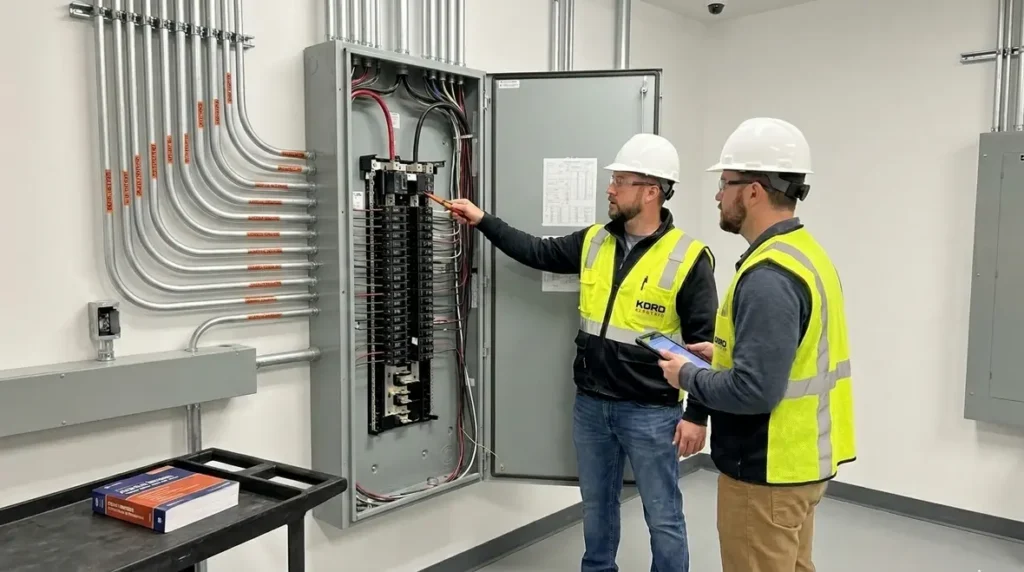
At Kord Electric, we keep the explanation practical. First, our technicians identify what kind of electrical box was used and where it sits in the system. Next, we compare that installed box and associated components against what the listing allows. Then we check whether the installation method and cover match the expectations for the wiring method used. Finally, we document what we found and what needs correction, if any.
Because our work targets commercial and industrial facilities and major property buildings, we also consider how the site will operate after energization. Fire and life safety concerns, ongoing maintenance, and future expansions all affect how boxes should be selected and completed today. Meanwhile, a small shortcut during installation can turn into a recurring problem during upgrades later.
To keep teams engaged, we sometimes use a pop culture analogy. If the electrical box listing is the recipe, then the cover and fittings are the ingredients. If someone swaps in random spices, you might still get food on the plate, but it will not taste right and the kitchen will get blamed. Code compliance aims for the consistent result, not the “close enough” version.
Common mistakes that fail NEC box listing requirements
When teams struggle with listing requirements, it is usually not because they do not care. It is because the field moves fast and details hide in plain sight. Here are mistakes we commonly find during reviews and service calls on commercial and industrial jobs.
Using the wrong box type for the wiring method or location, even when it seems compatible by size.
Skipping the correct cover or installing a cover that does not match the box listing.
Pairing incorrect fittings that do not follow the limits allowed by the listed box.
Ignoring installation conditions such as corrosion exposure, damp or wet areas, or support requirements that the listing assumes.
Overstuffing conductors beyond what the system can safely handle, which can create stress on components and affect performance.
Mixing brands or components without checking whether the combination stays within the listing intent.
At this stage, we also remind teams that “it fit the opening” does not equal “it matches the listing.” In other words, a box is not a suggestion. It is an engineered component with tested limits. Our technicians explain these points clearly, then we verify the fix method in a way that keeps the job moving.
Keeping commercial electrical work consistent with the NEC approach
Some people think code compliance is just for the inspection day. Yet in real facility work, compliance supports long term reliability, maintenance planning, and safer upgrades. Therefore, we align our process with the NEC logic so your installation stays consistent across floors, tenants, and future expansions.
We also coordinate with other trades and contractors, because electrical boxes do not exist alone. Conduit runs, cable tray paths, firestopping, and mounting surfaces all influence how a box performs. When those pieces fail to line up, the box can end up under stress or misapplied. As a result, compliance problems can show up far from where the box sits.
In our experience, a steady approach reduces rework. When your team installs correctly from the beginning, your facility runs with fewer surprises. And if you ever hear someone say, “We will just bend the rules,” we gently remind them that bending rules in electrical work is like bending a steel beam with a spoon. It feels creative, until it fails. Kord Electric helps prevent that moment.
Related standards and context for box compliance
While this article focuses on NFPA 70 Section 314.2, teams often benefit from understanding how the broader NEC framework thinks. We reference NEC concepts because the box listing does not float in a vacuum. Instead, it connects to electrical installation methods and safe use. Additionally, many facilities also coordinate electrical work with fire protection planning, so the entire system stays consistent.
That is why we point teams to trusted resources and code education sites we support and reference during planning, such as NEC and NFPA related guidance available through our network. You can also explore NEC context and related code education through resources such as Kord Fire’s NEC explainers and broader code conversations, including content at kordfire.com/nfpa-70-all-about-the-national-electrical-code-nec/ and kordfire.com/. For property owners and facility teams, understanding the surrounding context reduces gaps between electrical design, install, and inspection expectations.
For our customers, though, the real win is practical help on site. Our team supports projects with a focus on commercial and industrial work, where consistent installation quality protects people, equipment, and operations. When box listing requirements connect to broader power system decisions, it also helps to coordinate with services such as emergency power design and data-driven electrical planning, topics we cover in other Kord Electric blog features that focus on uptime, reliability, and code alignment.
FAQ
Call Kord Electric for NEC box listing support
When your facility needs safe, code aligned electrical installations, we help you get it right the first time. Kord Electric supports commercial and industrial projects with expert technicians and service staff who explain NFPA 70 requirements in plain language and verify box listing details on site. That means fewer surprises during inspection and fewer costly corrections later. If you are planning new work, renovations, or repairs in a major property building, contact us today and let’s review your boxes and wiring setup together.
For building owners and facility teams in Southern California, our Los Angeles County electrical services support everything from code-driven box corrections to broader power distribution upgrades. We align NEC box listing requirements with practical construction sequencing so commercial spaces can stay open, safe, and ready for inspection without last minute chaos.
If you are coordinating multiple projects or planning a larger electrical upgrade program, our team can also connect box selection and listing compliance with data-driven design, emergency power planning, and electrical safety checklists for new and existing buildings. That way, NEC Section 314.2 does not show up as a surprise in the field, but as a detail that your project already has under control.
Ready to align your electrical boxes with NEC box listing requirements, prevent avoidable rework, and keep inspections calm instead of chaotic? Our team at Kord Electric is prepared to walk your site, review your installations, and build a practical action plan that protects your schedule, budget, and operations.