
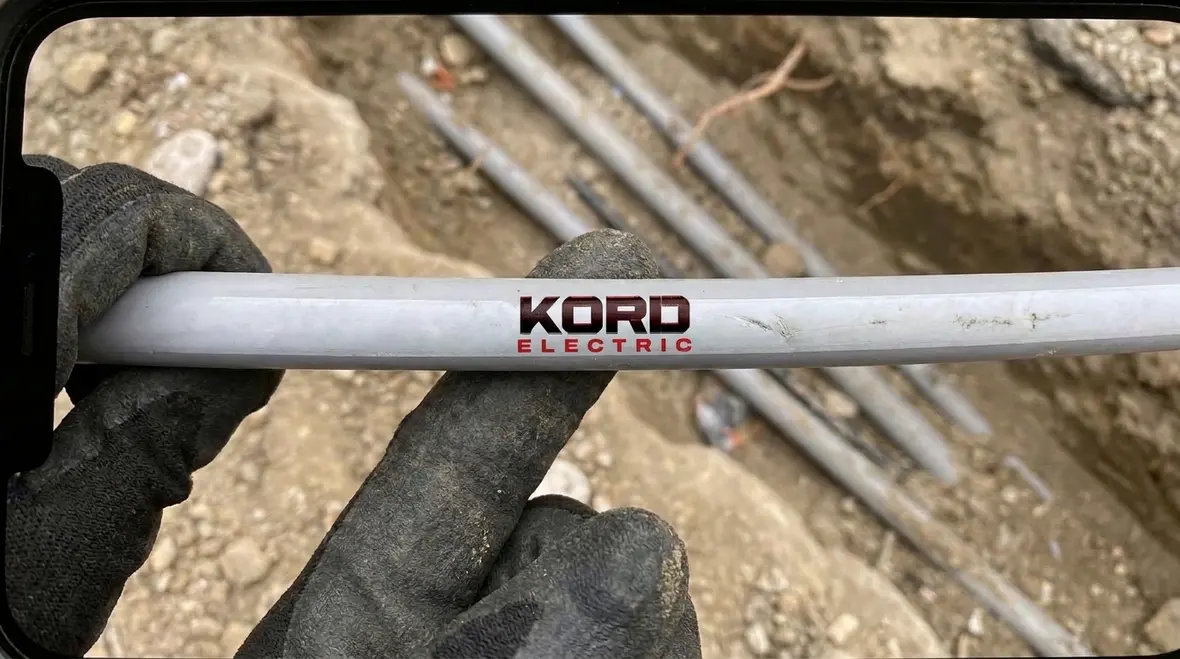
NFPA 70 Section 324.120 NEC UF Cable Markings
NFPA 70 Section 324.120 and Kord Electric NEC UF Cable Markings
At Kord Electric, we look at NEC UF cable markings as the quiet details that keep commercial and industrial power systems running the way they should. In the first place, NFPA 70 Section 324.120 sets expectations for how underground feeder conductors get identified, so inspectors and field teams can verify the right cable, the right path, and the right intent before anything becomes a problem. And yes, we have seen enough “mystery cables” to know what happens when people treat labeling like it is optional. Spoiler: it never stays optional.
In this article, we explain the UF cable marking requirements in plain terms, then we connect them to real site work our technicians handle every week. Others may rush; we slow down, check, and document. That is how we serve major property buildings, warehouses, manufacturing sites, and other high value commercial projects.
Why UF Cable Marking Requirements Matter on Commercial Sites
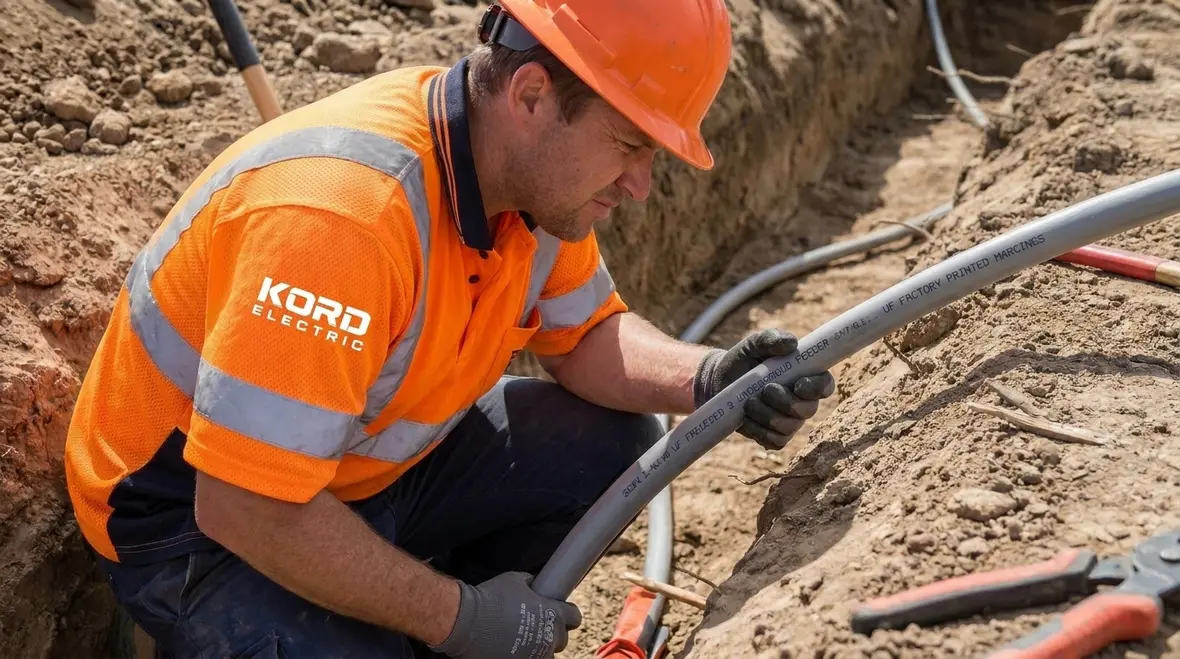
First, markings reduce guesswork. When our electricians and expert service staff walk a jobsite, they need to confirm the installed cable matches the design and the approved submittals. Then, markings help during inspections because the authority having jurisdiction can trace what is buried, even when the conduit cover hides the truth. Finally, markings support maintenance because later troubleshooting needs quick, accurate identification instead of expensive detective work.
Underground work already adds delay. However, bad identification adds more delay. So when the wrong cable gets installed, or when labeling gets removed during pulling or trench work, teams lose time finding the mistake. And nothing says “fun afternoon” like digging up cable that should have stayed underground and boring.
What NFPA 70 Section 324.120 Requires for Marking
Section 324.120 addresses UF cable marking requirements for underground feeder and branch circuit cable used where the NEC allows it. In practice, this means the cable must carry factory markings that communicate key information. Those markings support identification and safe handling throughout installation and future inspection.
On commercial and industrial projects, we treat those markings like a compliance checkpoint. For example, our technicians verify the cable printed information before it goes into the trench, not after it disappears. This step matters because once the cable is in place, the markings can be harder to read, and some damage can occur during pulling, bending, or abrasion.
We also pay attention to how markings remain visible enough to read at reasonable times. If a contractor plan hides identification behind excessive pull boxes, tight bends, or inaccessible routing, then the cable may still meet the letter of the requirement, but it becomes harder to prove in the field. Therefore, we plan the route and access points so identification stays practical.
Common Marking Mistakes We See During Field Service
We do not say this to lecture anyone, but because we have to correct it. Our expert service staff has seen several repeat issues in commercial and industrial settings.
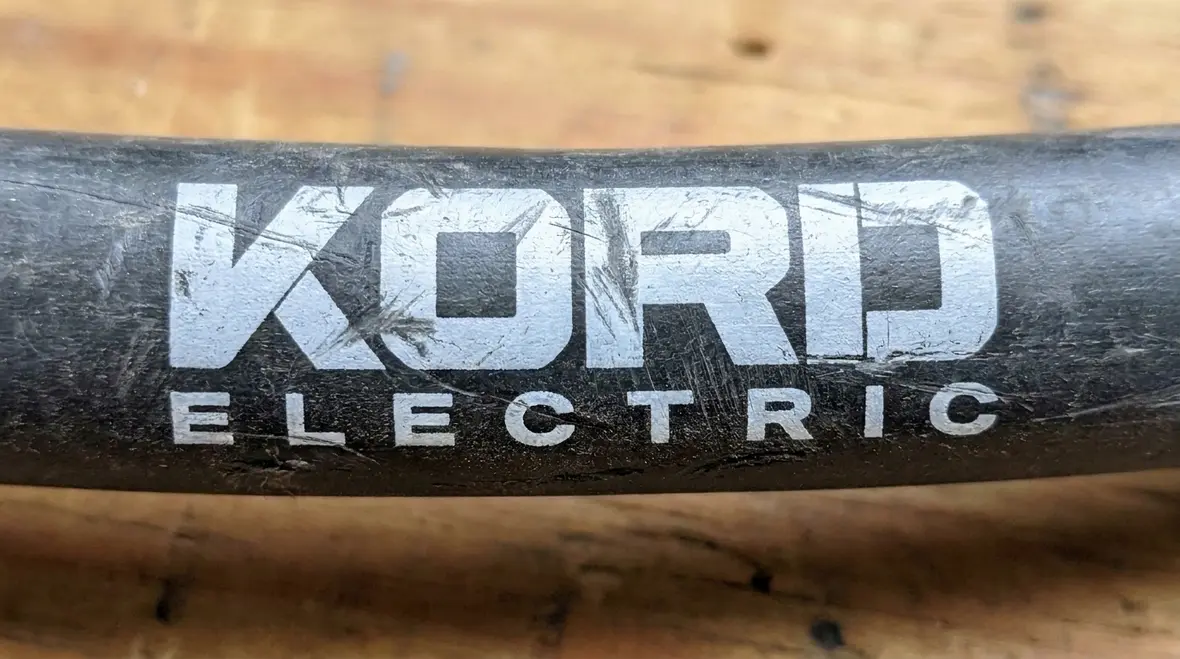
Missing or damaged print from aggressive pulling, friction against rough conduit edges, or neglecting protective measures during installation
Wrong cable type delivered to the site due to substitution, poor receiving checks, or unclear project specs
Reduced legibility where markings face inward against conduit or where cable routing blocks visual access at termination points
Inconsistent documentation where the as built records do not match the installed cable identification seen at termination
Improper handling after installation where rework crews cut back cable without keeping identification intact
Next, we handle the fix with a calm, repeatable approach. Our technicians take photos, record readings, compare the installed cable to the approved submittals, and then coordinate any required corrective actions. That method keeps the facility running and keeps the inspector conversation grounded in facts, not vibes.
How We Verify NEC UF Cable Markings During Installation and Inspection
When Kord Electric supports a major property building, we build verification into the workflow. First, we confirm procurement and receiving. Then, we check the cable before installation. After that, we verify markings at accessible points such as pull boxes, terminations, and conduit interfaces.
We also ensure the markings align with how the system gets labeled in the broader project documentation. In other words, the cable identification does not live in isolation. It connects to device schedules, panel labeling, and as built drawings so that when a facility team needs help later, the information matches.
Our process typically includes site photos and a clear note trail. That way, if anyone asks later, we do not guess. We show. And if you have ever tried to explain a cable ID from memory, you know it is like trying to quote a movie perfectly after a long shift. It never lands exactly right.
Best Practices for Markings, Routing, and Maintenance
Beyond the written requirement, we focus on practical steps that protect identification over time.
Protect markings during pulling by using proper pulling techniques and avoiding damaged conduit edges
Plan for visibility so termination areas and accessible boxes allow technicians to read the cable information
Maintain consistent labeling between cable markings, as built drawings, and panel directories
Use careful rework procedures that preserve the ability to identify the cable after adjustments
Train site teams so receiving, installation, and maintenance follow the same identification habits
Meanwhile, maintenance planning matters. When a commercial facility updates equipment, adds circuits, or expands systems, the underground cable becomes part of a longer story. Therefore, keeping identification readable and documented helps future work stay efficient, safe, and compliant.
NEC Compliance for Major Projects: Documentation and QA
For large commercial and industrial facilities, compliance does not end at installation. Our QA approach treats documentation as part of the electrical work. We coordinate with facility stakeholders, general contractors, and inspection teams so everyone works from the same source of truth.
To keep things smooth, we maintain a structured record set. That includes cable identification checks, photos of markings at accessible points, and alignment with project specifications. Then, when the inspector asks about the cable, we can answer quickly and clearly. And when facility staff later needs troubleshooting support, they can trace the system without wasting hours.
So, whether a project involves a campus buildout, a manufacturing addition, or a large warehouse expansion, we help clients reduce risk. We do it through methodical verification and professional service that stays focused on the electrical reality on site.
If your team wants to understand how UF cable details fit into the broader NEC landscape for 2026, resources such as Kord Electric’s guide on the National Electrical Code direction and Kord Fire’s article NFPA 70: All About the National Electrical Code (NEC) 2026 help connect individual marking rules to system-level design and inspection planning.
From there, you can zoom in on specialized topics like specific purpose load calculations or MV conductors and still keep your underground feeder strategy aligned with the same NEC logic used across panels, feeders, and equipment layouts.
For properties across Southern California, that big-picture mindset also connects naturally to Kord Electric’s broader support, including dedicated Los Angeles County electrical services that keep commercial and industrial facilities moving from design to inspection to long term maintenance.
FAQ: UF Cable Marking and Section 324.120
Ready for Verification That Holds Up in the Field?
If your commercial or industrial project needs dependable support, Kord Electric is ready. We verify NEC UF cable markings, document identification for QA, and help facility teams keep underground feeder systems compliant and maintainable. Our technicians work with a steady pace and a clear paper trail, because nobody wants surprises after the trench is closed. If you want inspections to feel calmer and troubleshooting to feel faster, contact Kord Electric today.
For teams planning a broader NEC strategy that stretches from cable markings to grounding, MV conductors, or specialized equipment, you can also explore companion code resources such as Kord Electric’s 2026 NEC explainers and Kord Fire’s National Electrical Code education pieces. When those guides sit alongside disciplined field verification, Section 324.120 stops feeling like a line in a book and starts feeling like part of a practical playbook your facility actually uses.
And if you want a single partner who can connect this cable-level detail to system-wide upgrades, inspections, and long term reliability work across your portfolio, our Los Angeles County electrical services overview shows how we support commercial facilities from first design conversations through long term maintenance and emergency response.
Whether you are planning a new build, correcting inherited issues, or tightening up documentation before the next inspection cycle, treating NEC UF cable markings as a priority is one of the simplest ways to keep underground power predictable. Let us help you turn that detail into an advantage instead of a headache.


