
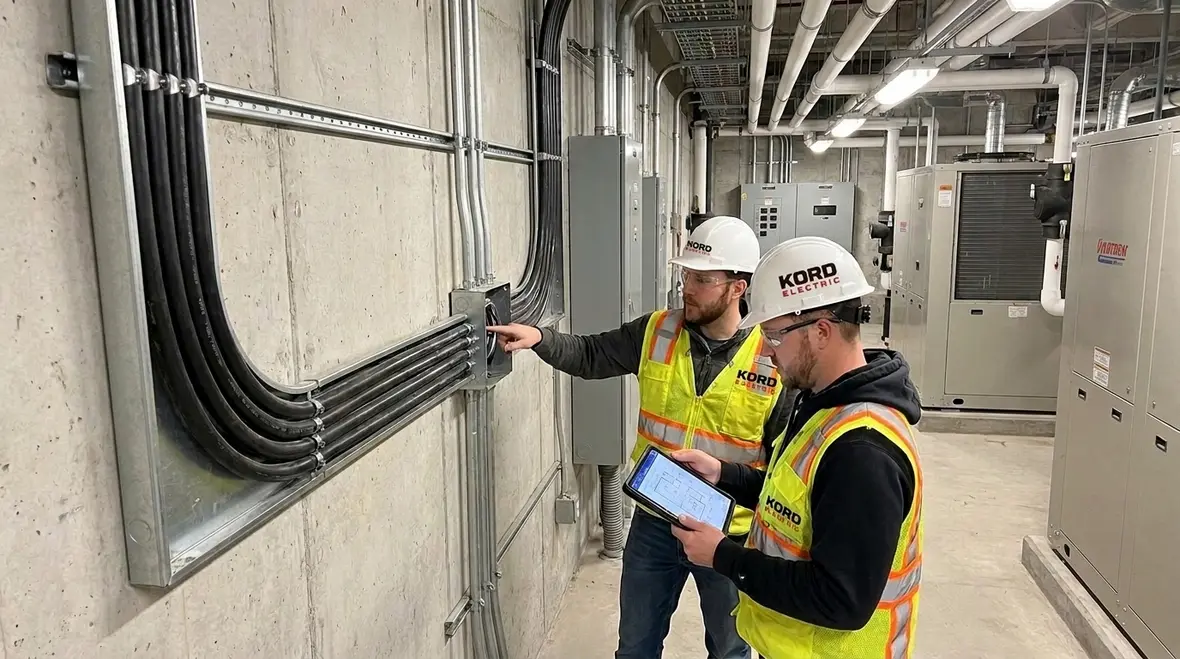
NEC USE Cable Uses Permitted Under 326.10
In this article, we explain NEC USE cable uses permitted under NFPA 70 Section 326.10, and we do it the way our lead technicians and expert service staff explain it on site: clearly, calmly, and with enough detail that your team can make a safe decision without guessing. Kord Electric works mainly with commercial and industrial facilities and major property buildings, so we focus on the real-world setup you face: long runs, shared spaces, mechanical rooms, and fire safety requirements that do not care about our schedules. And yes, we have seen cables installed based on “someone said it was fine.” That someone was often not standing in front of the inspector.
If your team wants a broader orientation to the National Electrical Code itself, you can also review our companion resource Understanding NFPA 70: The National Electrical Code Explained for 2026, which connects the high-level NEC framework to the day-to-day decisions facility leaders make when planning projects and inspections.
NFPA 70 326.10 in plain terms for facility teams
NFPA 70 Section 326.10 sets rules for where USE cable can be permitted. In other words, the code allows this type of cable for specific uses, and it does not allow it everywhere. Facility managers, electrical contractors, and building owners often ask us about this section because they see the cable in the field and they want a clear answer: where can it go, and where should it not go.
First, our technicians start by treating 326.10 as a boundary line. Then, we connect those boundaries to the conditions in your building. For example, if the area has special fire risk, heat limits, or strict separation needs, the “it works” argument usually falls apart. Meanwhile, inspectors usually look for proof that the installation matches the code allowances.
To keep things practical, Kord Electric also coordinates with fire safety goals. We reference the broader intent behind the National Electrical Code, and we help you plan routes, termination points, and protection details so that your system stays compliant as the building changes.
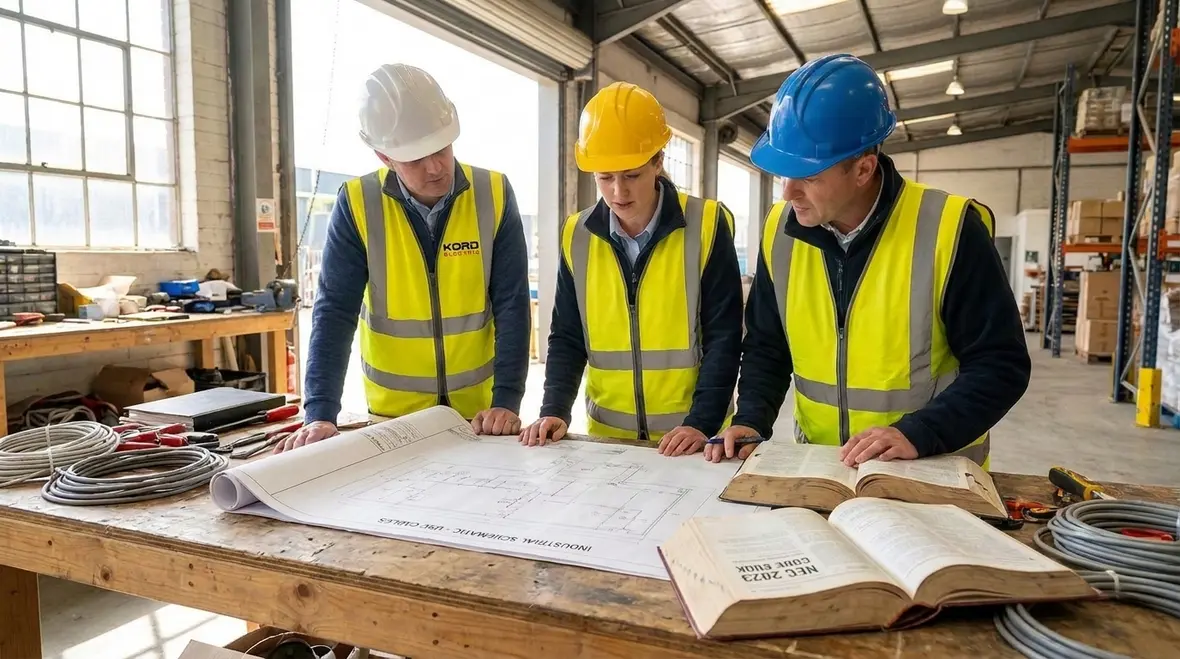
How 326.10 fits into your overall NEC planning
Most facility teams do not read Section 326.10 in isolation. They tie it into the same planning mindset they use for conductor sizing, bonding, and equipment access. That is why many of our clients review this topic alongside resources like our NEC 2026 scope and conductor sizing explainers and then loop back to how cable choices align with the National Electrical Code as a whole. The goal is not memorization. The goal is repeatable decision-making when your team stands in front of real gear, not just a code book.
Where NEC USE cable uses permitted for commercial and industrial buildings
When people search for the phrase NEC USE cable uses permitted, they usually want a short list. However, the safer approach uses this section as a framework. Section 326.10 points to specific location allowances for use cable, and it ties into how the cable performs in the environment it serves. Therefore, we examine the installation plan and verify that the use cable matches the allowed conditions.
In practice, our team focuses on three layers of fit. First, we confirm the cable type and use purpose for the system it serves. Next, we check whether the physical space matches the permission in 326.10, including how the cable gets routed and where it ends. Finally, we confirm that the rest of the circuit choices, like protection and connection methods, do not undermine the permission granted for the cable itself.
Some facility teams treat these steps like a checklist for paperwork. Yet the field does not work that way. If the cable enters a space that the code does not permit, then the whole “but it is the right cable” story stops. At that point, you are not just dealing with compliance. You are dealing with safety and operational risk.
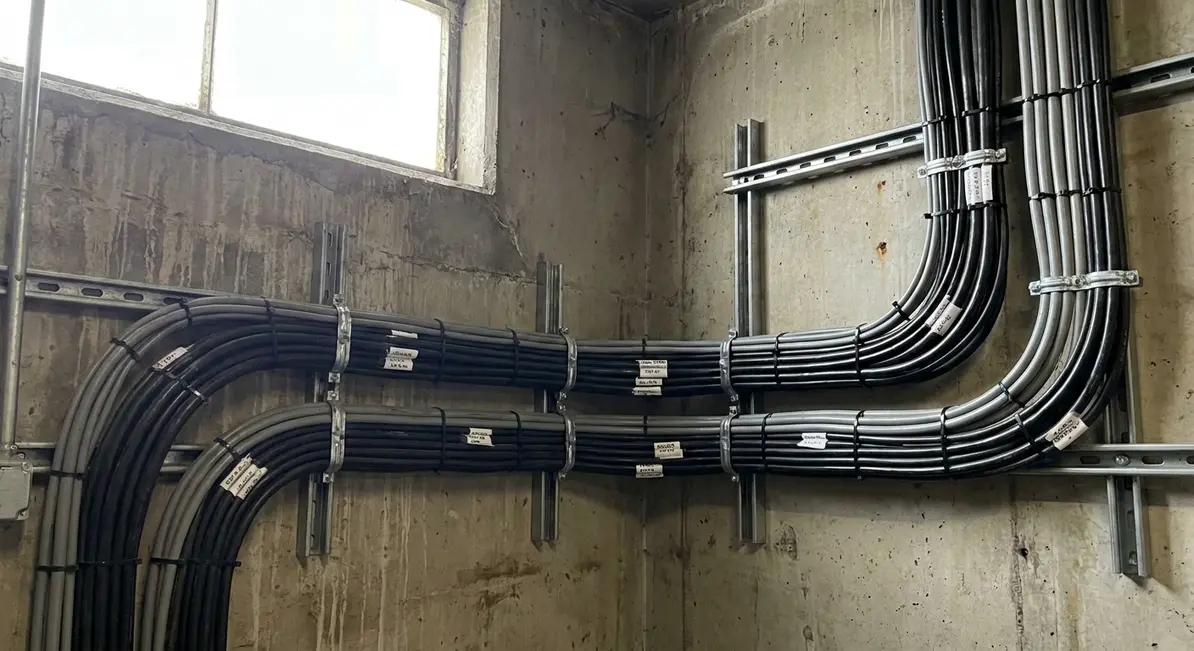
Connecting permitted uses to real building spaces
The moment someone says, “We already bought the cable,” our team pauses and asks, “Where will it live?” That is where Section 326.10 does its best work. It keeps the focus on whether the space, routing, and environmental conditions actually match what NEC expects for that cable type. In commercial and industrial facilities, that often means thinking through utility entrances, underground runs, transition points into buildings, and how those pathways interact with fire-rated construction and mechanical systems.
How our technicians verify cable location and protection details
Our expert service staff does not only read the code. Instead, they translate it into installable steps for commercial and industrial projects. That includes verifying routing, terminations, and the conditions where the cable will sit for years.
Here is how we approach verification. First, we review the design intent and the electrical one line, then we compare the cable routing and destination areas to the allowances in 326.10. Second, we verify that the cable remains protected from damage, including where it might get exposed during maintenance. Third, we confirm that terminations and connections follow approved practices so the circuit performs as expected.
Also, we do not ignore coordination. Therefore, we work with facility teams that manage mechanical spaces, electrical rooms, and shared pathways. If the area gets upgraded, retrofitted, or reconfigured, we check whether the cable use still matches the permitted conditions. Otherwise, the building changes around it, and the cable becomes the last person to find out. That never ends well, kind of like showing up to a movie after the plot already started.
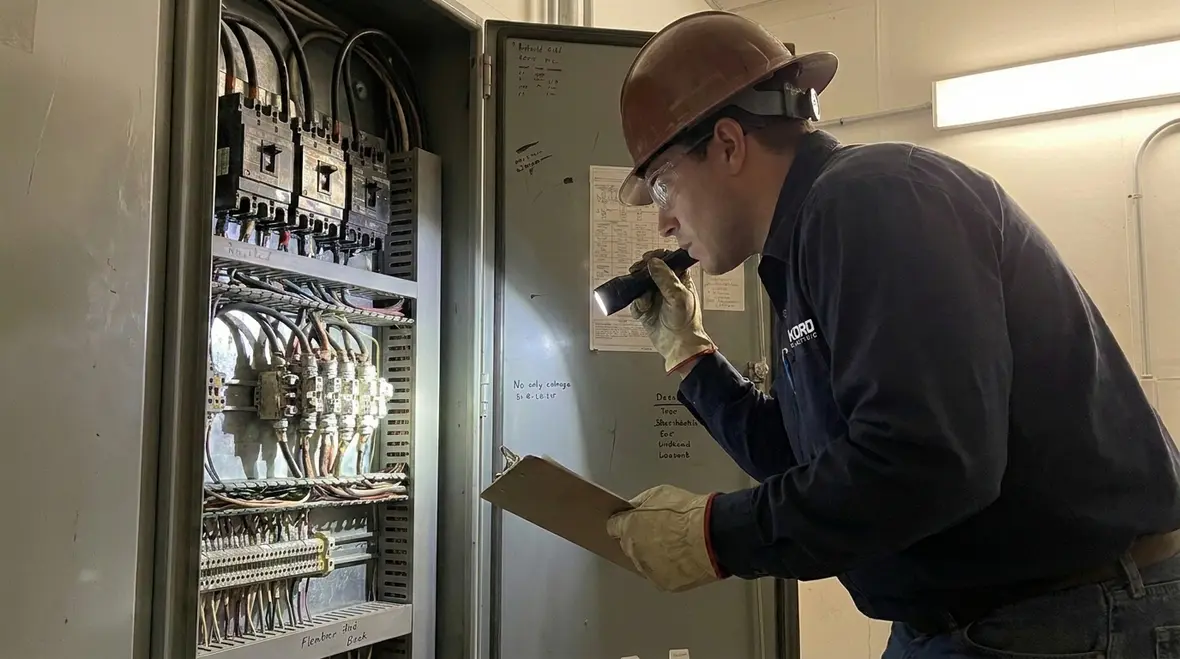
Verification as a repeatable checklist, not a one-off guess
On large projects, our technicians follow a structured verification path that mirrors the way we read the NEC: scope, method, then details. We start with, “Does Section 326.10 even apply here?” Then we move to, “Does the routing respect permitted locations and fire protection needs?” Finally, we lock in the workmanship details that keep the cable safe over time. When you treat this as a standard procedure, your team stops arguing about opinions and starts comparing the plan to the code with the same calm they bring to any other quality check.
Common mistakes we prevent during NEC compliance checks
Over time, we have seen repeat problems that create real risk and real cost. The good news is that most of these mistakes are preventable when the project team checks the right details early.
Mistake 1: Treating the cable as “universal.” Some teams select use cable because it is available or already on a truck. However, permission in 326.10 depends on where you place it and how it supports the system. If you skip that match, you can create a compliance gap that inspection will not ignore.
Mistake 2: Skipping routing review. Cable location is not only about the destination room. It also involves the path it follows. When a route crosses an area that does not meet the permission requirements, the install fails the intent of the code even if the endpoint looks correct.
Mistake 3: Assuming protection is handled “somewhere else.” Protection, connections, and installation methods matter. Even when the location is allowed, installation mistakes can lead to damage risk, poor performance, or code conflicts with other rules.
Mistake 4: Waiting until late to confirm details. When we get called after rough-in, we still fix issues, but the schedule gets tighter. So, we recommend early reviews. We plan with the facility so the install supports the project timeline and the inspection timeline at the same time.
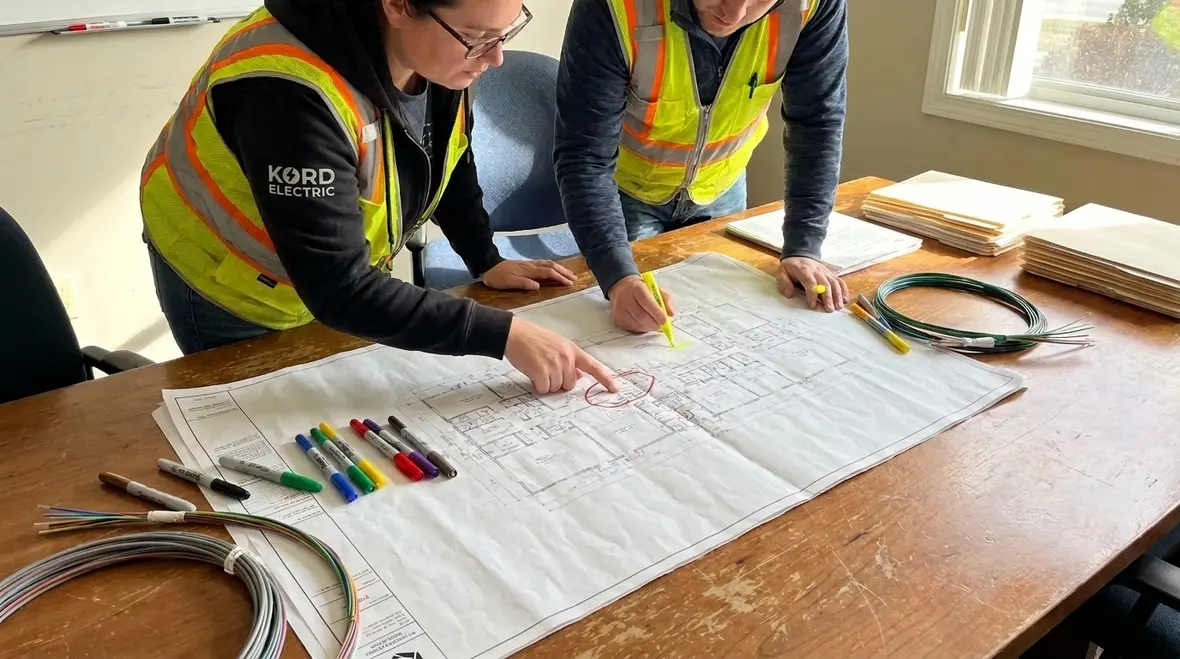
Why early planning beats late correction
The pattern is simple: the earlier we talk about where and how you plan to run USE cable, the less expensive the project becomes. Every time someone tries to “value engineer” by skipping proper routing review or assuming another trade will handle separation and protection, the cost shows up later during inspection or rework. Our job is to flatten that curve so your first installation matches NEC expectations and your schedule stays closer to the plan on the wall, not the emergency version in your inbox.
Fire and code intent: why location rules carry real weight
In major property buildings, fire safety affects many choices, and the NEC works alongside those goals. Websites like Kord Fire and NFPA related guidance exist because people need to understand the code’s intent, not just the text. Likewise, Kord Electric builds that mindset into our commercial and industrial work.
Section 326.10 does not exist to make installers feel busy. It exists because cable placement and use affect ignition, heat, and how systems behave during abnormal conditions. Therefore, when a facility uses permitted cable in permitted locations, it supports the broader design safety chain.
We also think about ongoing building life. A cable installed correctly will often stay reliable through maintenance activities. Yet when cable placement ignores location rules, the chance of later problems increases. And if you have ever watched a “quick fix” turn into a multi-week project, you already know why that matters. We help you avoid that cycle.
If you want context on how NFPA 70 connects across topics, we encourage teams to explore the National Electrical Code explainers shared through our sites like Kord Fire, and we also keep an eye on fire service and pump community resources such as firepumps.org for broader safety perspectives. Then, we bring that knowledge back into practical electrical decision-making.
How NEC location rules support broader fire protection strategy
Location rules for cables do not live alone. They connect to fire barriers, egress planning, and the performance of life safety systems under stress. When we coordinate with fire protection partners, we are looking at the same drawing from slightly different angles: their focus might be suppression and detection, while ours centers on wiring methods and power reliability. Section 326.10 belongs in that conversation, making sure that USE cable routing supports, rather than undercuts, your fire and life safety strategy.
Plan, document, and inspect: a repeatable process for facility compliance
At Kord Electric, we treat compliance as a process, not a one time scramble. We support commercial and industrial facilities and major property buildings with a method that helps teams move from design to inspection with less friction.
First, we verify the cable selection against the intended system and the location rules tied to 326.10. Next, we confirm the route and installation environment match the permitted conditions. Then, we document our key checks so your team can show an inspector that the decision process followed the code.
After that, we support the install and test workflow. Our technicians coordinate with on site teams to confirm that field conditions do not drift away from the approved plan. Finally, we prepare for inspection by ensuring connections, terminations, and installation methods align with accepted practices.
To put it simply, we help facilities avoid the “surprise citation” that everyone suddenly remembers is real. And for large sites, that matters because time is money, and downtime becomes an invoice you did not budget for.
For facilities in and around Southern California, this approach connects directly with the way we deliver Los Angeles County electrical services, where our team combines field experience, NEC knowledge, and clear documentation so electrical projects support both operations and long-term compliance.
Keeping NEC USE cable decisions aligned with your inspection day
Inspection day should feel like verification, not discovery. When your documents show how you applied Section 326.10 and your field installation matches those choices, everyone on the project—from the AHJ to the facility engineer—gets to focus on confirming work instead of hunting for last-minute fixes. That is the difference between a calm energization and a scramble that stretches into overtime.
Choose compliance with Kord Electric
If your facility team plans or upgrades electrical systems, do not leave NEC compliance to luck. Kord Electric helps commercial and industrial buildings confirm where NEC USE cable uses permitted, verify routing and installation details, and prepare your project for inspection with clear documentation. Our technicians and expert service staff explain the code in plain business terms, then they help you build the solution the right way the first time. Contact Kord Electric today to review your plan and protect your schedule and safety.
When you connect this work with the broader NEC context—from understanding overall scope and NFPA 70 organization to planning for upcoming code cycles—you give your facility an electrical roadmap instead of a collection of one-off fixes. That roadmap is what keeps your projects aligned with inspection expectations and your operations steady when the next upgrade window opens.


