
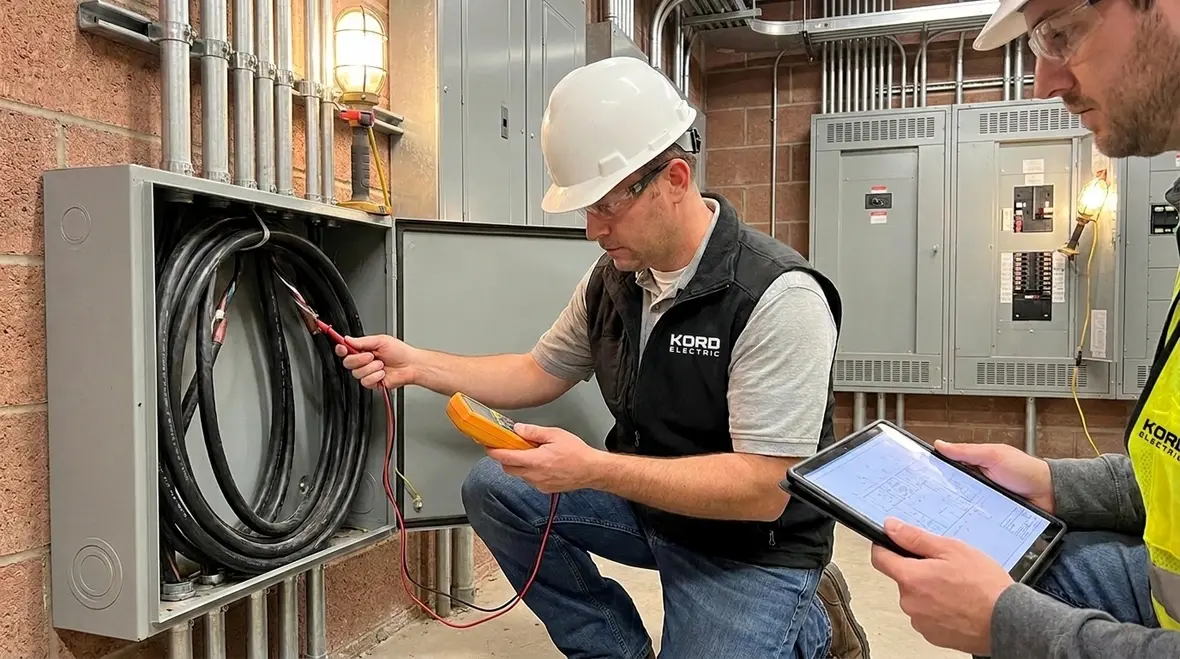
NFPA 70 Section 326.104 for NEC USE Cable Conductors
Kord Electric helps commercial and industrial facilities handle electrical systems the right way, and we start with a simple truth: NFPA 70 Section 326.104 sets expectations for how NEC USE cable conductors must be managed in USE cable. In the next sections, our experts explain what the rule means in plain terms, how it affects design and field work, and why getting it right prevents expensive downtime. And yes, we will keep it calm, but we may crack a joke now and then, because even electrical code work should not feel like reading a phone book written by a transformer.
What NFPA 70 Section 326.104 requires for USE cable conductors
Third person, but we will speak with the same clarity we use on job sites. NFPA 70 Section 326.104 focuses on the conductors inside USE cable and it points the installer toward the electrical requirements already laid out in the NEC. In other words, the rule does not treat these conductors like a separate universe. It ties them back to the broader NEC approach so the installation stays consistent and code compliant.
In practice, this matters because conductors in USE cable must meet the intent of NEC rules for performance, safety, and correct usage. Therefore, Kord Electric technicians do not treat this as a box to check. Instead, they verify that the chosen conductor type, rating, and installation method match the conditions where the cable will live. After all, a conductor that looks fine on paper can still cause trouble if it receives the wrong installation handling or if it gets treated like it can do more than it can.
How Kord Electric technicians connect code language to real installations
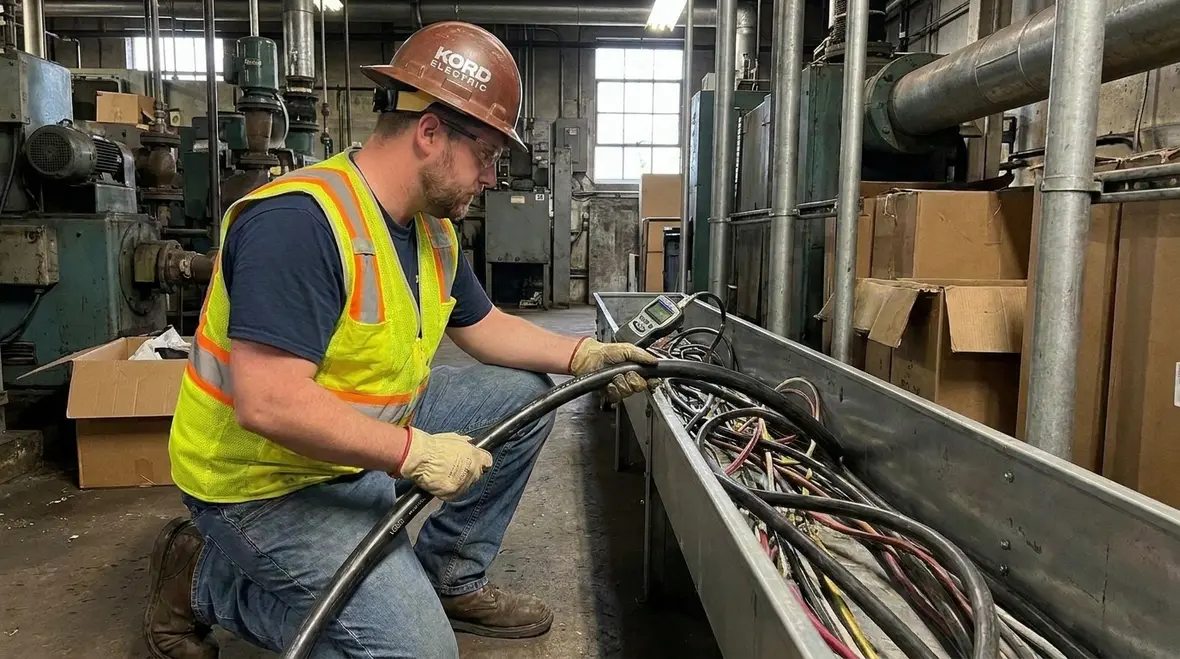
Code sections can read like they were written by someone who never had to crawl under a mezzanine at 7:00 a.m. Yet, Kord Electric’s expert service staff translates the requirements into steps that teams can follow. First, they review the facility’s design documents and electrical one lines, then they confirm the cable assembly selection and the routing plans. After that, they align conductor requirements with the actual installation environment, such as ambient heat, exposure to moisture, and how the cable moves through building spaces.
Next, our technicians look at workmanship details that often decide whether a system performs as intended. They pay attention to termination practices, pulling tension, bend radius, support spacing, and labeling. Then, they verify that the final setup does not create stress or abrasion at critical points. Finally, they document findings so decision makers can support compliance with evidence, not guesses.
So, while NFPA 70 gives the framework, the field execution determines the outcome. And to be blunt, most failures do not start with evil intent. They start with small shortcuts that build up like dust in a transformer cabinet.
Where conductors in USE cable fit into the NEC compliance plan
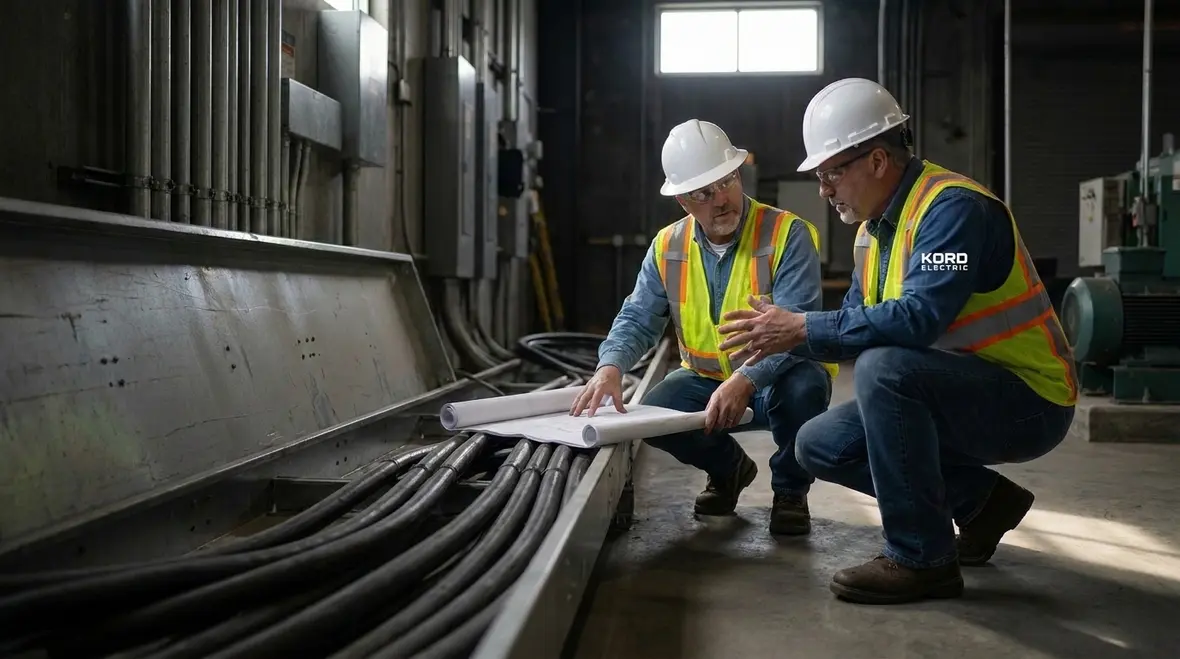
Commercial and industrial buildings run on systems that must coordinate across disciplines. That is why Kord Electric treats conductor compliance as part of the bigger plan, not a standalone task. When a project uses USE cable, NEC USE cable conductors become a key piece in how the design meets NEC requirements. Therefore, teams must align conductor selection with the electrical system’s needs, including load type, fault protection approach, and operating conditions.
Furthermore, the conductor requirements affect how engineers and contractors coordinate on protection devices and circuit sizing. If someone selects a conductor that does not match the NEC intent for use, then upstream equipment choices may also fall out of alignment. For example, a mismatched rating can force later design changes, or worse, it can produce conditions that do not handle faults and operating stress as expected.
To keep projects steady, Kord Electric’s service staff checks the full electrical chain: cable characteristics, conductor behavior, termination compatibility, and protective device settings. In addition, they confirm that the documentation matches what gets installed, because inspectors and owners do not enjoy surprises. Neither do we.
Typical design checks
- Confirm conductor suitability for the installation conditions
- Validate circuit requirements align with NEC expectations
- Review routing and support methods before field work
- Ensure terminations match conductor type and design
Typical field verification steps
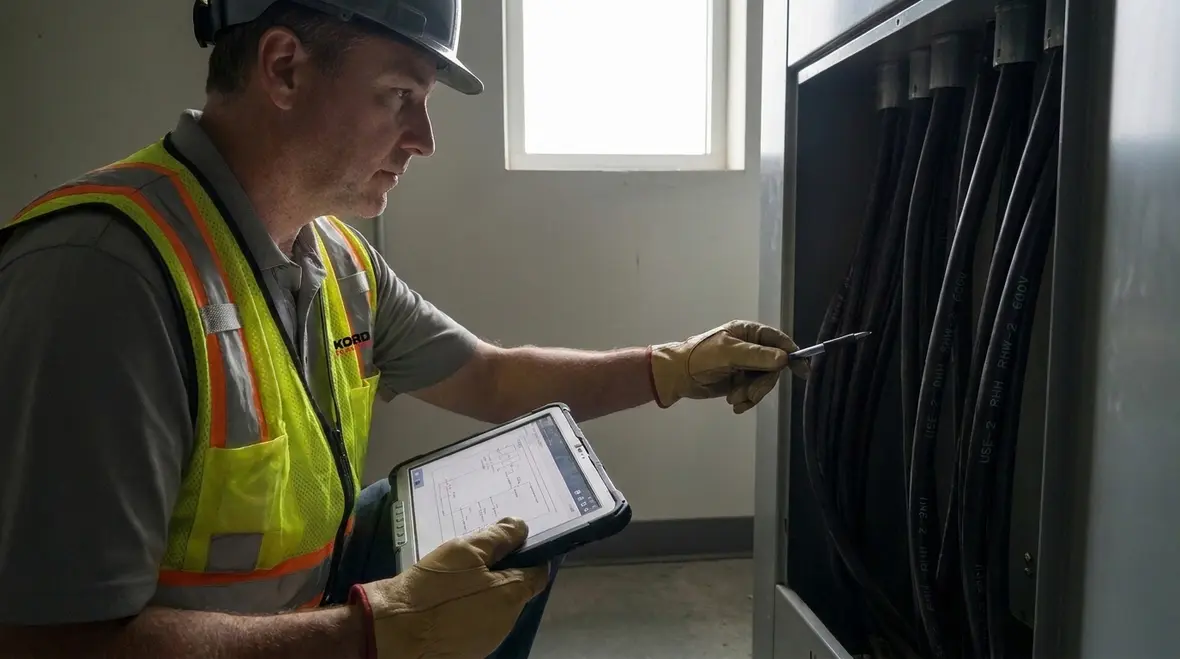
- Inspect pulling, bending, and protection during installation
- Verify support spacing and cable strain relief
- Check labeling and identification consistency
- Document results for compliance and future maintenance
Design and installation pitfalls that drive problems in commercial buildings
Even when teams understand the code, the real world adds complexity. Industrial sites have vibration, busy traffic lanes, and crowded raceways. Meanwhile, commercial facilities can have long cable runs, ongoing tenant changes, and retrofit deadlines. Therefore, Kord Electric focuses on the failure points that most often hurt performance.
One common issue is incorrect handling during pulling. If installers pull too hard or ignore required bend limits, conductors can suffer insulation damage or internal stress. Then, the system may pass early checks and fail later, which is the worst kind of problem because it hides until you least want it.
Another pitfall involves termination. Terminations must provide the right mechanical and electrical interface. If a crew uses incompatible hardware or applies the wrong torque practices, then the connection can heat under load. Over time, that heating can become a reliability hazard.
Finally, teams sometimes treat documentation as optional. Yet, for large facilities, accurate as built records help future maintenance and troubleshooting. When those records are wrong, the next electrician gets stuck playing detective, and nobody wants that in a time sensitive environment. Code compliance should make your life easier, not harder.
How owners and managers should evaluate an NEC compliance approach
Commercial and industrial owners deserve a process that reduces risk. Kord Electric helps teams evaluate compliance by using a clear method: plan, install, verify, and document. First, we ask for project goals, site constraints, and the operating priorities of the facility. Then, we align those needs with NEC expectations as part of the electrical plan review.
Next, our expert service staff explains what will happen during installation verification. They outline what they will check, why it matters, and how it ties to safety and performance. This approach helps owners make decisions with confidence, instead of relying on vague assurances.
Additionally, Kord Electric keeps the scope focused on the environments that matter most to our work. We target commercial and industrial facilities and major property buildings, where systems are high value and uptime carries real business weight. We also coordinate with the broader safety culture on site, because electrical work does not operate alone. It belongs to a larger system of procedures, permits, and inspections.
For teams who want deeper background on the National Electrical Code, Kord Electric’s published resources explain the code in a structured way, including the context that surrounds NFPA 70. A practical starting point is the company’s guide on how to read NFPA 70 and the National Electrical Code for commercial and industrial buildings, which helps designers, facility managers, and technicians connect article level rules like Section 326.104 with the rest of the NEC structure in 2026. That clarity helps everyone speak the same language, from designers to field crews. It also makes the process less stressful. Stress burns calories, and we would rather use that energy for troubleshooting.
As part of that bigger picture, many facilities also review how conductor rules relate to service sizing, bonding, and overcurrent protection. Articles that cover topics like underground service conductor sizing, service listing requirements, and cabinet wall positioning show how NEC decisions interact across an entire distribution system instead of living in isolated checklists.
When commercial teams operate across Los Angeles County and surrounding areas, they often combine that code context with hands on support from an electrical contractor that specializes in large properties. Dedicated Los Angeles County electrical services for commercial and industrial facilities give owners a way to turn those NEC concepts into safe, reliable installations backed by field tested procedures.
FAQ about NFPA 70 Section 326.104 and USE cable conductors
Facility teams usually raise the same questions once they start looking closely at NEC USE cable conductors and NFPA 70 Section 326.104. The answers below keep the focus on practical decisions for commercial and industrial buildings.
Conclusion: get conductor compliance right before the problem shows up
Kord Electric helps commercial and industrial teams handle NFPA 70 Section 326.104 with an approach that connects code language to real installation practices. Our expert service staff verifies USE cable conductor selection, workmanship details, and documentation so owners and managers gain confidence instead of surprises. If a project team wants to prevent rework, reduce downtime risk, and keep inspections smoother, we are ready. Contact Kord Electric to review the plan and confirm the install steps for NEC compliance.
For facility leaders who want even more context around how Section 326.104 fits into the larger NEC picture, it can help to review educational resources that walk through the 2026 National Electrical Code structure article by article. When teams see how topics like calculated load determination, cabinet positioning, service disconnecting means, and underground conductor sizing interlock with USE cable decisions, they make better choices from the first drawing revision through the final torque check.
Most importantly, treating NEC USE cable conductors as part of a disciplined, repeatable compliance process keeps the focus where it belongs: on safe, dependable power for the people and equipment that rely on it every day.


