
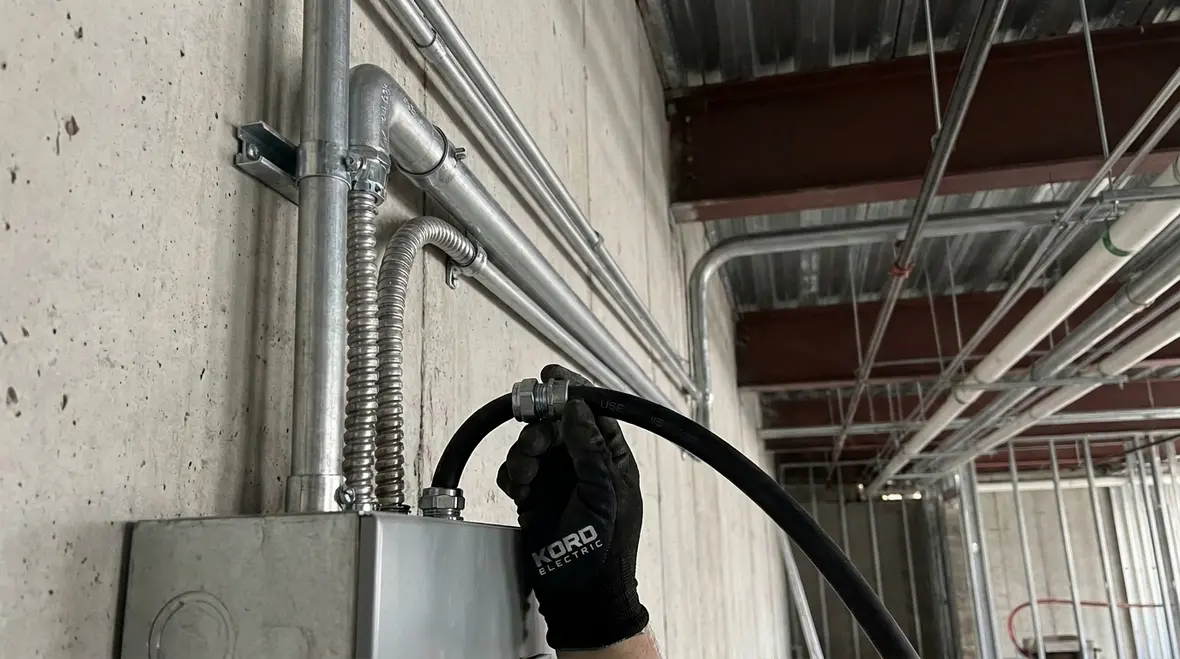
Kord Electric Guide to NEC USE Cable Conduit Basics
Kord Electric and NEC conduit basics for USE cables
At Kord Electric, we work with commercial and industrial facilities and major property buildings, where power systems need to be built right the first time. That is why we take the time to explain NEC USE cable conduit before anyone lifts a tool. In this article, third person guidance is offered in a calm, practical way, and our technicians and expert service staff help translate code language into real job site decisions. In fact, we treat compliance like a seatbelt: you do not notice it until you need it, and then you really care.
Now, once the conduit conversation starts, most people assume it is just “pipe and paperwork.” However, NFPA 70 Section 326.116 lays out requirements that protect people, equipment, and operations. So, step by step, this guide explains what the code intends, what inspectors look for, and how Kord Electric helps facilities stay safe and efficient.
NFPA 70 Section 326.116 goals and where it applies
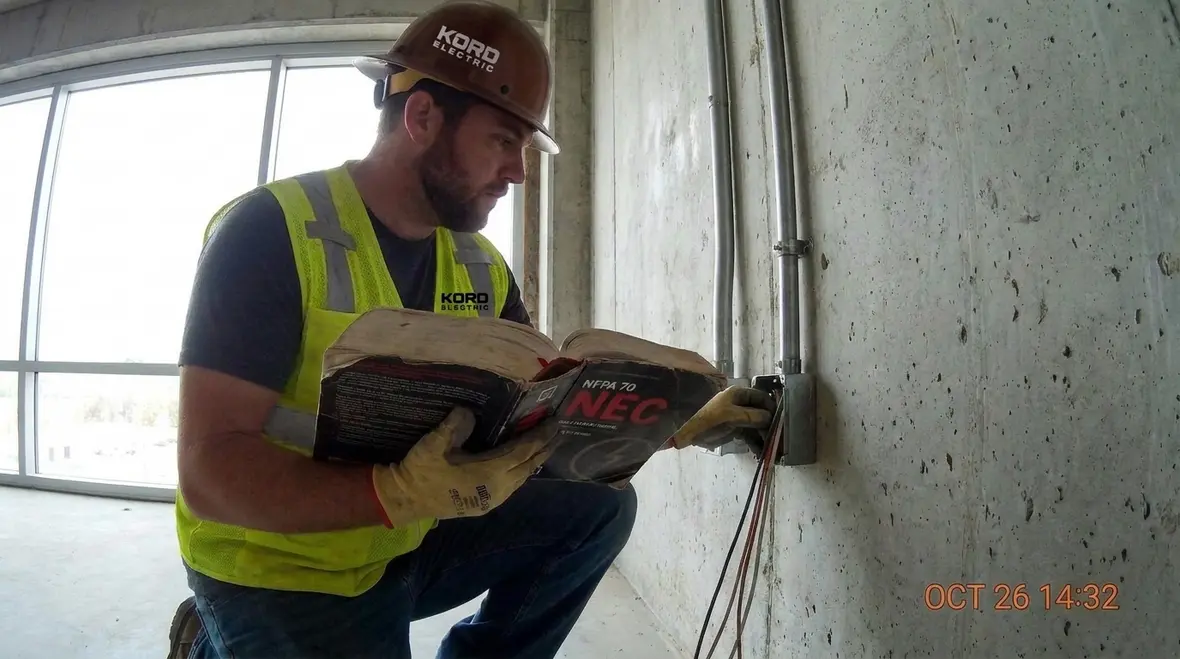
NFPA 70 Section 326.116 is part of the NEC rules for metallic and nonmetallic raceways used with certain types of cables. In simple terms, it governs conduit practices that support the safe installation of wiring systems. Therefore, the goal is not to make your project harder. Instead, the rules aim to reduce damage, limit hazards, and maintain dependable performance during normal operation and in fault conditions.
From an installation standpoint, this matters for commercial and industrial sites because wiring routes often run through busy areas, under heavy usage zones, or near equipment that generates heat, vibration, and frequent access demands. As a result, conduit selection, routing, and termination practices carry weight.
Kord Electric’s technicians also explain that code compliance is not a vibe. It is measurable. Inspectors look for clear physical installation features, correct conduit type, proper fittings, and the right approach to protect the cable as it transitions to devices and equipment.
What conduit needs to protect for USE cable runs
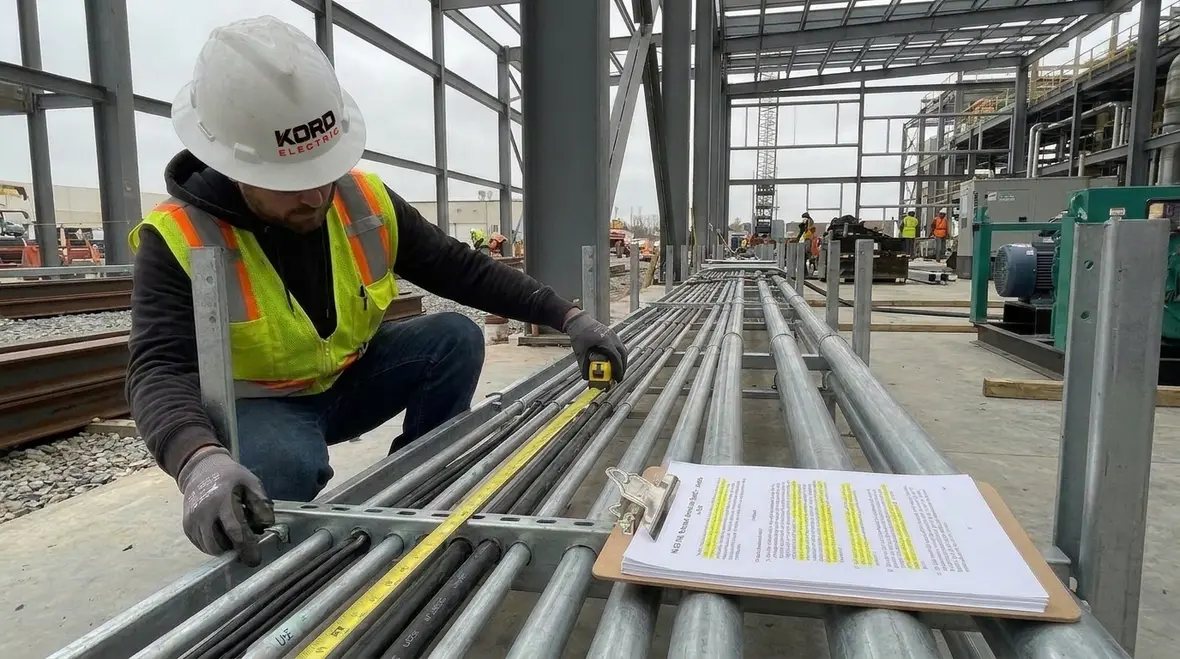
When people hear “conduit,” they sometimes picture it as a simple outer shell. Yet the NEC expects the conduit system to protect the cable assembly. First, it helps prevent physical damage from impact, abrasion, and stress. Second, it supports safe heat dissipation and orderly routing. Third, it helps maintain integrity at bends, entries, and terminations.
For USE cable installations, a conduit system must also support secure, repeatable cable handling practices. That includes making sure the raceway layout allows the cable to be pulled or installed without forcing it beyond acceptable bend and stress limits. If a crew tries to bully a cable through a bad route, the project may still “work” for a while, but the long term risk rises fast.
Our expert service staff often tells teams to treat the conduit path like a guided runway. If the path has sharp turns, poor alignment, or unplanned obstructions, installation turns into a slapstick comedy. And nobody wants their electrical system to audition for a late night show.
Conduit type, routing discipline, and job site reality
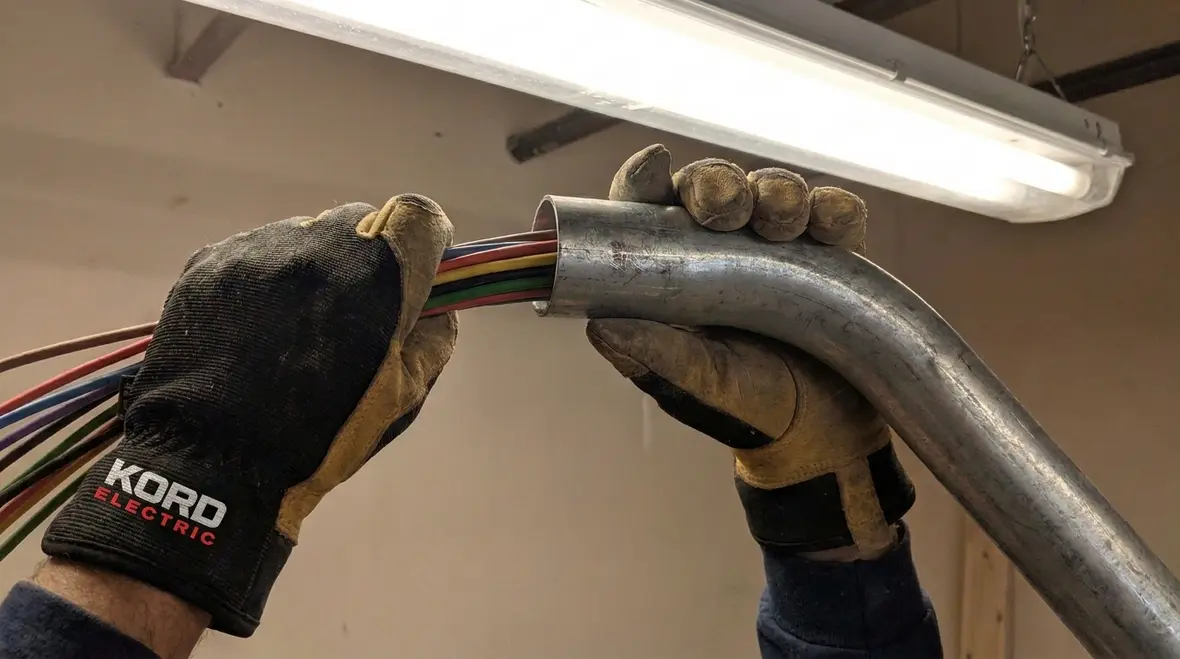
Section 326.116 focuses on how conduit supports the cable system in practical terms. Therefore, routing discipline matters. Straight runs help, but real projects need bends, offsets, and transitions. So, crews must plan routing early and then build it cleanly.
Kord Electric supports planning for commercial and industrial facilities and major property buildings by mapping the route with trades in mind. That means coordinating with structural steel, ceilings, fire alarm pathways, and maintenance access. Then, during installation, our technicians verify alignment, confirm fittings, and inspect work as it progresses rather than waiting for the final inspection.
In addition, conduit routing can influence how crews manage pull tension, cable protection at entry points, and long term reliability. Consequently, good conduit practice reduces the chance of future service calls. And yes, we know service calls can feel like “surprise guests.” Still, planned maintenance beats surprise emergencies every time.
To stay aligned with current guidance, Kord Electric refers teams to NEC related explanations and broader code context that we maintain through our educational resources and references. For a deeper dive into the rulebook behind these conduit choices, facility teams often pair this topic with our Understanding NFPA 70, the National Electrical Code Explained for 2026 guide, which connects the written NEC language to field decisions.
Pulling, supporting, and terminations that keep inspections calm
Even when the conduit is correctly selected, the install can fail due to poor workmanship. For that reason, Kord Electric’s technicians focus on the full lifecycle: pulling, supporting, and terminating. First, teams use proper pulling practices. That includes correct cable handling and avoiding damage to insulation and jackets during installation.
Next, supporting the conduit maintains stability. If conduit sags, shifts, or vibrates, the cable experiences stress at bends and transitions. Over time, that can lead to wear. Therefore, facilities benefit when support spacing and installation methods follow the NEC intent.
Terminations also deserve attention. That includes correct connectors, proper sealing where required by other NEC rules, and secure equipment interfaces. Even though Section 326.116 centers on conduit practices, termination quality affects how well the whole assembly performs.
Our team also explains that inspectors often look for consistency. If one run uses neat fittings and careful preparation and another run looks like it was assembled during a storm, the difference stands out. So, uniform quality is not just nice. It is smart.
Common mistakes with USE cable conduit and how Kord Electric prevents them
Facilities often share the same recurring issues during project review and final inspections. For commercial and industrial sites, those mistakes can cost schedule time and create operational risks.
One common problem is poor planning for routing. Crews may discover too late that the planned conduit path interferes with other systems or does not allow practical cable installation. As a result, they reroute in a way that introduces stress, tight bends, or awkward transitions.
Another issue involves fittings and connections. When fittings are mismatched or improperly installed, they can create sharp edges, loosened connections, or gaps that undermine cable protection. Meanwhile, skipping steps around securing and supporting can let vibration and movement build over time.
Kord Electric prevents these issues through process. First, our technicians review the layout with the project team. Then, we verify conduit sections and fittings before cable installation begins. After that, we inspect the work in phases so problems show up early, not after the cable is already pulled.
And if someone suggests, “It will be fine, we have done it before,” our expert service staff keeps it light but clear. We remind them that “before” is not a code citation. You need a repeatable process that holds up under inspection.
How Kord Electric supports compliance for major buildings
Commercial and industrial facilities carry unique demands. Power systems must support uptime, safety, and ongoing service access. That is why Kord Electric treats compliance as a project discipline rather than a last minute checklist.
Our approach includes early guidance during design coordination, careful installation planning, and on site verification by technicians who explain the “why” behind the rules. So, teams understand how NEC USE cable conduit requirements connect to real safety outcomes and operational reliability.
Because code changes and regional practices can affect interpretation, we also encourage facilities to follow up with resources that explain NEC structure and updates. Kord Fire content on NFPA 70 and other code education references help provide broader context, while Kord Electric maintains practical guidance tailored to job site conditions for professional property owners.
In addition, for fire and life safety critical environments, facilities often coordinate with fire related systems and standards. While this article focuses on NEC conduit concepts, the big picture matters. Reliable electrical installation supports stable operation across the entire safety ecosystem, including areas that relate to fire pump operations and related building systems.
FAQ: NFPA 70 and USE cable conduit questions answered
Schedule a Kord Electric review before the cable goes in
Kord Electric helps commercial and industrial facilities and major property buildings install conduit for USE cable with the care it deserves. Our technicians and expert service staff explain the code intent, verify routing and fittings, and prevent the kind of mistakes that turn commissioning day into a comedy sketch. If you want a calm, compliant path from conduit layout to finished system, contact Kord Electric. We will review your plan, discuss key installation details, and support your next electrical project with confidence.
For facility leaders building a broader upgrade roadmap, NEC USE cable conduit planning also ties into larger modernization work. When you are ready to coordinate conduit decisions with panels, feeders, and new loads across a property, Kord Electric’s Los Angeles County electrical services team can align project design, code strategy, and installation so the entire system supports long term safety and performance.


