
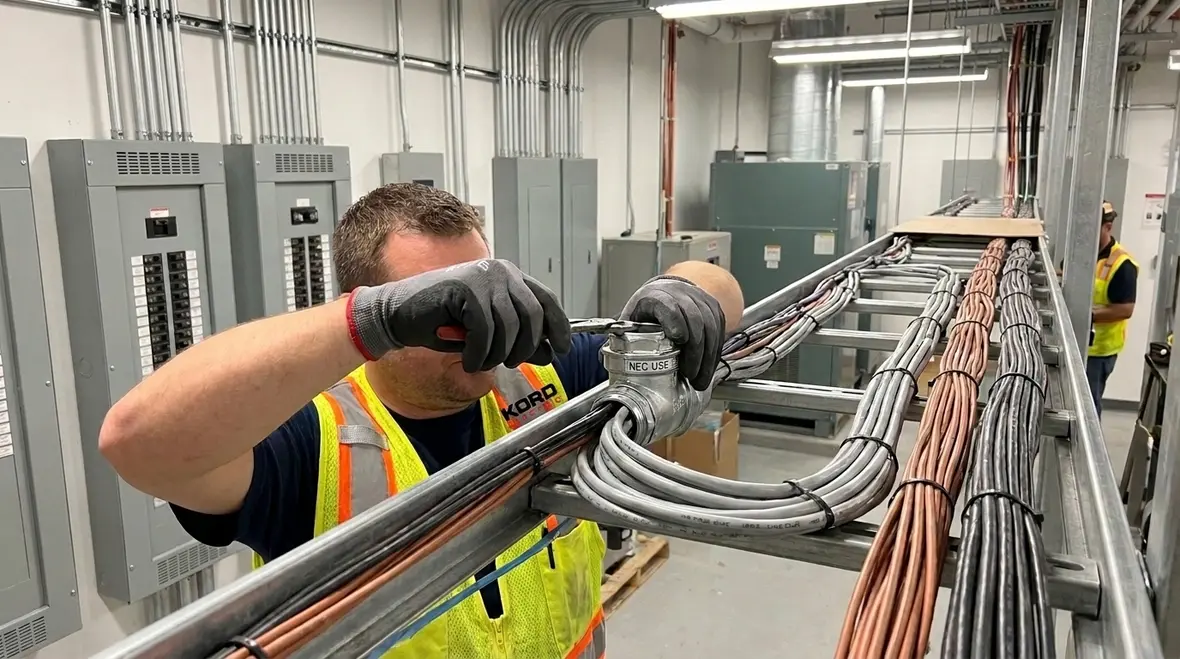
NEC USE Cable Fittings and USE Cable Guide Compliance
In commercial and industrial facilities, NEC compliance is not optional, it is the difference between a clean inspection and a call that nobody wants to make. At Kord Electric, we work with NEC USE cable fittings and we help teams choose the right fittings for USE cable guide systems so cable routing stays safe, supported, and properly protected. Then we back that up with field trained technicians who explain what they see, why it matters, and what they recommend before anyone signs off on the work. That calm, steady approach is on purpose, because nobody needs electrical work to feel like a mystery box. (We have seen enough of those at office parties.)
NFPA 70 Section 326.40, what it requires for USE cable guide
Third person teams often ask what NFPA 70 Section 326.40 actually demands, and our service staff usually answers in plain terms. The section addresses the fittings used with USE cable guide systems. In other words, it tells you how the fittings should support, terminate, and interface with the guide so the cable stays in the right position and remains protected during installation and normal use.
To stay aligned with the NEC intent, the fittings must match the cable guide method and the way the cable is routed. Additionally, the fittings should not force the cable into an unsafe bend radius or create stress points. So, even when someone thinks they can “make it fit” with a quick workaround, the standard expects the system to be installed as a system, not as a pile of parts that happen to be nearby.
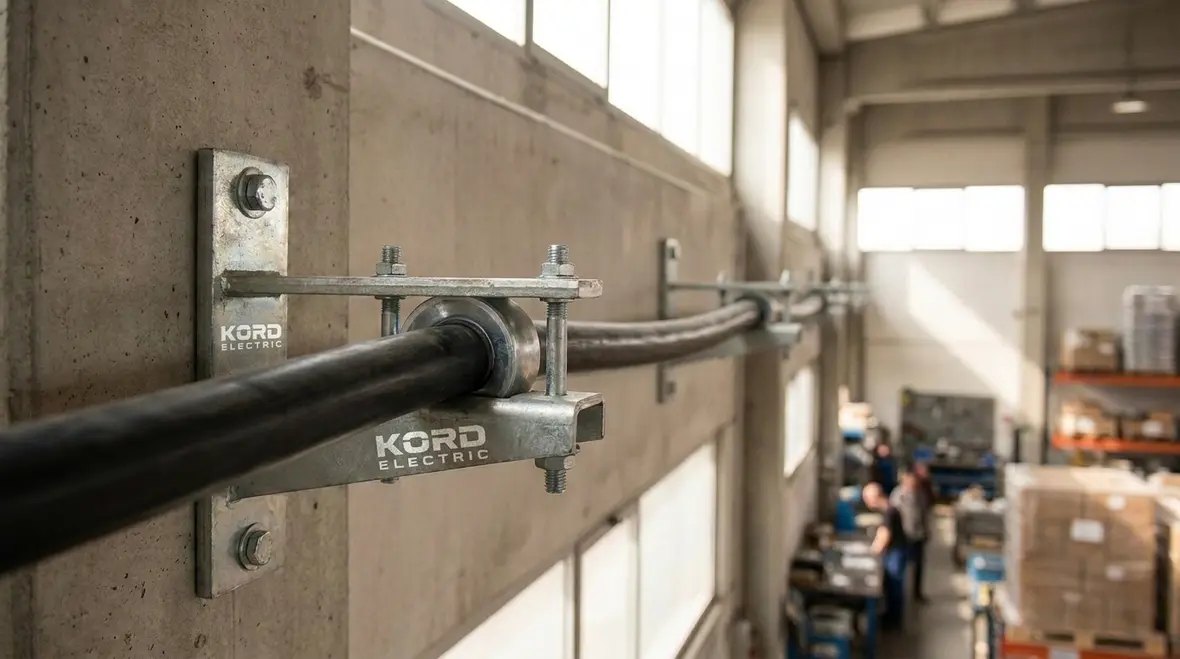
How NEC USE cable fittings support safe cable routing
When we evaluate a project for major property buildings and commercial sites, we look at the whole pathway, not only the final connection. Then we check the support and transition points where fittings do their real work. Proper NEC USE cable fittings help maintain alignment, reduce strain, and keep cables from rubbing against metal edges or moving out of the guide.
In practice, fittings do four important jobs. First, they provide a stable interface between the guide and cable. Second, they help reduce mechanical damage from handling. Third, they keep the route consistent so future maintenance does not require improvisation. Finally, they support the system so it meets the installation expectations that inspectors and engineers look for.
And yes, sometimes people treat fittings like decorative trim. They are not. A fitting is a mechanical support element, and that means it belongs in a planned, documented installation.
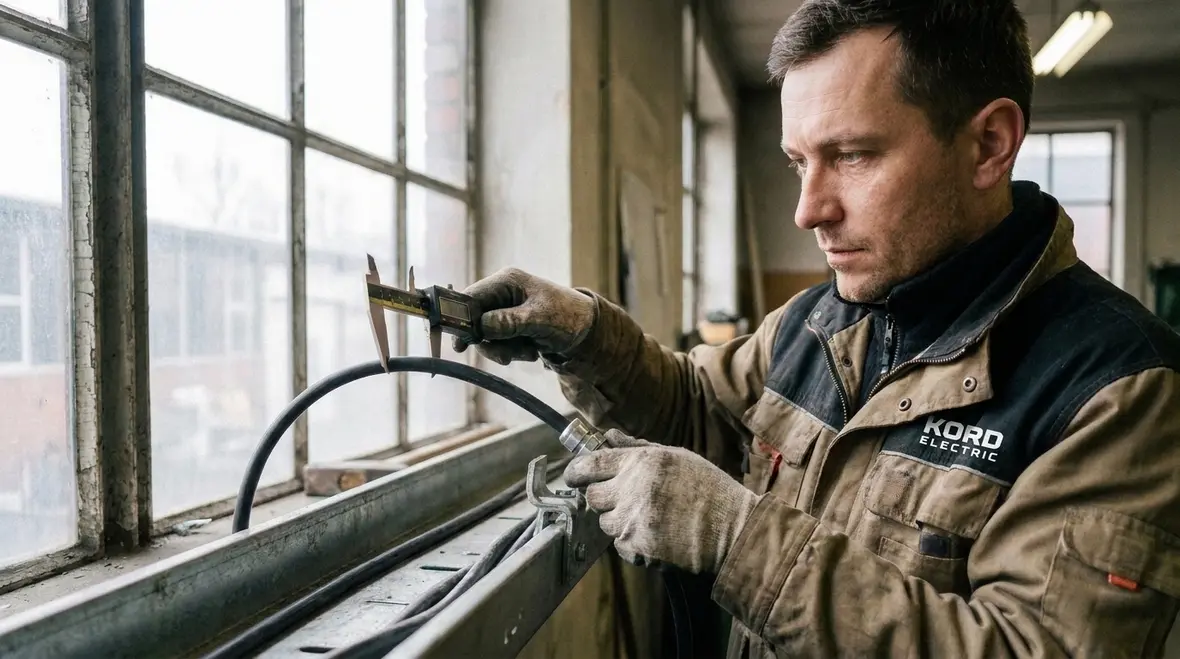
Common mistakes in USE cable guide installations that trigger problems
Our technicians see the same patterns across different facilities. However, the failures are rarely dramatic at first. They start small and become expensive. As an example, some teams install fittings that do not match the guide design. Then the cable can shift over time, or the route can loosen during routine service.
Other common issues include forcing cable around corners without proper support, using fittings that do not keep the cable centered in the guide, and ignoring how the cable enters and exits the guide. In addition, teams sometimes skip labeling or documentation on pathways, which makes later troubleshooting slow and risky.
To keep this from happening, we advise facilities to treat the guide routing as a layout task. We review the route path, identify transitions, and confirm fit and support before a crew locks everything in place.
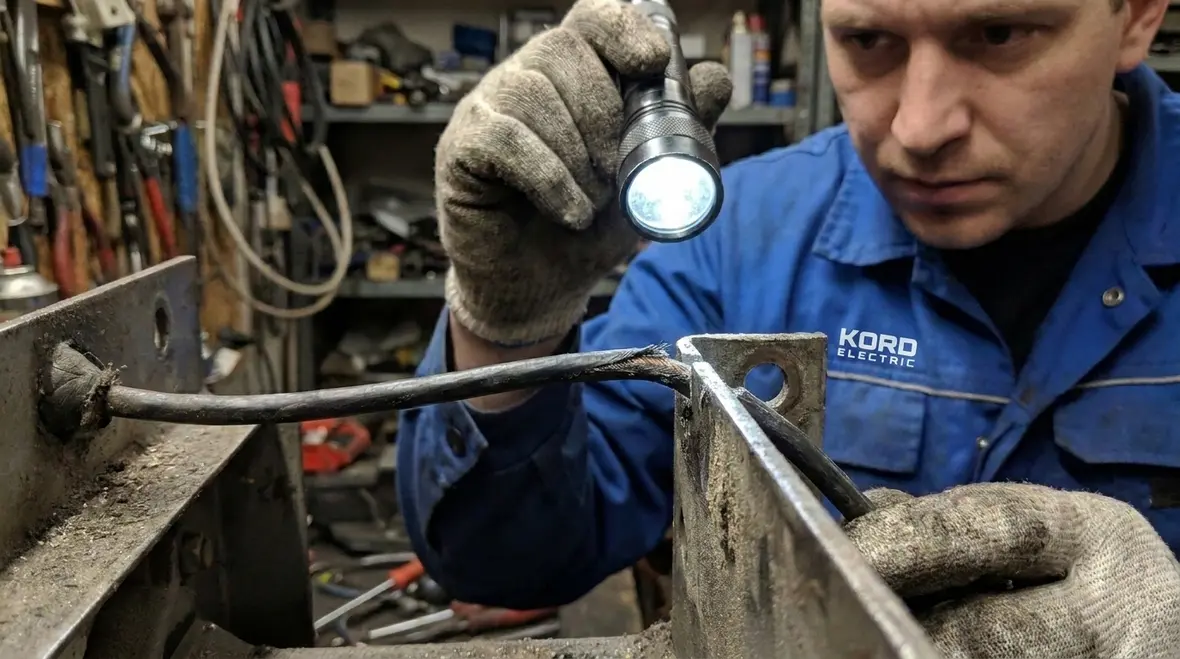
What our expert service staff checks before installation
Because we serve commercial and industrial properties, we follow a repeatable process that field teams can trust. Our approach starts by confirming the project design intent and the cable guide layout. Then our expert service staff checks the fittings selection against the guide type and the requirements of the NEC installation method.
Next, we verify mechanical fit and cable handling practices. We do not just look for “it sits there.” We look for stable support, correct alignment, and a route that avoids sharp stress points. After that, we confirm workmanship details like securing methods and placement consistency along the pathway.
Finally, we document the key details for handoff. That step matters for major property buildings where multiple trades interact, and where future service should not turn into a scavenger hunt.
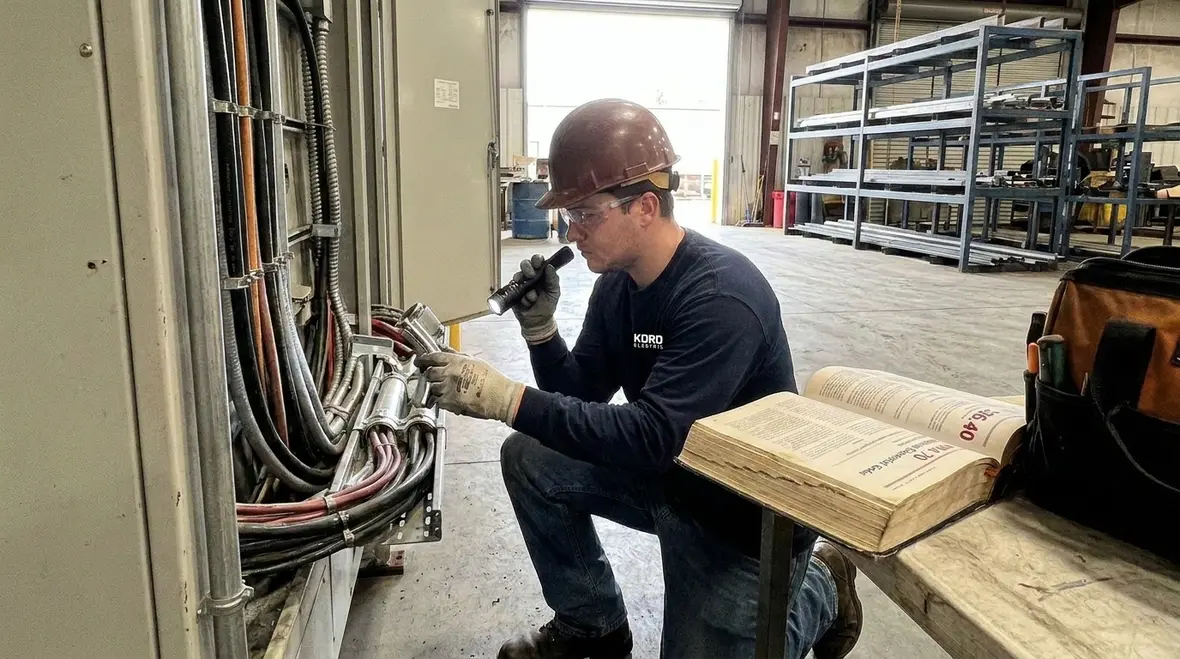
Using Kord Electric NEC compliance support for commercial and industrial projects
Large facilities rarely fail because of one thing. Instead, they fail because many small decisions add up. That is why Kord Electric supports projects with a compliance driven mindset, especially for major property buildings and commercial sites. We help teams choose correct components, coordinate installation practices, and maintain a clean pathway system.
Moreover, we work with engineers, contractors, and facility teams to explain the “why” behind the rules. When people understand why NEC USE cable fittings and related fittings for USE cable guide matter, they stop treating compliance as paperwork. They see it as protection for the building, the people, and the timeline.
If you are working through NEC planning for the 2026 cycle, we also reference the related guidance from our blog and supporting materials so teams stay aligned with how the NEC gets interpreted in real installations.
For more context on how the NEC is explained for practical use, you can also explore Kord Electric’s NEC overview and Kord Fire’s NEC guide. Those resources help teams connect the technical rules to jobsite decisions.
NEC USE cable guide fit and routing, a jobsite walkthrough
Let us describe what a strong installation looks like in the field. First, the crew installs the guide system along the planned route, and it follows the approved layout. Then, at each required transition point, the crew installs the correct fitting so the cable remains supported and guided.
Next, the crew handles the cable carefully during pulling and placement. Then they position the cable in the guide so it does not kink, stretch, or rub against surfaces. After that, they confirm that fittings provide consistent mechanical support along the run, not only near the ends.
Finally, they inspect the pathway for any signs of misalignment or stress and they confirm workmanship quality. If something looks off, our technicians and expert service staff address it before the system gets buried behind ceiling runs or integrated into finished spaces. Think of it like tightening the last screw before the cabinet doors get installed. Once it is closed, it becomes a sitcom episode you do not want to star in.
On projects that involve broader electrical upgrades across a facility, we also align this walkthrough with services such as our Los Angeles County electrical services for commercial and industrial buildings, so routing choices, protection methods, and inspection expectations stay coordinated across the entire scope.
FAQ for NEC Section 326.40 and USE cable guide fittings
Conclusion and next steps with Kord Electric
We at Kord Electric help commercial and industrial teams install cable guide systems the right way, with NEC USE cable fittings selected and verified to support safe routing and clean compliance. If you manage a major property building, do not leave fittings to guesswork, because small decisions can create big rework. Contact Kord Electric today for expert review and installation support. We will explain the requirements in practical terms, coordinate with your teams, and help you move forward with confidence.


