
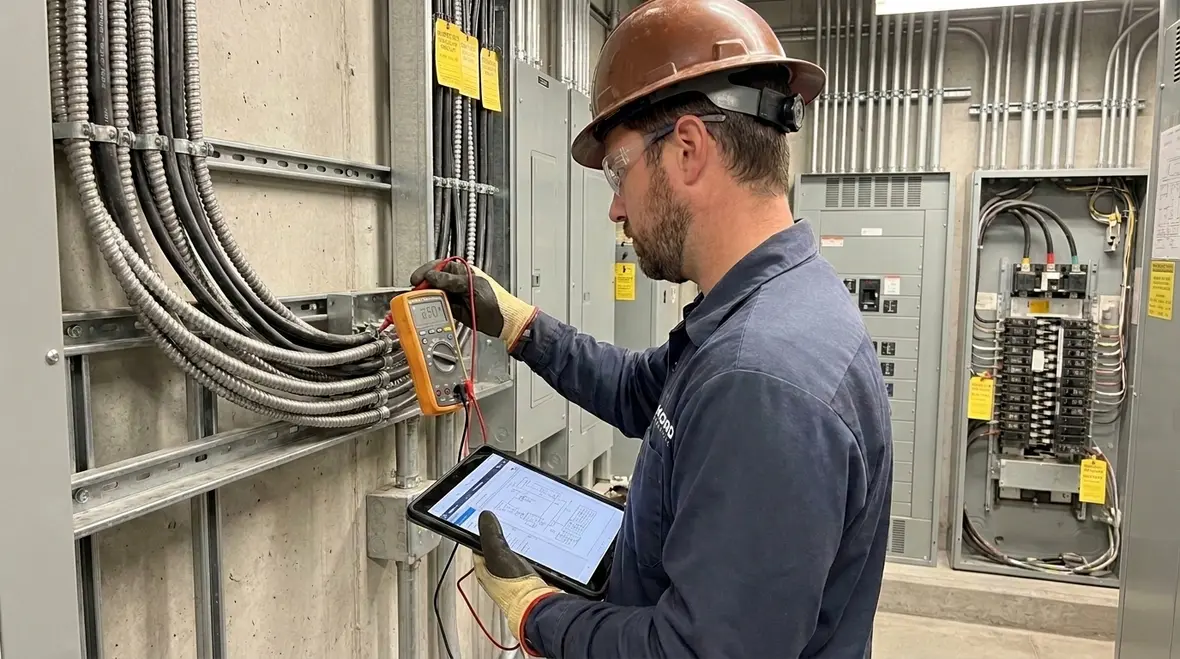
NFPA 70 Section 332.80 NEC SEC Cable Ampacity Guide
When a commercial or industrial facility plans new power circuits, our NEC SEC cable ampacity decisions should never feel like guesswork. In this guide, Kord Electric walks through NFPA 70 Section 332.80 and the way it sets rules for sizing and using cable ampacity in raceways, trays, and similar systems. We also explain how our expert service team and field technicians help translate the code into safe, practical steps that keep projects on schedule. And yes, we know. Ampacity rules can sound like they belong in a sci fi movie, where cables talk back and demand snacks. Still, the goal stays simple: correct conductor sizing, correct protection, and installations that inspectors respect.
NFPA 70 Section 332.80: what it does and why it matters
NFPA 70 is the National Electrical Code, and Section 332 focuses on metal clad cable and related wiring assemblies. Within that section, 332.80 sets the expectations for conductors under specific installation conditions. In plain terms, it helps ensure the conductor can handle the load current as installed, not just as written on a spec sheet.
So, why do facilities teams care? Because cable that runs too hot ages faster, fails sooner, and can raise the risk of insulation damage. In commercial and industrial buildings, that can mean downtime, repairs, and compliance headaches. Therefore, when our technicians review drawings, they treat Section 332.80 as a key checkpoint, not a footnote.
How ampacity changes with installation conditions
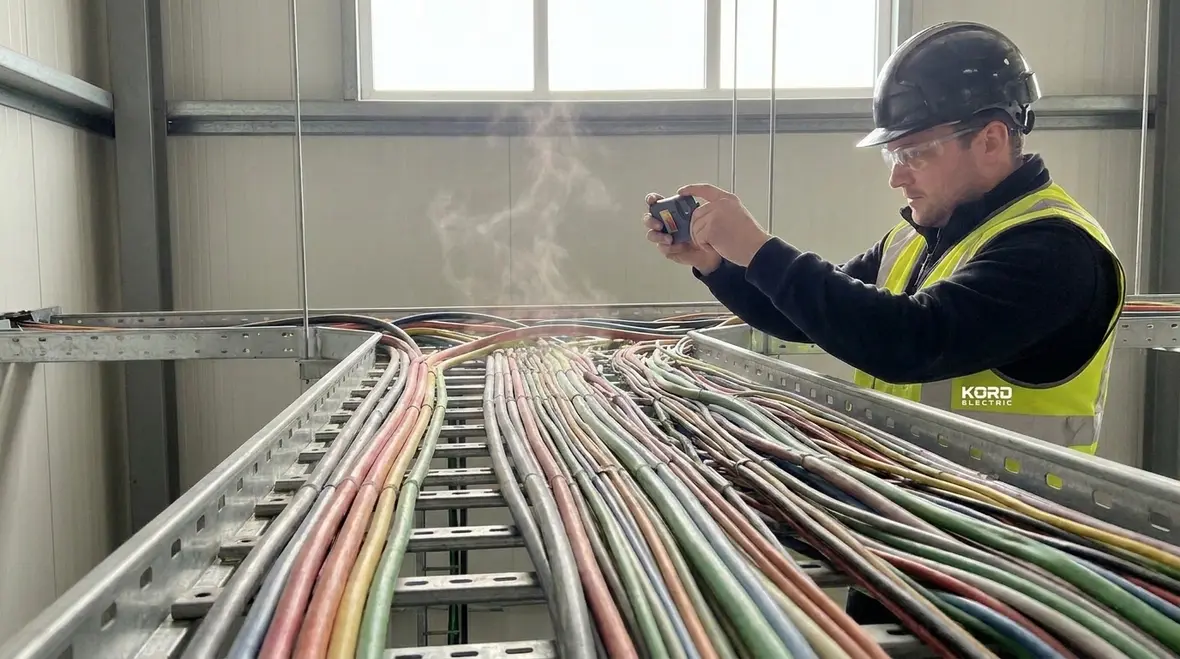
One of the first things we emphasize to our clients is that conductor rating does not exist in a vacuum. Cable ampacity can change based on how the cable is installed and how heat builds up. For example, when conductors share space in a raceway or cable tray, the temperature around them rises. As temperature rises, allowable current often drops.
Next, our expert service staff helps teams connect these ideas to real layout decisions. They ask questions like where the cable runs, how many circuits share the same pathway, and whether the wiring method affects heat removal. Then they apply the correct code approach for the specific wiring arrangement and loading conditions.
In other words, we do not just “follow the chart.” We confirm that the real-world routing matches the assumptions in the design.
Where NEC SEC cable ampacity rules show up in practice
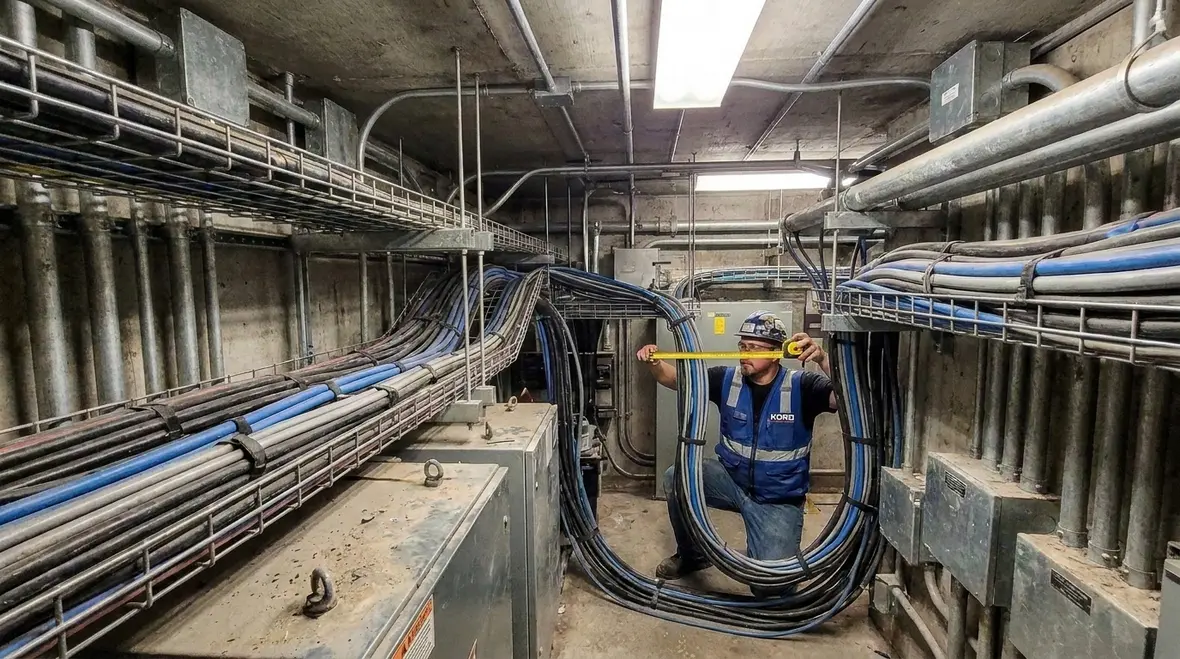
Most projects run into ampacity trouble when the design team sizes conductors using one set of conditions and then installs under another. That is where our NEC SEC cable ampacity guidance becomes useful for commercial and industrial facilities. We help ensure that calculations line up with the installation method used in the field.
For many systems, the practical workflow looks like this. First, the facility identifies load demand and selects the conductor material and insulation rating. Next, it determines the wiring method and pathway, including whether cables are in raceways, trays, or enclosures. Then it applies the adjustments tied to how the conductors are grouped and exposed to heat.
Finally, our technicians verify that terminations, protections, and labeling align with the ampacity result. If that sounds like extra steps, it is. However, it prevents the classic “everything checked out on paper” problem that turns into emergency repairs later. And nobody wants that, not even the people who keep duct tape in their desk drawer like it is a personality.
Step by step: apply Section 332.80 without losing the plot
To apply NFPA 70 Section 332.80 correctly, we recommend a clean, repeatable process that our service team uses on commercial and major property building projects. This helps reduce errors when schedules get tight.
Step 1: Start with the cable data
Use the conductor and insulation details that match your proposed cable type and temperature rating. Then confirm the installation method in your drawings and specs.
Step 2: Identify the installation scenario
Determine the wiring arrangement covered by the section. Also note any factors like bundling, proximity, or confinement that affects heat transfer.
Step 3: Evaluate adjustment factors
Section rules often require adjustments when conditions differ from standard test setups. Our technicians translate the intent into a calculation that matches the actual cable environment.
Step 4: Check overcurrent protection coordination
Ampacity sizing should also align with protective device limits and settings. When protection and conductor limits do not agree, the system can behave unpredictably during overloads or faults.
Step 5: Document the result
We encourage teams to include the reasoning in project documentation so the inspection path stays smooth.
And yes, it takes care. But so does keeping a plant running, keeping tenants comfortable, and keeping critical systems alive when something changes. Care is not the enemy. Care is the job.
Heat management, grouping, and real cable routing
Heat is the silent factor behind most ampacity problems. Even when the conductor type is correct, the layout can change temperatures enough to require different ampacity decisions. Therefore, facility teams should pay attention to grouping and spacing, and to how cables move through mechanical rooms, risers, and ceiling pathways.
For example, if multiple circuits share the same raceway or tray, the heat around each conductor increases. Additionally, if pathways pass through areas with poor heat dissipation, the conductor sees less cooling. As a result, allowable current may drop compared to a simple, isolated run.
Our field approach stays practical. We often review route changes late in the design phase because those changes usually drive the biggest ampacity impacts. When clients ask us to “just adjust it later,” we politely remind them that later is when teams start improvising, and improvisation is not an electrical design method. It is a comedy technique.
Why coordination matters: ampacity, protection, and inspections
Engineers and electricians sometimes treat ampacity as a standalone calculation. However, in commercial and industrial installations, ampacity sits inside a bigger system. Overcurrent protection, voltage drop targets, and termination limits all play roles. If one piece does not line up, the whole plan can fail during commissioning or inspection.
At Kord Electric, our technicians coordinate the details. We also work with our broader fire safety and code education resources through Kord Fire, and we align our documentation mindset with what inspection teams look for. For major property buildings, that coordination matters even more, because multiple trades often share the same space and the same construction timelines.
And when teams plan to reference widely used standards and education resources, we point them toward helpful code background and compliance context. You can also explore more NEC and code discussions through sources like kordfire.com and additional insights through kordfire.com.au. For fire and life safety contexts that often intersect with electrical safety planning, many clients also look at firepumps.org.
For a broader overview of how NFPA 70 shapes commercial projects, facility teams can also connect this discussion with Kord Electric’s explainer on the National Electrical Code for 2026 in their NEC guide, which expands on how section-level requirements like 332.80 fit into the bigger code framework and project planning mindset.
Quick dual-column guide for the design team
What we confirm on site
Actual cable routing versus drawings
Raceway and tray fill assumptions
Grouping levels and circuit counts
Heat exposure points and enclosure types
Termination and connector temperature limits
What we calculate for compliance
Correct cable ampacity under conditions
Adjustment factors tied to installation
Overcurrent protection coordination
Documentation for inspector review
Consistent results from load to field
FAQ on NFPA 70 Section 332.80 and cable ampacity
Final thoughts from Kord Electric
NFPA 70 Section 332.80 matters because it connects code intent to the heat your cables actually experience. At Kord Electric, we support commercial and industrial facilities by having our technicians and expert service staff explain requirements clearly and verify that design assumptions match field reality.
If you want to reduce the risk of overheat issues, failed inspections, or redesign work, reach out to us. We will review your cable ampacity approach, support coordinated protection, and keep your project moving forward with confidence. For facility teams planning broader system upgrades or renovations, our Los Angeles County electrical services team also helps integrate NEC SEC cable ampacity decisions with panel work, feeder upgrades, and reliability improvements across your entire distribution system.
You can also connect these ampacity checks with Kord Electric’s wider NEC learning path, including resources that explain how to read NFPA 70 and how the National Electrical Code for 2026 influences commercial and industrial project planning. When your team understands both the section-level rules and the big-picture framework, every conductor run, raceway fill, and protective device setting works together instead of fighting for attention at the worst possible moment.


