
NFPA 70 Section 332.108 NEC SEC Grounding Conductor Guide
NFPA 70 Section 332.108 sets clear rules for the NEC SEC grounding conductor used with service entrance cables that supply critical power. At Kord Electric, we focus on commercial and industrial facilities and major property buildings, because the stakes do not sit politely in the corner. They show up in the form of nuisance trips, damaged equipment, and real safety risk if grounding fails. And grounding, like a good fire drill or a working sprinkler system, only feels boring until you actually need it.
In the pages ahead, our expert service staff and field technicians explain what Section 332.108 requires, why it matters for system performance, and how to verify proper installation without guessing. Along the way, we will keep it practical, calm, and professional, with the occasional light joke because even NEC compliance deserves a little personality.
What NFPA 70 Section 332.108 requires for equipment grounding
NFPA 70, the National Electrical Code, does not write rules to impress engineers. It writes rules to keep people safe and keep power systems behaving as intended. Under Section 332.108, the code addresses the equipment grounding conductor for SEC cables and tells installers how that grounding path must work.
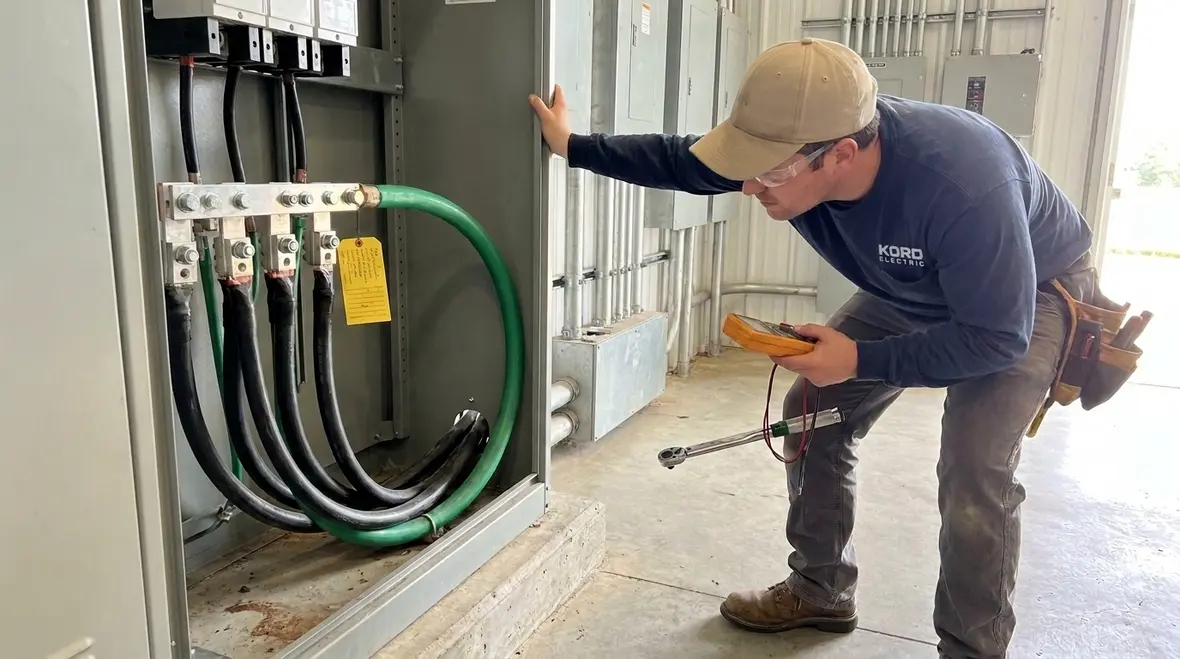
Our technicians approach this the same way we approach real job sites: slowly, carefully, and with documentation. First, we confirm whether the cable type and installation method fall under the scope of the section. Then, we verify that an equipment grounding conductor exists where the SEC cable arrangement calls for it, and that it meets the requirement for being sized and installed to function as intended.
Next, we look at the installation details that often get skipped when someone is in a hurry. For example, even when the right grounding conductor is present, improper termination, loose connections, or poor routing can break the performance you paid for. Therefore, technicians treat the whole grounding run as a system, not a checkbox.
Why the SEC grounding conductor affects safety and reliability
In commercial and industrial environments, power systems experience heat, vibration, load changes, and the occasional chaotic event like a truck backing up too close to the yard. In that world, the NEC SEC grounding conductor plays a quiet role that becomes loud when something goes wrong.
When a fault occurs, the equipment grounding path helps ensure protective devices operate correctly. As a result, breakers and fuses clear the fault faster, rather than allowing equipment enclosures to rise to unsafe voltage. Meanwhile, a stable grounding reference supports proper operation of controls and surge protective devices. That means fewer downtime events that make facilities managers feel like they are living in an endless action movie sequel.
Moreover, proper grounding reduces the risk of damage to sensitive equipment. Even if a facility does not face a major failure, poor grounding can contribute to nuisance alarms, intermittent faults, and corrosion at terminations over time. Therefore, good installation practices directly support uptime.

How to size and install the grounding conductor correctly
Section 332.108 focuses on making sure the grounding conductor for SEC cables performs as required. However, the practical question on site always sounds like this: “What do we connect, how do we size it, and where does it go?” Our answer, delivered by our experienced service team, stays grounded in field verification.
First, we confirm the cable assembly and installation method. Different SEC cable setups can require different approaches, even when the general grounding goal stays the same. Then we determine the correct equipment grounding conductor size as required by the applicable code rules and installation conditions.
Next, we install and route the grounding conductor so it stays mechanically secure and electrically continuous. Additionally, we avoid damage to insulation or conductors during pulling and termination. We also ensure terminations meet quality expectations: tight, clean, and properly prepared. If a termination looks rushed, it usually is. And if it is loose, it becomes a problem later, often during the busiest shift.
Finally, we document the work in a way that helps the facility team maintain compliance. That documentation matters when audits, inspections, and future upgrades enter the picture. Other contractors might treat grounding as “set it and forget it.” We treat it as a key safety system.
Common field mistakes with grounding runs for service entrance cables
Even strong plans can fail when installation details drift. Our technicians routinely see recurring issues that affect grounding performance for SEC cables. To keep things clear, we group the common problems into categories and show how to avoid them.
1) Missing or incorrect conductor
Sometimes crews assume the raceway or metallic parts will carry the fault current. Unfortunately, that assumption can fall apart depending on the installation. Therefore, we verify the required equipment grounding conductor exists for the SEC cable arrangement.
2) Poor termination quality
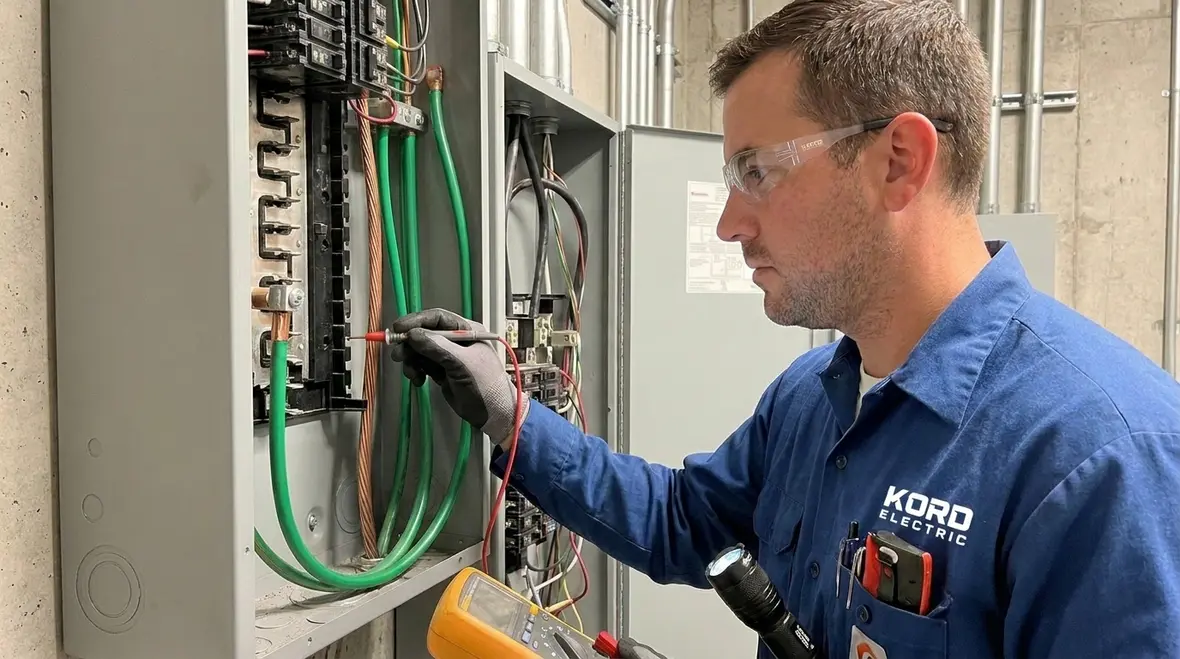
Loose lugs, improper torque, or surface contamination can increase resistance at the connection point. As a result, the grounding path does not perform during faults. Our staff checks terminations and finishes to reduce future heating and deterioration.
3) Broken continuity during routing
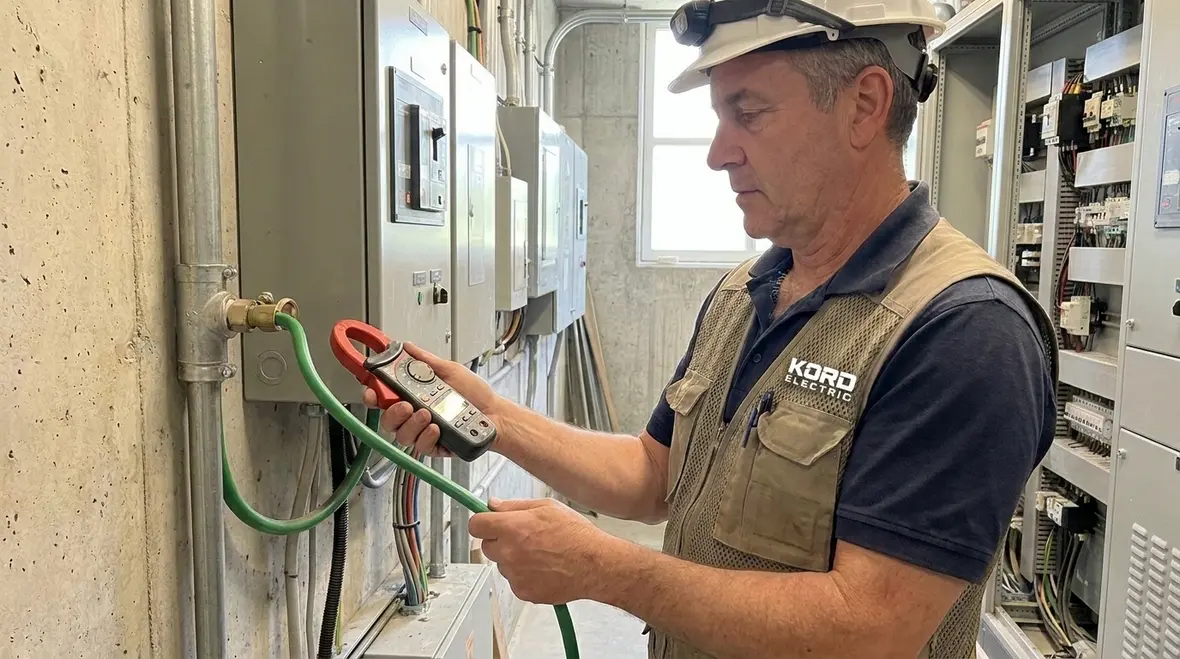
Grounding conductors need continuity from point to point. If someone reroutes, splices in the wrong place, or damages the conductor, the system loses effectiveness. So we inspect the run after installation, not before.
4) Confusing bonding versus grounding
People mix terms when they are stressed or rushing. They might bond one part and forget another part that still needs grounding. Consequently, the protective action you want during a fault may not happen predictably.
To help teams communicate clearly, we often use a side by side checklist during walkdowns. That approach keeps decisions consistent across shifts and reduces “I thought you meant…” moments.
What we verify during install
|
What we confirm before closeout
|
NEC rules in context for commercial and industrial power systems
Many facilities teams want “the rule,” but they also need “the reason.” The reason, in this case, is that service entrance cables sit at the boundary between utility power and facility systems. When the grounding system fails, it does not only affect one device. It affects how the whole protective scheme responds.
Therefore, we align Section 332.108 requirements with the rest of the NEC framework that governs grounding, bonding, overcurrent protection, and system reliability. We do this so your facility does not experience the classic problem where one section meets the letter of compliance while another section gets ignored in practice.
Also, major property buildings often contain multiple electrical subsystems: life safety loads, communications gear, HVAC controls, and sometimes fire pump rooms and related controls. While those areas may follow their own detailed requirements, the service entrance grounding system supports their safe operation too. In other words, the grounding conductor does not live in isolation, it serves the entire power ecosystem.
Our team stays current on updates and related NEC discussions and then translates those requirements into job-ready steps. For organizations that need code guidance and practical execution, we point teams to trusted resources, including Kord Electric’s NEC explanations for 2026 and Kord Fire’s coverage of the National Electrical Code. We also keep a careful eye on fire related standards that coordinate with electrical safety in real facilities, and resources like Kord Fire and allied NFPA 70 materials help teams understand how these systems connect in the field.
Inspection, testing, and documentation for real compliance
After installation, teams often ask, “Are we done?” The quiet answer from our expert service staff is: you are done when you can prove it. Proper verification supports both safety and inspection readiness for commercial and industrial facilities and major property buildings.
We recommend verifying electrical continuity and connection integrity based on the job scope and applicable requirements. Then, we confirm that the grounding system matches the design intent and that the equipment grounding conductor for the SEC cables behaves as it should.
Next, we keep documentation that makes future service easier. A facility should not need a scavenger hunt to understand what happened in the last upgrade. Therefore, we record the key installation details, including routing decisions, termination methods, and relevant test outcomes where applicable.
Inspections also go smoother when documentation aligns with the physical installation. And if someone says they “just know it’s right,” we respond politely, with the patience of a professional technician and the realism of someone who has seen loose connections before.
For facilities across the region, especially those looking for a partner to handle inspections, upgrades, and new work under the same roof, our Los Angeles County commercial and industrial electrical services team helps connect NEC-focused planning with grounded field execution.
FAQ on NFPA 70 Section 332.108 and SEC cable grounding
Conclusion: bring grounded confidence to your facility
If your commercial or industrial facility relies on safe, reliable service entrance power, NFPA 70 Section 332.108 deserves more than a quick glance. We at Kord Electric send experienced technicians to verify that the required equipment grounding conductor for SEC cables gets installed with correct sizing, solid terminations, and proven continuity. Then we help you document the work so inspections feel like a formality, not a gamble. Call us, and we will help you keep your power system grounded and your downtime low.
When you are ready to connect NEC compliance, real-world reliability, and clear documentation, our team is ready to help you apply Section 332.108 the same way we approach every code requirement: calmly, carefully, and with an eye on how the entire electrical system behaves under real load.


