

NFPA 70 Section 332.31 for NEC SEC Single Conductors in SEC Cables
NFPA 70 Section 332.31 drives how we treat NEC SEC single conductors in SEC cables, and that matters for commercial and industrial facilities where people expect power to show up, stay steady, and behave. In this article, we break down what Section 332.31 requires for single conductors inside SEC cable assemblies, and we do it in plain language. Our goal is simple: we help building owners, electrical managers, and code minded teams understand the rules before an inspection makes the problem louder than it needs to be.
And yes, we will keep it professional. We will also keep it human. Even a code book can’t fix a loose termination or a misread spec, and we see that every week.
What NFPA 70 Section 332.31 actually controls
NFPA 70, also known as the NEC, sets the baseline rules for safe electrical installations. Within that, Section 332.31 focuses on single conductors used inside SEC cables. First, it tells designers and installers how those conductors must be built, identified, and handled so the cable performs as intended. Then, it supports safe use in the field, meaning less guesswork during terminations and fewer surprises during testing.
However, the code does not exist to impress inspectors. It exists to prevent damage. Therefore, when we follow Section 332.31, we protect against issues like conductor overheating, improper insulation behavior, and installation choices that turn a rated cable into an unplanned experiment.
Our technicians and expert service staff explain this with the same calm focus they bring to commercial and industrial work. They tell teams, “Read the rules, then match the cable to the application.” It sounds obvious, yet it is the part that gets skipped most often because everyone is busy, and busy people sometimes act like electricity follows mood lighting.
NEC SEC single conductors: how they fit in SEC cable assemblies
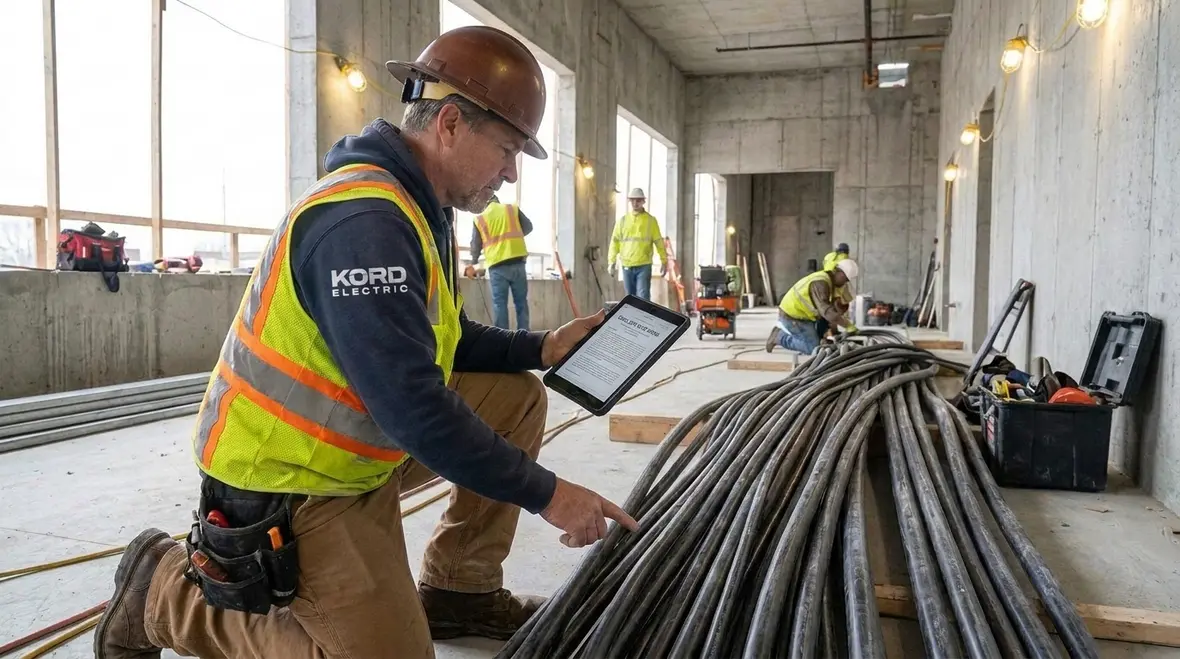
In an SEC cable, multiple conductors work together as one assembly. Under Section 332.31, when we talk about NEC SEC single conductors, we mean the individual insulated conductors inside that cable. So, even though the assembly arrives as a unit, each conductor still has to meet the code expectations for insulation and installation conditions.
To stay compliant, we align three things. First, we confirm conductor construction matches what the cable listing supports. Next, we confirm the conductor type works for the circuit design. Finally, we plan terminations and routing so the conductors do not get stressed, nicked, or forced into bending conditions they were not meant to handle.
Because commercial and industrial environments move fast, we also document the approach. That means labels, pulling plan notes, and clear wiring diagrams. Then, when the jobsite gets chaotic, the cable still makes sense. And if it does not, our team fixes it early rather than waiting for the moment that everyone remembers the difference between “almost right” and “code compliant.”
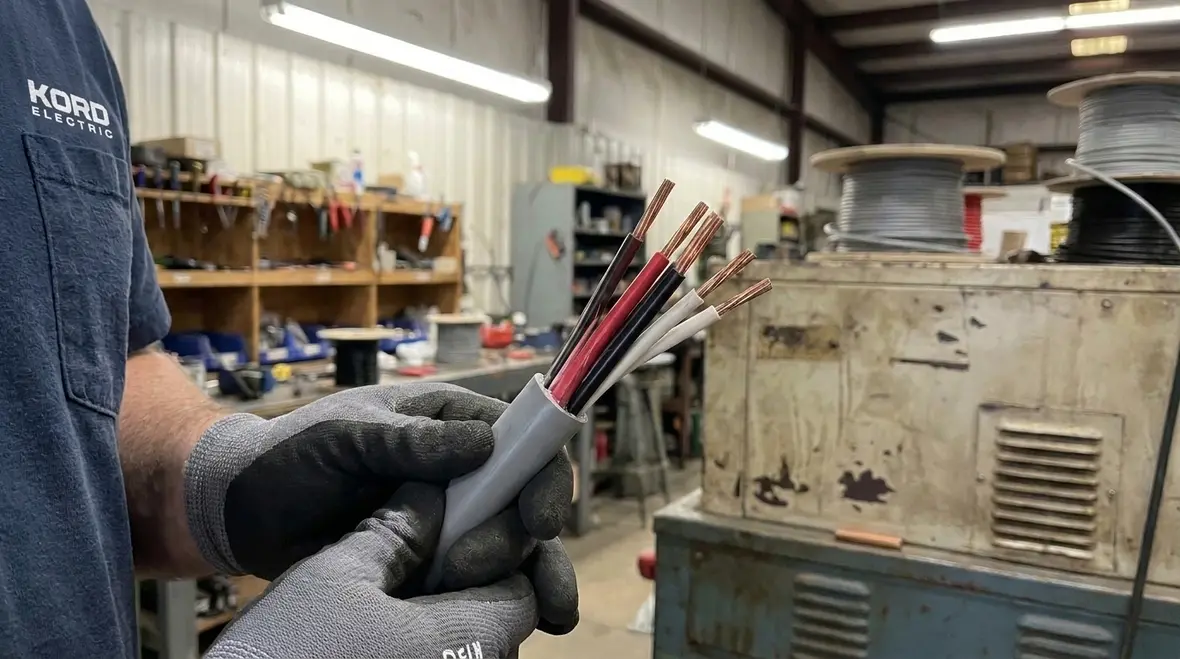
Conductor behavior, insulation expectations, and practical installation rules
Section 332.31 links conductor use to performance in real conditions. Therefore, we treat installation details as code details. If a conductor is properly rated but installed with damage, the rating becomes a story you tell after the failure.
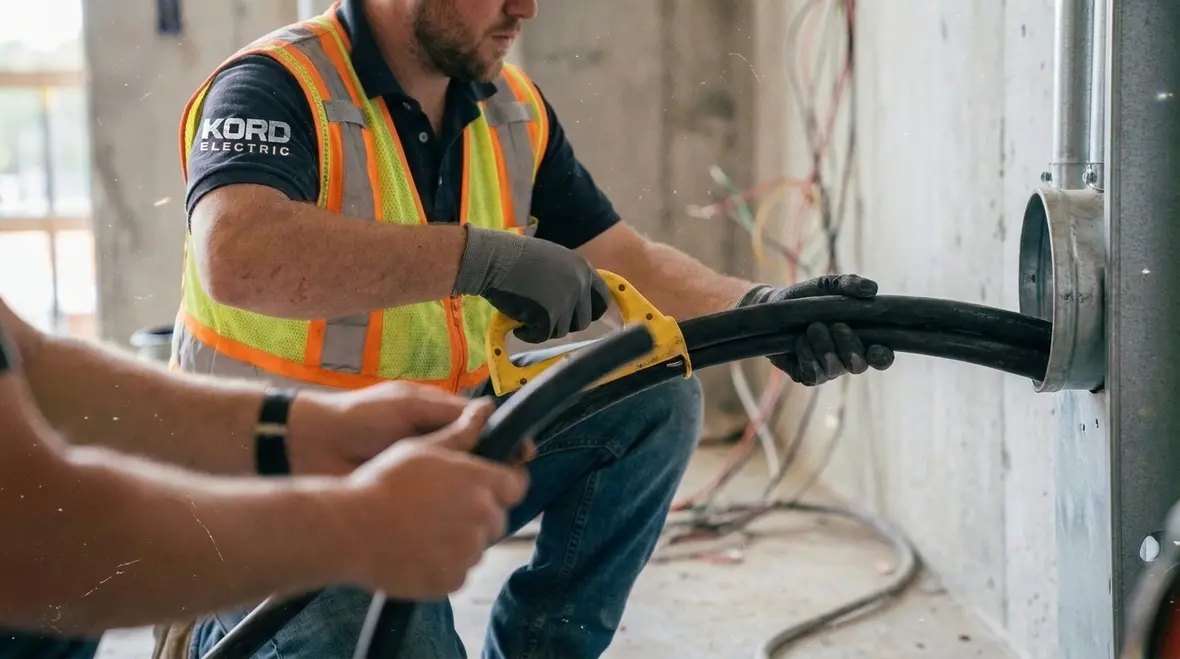
In practice, our expert service staff focuses on issues like these. First, we avoid abrasion during cable pulls. That means pulling protection and careful feed. Next, we maintain proper support so cable sections do not hang in a way that strains the conductors. Then, we handle terminations with the right tools and torque procedures, because a sloppy termination does not care how confident the installer felt that morning.
Also, when we route SEC cable, we think about how people and equipment interact with it. Forklifts do not read plans. Maintenance crews do not always see “hidden” cable paths. So we plan routes that reduce risk and we use protection where a commercial or industrial area needs it.
For anyone managing compliance, this is where the references help. The team at Kord Electric and Kordfire regularly explains the NEC in a way that connects code language to day to day outcomes. You can also explore related NEC background through the resources at Kordfire’s NFPA 70 overview and the broader code guidance on Kordfire Australia. While each site may focus on different regions and contexts, the core idea stays the same: the code protects people and property, and proper installation makes compliance real.
Marking, identification, and inspection readiness
After installation, the code demands clarity. Section 332.31 connects to the wider NEC theme: circuits must be identifiable, and conductors must be used as intended. So we treat labeling as part of the job, not an afterthought.
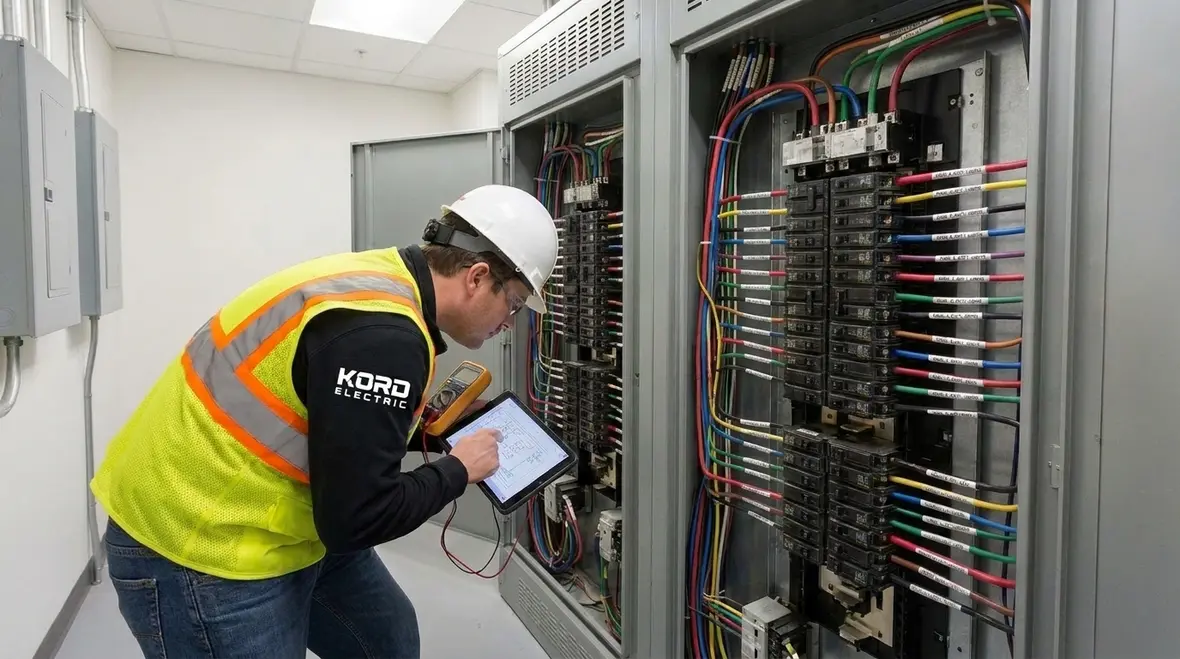
When we build or service commercial and industrial systems, we document. Then we verify. That means checking that conductor colors and markings align with the schematic, that the correct conductor types land on the correct terminations, and that the cable jacket and identification information remain readable.
Moreover, we prepare for the inspection moment. Inspectors often look for consistency between design intent, installation details, and test results. Therefore, we ensure documentation matches field reality. Our technicians explain what they did and why, because when the story is clear, the inspection tends to go smoother.
And if you are wondering how fire protection planning fits into all this, it matters. Electrical systems and fire pump areas often get reviewed together in the field, especially in major property buildings. The team at organizations like FirePumps.org highlights how critical pump power reliability becomes during emergencies. Electrical compliance supports that reliability. We take that seriously for the buildings we serve.
Common mistakes we see in commercial and industrial sites
Even strong teams can trip over SEC cables when timelines squeeze budgets. Still, most issues we see fall into a few predictable patterns, and we can prevent them.
First mistake: Improper conductor handling during pulling. Someone rushes, a conductor insulation gets nicked, and the cable “looks fine” until heat and load reveal the truth.
Second mistake: Using the right cable in the wrong way. That might mean bending too tightly, over stressing the assembly, or installing in a space that does not match the intended conditions.
Third mistake: Termination shortcuts. Tighten the wrong thing, skip a required step, or misconnect a conductor, and the circuit becomes a future maintenance call. At that point, you feel like you are stuck in a rerun of the same problem.
In response, we apply a practical method. We review the job plan, we confirm cable selection, and we supervise the critical steps. Then, we test. Our expert service staff explains the “why” behind each check so the team learns instead of repeating mistakes under a different manager’s email thread.
Finally, we keep the work focused on commercial and industrial facilities and major property buildings. We build compliance plans for those realities, not for one off setups that do not reflect how big sites actually operate.
How Kord Electric supports code compliant SEC cable work
At Kord Electric, we serve commercial and industrial facilities and major property buildings. We do not treat this as a hobby. We treat it as risk management. Therefore, our service approach includes planning, installation support, and ongoing support where code requires reliable operation.
We also connect the NEC rules to real execution. When our technicians explain NEC SEC single conductors inside SEC cables, they do it in a way that field teams can use immediately. That means clear guidance on conductor handling, terminations, documentation expectations, and inspection ready habits.
We work with building owners, electrical managers, and contractors to reduce rework. And when changes happen in the field, we adapt without losing compliance. So, instead of scrambling at the end, our teams keep the job aligned with the code baseline from the start.
If you want a broader NEC overview before you start planning, you can explore guidance and background at Understanding NFPA 70, the National Electrical Code Explained for 2026 and related code-minded resources in the Kord Electric blog. These materials help connect Section 332.31 to bigger picture questions about system design, inspections, and long term performance.
For facility teams planning larger upgrades or modernizations beyond SEC cable work, Kord Electric also supports comprehensive Los Angeles County commercial and industrial electrical services so distribution, protection, and controls stay aligned with current NEC expectations across the entire site.
FAQ: NFPA 70 Section 332.31 and SEC single conductors
Final word: get it right before the cable gets tested
If you manage electrical work in commercial or industrial facilities, you already know that compliance is not a checkbox. It is a working system, built from correct cable selection, careful installation, clear identification, and solid testing. Kord Electric helps your team reduce risk and avoid rework by explaining the NEC rules and supporting the work in the field with trained technicians. If you want to review your SEC cable plan or improve inspection readiness, contact us at Kord Electric and let’s get your power story straight from the start.


