
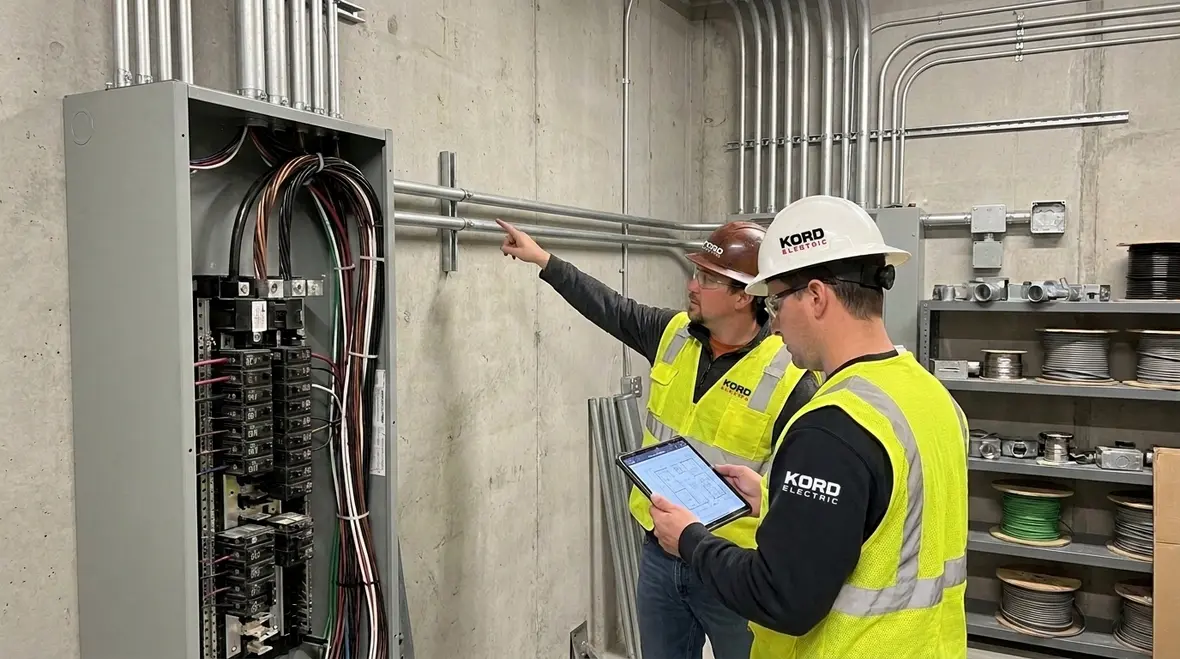
NFPA 70 Section 334.10 NEC Branch Circuit Uses Permitted Routing
When a facility team asks whether NEC branch circuit uses permitted choices are allowed for a real job, Kord Electric answers the practical way: we look at the electrical plan, then we verify the code path that keeps conductors safe, labeled, and installed with intent. And yes, we also explain the why, not just the what. Our technicians and expert service staff take the mystery out of NFPA 70 Section 334.10, so branch-circuit conductors land where the code says they can, not where they wish they could. Because in commercial and industrial buildings, wishful thinking does not trip a breaker, it trips your schedule.
In the sections below, we map what NFPA 70 Section 334.10 permits, how it connects to typical conduit and wiring methods, and how our team supports compliance for commercial and industrial facilities and major property buildings. For a deeper overview of the broader code framework, many facility teams also review our resource on Understanding NFPA 70, the National Electrical Code Explained for 2026, which connects high-level code direction to real-world planning.
Understanding NFPA 70 Section 334.10 and why it matters
NFPA 70 Section 334.10 addresses where branch-circuit conductors are permitted to run in specific wiring methods, especially where flexible metal conduit or other listed wiring systems come into play. In plain terms, it tells us: if you are using a certain conduit type or wiring approach, there are rules for the locations and conditions where conductors may be routed.
Now, electrical code can feel like a big book written by someone who never met an installer. However, this section exists for a reason. It aims to reduce risk from physical damage, overheating, and improper support or routing. Therefore, when we design or troubleshoot, we do not treat 334.10 like trivia. We treat it like a safety boundary that protects people, equipment, and uptime.
At Kord Electric, we serve commercial and industrial facilities and major property buildings, so our approach stays focused. We confirm what the job needs, then we align the conductor routing with the permitted pathways in the code. As a result, the facility gets wiring that behaves the way it should when the system runs day after day.
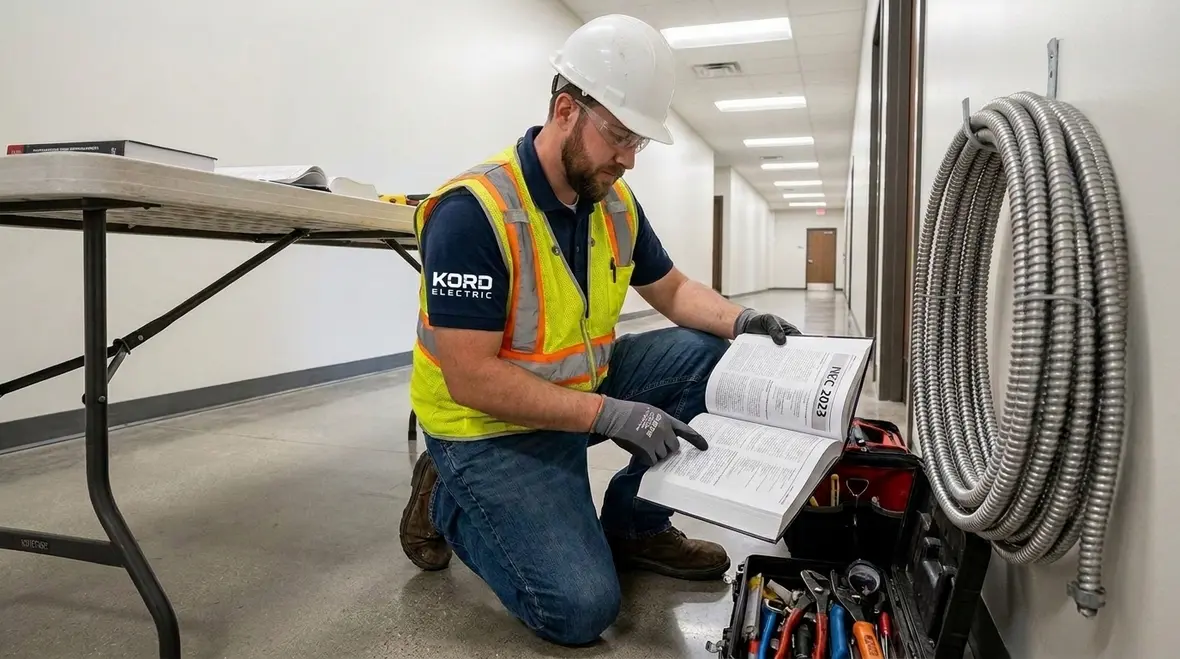
For teams who want a broader code context around these decisions, our joint resources from Kord Electric and Kord Fire Protection explain how NFPA 70 shapes both electrical safety and fire protection planning, so routing decisions support the overall life safety strategy, not just single conductors.
Where NEC branch circuit uses permitted routing gets practical in the field
On a real site, the question usually shows up like this: “Can we run this branch circuit in this wiring method and still stay compliant?” That is where NEC branch circuit uses permitted concepts come in. We connect the code language to the physical route the conductors will take.
Our technicians start by identifying the wiring method that applies, then we check if the run falls under a permitted condition. If the route crosses areas that invite damage, if support spacing does not match the method, or if the routing creates access issues, we adjust. And if a plan looks good on paper but fails in the field, we document the needed change and coordinate with the team.
Also, transition matters. For example, teams often route conductors through transitions between spaces, such as from a mechanical room to a corridor. Yet that does not automatically mean every transition is treated the same by the code. Therefore, we review each segment, not just the overall plan. In other words, we do not let the “close enough” mindset sneak into a building that costs real money to fix.
If you want the smoother route, our service staff explains what is allowed and why, and we help property teams avoid late change orders by linking the code language to the real installation sequence long before inspection day.
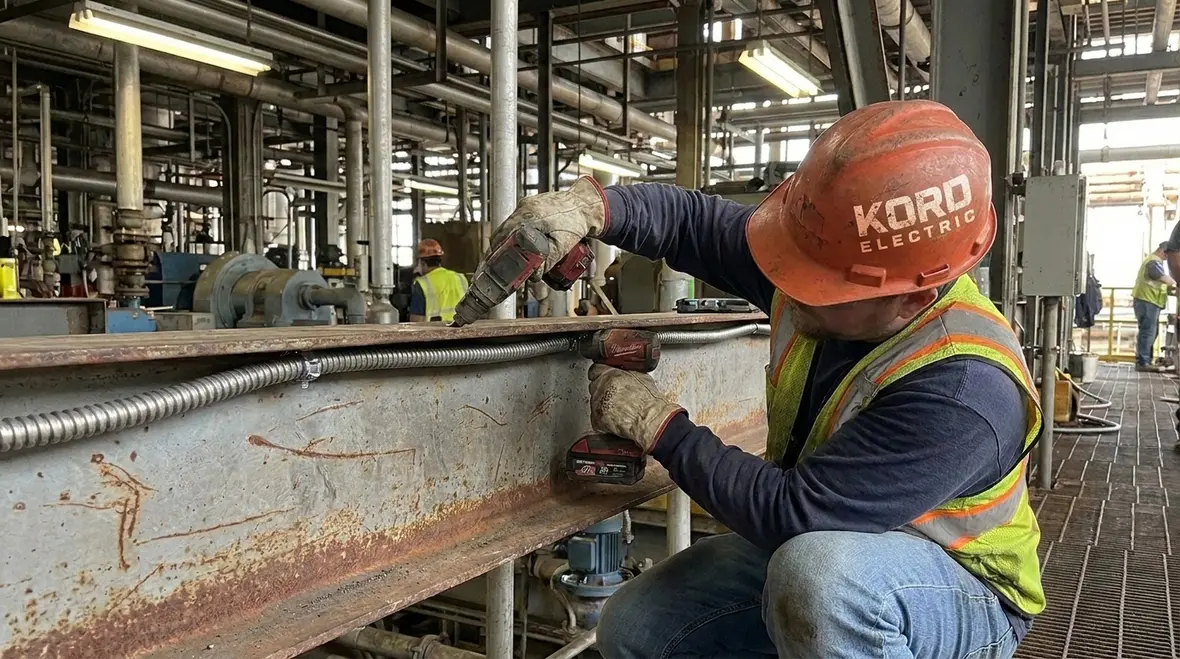
Because branch-circuit routing interacts with distribution design, we also reference our data-driven design and redundancy guides when a project includes complex critical loads. That way, permitted routing under 334.10 supports power quality, emergency power paths, and redundancy instead of fighting them later.
How 334.10 interacts with wiring method, support, and protection
NFPA 70 334.10 does not live alone. It works with the broader set of rules tied to the wiring method. So even when a section permits branch-circuit conductors in a specific way, we still must satisfy other requirements that keep the installation correct.
Here is how we think about it in a step-by-step way.
- Conductor routing: We check the path and confirm the location fits what the section permits. We do not assume because a conduit exists, the routing is automatically compliant.
- Support and securing: We verify that the wiring method gets proper support. Without correct support, vibration and movement can become the quiet villain that loosens connections over time.
- Physical protection: We look for exposure to impacts and abrasion. Where the environment fights the installation, we plan protection measures that match the wiring method and location.
- Termination integrity: We check that terminations are installed correctly. A conductor can meet routing rules and still fail if terminations are mishandled.
As we move from one task to the next, we keep the pacing calm but deliberate. Our staff often sees the same pattern across commercial builds: a contractor follows the general plan, yet misses a small condition in the permitted route. Then, later, someone has to unwind work that could have been avoided. We help teams prevent that by reviewing details early.
And for those who enjoy pop culture comparisons, think of it like a rules section in a franchise. You can break a rule once in a movie, but on site the “plot armor” usually does not hold.
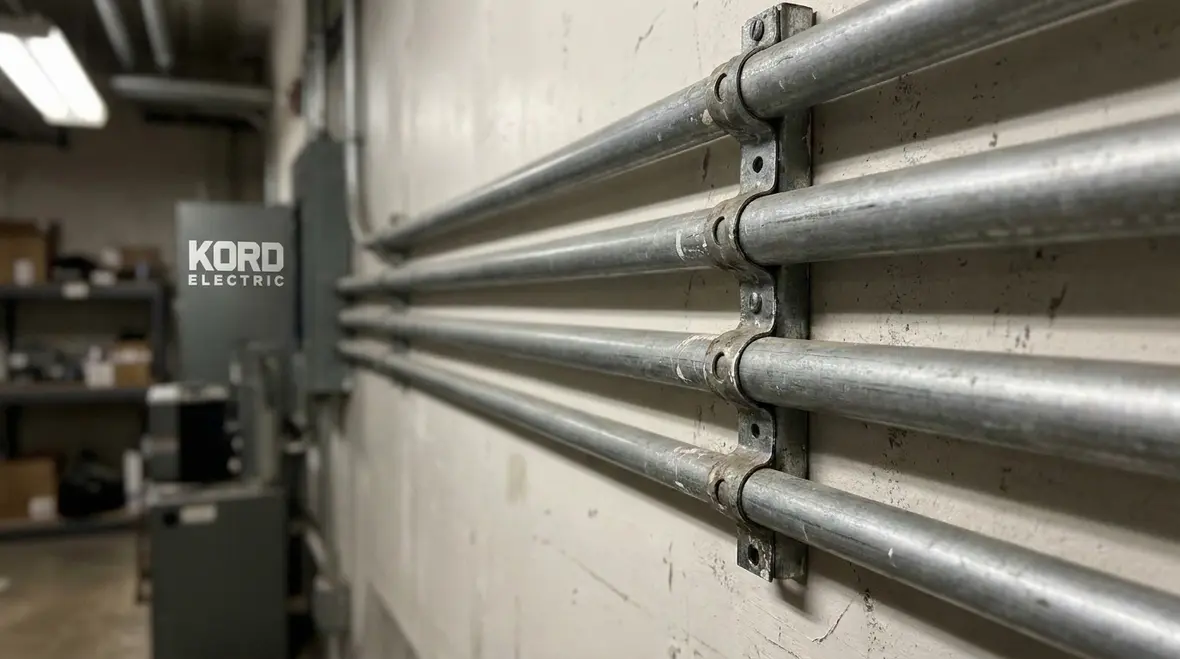
In many commercial and industrial projects, we fold these checks into broader safety and reliability reviews. That means branch-circuit routing gets verified alongside grounding, bonding, surge protection, and emergency power paths so that every code detail supports the same safety story instead of creating conflicts later.
Compliance checks we perform for commercial and industrial facilities
When Kord Electric supports a facility team, we focus on repeatable checks that reduce risk. Then we provide clear explanations that help the facility managers and electrical leads stay confident during inspections.
Typically, our review covers these areas.
- Plan and specification match: We compare the drawings, the listed wiring method, and the job site conditions. If they disagree, we flag it early.
- Route verification: We confirm that each branch-circuit run follows the allowed path described by the code for the chosen wiring method.
- Device and enclosure coordination: We verify conductor entry and exit into enclosures match the wiring method rules, so the system stays tidy and inspection friendly.
- Labeling and documentation: We help keep documentation aligned with what the inspection team expects. This matters more than people think, especially in major property buildings with many tenants.
Moreover, our experts do not just check for pass or fail. We explain what caused the requirement in the first place. When your team understands the “why,” you make fewer mistakes later. That is how we keep compliance from becoming a recurring expense.
Also, if we see patterns from prior jobs, we bring that knowledge forward. For example, if a certain corridor layout repeatedly creates a routing conflict, we advise how to adjust the route before the crew commits.
We keep our work grounded in safety and good engineering practice, not in guessing. After all, electrical work does not reward improvisation. It punishes it. Loudly.
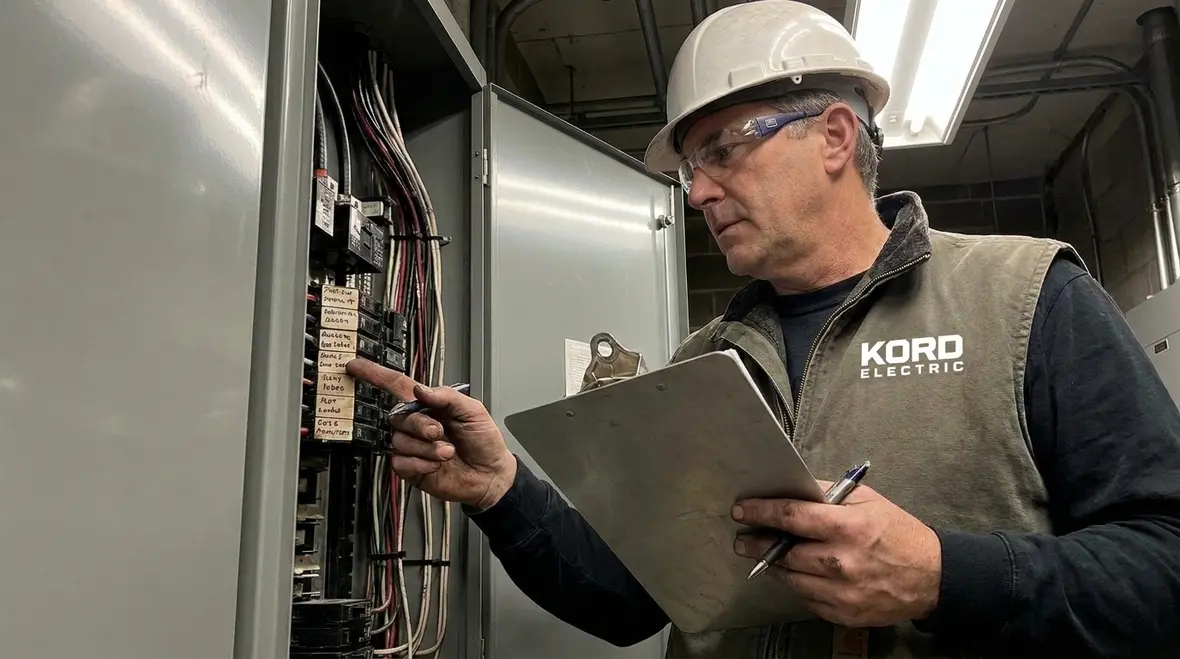
These reviews often pair well with broader electrical safety checklists for new commercial buildings, where branch-circuit routing, labeling, and enclosure coordination are verified alongside other NEC and NFPA 70 expectations before doors open to occupants.
Common mistakes teams make with permitted branch-circuit conductor routing
Even solid teams slip up, mainly because field conditions change faster than paperwork. Still, we see a few repeat mistakes when installers treat code sections as flexible suggestions rather than rules.
- Assuming all conduit methods behave the same: The wiring method matters. A permitted setup under one condition can become a problem under another.
- Ignoring location limits: Route location, bends, access, and exposure can change how the code applies.
- Skipping support checks: Some teams focus on routing and forget that securing conductors helps prevent damage and overheating issues.
- Forgetting the full conductor path: They may verify the start and end points, but miss a section in the middle.
- Waiting for inspection day: If corrections happen during the inspection window, the facility team pays in time, not just money.
When our technicians catch these issues, we fix them with a clear plan. We also explain the corrected approach in a way that helps the facility team recognize the issue next time. That is the calm confidence you get when expert service staff treat compliance as a process, not a scramble.
And to keep things light, we often say: code compliance is like assembling furniture. If you skip the steps, you do not magically end up with a chair. You end up with extra parts and regret.
How to plan NEC compliant wiring in a facility program
Facilities operate in phases, and electrical work often follows the same pattern. Therefore, a smart program links engineering decisions to construction reality.
Here is how we support a smoother program for commercial and industrial buildings.
- Early code review: We review the wiring method and planned routes before the job locks in. This prevents redesign later.
- Coordination with trades: We coordinate with other trades so conduit paths avoid conflicts and stay within permitted conditions.
- Site walkthrough planning: Our team walks the route. We look for obstructions, access needs, and areas that can damage conductors.
- Inspection readiness: We prepare the job for inspection by keeping documentation, labeling, and installation details aligned.
Meanwhile, the property team also benefits. Major buildings often need consistent standards across floors and tenants. When compliance becomes part of the program, not an afterthought, the facility runs with fewer surprises.
If you want to align your program with the NEC and NFPA framework, Kord Electric also points teams to trusted resources on the National Electrical Code landscape, including the code discussions published through Kord Electric and Kord Fire Protection. These resources connect high-level NEC direction with everyday questions about things like NEC branch circuit uses permitted routing, emergency power planning, and power quality for sensitive loads.
For facilities across Los Angeles County that need practical help applying these ideas from preconstruction through turnover, our Los Angeles County electrical services team supports everything from code-focused reviews to full design, install, and commissioning support so field routing matches design intent.
FAQ for NFPA 70 Section 334.10 and branch-circuit conductor routing
Facility teams ask similar questions when they first dig into NFPA 70 Section 334.10 during upgrades or new builds. Below, we gather some of the most common questions and straightforward answers, so your team can move faster from confusion to action.
Need help making NFPA 70 Section 334.10 decisions on your next project?
At Kord Electric, we bring calm, expert guidance for commercial and industrial facilities and major property buildings. Our technicians and service staff explain the permitted route logic and help your team install branch-circuit wiring that matches NFPA 70 requirements. If you need a code-focused review, inspection prep, or field verification, we will help you move forward with confidence. Contact Kord Electric today, and let’s keep your project safe, compliant, and on schedule.
Whether you are planning new distribution, updating emergency power, or tightening up existing branch-circuit routing, our team links the specific requirements of NEC Section 334.10 with broader NFPA 70 expectations so your conductors, enclosures, overcurrent protection, and life safety systems all support the same safe, reliable outcome.


