
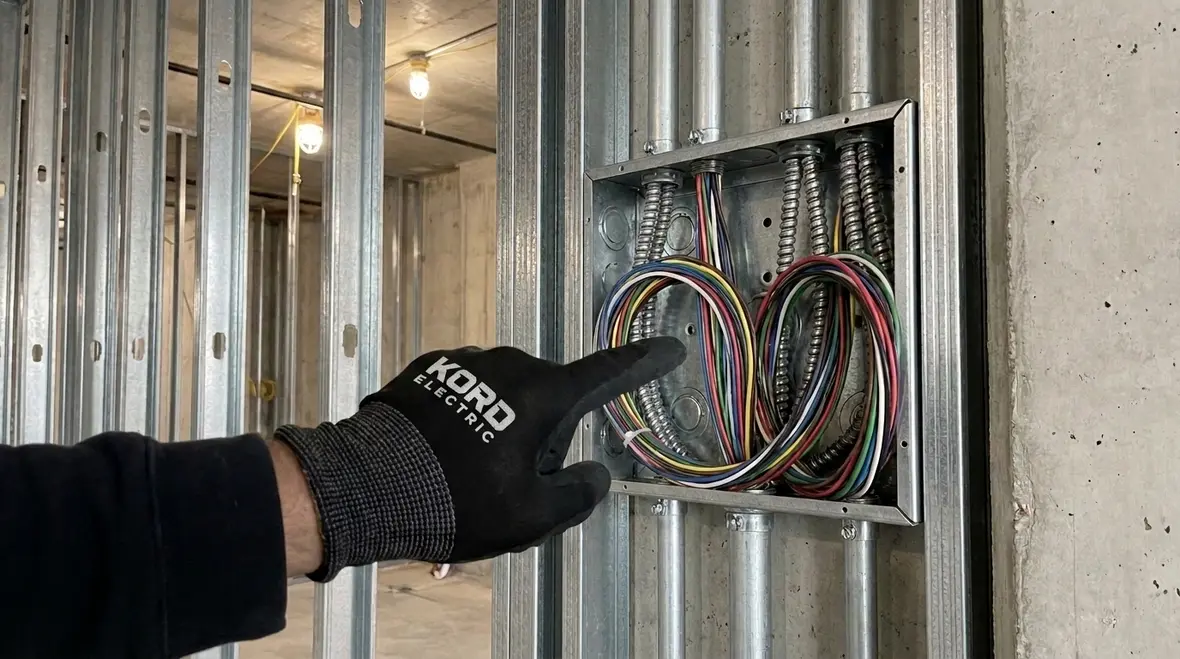
NFPA 70 Section 334.1 and NEC Branch Circuit Conductors
NFPA 70 Section 334.1 and the NEC branch circuit conductor scope
At Kord Electric, we guide commercial and industrial facilities through the parts of NFPA 70 that matter most for safe, repeatable electrical installs. In the first hundred or so words, here is the point we keep coming back to: NFPA 70 Section 334.1 sets the scope for the NEC article covering branch circuit conductors that use certain types of wiring methods, so the rules do not drift off into guesswork.
That matters because branch wiring affects everything downstream: load sizing, terminations, heat rise, mechanical protection, and how smoothly your building team can maintain equipment. And yes, your electrical system should not require a séance to understand it.
What Section 334.1 actually limits and why that helps
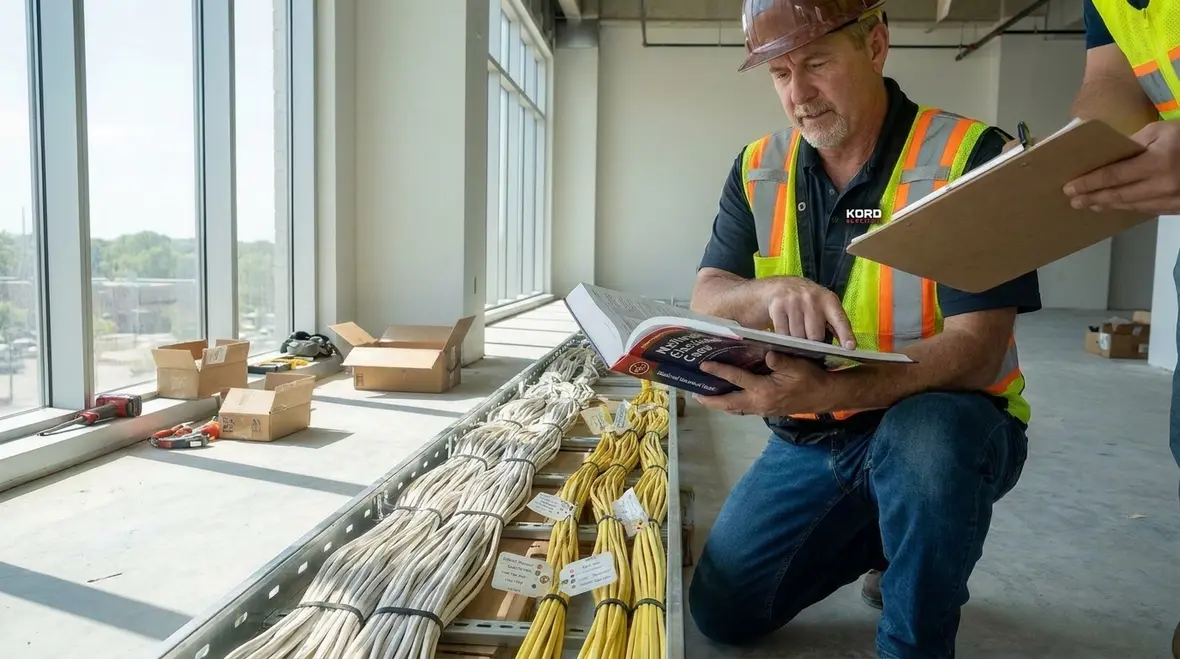
NFPA 70 Section 334.1 does not try to cover every wiring scenario under the sun. Instead, it defines the boundaries for the article that addresses a specific category of branch circuit conductors and the installation rules tied to them. As a result, inspectors and electricians do not have to “interpret” intent from thin air.
When we work with commercial and industrial projects, we see the same pattern: when teams treat scope like a suggestion, the job gets expensive fast. For example, a crew might select a conductor type for convenience, then later discover that the installation method rules do not match. After that, you pay for rework, delays, and extra labor. Meanwhile, the building team waits, and their day turns into a long meeting with too many attendees.
So, we approach scope like a map. We show our clients where the rules apply, and where they stop. Then our field technicians and expert service staff explain the “why” in plain terms, not just the “what.” That way, your project moves forward with less friction.
How the NEC branch conductors scope connects to real commercial builds
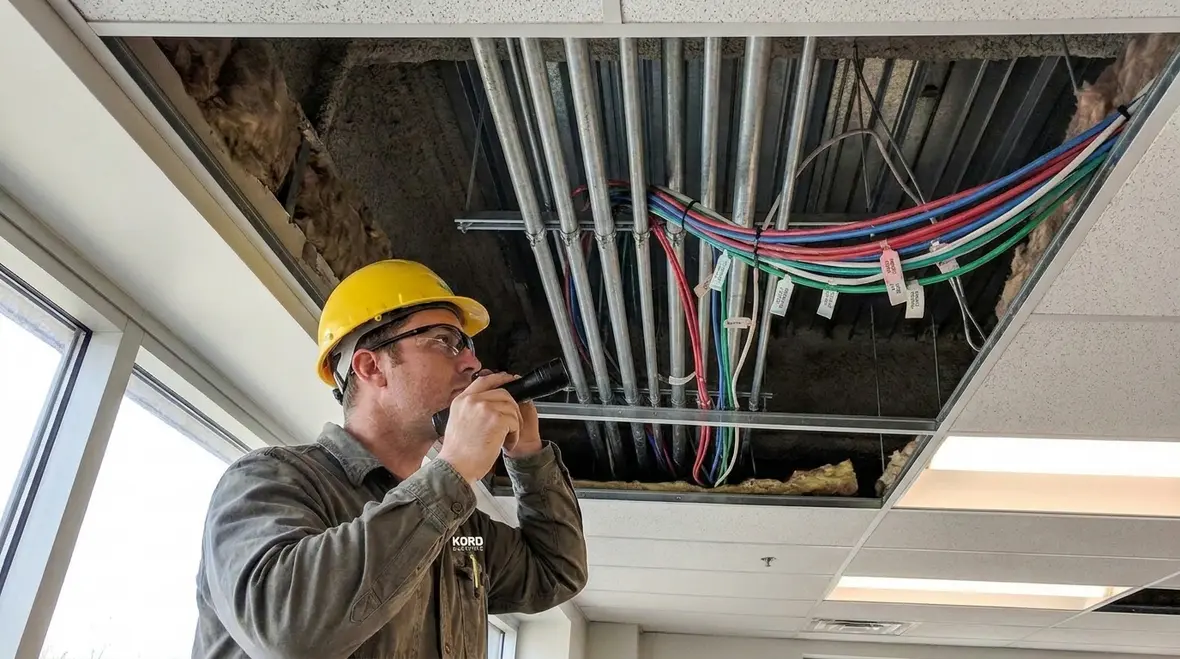
In commercial and industrial facilities, branch wiring does not live in isolation. It links to panels, disconnects, lighting circuits, receptacle loads, motors, and the protection devices that keep everything stable. Therefore, the NEC branch circuit conductors scope under Section 334.1 influences practical decisions long before the first pull begins.
First, the installation method affects physical protection. Next, it affects how heat moves during operation. Then it affects how long-term performance holds up when systems run daily instead of occasionally. In other words, we treat branch conductor rules as a quality issue, not a paperwork issue.
Our technicians explain this connection at the jobsite. For instance, when crews plan routing, we ask how the wiring method will handle abrasion, moisture exposure, and mechanical stress. When the facility includes process areas or heavy foot traffic, we do not pretend the wiring will “stay perfect” forever. We plan for the life the building actually lives.
Installation method details that teams often miss
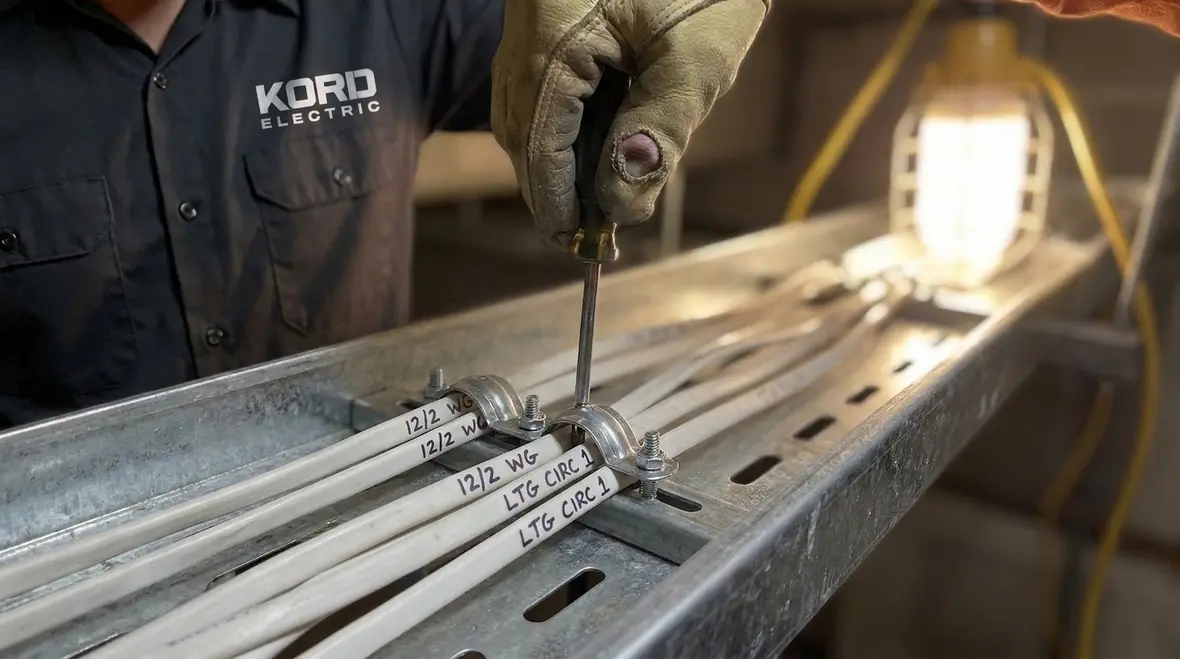
Section 334.1 sets the scope, but teams still trip up on the practical details inside the article. And yes, even smart people make mistakes when schedules get tight.
- Improper matching of wiring method and conductor use, which can break the intent of the installation rules
- Routing choices that expose conductors to damage, especially where carts, forklifts, or maintenance work runs
- Termination and support issues that create stress points, which can show up later as looseness, heat, or nuisance faults
- Overlooked working conditions like damp areas, temperature swings, or areas with higher vibration
We handle these items through methodical pre-install checks. Our expert service staff also walks clients through the logic so that the next time a change happens, the team understands what to verify. After all, the best compliance is the kind that prevents problems before they start.

Where inspections and documentation start to matter
In the real world, inspections do not just look for “a wire exists.” Inspectors look for correct method, correct application, and consistent installation. That means documentation and clear labeling help, but they only matter after the physical work matches the code requirements.
For commercial and industrial facilities, we align our approach with how AHJs and facility managers evaluate risk. We also keep the process calm, because the jobsite does not need more drama. In one project, we once saw a classic issue: a wiring method chosen during one phase did not match the expectations of a later phase when equipment locations changed. We caught it before the panel work got locked in, which saved weeks.
When our technicians explain these moments, they do it with the patience of someone who has seen it all. They point out what failed, what would have been compliant, and what we did to keep the next step clean. That is how we help others avoid the “surprise rewire” storyline that nobody wants to star in.
Common scenarios in commercial and industrial properties
Different buildings create different conductor challenges, so we tailor our planning. And while we cannot replace your engineer of record, we can help your facility team follow the NEC branch conductors scope in a way that supports safer installs.
Here are scenarios we often see in major property buildings:
- Tenant fit-outs where branch circuits must support HVAC controls, lighting upgrades, and additional power needs without disrupting the building’s base wiring plan
- Warehouses and distribution centers where mechanical protection and routing paths matter due to traffic, material handling, and vibration
- Manufacturing and process spaces where stability and correct method selection protect equipment uptime and reduce shutdown risk
- Large campuses and mixed-use commercial sites where standardization across phases prevents mismatches between contractors
Across these cases, Section 334.1 scope acts like a gatekeeper. It keeps the installation rules tied to the right branch conductor category, so the project stays consistent from one building phase to the next. We build that consistency with clear planning, careful installation, and expert support after energization.
Pairing NEC compliance with safe electrical service planning
We do not stop at installation. We also think about ongoing safety and service. When you run a commercial or industrial facility, electrical systems behave like a living ecosystem. Loads change, maintenance cycles come and go, and updates happen.
That is why we combine compliance with service planning. Our team helps clients set expectations for inspections, maintenance windows, and how to handle changes without breaking the original wiring method intent.
If you operate firefighting and life safety systems as part of your facility, you already know the stakes are higher. In those environments, people also ask how code guidance intersects with life safety. We recommend aligning electrical upgrades with your broader life safety and fire protection goals, then verifying with the appropriate professionals. You can explore more NEC and code education resources through related technical sources like KordFire and FirePumps, and you can also learn more about our work at Kord Electric and KordFire.
For a deeper dive into how NFPA 70 shapes everyday electrical decisions, you can also review our related education piece Understanding NFPA 70: The National Electrical Code Explained for 2026, which breaks down the broader code framework that Section 334.1 fits into.
And if you are wondering whether code reading can feel like a never ending episode of a TV show, you are not alone. We keep it practical, so you get the safety value without the boredom penalty.
FAQ for NEC branch circuit conductors scope
Final call to action from Kord Electric
If your commercial or industrial facility needs help aligning electrical work with NFPA 70 and the NEC branch circuit conductors scope, Kord Electric is ready to support you. We send experienced technicians, we explain requirements in clear language, and we plan installs to reduce rework and field surprises. When upgrades, tenant work, or service changes come up, we help you keep the wiring method and installation intent consistent.
For facilities across Southern California, our Los Angeles County commercial and industrial electrical services team helps coordinate code-compliant installations, corrective work, and future-ready upgrades, so your branch circuits, panels, and downstream systems all work together instead of fighting each other.
Contact us now to review your project details and build a safer electrical path forward.


