
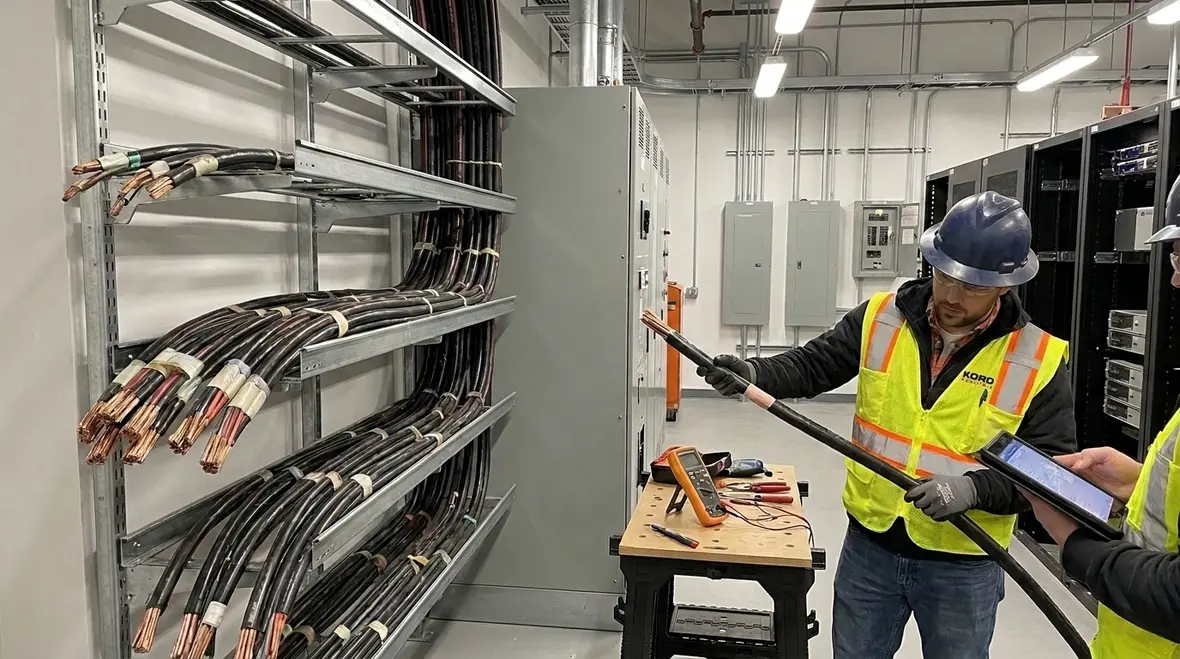
NFPA 70 332.112 NEC SEC Cable Insulation Requirements
At Kord Electric, we see it every day: a facility that runs like a well fed machine, until a cable system shows signs of aging, heat stress, or poor insulation choices. That is why we focus on NEC SEC cable insulation planning during design, upgrades, and maintenance for commercial and industrial buildings. In this article, our team explains what NFPA 70 Section 332.112 requires, how insulation properties affect real installations, and what we recommend when your engineers, electricians, or facility managers need clear, dependable answers. And yes, we promise to keep it calm, practical, and not like that one meeting that could have been an email.
What NFPA 70 Section 332.112 actually demands
NFPA 70 is the National Electrical Code, and Section 332 covers fixed conductors in cable trays and similar support systems. Specifically, NFPA 70 Section 332.112 addresses the insulation requirements for SEC cables, so it does not leave room for guessing when the cable is exposed to heat, moisture, or installation conditions. In plain terms, the rule pushes you to use insulation that meets the code intent for the environment and duty of the conductors.
To keep this grounded, our experts do not treat compliance as paperwork. Instead, they treat it as a way to prevent faults that can become costly shutdowns. Then again, it is hard to explain insulation failures to a building owner after the alarms start singing like a horror movie soundtrack.
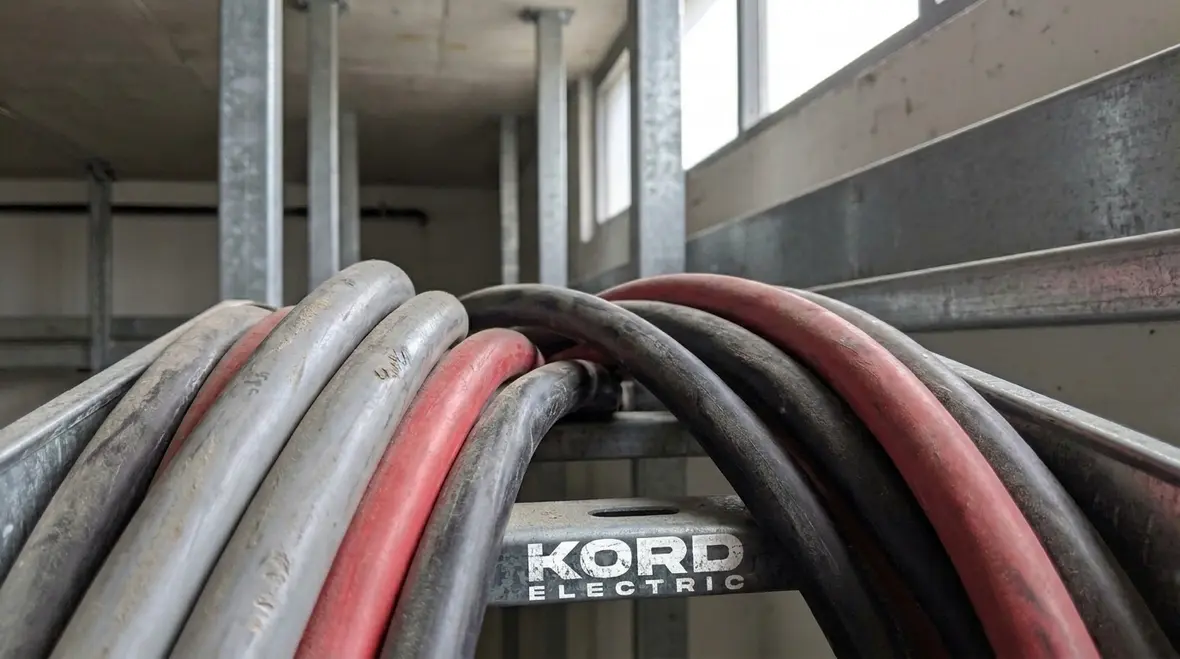
For many facilities, that means translating the section’s language into real choices about conductor types, insulation temperature ratings, and compatibility with the support system. Our technicians look at both the letter and the intent of NFPA 70 Section 332.112 so your SEC cable insulation does more than “pass inspection.” It protects uptime in the conditions your building actually runs in.
Why insulation ratings matter in commercial and industrial spaces
Commercial and industrial facilities run under pressure. Loads change, ambient conditions shift, and systems share space with pumps, motors, data gear, and lighting. As a result, the insulation on SEC cables plays a bigger role than most people expect. It must survive the temperature range, resist damage during installation, and maintain performance over time.
At Kord Electric, our technicians and expert service staff explain these requirements in a way that decision makers can act on. Therefore, we help teams connect the code language to real risks such as:
- Heat exposure from nearby equipment or high current loading
- Mechanical stress during routing, pulling, or termination
- Moisture and contamination where cables sit in damp or dirty areas
- Aging that accelerates when insulation runs hotter than it should
When insulation is correct from day one, the facility benefits long term. However, when it is chosen loosely, failures can appear early and repeat. And that is when maintenance budgets start disappearing like socks in a dryer.
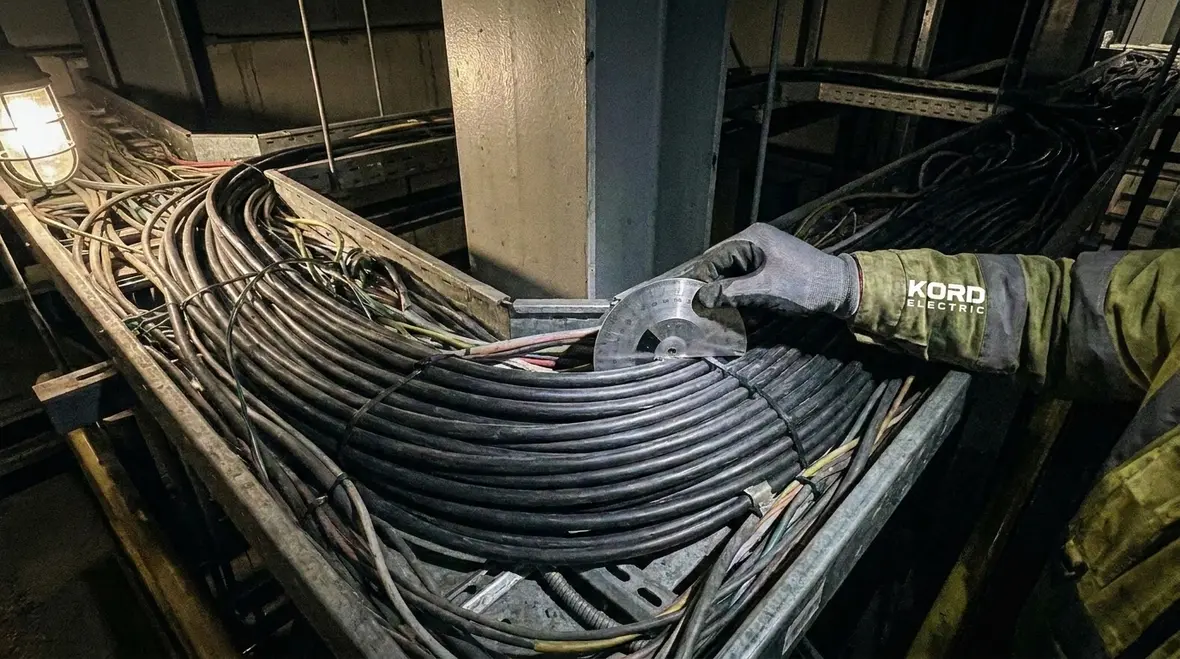
In many major property buildings, the insulation rating and construction also influence coordination with other systems. For example, where SEC cables share space with fire alarm, communications, or control circuits, the wrong insulation behavior during a fault can complicate life safety performance. Treating NEC SEC cable insulation as a core design decision keeps those stacked risks in check.
How we interpret NEC and SEC needs during design and upgrades
Engineers and contractors often ask how we map NFPA 70 rules into a job plan. We answer with a clear process that our field teams follow. First, we review drawings and the intended cable route, including tray usage, support spacing, and the presence of competing heat sources. Next, we verify the conductor and jacket construction so the insulation matches the environment.
Then we check how the SEC system will be handled during installation. Pulling forces, bend radius limits, and termination methods affect insulation life. Even if the insulation rating looks correct on paper, poor handling can nick it, flatten it, or compromise the surface.
Our expert service staff also helps facilities coordinate documentation. Because when inspection time comes, teams need traceable evidence that supports safe operation. We build that trail through proper product information, field verification, and installation best practices.
We also connect Section 332.112 decisions with broader NFPA 70 guidance so projects stay aligned with the overall code story. When facility teams want background on how insulation choices fit into the larger NEC structure, we often point them toward resources such as Understanding NFPA 70: The National Electrical Code Explained for 2026 on the Kord Electric blog, then translate that context into the specific cable tray and SEC decisions in front of them.
That way, your SEC cable insulation decisions never live in isolation. They connect to grounding, overcurrent protection, fault behavior, and long term maintenance plans in a way that still respects budgets and schedules.
Installation conditions that change insulation performance
Insulation does not live in a vacuum. Even within the same building, conditions can change from one corridor to another. For that reason, we look at installation conditions that influence insulation performance for SEC cable runs, such as:
- Tray location and airflow which affects how heat dissipates
- Bundling and spacing which influences temperature rise
- Exposure to moisture in basements, mechanical rooms, or exterior transitions
- Route complexity which affects pulls, bends, and abrasion risk
- Proximity to hot equipment like transformers, drives, or large motors
As conditions get harsher, the code intent becomes more important. Therefore, we do not treat insulation as a one size fits all decision. We treat it like a system component that must match the route and duty.
And if someone tries to rush the install without proper care, our technicians remind them gently that electricity does not negotiate. It simply follows physics, and physics always wins.
In practice, this means we walk the planned route, check where trays cross hot zones, and flag locations where moisture, dust, or chemicals might threaten insulation. We then recommend adjustments to SEC cable types, insulation temperature ratings, or support spacing so Section 332.112 compliance stays intact from the first pull through to long term operation.
What compliance looks like in the field
Many facilities think compliance means “it passes inspection.” In reality, compliance is also about performance and safety after the inspector leaves. At Kord Electric, we align with the NEC approach that emphasizes practical safe installation, and we focus on consistency from design through commissioning.
Our teams support commercial and industrial facilities with steps like these:
- Verification of insulation suitability for the SEC cable environment as planned
- Inspection during installation for jacket and insulation damage, abrasion points, and support adequacy
- Clean termination practices that protect insulation integrity at terminations
- Clear labeling and documentation so maintenance teams can trace circuits safely
We also coordinate with the facility’s maintenance mindset. Fire and life safety systems, pump controls, and emergency circuits require reliability. When your cable insulation is correct, you reduce nuisance faults, and you avoid the kind of troubleshooting that turns into finger pointing at 2 a.m.
Because SEC conductors often serve as backbone feeders for multiple panels or critical loads, we also treat NFPA 70 Section 332.112 as a lever for reducing cascading failures. A compliant, well documented insulation strategy helps ensure that when a problem does occur, it stays local instead of turning into a building wide mystery tour.
Common mistakes we see with SEC cable insulation
Even skilled teams can make errors when timelines tighten. However, insulation mistakes often follow patterns. When our technicians investigate recurring issues, they frequently find one of these problems:
- Choosing insulation based on cost first, then trying to justify it after
- Ignoring route temperature rise and assuming ambient conditions will stay the same
- Overlooking bundling or tray fill effects that raise conductor temperature
- Allowing abrasion at tray edges or support points
- Skipping careful bend handling, which can stress insulation
- Failing to align product documentation with what was actually installed
To prevent this, we explain the “why” behind the code. Then, we help teams make choices that hold up under inspection and under real operations.
We also review how SEC insulation performance connects to other NEC topics. For facilities that want to tune up broader reliability, we sometimes extend that conversation into connection quality, grounding, and surge behavior, drawing from related Kord Electric resources to keep the whole system aligned instead of treating insulation as an isolated detail.
Working with Kord Electric for NEC based cable decisions
At Kord Electric, we focus on commercial and industrial facilities and major property buildings. That means we do not waste time on one off requests for small spaces. Instead, we build long term support for projects where the cable system affects uptime, safety, and life cycle costs.
We also share learning across the broader Kord network. For example, our teams reference NEC education resources at Kord Electric blog and supplemental NEC context through Kord Fire guidance on NFPA 70. While those resources help teams understand the National Electrical Code, our field work gives the answers that matter to your project.
And if you are comparing approaches in related fire protection systems, you might also find helpful background through allied fire pump and life safety materials. That said, our service stays focused on your facility needs and the correct application of code requirements for insulation, installation, and documentation.
For organizations operating across Los Angeles County and beyond, we connect these NFPA 70 Section 332.112 decisions with broader service offerings so you get a single strategy instead of a patchwork of fixes. If you are evaluating a larger scope that reaches past cable trays and SEC conductors, exploring our Los Angeles County electrical services overview can help you see how insulation work aligns with upgrades, maintenance, and emergency response support.
FAQ
Quick guidance for facility teams
To keep decisions clean and defensible, facility teams can use a simple checklist when planning SEC cable upgrades. First, confirm the route, tray conditions, and expected ambient temperatures. Next, align insulation selection with the actual installation environment and handling steps. Then, require field verification for insulation integrity at key points such as tray edges, support locations, pulls, and terminations. Finally, keep documentation tight so maintenance can act fast. Because in the real world, surprises are the one thing no owner budgets for.
And yes, we know change requests can feel like pop quizzes. Still, a small effort now beats a dramatic emergency later.
Conclusion
When teams treat code like a living part of the job, SEC cable performance improves and risk drops. Kord Electric helps commercial and industrial facilities interpret NFPA 70 Section 332.112 insulation requirements for SEC cables, then applies them with careful field practices, clear documentation, and technician led verification. If your project involves upgrades, new tray runs, or inspection readiness, contact us. We will walk through the insulation choices, installation conditions, and compliance details in plain language, so your system stays calm while everything else heats up.
For facility teams planning broader electrical improvements, SEC insulation work also pairs naturally with structured upgrade strategies, NEC based consulting, and regional service coverage. Whether you are preparing for expansion, modernizing legacy infrastructure, or tightening risk controls, aligning NEC SEC cable insulation usage with your overall electrical plan keeps the entire system more predictable, safer, and easier to maintain over the long term.


