
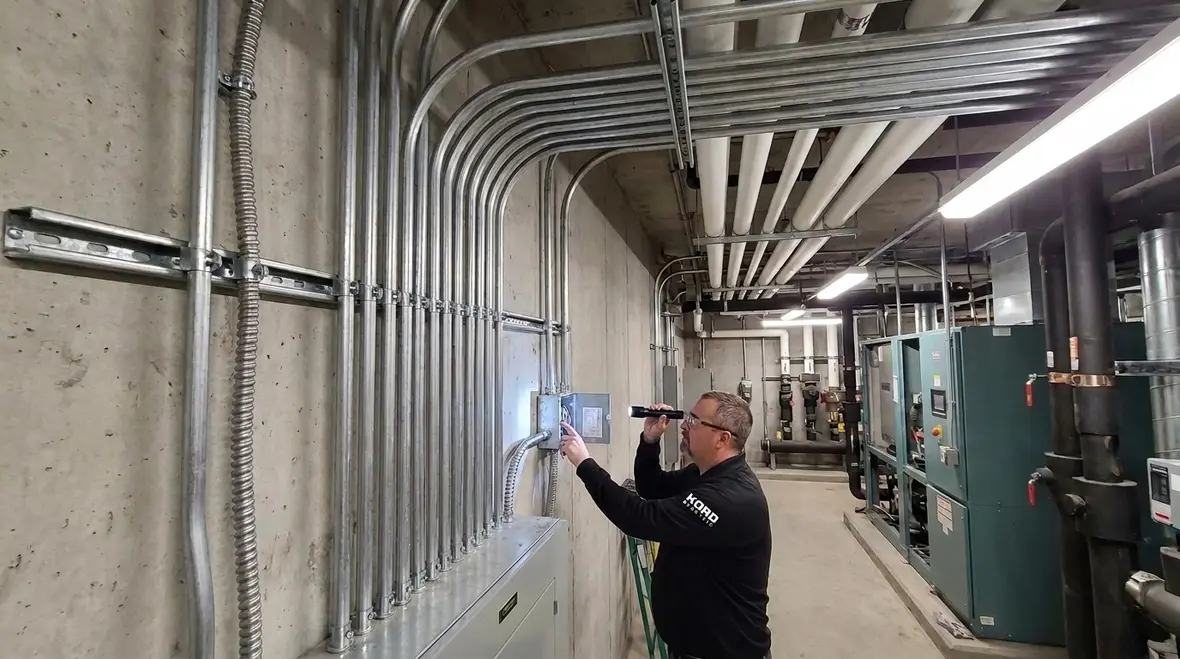
NEC 334.15 Basics for Exposed Branch Circuit Work
NEC 334.15 basics for exposed branch-circuit work
At Kord Electric, we treat NEC 334.15 like it is a steady hand on the steering wheel for NEC exposed branch circuit work in commercial and industrial spaces. In plain terms, this section guides how others must handle branch circuits when wiring is exposed, especially where damage could happen or people might come into contact with it. Early on, we explain the rules in a way our team can stand behind, and then we verify field conditions. That is how we keep projects safe, code aligned, and ready for inspection. After all, nobody wants their electrical plan to read like a late-season plot twist. Our technicians and expert service staff walk the site methodically, so the work stays calm, controlled, and compliant.
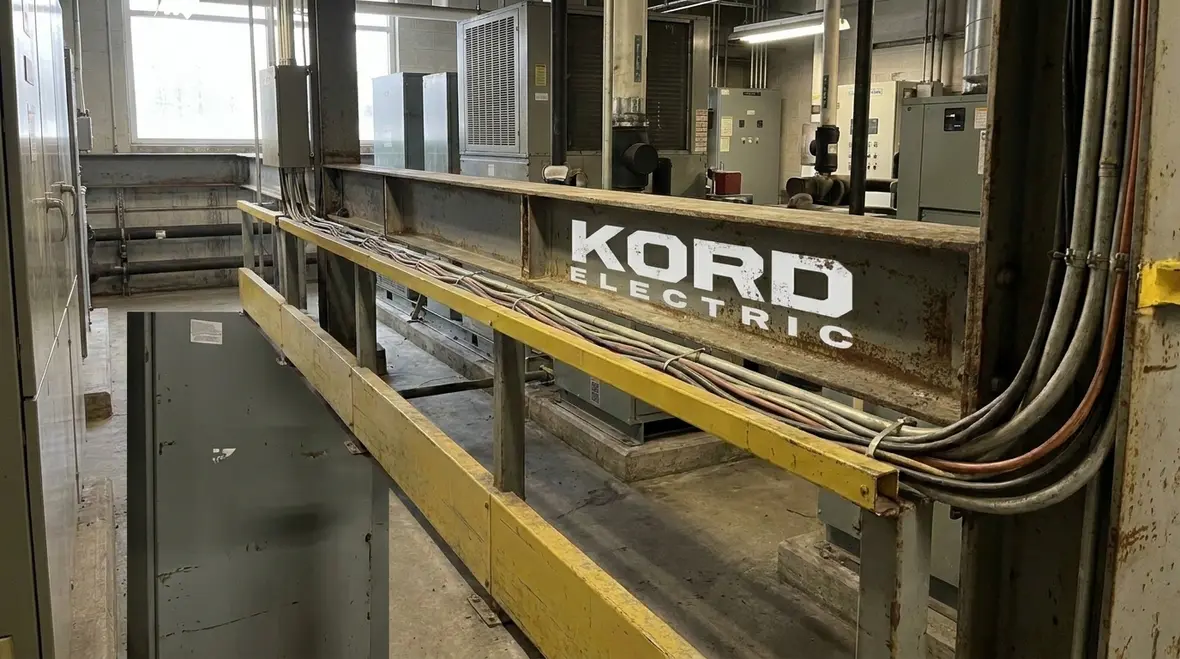
Why exposed wiring rules matter in commercial facilities
In big buildings, electricity serves more systems than most people realize. So, when conductors run exposed, they face real-world risks, including impact, moisture, vibration, and physical contact. Therefore, the NEC does not just care about whether a circuit exists. It also cares about how the circuit behaves when it is visible, accessible, or vulnerable. For many commercial and industrial facilities, this comes up in areas like mechanical rooms, under elevated walkways, near dock equipment, and spaces where upgrades happen room by room. Additionally, building owners need reliability, because downtime rarely stays friendly. We advise property managers and electrical contractors to plan for protection and routing early, not after the walls open.
Our technicians bring experience from the field, and we explain what inspectors look for during reviews. Then we connect those observations back to the code language, so your documentation matches your physical work. When teams want a broader code picture alongside these exposed wiring details, we often point them to resources like Understanding NFPA 70: The National Electrical Code Explained for 2026, which shows how this rulebook shapes day-to-day decisions in commercial and industrial projects.
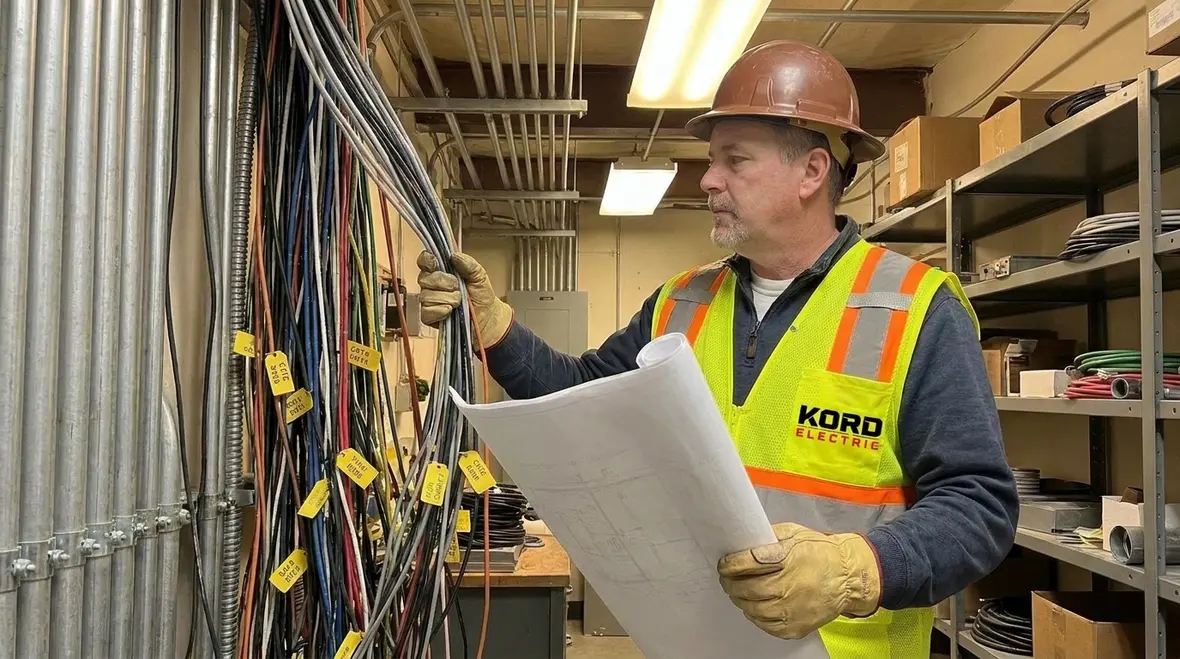
What NFPA 70 Section 334.15 requires
NFPA 70 Section 334.15 focuses on conductors and cable assemblies that operate as exposed branch-circuit wiring. To satisfy it, installers must use methods that protect the wiring and support safe operation. While the section can feel technical at first glance, our expert service staff breaks it down into steps you can act on. First, we identify the type of wiring or cable in question, because different cable types require different handling. Next, we confirm how the wiring will be run, where it will sit, and what it might face in that specific space. Then we align the protection approach with the NEC rules that apply to exposed conditions.
When we assist others with design review or project execution, we also check how the installation ties into the rest of the electrical system. In other words, we do not treat 334.15 like a standalone trivia question. We treat it like a link in a chain that includes proper support, routing discipline, and a realistic path from panel to load. That same mindset shows up in our other NEC-focused work, where we connect branch-circuit rules to articles on scope, organization, and planning such as the NFPA 70 and NEC overviews shared through Kord Electric and Kord Fire.
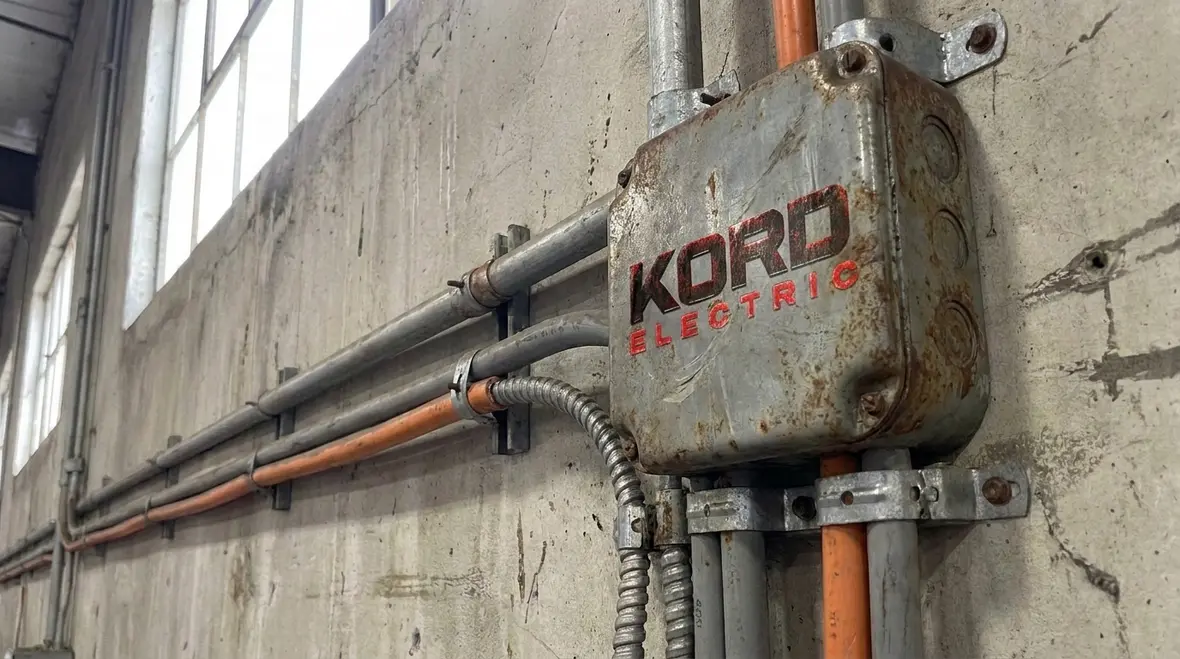
Methods we use to keep NEC exposed branch circuit work compliant
To make exposed branch circuits meet code intent, we focus on protection, support, and clear installation practices. Specifically, our process emphasizes details that often get missed when people rush. Here is how we typically handle it in commercial and industrial environments.
- Physical protection We choose appropriate guarding or protection methods so the wiring resists damage from normal activity.
- Proper routing We plan cable paths to avoid unnecessary exposure to hazards and to follow a clean, direct route whenever possible.
- Support and spacing We secure the wiring in a way that respects installation requirements, so it stays stable over time.
- Coordination with the facility layout We align runs with mechanical and structural elements, because conflicts create stress points and future rework.
- Documentation We help others maintain records and labeling that match the installed plan, which keeps inspections smoother.
And yes, sometimes a cable run tries to “find its own way,” like a cat escaping a room. So we manage the route from the start. As a result, fewer surprises show up during walkdowns, and the work stays audit friendly. Our team then explains each choice, so you understand why the installation looks the way it does.
Common mistakes and how our team prevents them
Even skilled contractors can stumble when exposed wiring work gets rushed, especially under tight schedules. Therefore, we flag the mistakes we see most often and we address them before installation gets locked in. One frequent problem involves mismatched protection methods, where the plan assumes exposure is minimal but the actual room layout tells a different story. Another issue involves support and alignment, where cable placement looks fine from a distance but fails on closer inspection. Also, some teams install wiring without full coordination with other trades, which creates abrasion risks once equipment gets mounted or service access gets adjusted.
Our technicians slow the process down at the critical points. Then they confirm the routing, verify protection, and check that the installation supports safe use. When other professionals ask for clarity, our expert service staff explains the NEC logic in straightforward terms. We do not just say “because code says so.” We show how the code intent connects to real safety outcomes. When projects stretch beyond simple branch circuits, we coordinate with broader NEC planning work, from wiring fundamentals to conductor sizing, so exposed runs fit the larger electrical picture.
Inspections, testing, and what we prepare for
Inspections in commercial and industrial buildings often depend on consistency between drawings, specifications, and installed conditions. So, we help others prepare for that moment when the inspector arrives, flashlight in hand, ready to find the one detail that does not match. We understand the pace and we plan for it. First, we verify that exposed areas use the required protection and mounting approach. Then we review support spacing and routing practices. After that, we ensure the installation does not introduce new hazards, such as strain, contact points, or blocked access.
Next, we support testing and verification steps that align with the overall electrical project scope. Finally, we provide clear communication so stakeholders know what is complete, what is pending, and what the next steps are. If you reference other resources for background, you can also see how Kord Electric and Kord Fire discuss the broader NEC context and code structure at kordelectric.com and kordfire.com, including how NFPA 70 fits into practical field work. We do not copy and paste rules. We translate them into a real installation that holds up.
Planning exposed branch circuit runs for future upgrades
We often meet facilities that plan upgrades in phases. Therefore, we design exposed branch-circuit work with expansion in mind. When others plan correctly, future additions become a controlled extension instead of a chaotic demolition-and-reinstall event. We recommend mapping likely growth areas, keeping access paths clear, and selecting installation methods that support safe modifications. In addition, we aim for neat routing that other trades can work around. That reduces damage during later projects.
At Kord Electric, we also consider how the building supports fire and life safety systems, because exposed wiring should not create confusion near critical areas. In many major property buildings, electricians, fire professionals, and facilities teams coordinate. So, we support that coordination rather than working in isolation. It is like playing in a band: each part matters, and nobody sounds good if the wiring is off key. When facilities pair NEC 334.15 planning with system-wide resources like our National Electrical Code explainers, they gain a clearer long-term roadmap instead of treating every new branch circuit like a one-off improvisation.
How exposed branch circuits connect to broader NEC planning
Exposed branch-circuit work does not live on an island. Every decision you make about routing, protection, and support connects back to load calculations, feeder sizing, grounding, and enclosure choices that the NEC also addresses. When we review a project, we look beyond the one cable run to see how the panel feeds, upstream overcurrent protection, and equipment ratings line up with the code language.
We also pay attention to how exposed branch circuits interact with fire pumps, life safety systems, and specialty gear. That is where our partnerships with fire-focused resources, including NEC discussions at Kord Fire, help teams understand why “just one more circuit” is never just one more circuit. The better your NEC roadmap, the easier it is to keep exposed branch-circuit decisions consistent with the rest of the electrical design, instead of treating them as a separate mini-project on every floor.
NEC exposed branch circuit work and field coordination
Field coordination becomes critical whenever NEC exposed branch circuit work crosses paths with other trades. Cable that looks perfect on a plan view can run straight into ductwork, piping, or access panels once you start building. Our teams walk the site early, check clearances, and confirm that exposed runs will stay protected after mechanical and structural work finishes, not just during framing.
We also coordinate labeling and documentation so facilities do not inherit a patchwork of mysteries. When a future technician opens a panel or traces a branch circuit, they should be able to follow the story without guessing where the exposed section disappears or reappears. That traceable layout becomes a major advantage when inspections, troubleshooting, or future renovations test how well the original team planned their exposed work.
Service coverage and support for NEC exposed branch circuit work
Because exposed branch circuits show up everywhere from loading docks to data rooms, facility teams often want a partner who understands both the code language and the realities of local inspections. Kord Electric supports commercial and industrial properties across Los Angeles County and surrounding areas, pairing project planning with field verification so installations look as strong in person as they do on paper.
If your facility is scheduling upgrades or new construction that will include exposed branch-circuit runs, our team can help with layout reviews, routing options, and protection strategies that align with NEC 334.15 and related articles. For building owners and managers who need comprehensive support beyond a single project, our Los Angeles County electrical services cover broader system needs while still paying attention to the small details that make inspections smoother and long-term operation safer.
FAQ
Ready for code aligned exposed branch-circuit work
If you manage a commercial or industrial facility, we can help you handle NEC exposed branch circuit work with confidence, from planning to field verification. Kord Electric pairs experienced technicians with an expert service team that explains the rules and proves them in the installation. We work with your layout, your schedule, and your inspection needs so exposed wiring stays protected and compliant. Whether you are planning new construction, renovating existing spaces, or preparing for the 2026 code cycle, our team brings the steady, code-aware approach your project deserves.
If you are reviewing NEC 334.15 details today or mapping out a future set of exposed branch-circuit upgrades, Kord Electric can step in as your guide, not just your installer. We align exposed work with broader NEC branch and feeder requirements, coordinate with your fire and life safety priorities, and keep documentation clear so inspections move forward without drama. When you are ready to move from rough sketches to field-proven installations, our team is ready to help.


