
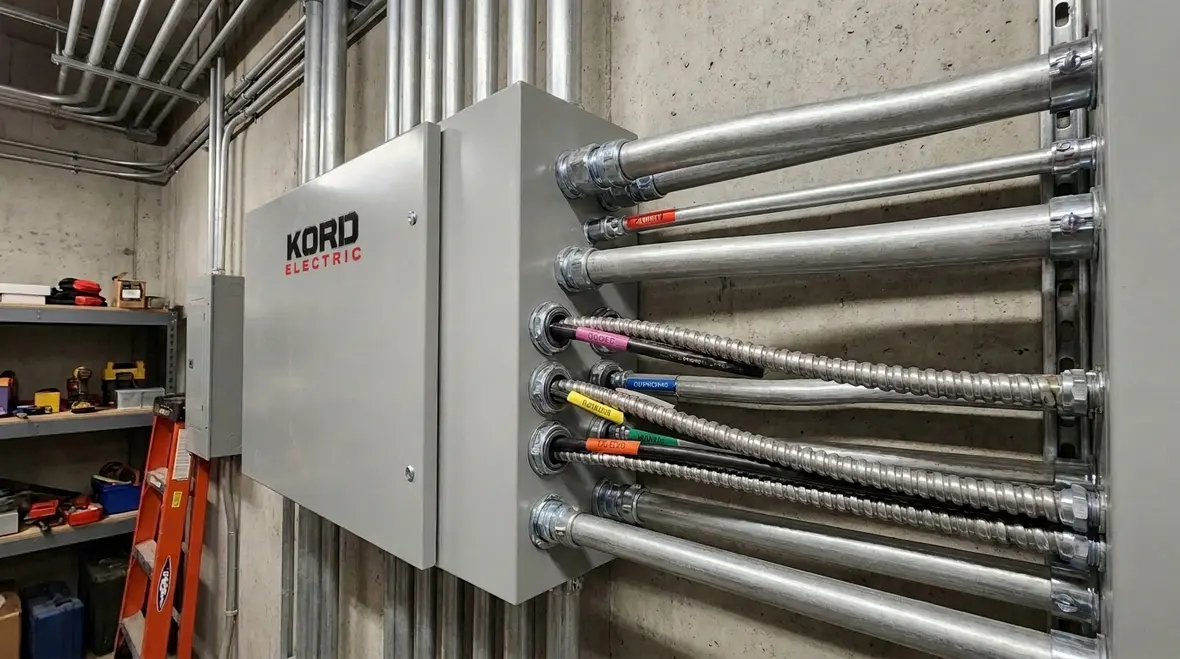
NEC Branch Circuit Cable Entries Under 334.19 by Kord Electric
Kord Electric steps into the world of NEC branch circuit cable entries with clear eyes and steady hands. In many commercial and industrial facilities, electricians and facilities managers need the same answers again and again: how cables should enter electrical equipment, how to protect conductors, and how to avoid code problems that turn into costly rework. That is where NFPA 70 Section 334.19 becomes more than a rulebook line. It becomes a practical guide for safe cable entry, proper support, and safe routing for branch circuits. And yes, our technicians explain it the way you wish every manual read. Slow, calm, and with fewer surprises than a horror movie jump scare.
Third person? Yes. However, the field notes come from our service staff, and the experience comes from what we see in real commercial and industrial installations across Kord Electric service areas and partners.
NFPA 70 Section 334.19 sets the goal for cable entry
NFPA 70 Section 334.19 focuses on how cables enter enclosures and equipment in ways that protect the wiring system. While other sections talk about cable types and installation methods, this part concentrates on cable entries for branch circuits. In practice, it answers questions facilities teams often raise during troubleshooting, inspections, and upgrades. It also helps avoid damage during installation and prevents wear over time.
Here is the key idea: cable entries must maintain the integrity of the wiring method. If a cable enters equipment in a way that crushes insulation, leaves sharp edges nearby, or forces the cable through an uncontrolled path, the system does not fail instantly. Instead, it weakens slowly, and then it fails at the worst time, usually on a schedule that nobody approved. Our expert service staff has seen it happen in warehouses, office buildouts, and multi-tenant properties where a “quick pass” became a long afternoon.
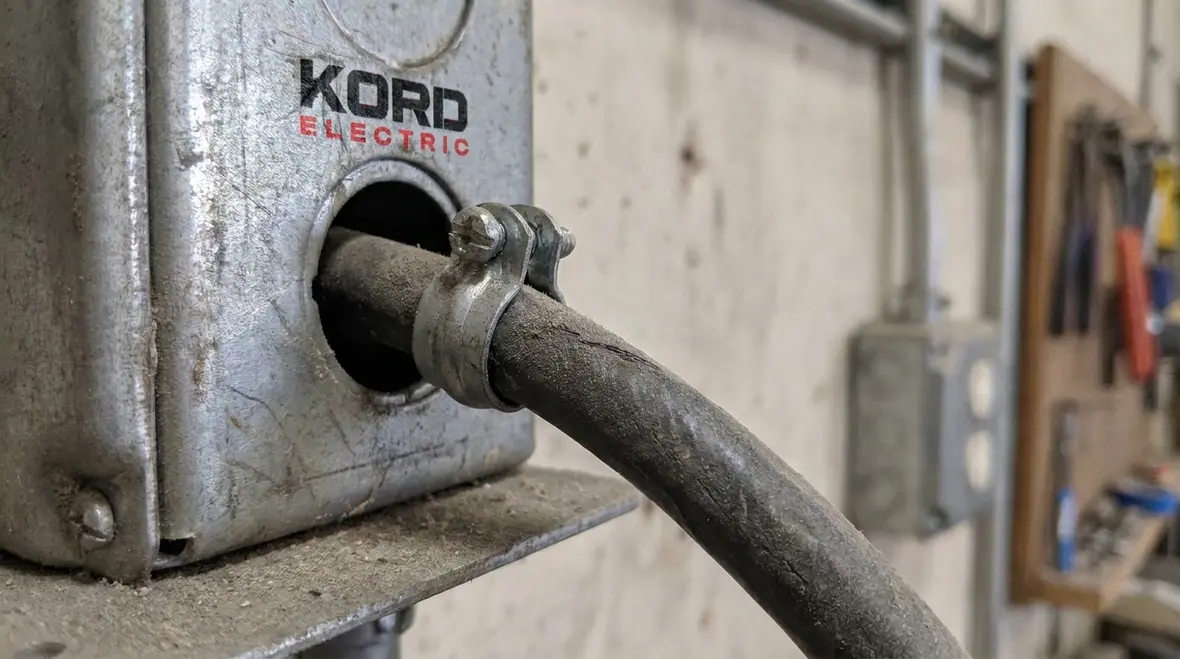
How conduit, fittings, and openings should be treated at the entry point
When cables enter electrical boxes or other enclosures, the method of entry matters. First, the opening must be properly made and protected so conductors do not rub against metal edges. Next, fittings used at the entry must grip or secure the wiring method as required, so the connection stays stable through vibrations, thermal changes, and routine building activity.
In many commercial projects, the most common mistakes are also the most predictable. Someone enlarges an opening after the fact, skips a required bushing, or uses an improvised fitting that does not match the cable jacket. Then later, inspectors ask for corrections. Then later, maintenance teams ask why power interruptions are happening. Then later, the schedule gets tight. And then everyone learns, as the saying goes, that shortcuts charge interest.
Our technicians approach cable entry like a checklist built for reality. Therefore, they verify that openings are finished, that fittings match the cable size and type, and that the entry method does not damage insulation. If the cable route bends sharply near entry, they plan the path earlier rather than forcing it after the fact. This is also where good coordination matters, especially on commercial and industrial jobs where different trades work at the same time.
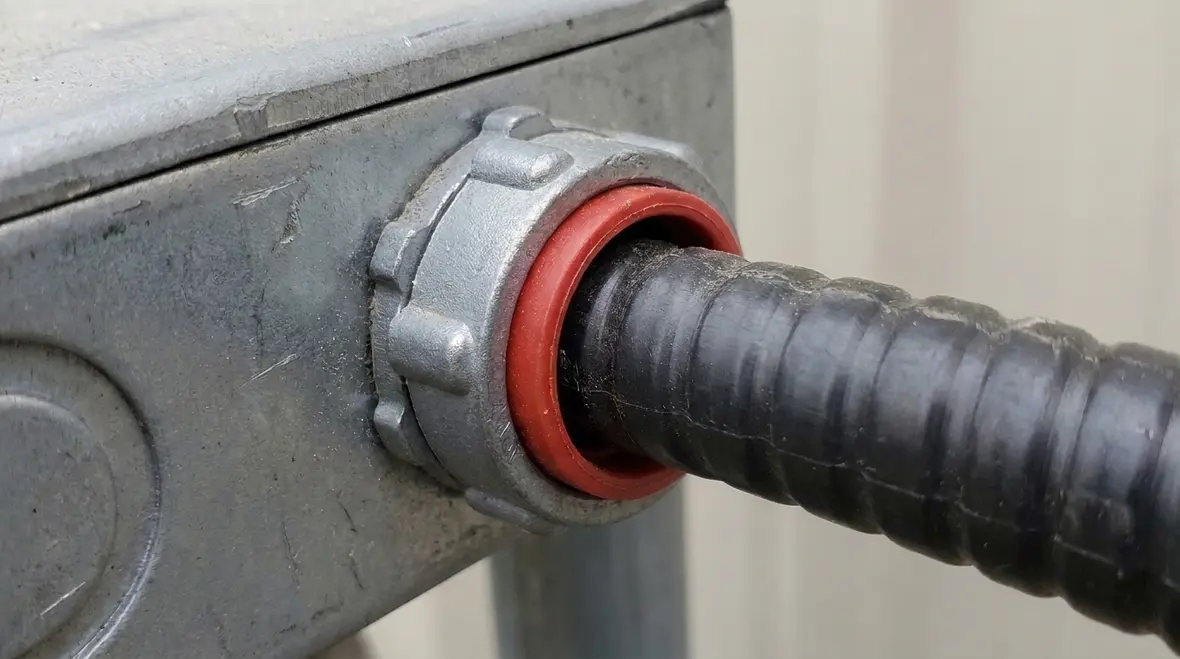
Proper cable protection prevents damage before the system even starts
Section 334.19 ties directly to protection. Even if a cable is otherwise correctly rated, the entry point can still create risk. A cable can be nicked during installation, stressed if it is forced into a cramped opening, or damaged if it contacts rough surfaces. Consequently, the entry method must control the cable’s position and protect it from abrasion.
Our field team often explains it this way: the cable does not only travel from point A to point B. It also lives a life inside every enclosure opening, fitting, and transition. So when an installation team prepares cable entries, they should maintain a smooth path, avoid sharp edges, and ensure the cable enters without twisting that strains the conductor and jacket.
Meanwhile, our expertise also covers how this interacts with broader NEC requirements. For example, when a cable enters a box, teams should think about how it will connect, how grounding and bonding will be handled, and how strain relief will support the wiring. In addition, they should consider the environment, because commercial and industrial spaces often include dust, humidity, vibration, and occasional impacts from equipment and maintenance.

We coordinate branch circuit entries with real-world installation workflows
Commercial and industrial facilities rarely follow a neat sequence. One floor gets demoed, another floor gets rough-in, and yet another crew arrives to pull wire. Then the building manager asks for “just one more change” that affects cable routing. In that kind of workflow, code compliance still needs to happen, but it also has to fit how people work.
So, we help teams plan the NEC branch circuit cable entries early. Our technicians review how enclosures will be installed, where conduits terminate, and how cables will be routed before they reach entry points. This reduces the need for last-minute modifications, which often create entry problems like misaligned fittings or damaged cable jackets.
Also, we keep the message calm and practical. Our expert service staff explains that compliance is not a guessing game. It is a repeatable process. For instance, they confirm that entry methods match the wiring method and that the box openings are made correctly. Then they document the approach for commissioning and inspection readiness. In the end, the facility gets a system that looks professional and operates reliably, not a mystery meat installation that passes today and fails tomorrow.
Common inspection red flags we see in commercial buildings
When inspections happen, they often focus on the details that matter most for long-term safety. For NFPA 70 Section 334.19, inspectors look for evidence that cable entries protect the conductors and maintain the wiring method. Therefore, the typical red flags include damaged jackets, improper fittings, missing protection at openings, and cable routes that cause undue stress at the entry.
In addition, some teams forget the difference between “it fits” and “it complies.” A fitting might technically slide into an opening, but if it does not secure the wiring method or if it leaves gaps that allow movement, the cable can shift later. Then, wear begins. That is how small installation errors turn into downtime. And in commercial and industrial environments, downtime is not just inconvenient. It costs money.
Our team helps prevent these problems by training installers, verifying field conditions, and correcting issues quickly. We also advise property managers on what to look for during walkthroughs, so questions get answered before inspections become pressure events.
For facility leaders who want the bigger picture behind those inspections, Kord Electric also shares broader NEC guidance in resources like Understanding NFPA 70: The National Electrical Code Explained for 2026, which connects the rulebook to real commercial and industrial projects.
Making compliance easier with planning and documentation
Compliance gets easier when teams treat it like part of project management, not a last-minute scramble. Our approach at Kord Electric and Kord Fire partners, where relevant, emphasizes clear steps before cable installation starts. Because commercial and industrial projects often span multiple areas, we build consistency across the site.
First, our technicians confirm the wiring method and cable type that will be used, then match those choices to the planned entry fittings. Next, they check enclosure readiness, such as opening preparation and the availability of correct hardware. Then they document the installation method so that commissioning teams and inspectors can understand the system without guessing. That process supports safe outcomes and reduces rework.
And when questions pop up, our experts explain them in plain language. If someone says, “Why can’t we just use the fitting that is on hand,” our response stays professional, but it usually includes a light joke. Because in the field, “on hand” is not the same thing as “on code.”
For facilities planning broader electrical improvements, this kind of documentation connects naturally to larger upgrade strategies, including modernization and maintenance work that keeps branch circuits, feeders, and service equipment ready for inspections and future load changes.
When those upgrades touch both wiring practices and equipment locations, many Los Angeles County facility managers look for a coordinated partner. That is where dedicated offerings like Los Angeles County electrical services from Kord Electric help align NEC requirements, site conditions, and schedule demands into one reliable plan.
Featured snippet FAQ
|
What does NFPA 70 Section 334.19 require for cable entries? |
It requires cable entries for branch circuits to be made in a way that protects the cable and maintains the wiring method integrity. |
|
Do NEC branch circuit cable entries need specific fittings? |
Yes. The entry method and fittings must support the cable properly and protect against damage at the opening. |
|
What are common violations related to Section 334.19? |
Damaged cable jackets, missing protection for sharp openings, and incorrect or unsecured fittings at the entry point. |
|
How do technicians verify compliance during installation? |
They inspect opening prep, fitting selection, cable routing stress, and strain relief before connections get closed up. |
Short FAQ answers for featured snippets
Where does Section 334.19 apply? It applies to cable entries for branch circuits in the wiring system covered by NEC Article 334.
Why does cable entry matter for long-term reliability? Because rough edges, poor fittings, and cable stress can damage insulation over time, even if the system works at first.
Can a bad cable entry pass inspection? Sometimes it can look fine at first, but inspectors often spot unsafe conditions like jacket damage or missing protection.
How can a facility manager reduce rework? Plan the entry hardware early, require field checks, and document the installation approach during commissioning.
Conclusion and call to action
NFPA 70 Section 334.19 does not demand mystery. It demands protection, correct fittings, and careful entry preparation. When our technicians at Kord Electric support commercial and industrial facilities, we help teams avoid the classic entry problems that trigger rework and downtime. If you are planning an upgrade, managing a tenant improvement, or preparing for inspection, reach out. We will explain the NEC branch circuit cable entries clearly, document the approach, and help your electrical system stay reliable for the long run. Call today.
If you want to see how these detailed cable entry practices fit into a larger NEC roadmap, you can connect them with broader guides like Kord Electric’s resources on NFPA 70 and commercial electrical systems. Together, they show how careful planning at the entry point helps keep your entire distribution system calm, predictable, and ready for the next inspection window.


