
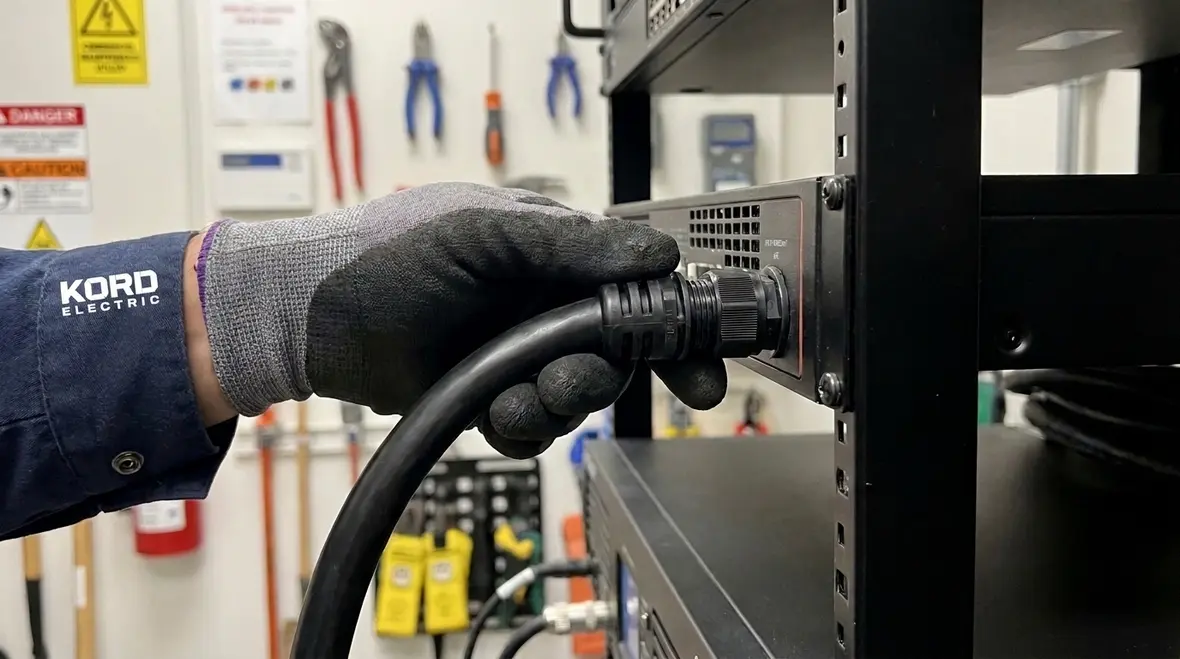
NFPA 70 Section 640.21 Audio Flexible Cords Guide
At Kord Electric, we treat electrical safety like we treat our tools: well maintained, well understood, and never “good enough.” That mindset starts with proper cord use and the right product for the job, especially when facilities rely on temporary power, maintenance work, and flexible connections. In this guide, we walk through NFPA 70 Section 640.21 audio flexible cords and what those rules mean for real commercial and industrial sites. And yes, we know the words can sound like a spell from a sci fi movie. Still, our technicians explain them in plain terms so your team can make safer choices without guessing.
As we go, we will connect the dots between the National Electrical Code, how flexible cords get selected and installed, and how you can reduce risk across major property buildings. After all, when the stakes are occupancy, uptime, and compliance, there is no room for “we assumed.”
NFPA 70 and why Section 640 matters for commercial buildings
The National Electrical Code, also known as NFPA 70, sets baseline safety rules for wiring and equipment. Section 640 specifically addresses flexible cords and cable assemblies, which is where many facilities get into trouble. That trouble often starts in maintenance areas, machine rooms, loading docks, and anywhere teams need portable power or temporary connections.
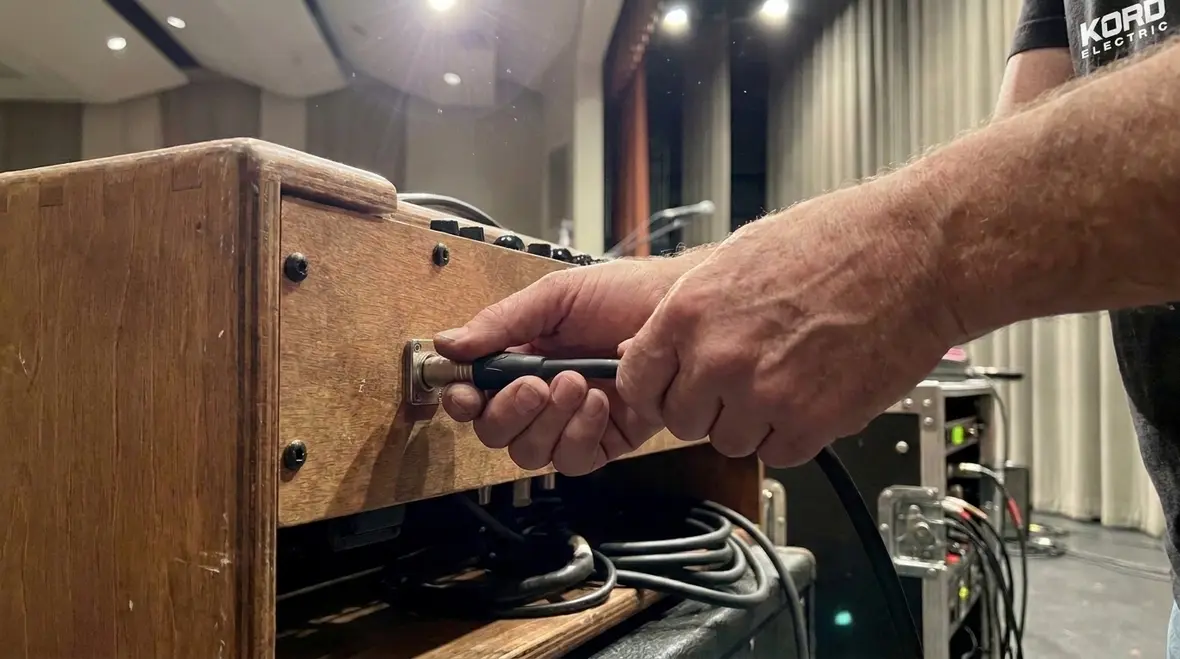
Here is the key point: when a facility uses a flexible cord for a task, the cord must match the use, the environment, and the protection needs. Otherwise, the wiring system behaves like a plan with missing steps. We see it in the field, and our expert service staff explains it every week.
For example, a cord used in an audio related application is not automatically suitable for harsh physical conditions. Yet people sometimes treat flexible cords like interchangeable “extensions.” That is the electrical equivalent of wearing sandals to a construction site. It might be comfortable, but it is not a safety plan.
NFPA 70 gives facility teams a shared rulebook so “good enough” does not become the default. When we review installations, we also point teams toward accessible explainers such as Kord Electric’s practical guide on how to read NFPA 70 for commercial and industrial buildings, as well as Kord Fire resources that break down NEC concepts from a fire protection perspective. Those code primers help your staff understand why flexible cord details matter long before an inspector shows up or a failure forces an emergency call.
NFPA 70 Section 640.21 audio flexible cords in plain language
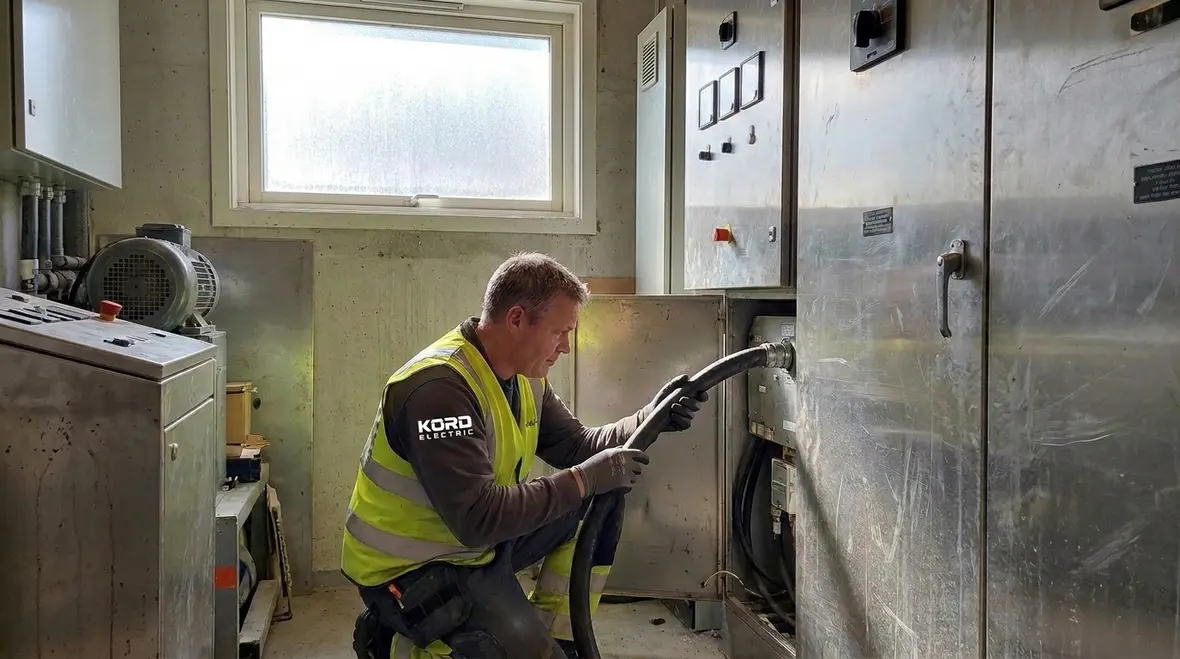
In our work, we focus on how NFPA 70 Section 640.21 audio flexible cords affect how teams choose, install, and protect flexible cords in commercial and industrial settings. This section addresses requirements tied to the cord’s intended use, construction, and limitations.
In practical terms, we guide facilities to treat these cords as engineered components, not generic accessories. Our technicians review how the cord will route through the site, whether it will move during use, and how it will be stored when it is not in use. Then we align that plan with the NEC approach: correct product, correct installation, correct protection.
Even when the cord seems to “work” during testing, safety compliance still matters. Insulation can age faster under stress, connectors can wear from repeated motion, and strain can appear where a cord enters a device. Therefore, we help teams avoid the slow creep of risk that starts quietly and shows up later during an inspection or a failure event.
We also connect this section with other core NEC expectations your building already follows. Many facility teams use Kord Fire’s NFPA 70 guide as a fire safety lens and Kord Electric’s NEC explainers for topics like raceway drainage and grouping of disconnects to see how individual rules add up to one consistent safety story. When people understand the pattern, they are less tempted to “borrow” the wrong cord or push past limits just because the audio still sounds fine.
How we select the right flexible cord for the job
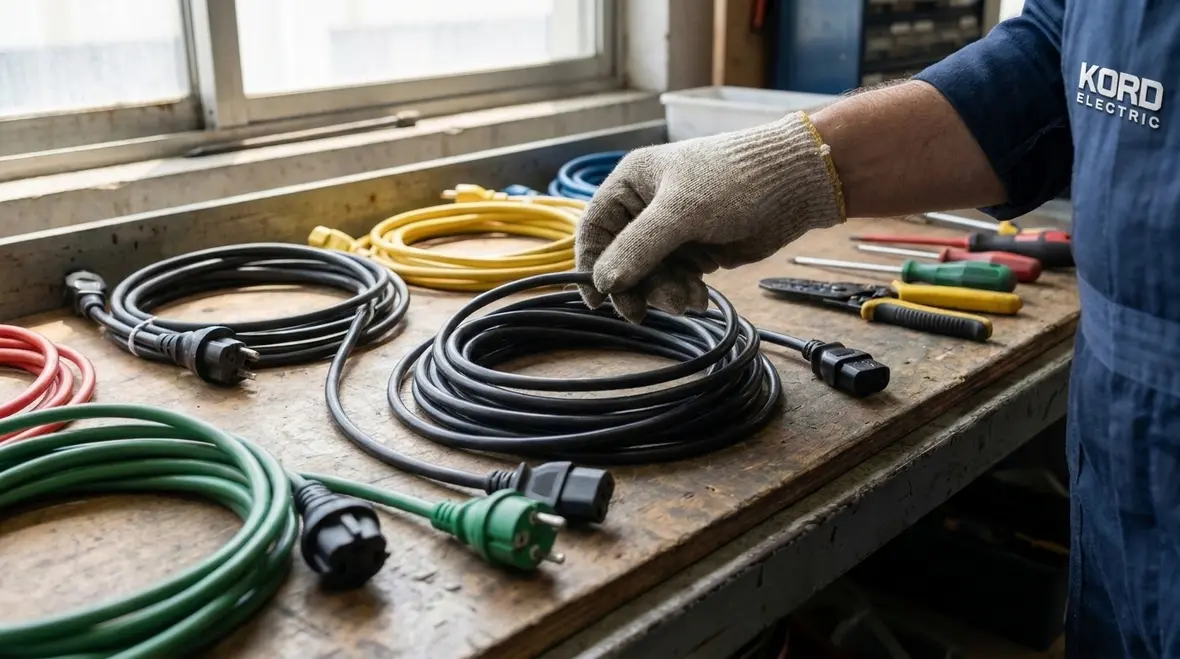
We do not just check a label and move on. For major property buildings, we build a selection process that fits the site workflow. First, we map where the cord runs and where it gets handled. Next, we identify how people will use it, including how often it moves and whether equipment creates heat, vibration, or pressure points.
Then we match the cord type to the use case. When the facility needs audio flexible cords, we treat that as a defined requirement. We also consider the role of the cord in the broader electrical system, including how it connects to power, how it interfaces with equipment, and whether additional protection devices exist where needed.
Finally, we confirm the install details. For example, we advise on routing and securing so the cord does not become a tripping hazard or get crushed by doors, carts, or pallets. We also stress proper strain relief at plug connections because that is where a lot of damage starts. If it sounds picky, it is. And if it sounds protective, it is.
This is also where we coordinate with your broader electrical system planning. If your organization is already working through projects like commercial electrical infrastructure modernization or preparing for electrical code upgrade consulting during renovations, we align cord decisions with those long range plans. That way, NFPA 70 Section 640.21 audio flexible cords are not a side note; they are part of the same code minded strategy that shapes your panels, feeders, and emergency power choices.
Protection, routing, and strain relief: the safety trio
Most flexible cord incidents do not begin with a dramatic failure. Instead, they start with small issues that stack up over time. That is why we push facilities to focus on protection, routing, and strain relief as a set.
- Protection: We evaluate whether the cord will face impacts, abrasion, moisture, or heat. Then we plan the right protection method, which might include guarding, placement choices, and limits on exposure.
- Routing: We route cords to avoid pinch points and traffic areas. In large buildings, we coordinate with operations teams so routing matches the real movement patterns of people and equipment.
- Strain relief: We check how the cord enters devices and how the connection handles movement. A cord that gets tugged repeatedly will eventually lose integrity at the connector area.
Our technicians explain these points in the same calm way they explain any other safety topic. They also point out that “it looks fine” often means “it has not failed yet.” If that were a business strategy, we would not sell it. Yet in electrical work, that mindset shows up too often.
For commercial and industrial clients who are also strengthening surge protection, grounding, or raceway layouts, we tie these cord basics into the same conversation. An audio cord that repeatedly gets pinched behind an equipment rack or dragged across a loading path will not only violate intent, it can become the weak link during a surge or fault event. When we help your team design power surge protection or verify NEC installation limitations, we also call out where cord routing needs an upgrade to match the rest of the system.
Commercial and industrial compliance: what we verify during service
Kord Electric focuses on commercial and industrial facilities and major property buildings. So, our compliance checks follow how those environments work, not how a single office works. We verify that cord usage aligns with the NEC intent, and we check real installation conditions.
During our assessments, we look for common risk patterns such as improvised cord replacements, damaged insulation, loose connectors, and cords that run where they should not. We also verify that the facility uses the right approach for temporary work. Temporary does not mean “ignore the rules.” It just means the timeline changes, while the safety requirements remain.
Then we document findings in a way that your facility team can act on. In other words, we do not just point out problems, we help you close them. And because our expert service staff cares about clarity, we explain the “why” behind each recommendation so the next maintenance cycle does not undo the last one.
For related code context and practical interpretations, many teams also review guidance from trusted resources such as our partners and code focused publishers, including Kord Fire resources that discuss NFPA 70 topics in an easy to follow way. When we coordinate with fire and life safety planning, we align electrical decisions with broader building risk management so your cord strategy, emergency systems, and distribution equipment all move in the same direction.
If your facility is preparing for renovation or modernization work, we often pair these inspections with broader services like commercial electrical infrastructure modernization or electrical code upgrade consulting. That way, the same visit that corrects NFPA 70 Section 640.21 audio flexible cords can also flag aging panels, inconsistent labeling, or switchgear that would benefit from a structured NFPA 70B maintenance program.
Integrating cord rules with audio and equipment needs
Audio systems in commercial buildings can look simple, but the power path and cord handling matter just as much as the speakers. When equipment racks, amplifiers, and controllers connect through audio flexible cords, facilities often face tight spaces, frequent device moves, and staff changes. That combination increases the chance of incorrect substitution or rough handling.
To reduce that risk, we help teams build an equipment support plan. That plan includes labeling and storage rules so cords do not get swapped or left loose. It also includes routing practices that keep cords away from sharp edges, damp areas, and heavy equipment traffic.
We also coach facility staff on basic operational habits, because a safety system is only as strong as the daily behavior around it. If someone repeatedly coils a damaged cord the wrong way, the cord may overheat or develop internal breaks. If they then “just swap it” without confirming the correct specification, they can create a hidden compliance gap.
And for a little pop culture honesty: every building has at least one person who believes rules exist to be bent like a guitar string. We respect music. We do not respect electrical risk. So we show teams safer ways to get the same outcome without turning your power setup into an improvised audition.
When we tie these habits back to NFPA 70, we also highlight companion topics that help facility leaders see the full picture, like how to read NFPA 70 effectively or how NEC raceway and disconnect rules support everyday maintenance. The goal is not to turn your staff into code lawyers, but to give them enough context so they recognize when an “easy” shortcut around an audio cord is actually a safety problem in disguise.
FAQ
Choose a safer cord plan with Kord Electric
If your commercial or industrial facility uses flexible cords in audio or equipment setups, we help you get the right approach before problems start. At Kord Electric, our technicians verify cord selection, routing, protection, and strain relief so you reduce risk and improve compliance. We also explain the reasoning behind each recommendation, so your team can maintain the standard long after our visit. Contact us to schedule a review for your major property building and keep safety from becoming a last minute surprise.
For facilities across Southern California that need a broader partner for distribution equipment, emergency power, and everyday maintenance, our Los Angeles County electrical services for commercial and industrial buildings bring the same code grounded mindset to panels, feeders, surge protection, and more. That way, your NFPA 70 Section 640.21 audio flexible cords are part of a larger, well documented safety plan instead of a one off fix.
If your team wants to keep building its own understanding between visits, you can also explore our educational pieces like How to Read NFPA 70 and Kord Fire’s NFPA 70 overview. Together, those guides, plus focused articles on NEC raceways, disconnect grouping, and switchgear, turn the code from an intimidating binder into a toolkit your staff can reference with confidence when making day to day decisions about cords, equipment, and upgrades.


