
NFPA 70 Section 640.9 Audio System Wiring Methods by Kord Electric
At Kord Electric, we help commercial and industrial facilities keep life safety systems, communication systems, and daily operations running as designed. And yes, we start with the details. In particular, we follow NFPA 70 Section 640.9 audio system wiring methods when we design and service sound systems that must stay stable, protected, and reliable. Those requirements cover how wiring gets installed, routed, and supported, and they influence choices like cable type, separation from power circuits, and protection against damage. As our technicians explain it, the audio system is not “just for announcements.” It supports emergency messages, building coordination, and normal business flow. Think of it like the building’s voice. If that voice gets tangled in the wrong wiring, the message turns into a comedy routine nobody asked for.
Below, we walk through the National Electrical Code approach, how we translate it into real field work, and what facility managers and building owners need to know. We also point out what our expert service staff checks during commissioning, upgrades, and troubleshooting, so your systems stay code-aligned and dependable.
NFPA 70 and the Code mindset for 2026
The National Electrical Code, often called NEC, sets practical rules for safe electrical design, installation, and inspections. For 2026, facility teams should treat the NEC like a playbook, not a suggestion. In other words, we do not “wing it” because the building cannot afford improvisation, and neither can your insurance carrier.
Our technicians use the NEC as a structured method. First, they identify the system category. Next, they confirm wiring methods, separation rules, grounding practices, and labeling needs. Then, they compare those requirements against the building’s real layout: cable trays, conduit runs, mechanical pathways, and access panels. Finally, they document what they installed and why, so the record survives audits and future changes.
In commercial and industrial facilities, this mindset matters even more. High bay warehouses, manufacturing plants, hospital corridors, office towers, and major property buildings all share one thing: complex power distribution. As a result, audio, signaling, and communication circuits must stay clearly managed to avoid interference and to reduce fault risk.
What NFPA 70 Section 640.9 requires for audio wiring methods
When we talk about NFPA 70 Section 640.9 audio system wiring methods, we focus on the field outcomes: safe routing, proper protection, and reliable performance. Our expert service staff explains that this section does not exist to slow projects down. Instead, it helps prevent failures that show up months later as intermittent audio, missing zones, nuisance alarms, or degraded intelligibility.
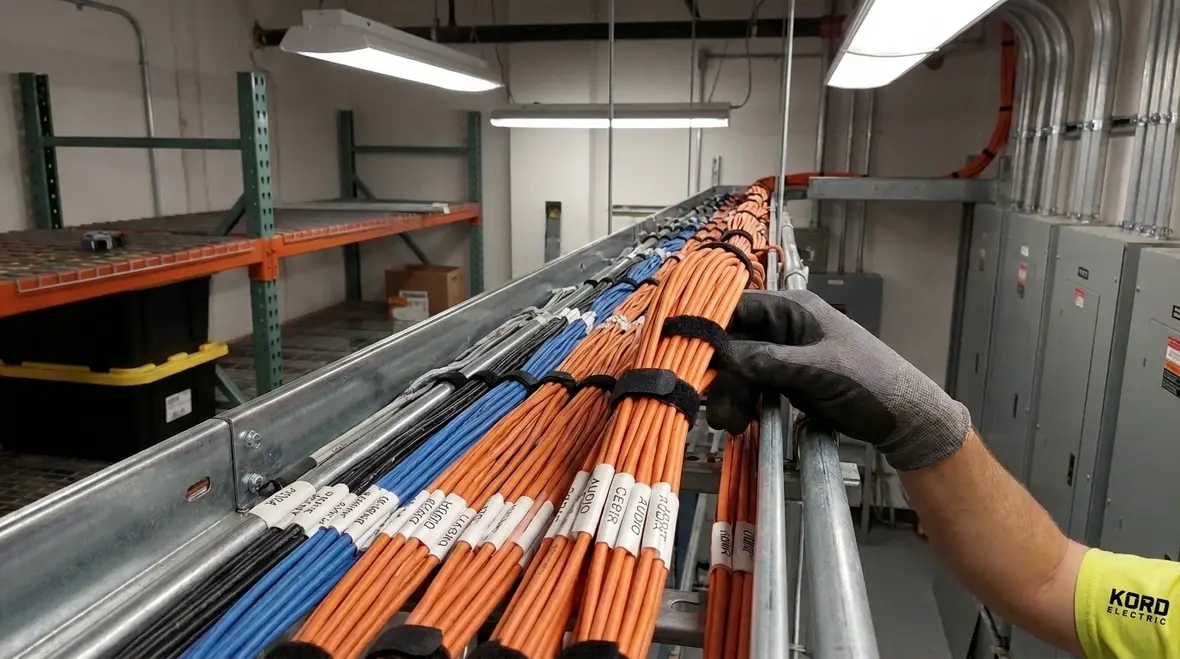
While each project varies, our team typically pays close attention to the way audio wiring is installed and supported. We plan pathways to avoid physical damage. We use proper wiring method materials that match the environment, including areas where moisture, vibration, or impact could be a factor. Also, we manage separation from power conductors so the audio circuit does not pick up noise like a radio stuck between stations.
And since people love to cut corners, we remind everyone: “If it is not protected and supported the right way, it will eventually move. When it moves, connections loosen. When connections loosen, audio turns into… well, you get the idea.” We keep that tone calm, but the message stays firm.
We also align these wiring decisions with broader code guidance across your facility. For example, when your team reviews foundational resources like Understanding NFPA 70: The National Electrical Code Explained for 2026 alongside our audio wiring approach, it becomes easier to see how Section 640.9 fits into the bigger NEC picture shaping your 2026 planning.
How we translate NEC rules into drawings and field plans
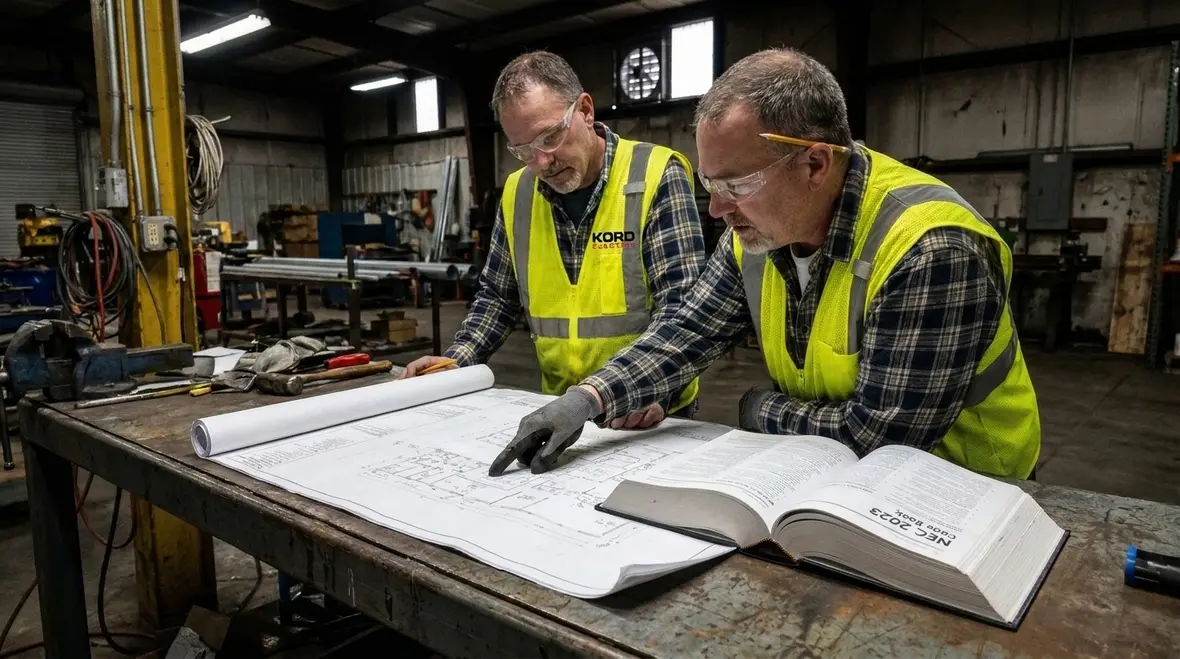
Code compliance only works when the paper and the steel match. Therefore, we convert NEC requirements into clear design intent and practical installation steps. Before any wire goes in, our engineers and project leads review the one-line, the circuit plan, and the pathways. Then, our technicians verify the physical constraints on site.
In practice, that means we do things like the following:
- We confirm routing routes early so audio circuits do not share space with power runs in ways that violate separation goals.
- We coordinate supports and cable management so wiring stays secured and protected through building life.
- We select wiring methods that fit the environment, such as areas with heat, physical risk, or humidity.
- We plan test points and access paths so we can verify performance without demolition.
Then, during installation, we keep a steady rhythm. First, we inspect the pathway and mounting points. Next, we install wiring with correct termination practices. After that, we test and document zone performance and continuity. Finally, we reconcile any field changes back to the design record.
That last step matters. When a facility later expands, replaces, or reconfigures, the documentation becomes the map. Without it, teams end up doing the electrical version of “where is my phone” panic.
Because audio systems often interact with life safety and emergency power infrastructure, we also coordinate our approach with other code-driven work. Whether your facility is modernizing distribution equipment or mapping out commercial electrical system upgrades, we make sure the audio side is not an afterthought bolted on at the end.

Separation, protection, and interference control for commercial buildings
Most audio problems in real buildings do not start as failures. They start as noise. And noise grows quietly, like an office plant someone forgot to water. Eventually, it becomes a real issue: hum, buzz, missed announcements, or reduced clarity.
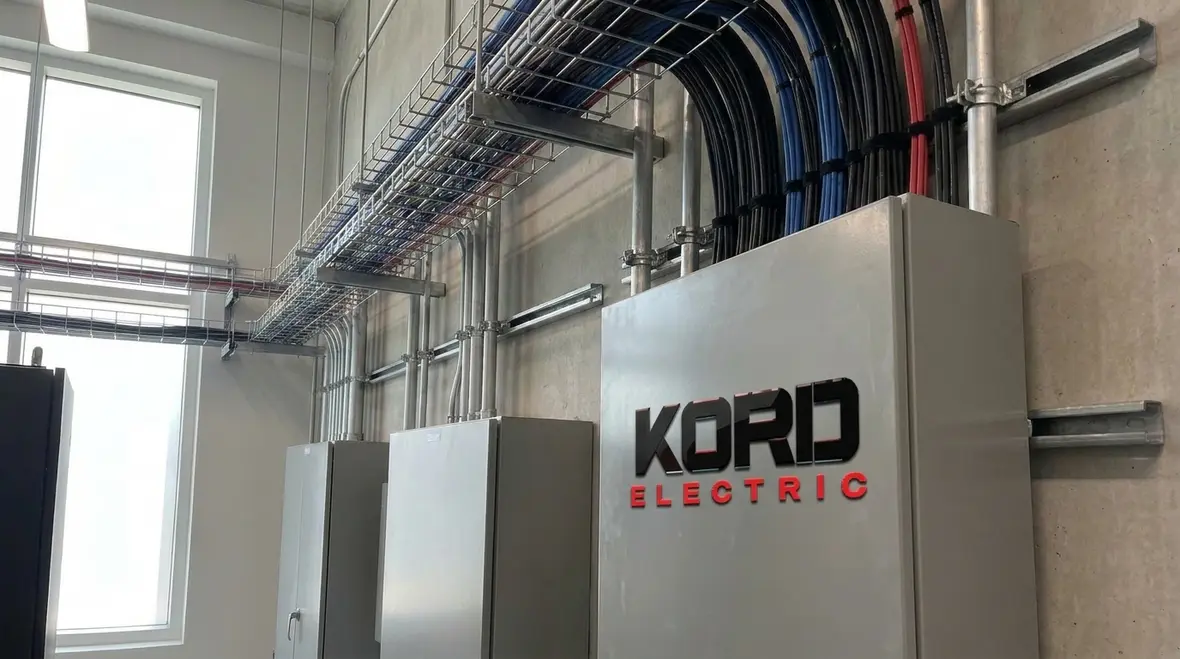
To reduce these issues, we build separation and protection into the plan. We pay attention to how audio wiring methods interact with other circuits, including power conductors and motor feeds. We also manage installation practices that protect against mechanical stress. When wiring runs are supported, secured, and routed with care, we reduce movement and stress on terminations.
Our technicians also consider environmental factors common in industrial settings. Dust, vibration, temperature swings, and occasional washdown routines can all affect long term performance. Therefore, we choose wiring methods that handle those conditions rather than selecting materials only based on first cost.
In the same way, we avoid assuming that one building layout stays the same. Facilities change. Tenant improvements happen. Equipment gets swapped. So we install audio wiring methods that remain functional and serviceable, even when the surrounding system evolves.
This separation and interference control mindset also shows up when we coordinate with fire protection partners. When your facility teams review guidance such as NFPA 70: All About The National Electrical Code (NEC) 2026 from Kord Fire alongside our own NEC-focused articles, it reinforces how audio circuits, power conductors, and life safety systems all share the same code backbone instead of competing for space inside your conduit and trays.

Commissioning, verification, and service support from our team
After installation, we verify performance like professionals, not like luck is a testing standard. During commissioning, our expert service staff confirms that the audio system zones operate as designed. We check continuity, signal integrity, and correct behavior under normal and practical operating conditions.
We also look for signs that the wiring method choices pay off. For example, we evaluate whether the system stays stable when other equipment runs. In commercial and industrial buildings, electrical load changes are normal. As a result, a properly installed audio system should not degrade during typical operations.
We then document results in a way facility teams can use. That documentation helps maintenance staff, building operators, and future contractors. It also helps reduce service downtime because the next troubleshooting step becomes clear instead of guesswork.
If you think this part is boring, that is fine. But it is the difference between “we fixed it” and “we can prove what we fixed.” And in a facility environment, proof beats guesswork every time.
Our service support also connects your audio systems to broader power reliability planning. Whether your team is exploring emergency power backup strategies or modern surge protection approaches, we make sure the audio side gets tested and documented with the same discipline as your main electrical infrastructure.
Common upgrade scenarios in major property buildings
Major property buildings and industrial sites rarely keep the same electrical scope forever. Over time, teams upgrade for safety, tenant needs, brand standards, and system reliability. That creates recurring upgrade scenarios where audio wiring must remain aligned with current NEC expectations.
Here are examples we commonly manage:
- Tenant space refreshes that add new paging zones, background music feeds, or emergency announcement coverage.
- Warehouse and plant expansions that require additional cabling and pathway coordination.
- System modernization projects that replace legacy equipment and require rework of wiring methods and terminations.
- Building retrofit work where existing pathways get reused, but separation and protection must still hold to code intent.
In each scenario, we confirm what already exists before we touch anything. We then plan the new work so it integrates with the existing audio system structure. Most importantly, we maintain code-aligned wiring methods so the upgrade does not create future reliability gaps.
We also coordinate with facility stakeholders to minimize disruption. If your operation runs 24 7, we schedule work windows, plan access routes, and keep downtime tight. That is not a marketing slogan. It is how we protect your productivity.
When upgrades go beyond a simple add-on and start touching service equipment, life safety power, or large-scale distribution, we often pair audio planning with broader electrical code upgrade consulting for renovations. That way, your team is not trying to reconcile NEC audio requirements in isolation from the rest of the project.
FAQ for facility teams and building owners
Short answers for featured snippets
- Does NFPA 70 apply to commercial and industrial audio systems? Yes. Facility electrical systems follow NEC requirements to support safe installation and operation, and NFPA 70 Section 640.9 audio system wiring methods helps set the expectations for how those circuits are routed and protected.
- When we plan audio wiring, what do we check first? We confirm pathways, separation from other circuits, and the wiring method that fits the environment, then we map those choices against the code language that applies to the building type and system scope.
- What happens if audio wiring methods ignore separation guidance? The system can pick up electrical noise, and performance can degrade over time, showing up as hum, buzz, or unintelligible announcements when your team needs clear messages the most.
- Do we need ongoing service after installation? In major facilities, yes. We support inspections, troubleshooting, and upgrades as building conditions change, so the audio system continues to operate as designed instead of drifting away from code intent with every small project.
Why Kord Electric for NEC-aligned audio system work
Our company exists to serve commercial and industrial facilities and major property buildings, not to dabble. We bring structured NEC knowledge and hands-on field experience, and our technicians explain options clearly so your team can make decisions with confidence. From design coordination to commissioning, we handle the details that protect reliability and reduce downtime. If you are planning an upgrade or auditing current audio coverage, reach out to Kord Electric. We will review your scope, map the wiring method approach, and keep your building’s voice steady.
For facilities across Southern California, that support extends beyond a single project. Our Los Angeles County commercial and industrial electrical services team helps owners, managers, and operations leaders coordinate audio work with panel upgrades, distribution improvements, and emergency power planning so every part of the system moves in the same NEC-aligned direction.
Whether you are reviewing NFPA 70 Section 640.9 audio system wiring methods for a new build, a renovation, or a long overdue retrofit, Kord Electric treats your audio system like what it truly is: the voice of the building. We keep that voice clear, grounded in code, and ready to speak up when your facility needs it most.


