
NFPA 70 Section 640.45 Audio Wiring Protection
At Kord Electric, we focus on commercial and industrial facilities and major property buildings, where electrical risks cost real money and real time. That is why we start with one practical rule that many teams overlook: NFPA 70 Section 640.45 audio wiring protection. In plain terms, this standard sets expectations for how audio circuits must be protected so signals stay stable and faults do not spread. And yes, it matters even when the “problem” seems like it is only noise, hum, or a weird crackle in a paging system. We have seen crews chase symptoms for weeks, only to find the wiring route ignored protection requirements.
Our expert service staff explains that the National Electrical Code is not about rules for the sake of rules. Instead, it protects people, equipment, and uptime. So, we guide facilities through the NEC the way a seasoned tech guides a homeowner. Except here, we do it faster, tighter, and with the paperwork that building owners expect.
What NFPA 70 covers for modern facilities
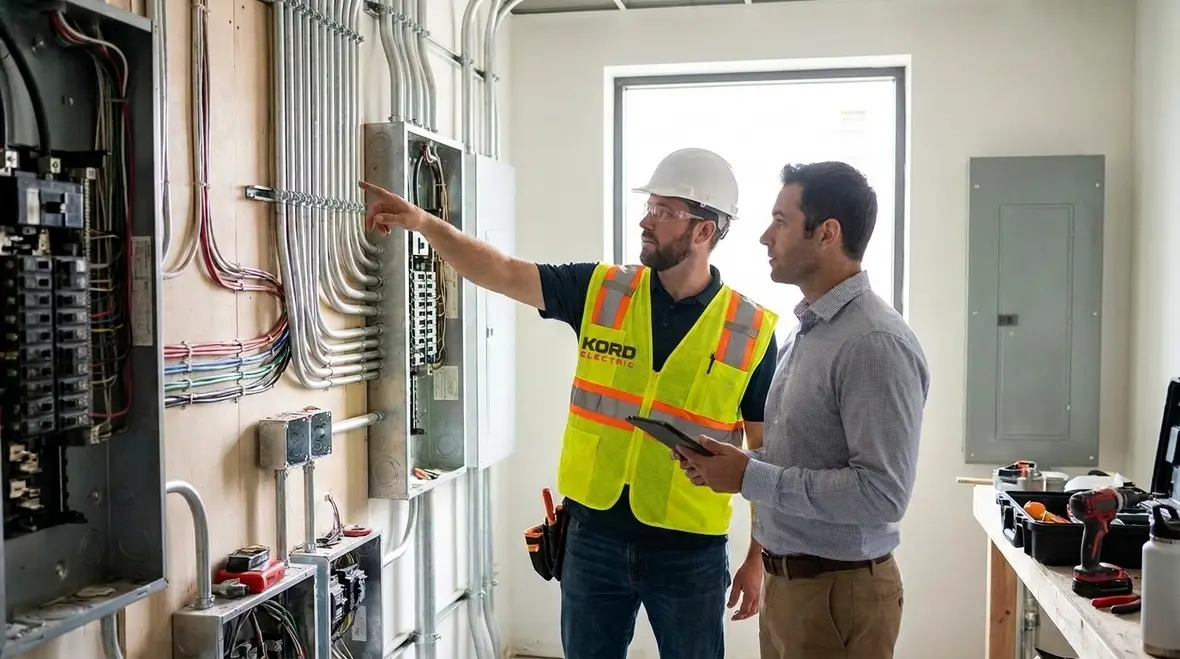
Third party inspectors, facility managers, and project teams often ask what “NFPA 70” really means in daily work. In practice, the answer is simple: NFPA 70 is the National Electrical Code, and it organizes how we design, install, and maintain electrical systems. However, the real value shows up when systems scale. Commercial and industrial spaces typically share power, data, audio, and controls across long runs, multiple rooms, and different trades. Consequently, the code helps prevent unsafe contact, overheating, and unplanned failures.
When our technicians review plans, we do not just check if something passes. We also check if it will keep working under real conditions: seasonal loads, constant device use, and frequent upgrades. Furthermore, we coordinate with other contractors so audio wiring protection requirements do not get treated like an afterthought.
How NFPA 70 connects to real-world audio systems
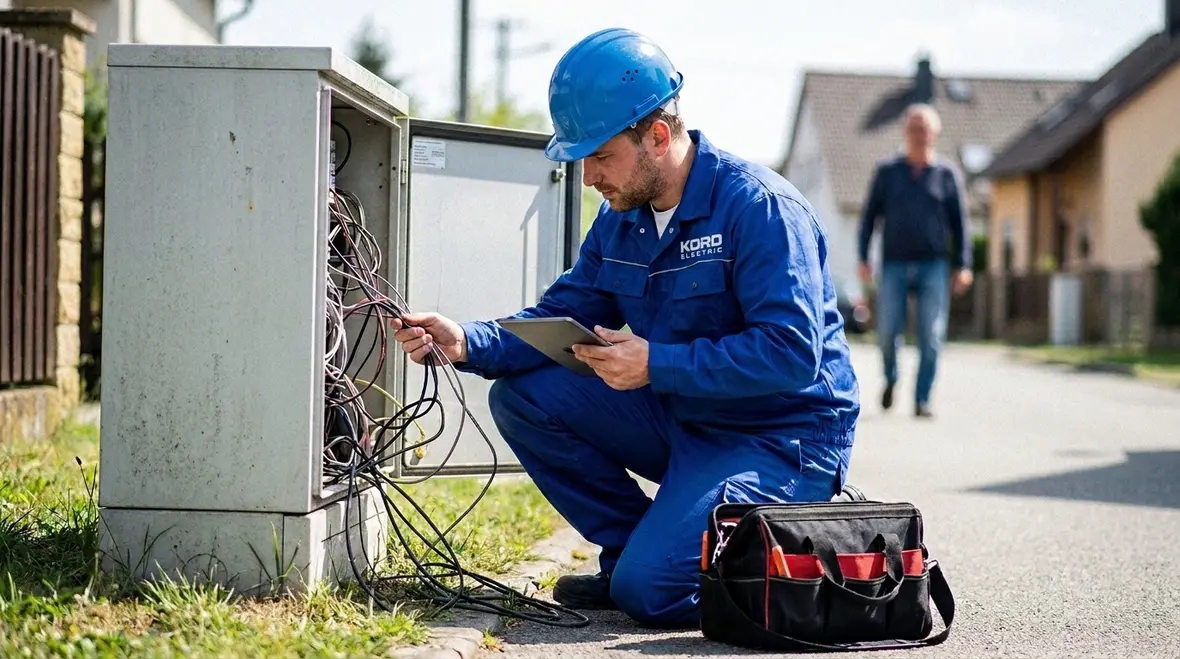
For modern facilities, NFPA 70 does more than define conductor sizes and breaker ratings. It shapes how systems like audio, paging, and intercoms coexist with power and control wiring. When those systems share pathways or mechanical spaces, the code helps keep minor annoyances from turning into serious faults. That is why our team often points clients to resources such as Understanding NFPA 70: The National Electrical Code Explained for 2026 when they want a clear big-picture view before diving into specific sections like 640.45.
How NEC requirements reduce risk in audio and signaling
Audio systems can feel “lightweight” compared to power distribution, yet they carry serious operational weight. Paging, intercoms, emergency messaging, and background audio often support life safety and building management workflows. Therefore, weak wiring practices can lead to degraded audio quality, intermittent failures, and increased fire and shock risk.
In many builds, audio cables share spaces with other building wiring. That is where audio wiring protection becomes more than a phrase. It includes the idea that wiring must be protected from physical damage and environmental hazards. Additionally, routes that look tidy on paper can become vulnerable after renovations, new conduit installs, ceiling access, or door hardware changes.
We explain it to our clients like this: electricity does not care about our schedules. It only follows physics. So if someone installs audio conductors without the right protection, the system can behave like a DJ on a bad night, skipping beats and making everyone uncomfortable. Our expert service staff steps in early so teams avoid that “why is it only sometimes?” situation.
Audio circuits that matter most in commercial facilities
In large properties, certain audio and signaling circuits demand extra attention. Overhead paging that ties into emergency messaging, intercoms that support access control, and distributed audio that doubles as alerting all rely on stable, protected wiring. When those conductors run near mechanical equipment or share congested pathways, NEC protection rules help prevent damage that might stay hidden until the worst possible moment.
NFPA 70 Section 640.45 and the protection mindset
Let us get direct about NFPA 70 Section 640.45 audio wiring protection. While the full details live in the code text, the core message is clear. Audio circuit wiring must get protection where damage exposure exists. That protection can involve the right raceways, barriers, and physical routing choices, based on the installation conditions.
Moreover, this approach supports a broader safety goal. When audio wiring gets damaged, failures can cascade across connected systems. In commercial and industrial buildings, that cascade can mean delayed communications, confused occupants, and costly troubleshooting. It can also mean that inspectors and insurance reviewers ask hard questions about installation practices.

Our technicians use a consistent method. First, we identify the audio circuit type and its intended use. Next, we map the full route and flag any areas that face risk, like mechanical access points and areas where maintenance activity is common. Then, we recommend solutions that match the environment and the facility’s construction style. Finally, we document our choices so the building owner has a clear record.
From code text to field decisions
Section 640.45 does not live in isolation. It interacts with other NEC rules that address wiring methods, raceways, and protection from physical damage. Our field team translates those interconnected requirements into simple decisions: which pathway to use, where to add mechanical protection, how to separate conductors, and how to label routes so future crews understand the intent long after the project closes.
Plan review to commissioning: the Kord Electric workflow
In the real world, electrical safety shows up during handoffs. Plans move from design to procurement, then to installation, and then to commissioning. Yet many problems appear during the gaps. That is why our team uses a deliberate workflow made for commercial and industrial work.
First, we review drawings for code-aligned circuit separation and routing. Second, we verify conductor management and protected paths, especially where audio wiring protection concerns apply. Third, we coordinate with project stakeholders so other trades do not reroute or compress pathways without telling anyone. After that, we inspect during installation, not after the fact. This is a calmer strategy, and it saves everyone from the classic late-stage scramble. The one where someone says, “We can fix it tomorrow,” and tomorrow becomes next week. Again, electricity does not care about tomorrow.

During commissioning, we test audio performance and continuity and check that protected routing stays intact. Then we hand over clear documentation, so the facility team knows what was installed, where it runs, and how it was protected. If your building upgrades later, that record helps keep future work consistent and safe.
Why documentation matters for future upgrades
In major property buildings, today’s clean installation is tomorrow’s reference point. When we document audio routing and protection, we are giving future electricians and facility staff a map they can trust. That reduces the temptation to “just pull one more cable through there” without checking whether the original protection strategy still works.
Common mistakes we see during renovations and upgrades
Large properties change. We get that. Over time, buildings add tenant improvements, expand systems, and swap equipment. However, renovations create a risk window for audio circuits because new access points often appear after the original install. As a result, an installation that passed once can become noncompliant later if the renovation changes the route or removes protection.
We see a few recurring issues. One is routing audio wiring through areas that experience mechanical impact, but then treating it like it is “data cable, same rules.” It is not always the same. Another issue is relying on surface-level neatness, while the cable remains exposed where it can get nicked during future work. Additionally, teams sometimes reuse old pathways without checking whether prior modifications still match the required protection approach.
When our technicians spot these gaps, we stop the problem early. We propose protected routing solutions that work with the building layout, and we document the change. This helps owners plan budgets and helps facility managers avoid repeated failures that look random but almost never are. If you think the wiring is haunted, we will politely disagree and blame physics.
Renovation checklists that keep audio wiring safe
During renovations, we encourage facility teams to walk through a simple checklist for any audio or signaling circuits in the work zone: did routes change, did new access points appear, did any barriers or raceways get removed, and did anyone repurpose a pathway without revisiting protection? Asking those questions early prevents surprise findings during inspections or after occupants move in.
Staying current with code updates and enforcement
Electrical work in commercial and industrial settings runs under strict oversight. That means code updates and enforcement trends matter. When we review resources and guidance, we treat them as practical signals for how inspections and plan review will likely look in upcoming cycles. We also support our clients with a clear path forward, because it is not helpful if someone only learns about a requirement after construction.
For many facilities, staying current with NFPA 70 is not just about one project. It is about building a rhythm where every upgrade or new installation reflects modern expectations. Our team supports that rhythm by tracking how sections like 640.45 connect to other requirements, and by coordinating with partners who focus on related safety topics through Kord Fire and other NEC education resources.
If you want a calm build, you need calm coordination. That is what we bring, with expert service staff who explain the why behind the rules, not just the what. Also, we do not just show up. We communicate early, so the project stays on track.
How enforcement shapes everyday decisions
Authorities Having Jurisdiction look for installations that meet both the letter and the spirit of NFPA 70. When audio wiring protection under Section 640.45 is handled casually, it shows. By planning protection during design, verifying it during rough-in, and preserving it during later renovations, we help owners avoid awkward conversations with inspectors and insurance reviewers.
One table that helps teams compare wiring protection approaches
Below, we provide a simple way to think about protected audio circuit installation choices that align with NEC expectations and the protection mindset behind Section 640.45. This is not a substitute for code text, but it helps teams discuss options without getting stuck in vague ideas.
| Protection approach | Where it helps most |
| Physical barriers, approved enclosures, and protected raceways | High risk areas with possible contact, impact, or routing near maintenance activity |
| Routing choices that avoid damage exposure | Long runs through mixed-use ceiling or equipment spaces where later work is likely |
| Clear separation and organized conductor management | Facilities with shared pathways where trade congestion causes accidental disturbance |
| Documented installation and access plan | Major property buildings that undergo upgrades and re-tenanting |
Using the table during project planning
We often use a simple matrix like this during design meetings. Instead of arguing about “overkill” or “minimums,” teams can look at where the wiring will actually live and match the protection approach to the environment. That keeps conversations grounded in risk and operations, instead of personal preferences.
FAQ: NFPA 70 audio wiring protection and Section 640.45
Choose Kord Electric for dependable electrical protection
When your facility depends on paging, signaling, and building communications, you cannot treat audio wiring like an afterthought. Kord Electric brings expert technicians and service staff who plan with you, inspect with purpose, and document protection choices tied to NFPA 70 standards such as Section 640.45. If you are designing a new project or upgrading a major property building, reach out early. We will help you reduce rework, protect uptime, and keep inspections smoother.
For facilities in Southern California and surrounding regions, our team also supports broader upgrades that go beyond audio and signaling. When you need a code-aligned partner for distribution changes, life safety coordination, and project planning, our Los Angeles County electrical services offering provides a structured way to handle design, installation, and documentation without drama.
Call Kord Electric today and let us handle the parts that keep everyone calm.


