
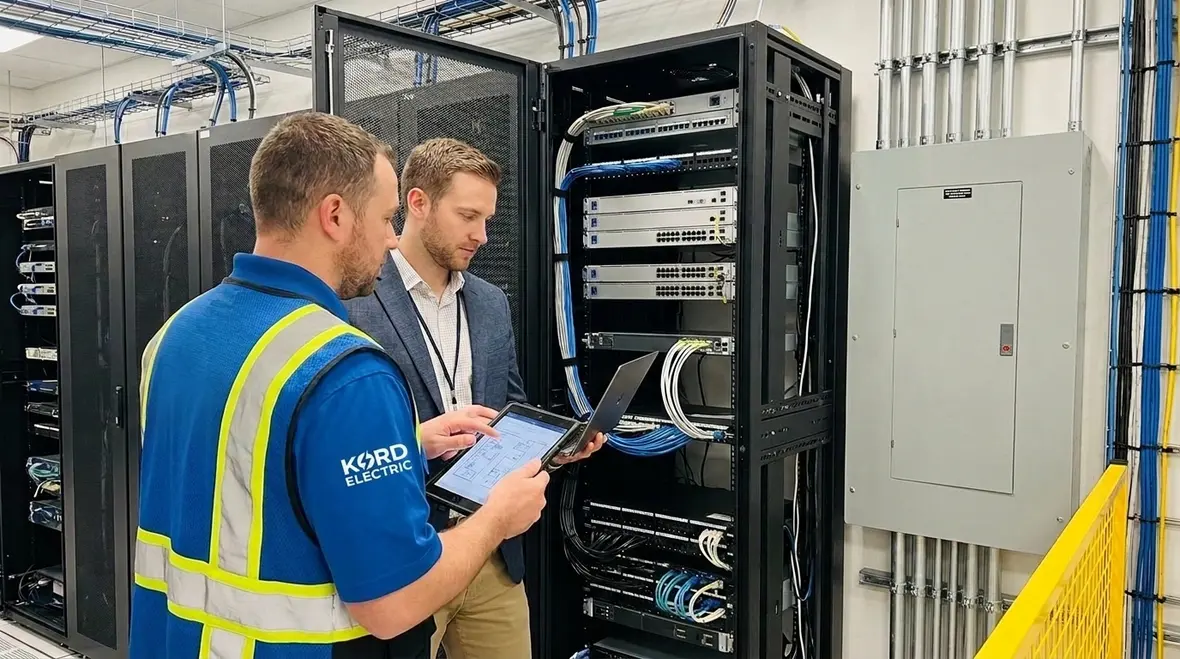
NFPA 70 Section 645.25 IT Engineering Supervision
Kord Electric serves commercial and industrial facilities, as well as major property buildings, because those sites cannot afford guesswork when it comes to electrical safety and reliability. Early in every project, our team reviews the rules that shape safe design and maintenance. That is why we start with NFPA 70 Section 645.25 IT engineering supervision right in the first stages of planning, especially when a facility mixes power, controls, and data systems. This supervision requirement guides how qualified people manage critical IT connected electrical work. In plain terms, it helps ensure the right experts guide the process, not whoever is “free that day.” And yes, we have seen the “free that day” method in other industries. It ends in surprise, not success.
NFPA 70 explained for commercial and industrial teams
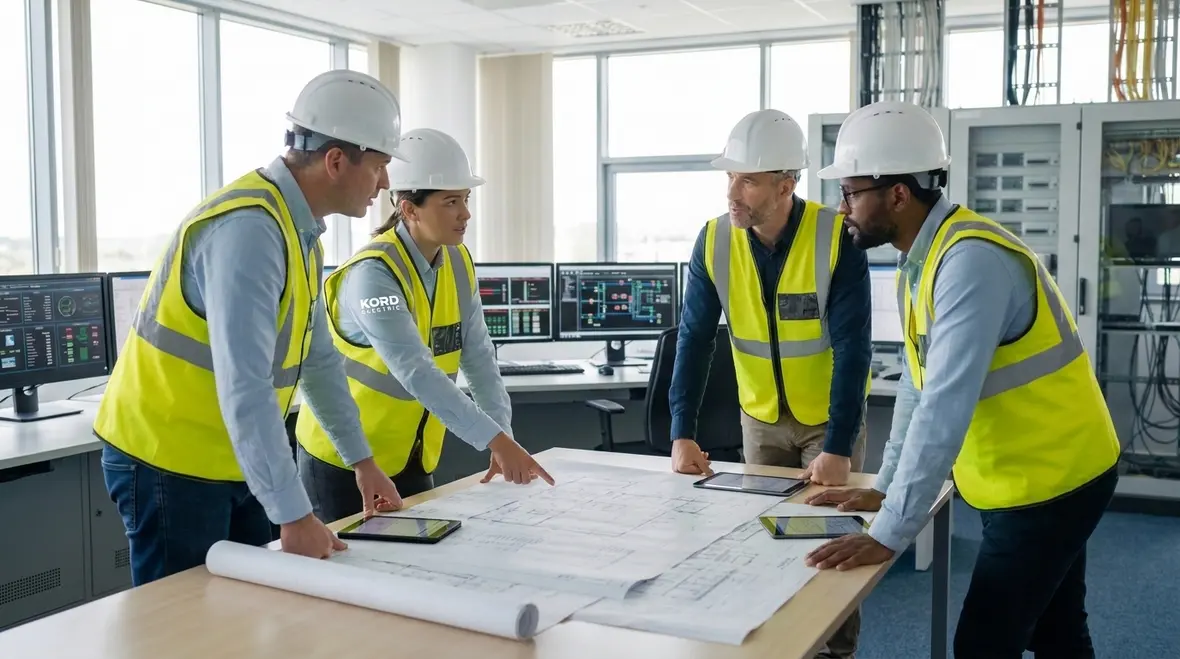
When our technicians talk about NFPA 70 Section 645.25 IT engineering supervision, they do not treat it like a box on a checklist. Instead, they connect it to how a facility actually operates: how equipment fails, how teams respond, and how systems stay stable during normal operations and during faults. In many commercial and industrial settings, electrical systems support life safety, production uptime, building automation, and communications. Therefore, the NEC rules need practical interpretation, not just a line in a standard.
We also explain that NFPA 70 is not a “one size fits all” document. It includes broad requirements for general electrical installations, and it also touches specific setups where IT and control systems sit side by side with power systems. As facilities expand, they add servers, network gear, sensors, and controls. Then the risk shifts from only shock and fire to also data downtime, control loss, and unsafe behavior during abnormal events.
That is where our expert service staff becomes valuable. We show clients how supervision affects work practices. For example, we help clarify who approves changes, who verifies that systems meet required conditions, and how documentation travels with the equipment throughout its life. If you run a major property building or an industrial site, you already know: paperwork is not exciting. However, it is what keeps operations calm when trouble shows up at 2 a.m.
Where Section 645.25 fits into electrical and IT risk
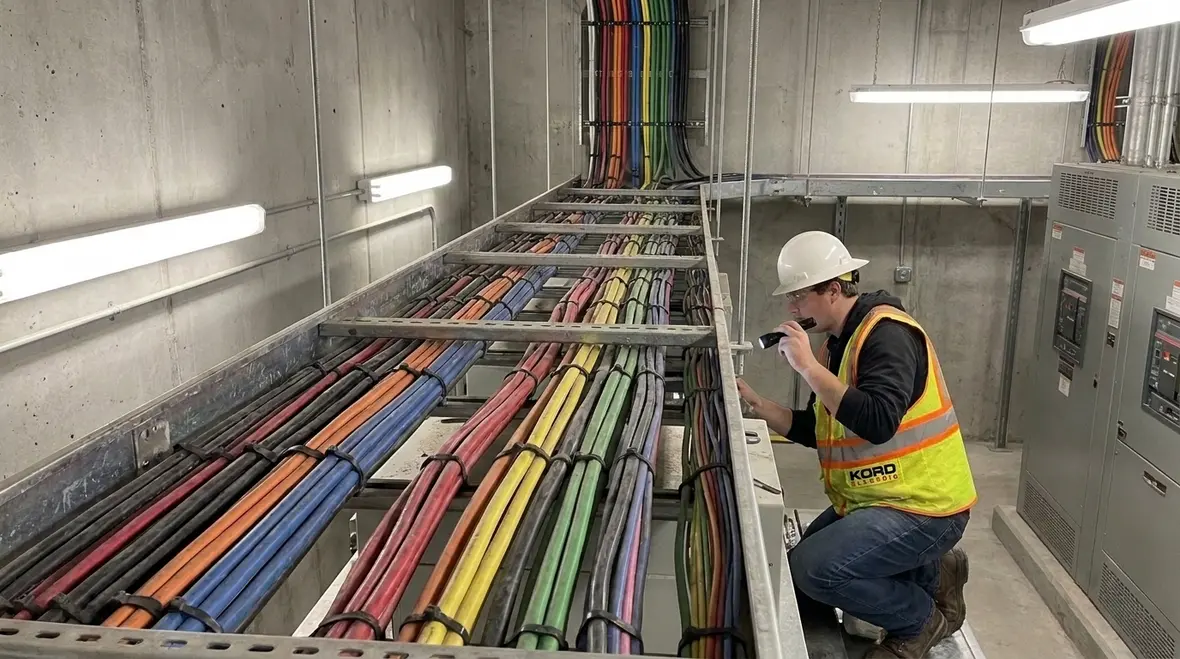
In many facilities, electrical distribution and IT equipment share spaces such as electrical rooms, server rooms, control cabinets, and structured cabling routes. Consequently, the supervision described under NFPA 70 Section 645.25 IT engineering supervision matters because it links engineering responsibility to the reality of connected systems. Our technicians explain it as a control layer for safe outcomes, especially when changes occur.
Let us walk through what this means in practice. A facility may add a new network rack, upgrade a control panel, rework cable trays, or reroute power feeds to a critical area. Each action can affect grounding, bonding, isolation, monitoring, and fault behavior. Moreover, IT connected systems can keep running while electrical conditions drift. Eventually, this mismatch can cause unstable performance, unsafe operating states, or delayed fault detection.
Then comes the role of supervision. Instead of only checking the end result, our expert service staff focuses on the entire process. We help clients ensure the people planning and approving the work understand both electrical safety requirements and the IT impact. In other words, we do not just ask, “Is the wiring in place?” We also ask, “What happens during abnormal conditions, and how do we keep the system safe and reliable?”
And since people love analogies, here is a calm one: think of supervision like a pilot in the cockpit. The autopilot matters, but the pilot still monitors the flight. Without that monitoring, even good hardware can end up in a very bad place.
How we implement NEC requirements during design, retrofits, and upgrades
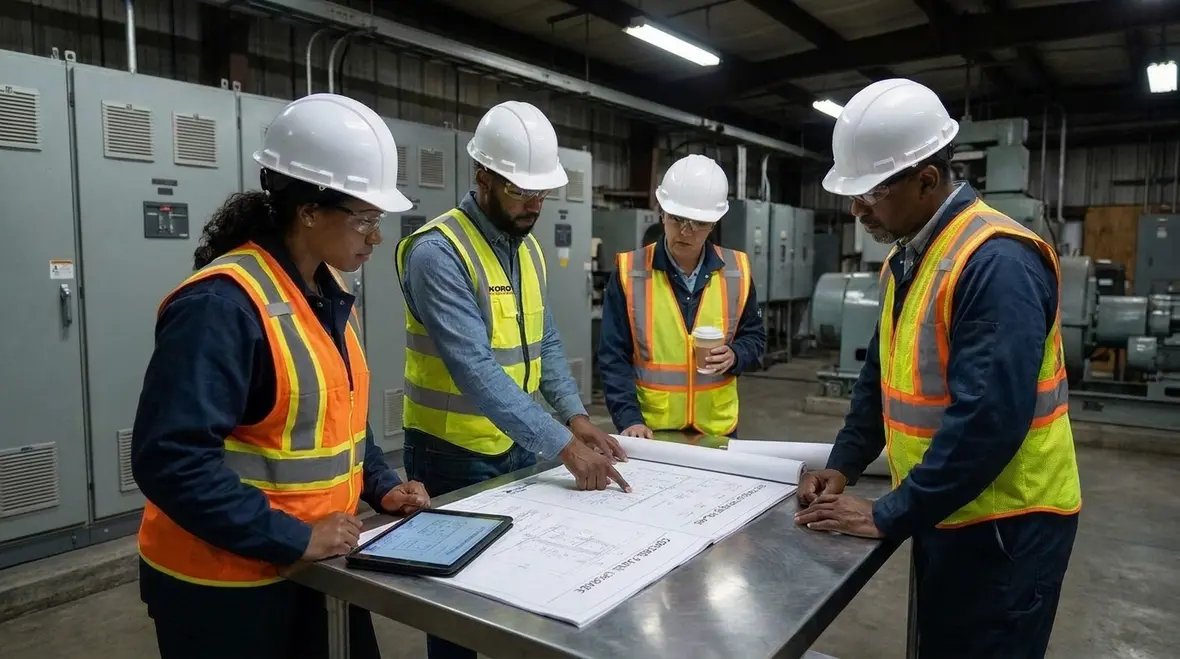
At Kord Electric, we treat NEC compliance as an engineering process. Therefore, we plan for design, installation, commissioning, and ongoing upkeep. We work with commercial and industrial clients who need predictable outcomes, clear responsibilities, and documentation that stands up to audits and operational reviews.
Our technicians start by mapping the electrical system boundaries. Then we connect those boundaries to the control and IT elements that rely on them. After that, we confirm protection strategies, grounding practices, labeling needs, and cable routing realities. In addition, we review how staff will operate and maintain the systems. A facility with trained operators and clear maintenance routines reduces risk. A facility without them increases risk. That sounds obvious, but it is easy to overlook during fast upgrades.
During retrofits, we pay close attention to how the existing system interacts with new components. For example, old switchgear, updated drives, and modern networked controls might not follow the same assumptions on isolation or fault behavior. Consequently, supervision becomes more than a concept. It becomes a workflow: who checks calculations, who verifies field conditions, who approves the final configuration, and who signs off on commissioning tests.
We also coordinate with fire protection partners when projects involve life safety systems. Kord Fire resources support this broader safety mindset. You can see how fire and electrical disciplines connect by exploring the resources at kordfire.com and the local presence at kordfire.com.au. And when water based fire protection is involved, organizations like firepumps.org remind us that reliability depends on system interfaces, not just individual components.
For facility owners and managers who want a deeper primer on how these rules connect, Kord Electric also shares broader code guidance in our resource Understanding NFPA 70: The National Electrical Code Explained For 2026, which helps teams see how article level requirements tie back to overall safety, reliability, and inspection outcomes.
Documentation, verification, and supervision that keeps systems steady

Clients often assume that once we install equipment, our work ends. However, NEC compliance and safe operation depend on verification and traceable documentation. Our technicians explain that supervision in NEC terms includes ensuring the work stays aligned with the intent of the code during planning and execution. Meanwhile, it also includes confirming that field conditions match the design.
We typically focus on three layers.
- Process documentation: we help capture design intent, equipment lists, approvals, and change records so the facility does not lose the “why” behind decisions.
- Verification steps: we assist with acceptance testing, inspection checkpoints, and verification of protective measures.
- Maintenance guidance: we help clients build practical upkeep routines that match how the site runs day to day.
To make this clearer for operators and facility managers, we sometimes present documentation and verification as a simple two column map.
| What we track | Why it matters on site |
| Supervision responsibilities | It prevents unsafe changes by ensuring qualified oversight |
| Field verification results | It proves the installed work matches the intended safety design |
| Commissioning outcomes | It confirms systems behave correctly before handoff |
And yes, we get it. Documentation feels like paperwork wearing a hard hat. Still, when operations need to troubleshoot quickly, good records save time and prevent repeated errors.
Common mistakes we see on major property buildings
In commercial and industrial environments, mistakes usually do not start with obvious bad intent. Instead, they start with time pressure, unclear ownership, or teams working in parallel without a single supervision thread. Our expert service staff regularly sees recurring issues, and we address them early.
First, people assume that electrical work near IT spaces is “low risk.” Then they schedule a quick installation without aligning IT needs with electrical protective measures. The result can be unexpected downtime, unstable control behavior, or difficult troubleshooting. Second, teams sometimes change labeling, cabinet layouts, or cable routing without updating documentation. That turns future maintenance into guesswork, which is never a good strategy in a facility that runs on uptime.
Third, facilities sometimes fail to define who has authority to approve changes that affect connected systems. When that boundary is unclear, different contractors may interpret requirements differently. Therefore, we help clients set clear supervision and approval roles. We do this so the facility does not end up with mismatched assumptions across disciplines.
Finally, we see projects where commissioning testing focuses only on basic function. However, connected systems require attention to how they behave under abnormal conditions. Our technicians work to ensure verification supports safe and stable behavior, not only “it turns on.” If a system only passes the “turn on” test, it is like a fire drill that only checks whether the alarm makes noise. That is helpful, but it is not the full job.
Featured FAQ for NEC compliance and IT supervision
Facility leaders and IT teams ask similar questions when they first hear about NFPA 70 Section 645.25 IT engineering supervision. To keep those answers structured, we organize them into a simple reference that helps owners, managers, and integrators understand what qualified oversight really looks like in the field.
Choose Kord Electric for controlled, code aware electrical work
If your facility faces upgrades, new connected systems, or a retrofit that touches power and controls, we can help you move with confidence. Kord Electric works with commercial and industrial teams to align electrical installation practices with NEC expectations, including the NFPA 70 Section 645.25 IT engineering supervision concept of qualified oversight. Contact us to review your scope, clarify responsibilities, and build a verification plan your operations team can trust. We bring steady hands, clear documentation, and calm execution, so your site stays reliable.
For facility owners planning broader modernizations across Southern California, our Los Angeles County electrical services support end to end commercial and industrial projects, from new construction power distribution to emergency backup, surge protection, and coordinated upgrades that keep IT, life safety, and building systems aligned instead of competing with one another.
Whether you are refining an information technology room, expanding a data-heavy production floor, or updating a major property building, Kord Electric can integrate NFPA 70 guidance, supervision workflows, and real-world troubleshooting experience into a single plan. That way, your electrical and IT infrastructure behave like a coordinated system, not separate projects sharing the same room.


