
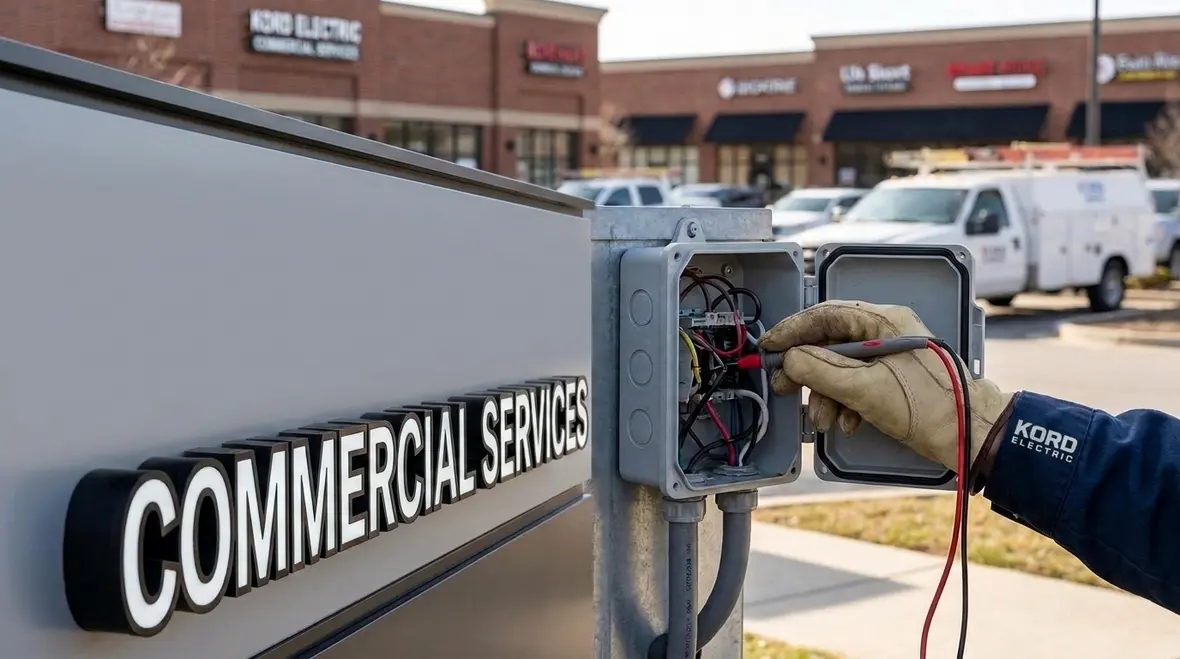
NFPA 70 Section 647.1 Electric Sign Scope Explained
NFPA 70 Section 647.1 electric sign scope and what it means for commercial buildings
At Kord Electric, we work on commercial and industrial facilities, major property buildings, and the electrical systems that keep them operating day after day. To do that well, we start with clear rules. In the NFPA 70 Section 647.1 electric sign scope, the code sets boundaries for electric sign installations and related wiring and equipment. Even when a sign looks simple, the wiring, disconnects, clearances, and protection rules decide whether it is safe and compliant. Because if we treat signage like decoration, we end up doing emergency repairs, and nobody wants that kind of “surprise party.”
In this article, we explain how the broader National Electrical Code connects to electric signs, and how our technicians translate the requirements into safe, buildable plans. We also point out common mistakes we see in the field, and how expert service staff helps facilities avoid them. If you want a deeper primer on how the NEC behaves in real projects, you can also explore our guide on how to read NFPA 70 for commercial and industrial buildings, which shows how code language turns into wiring, equipment choices, and field checks your team can actually use.
How NFPA 70 connects with electric sign installations across facilities
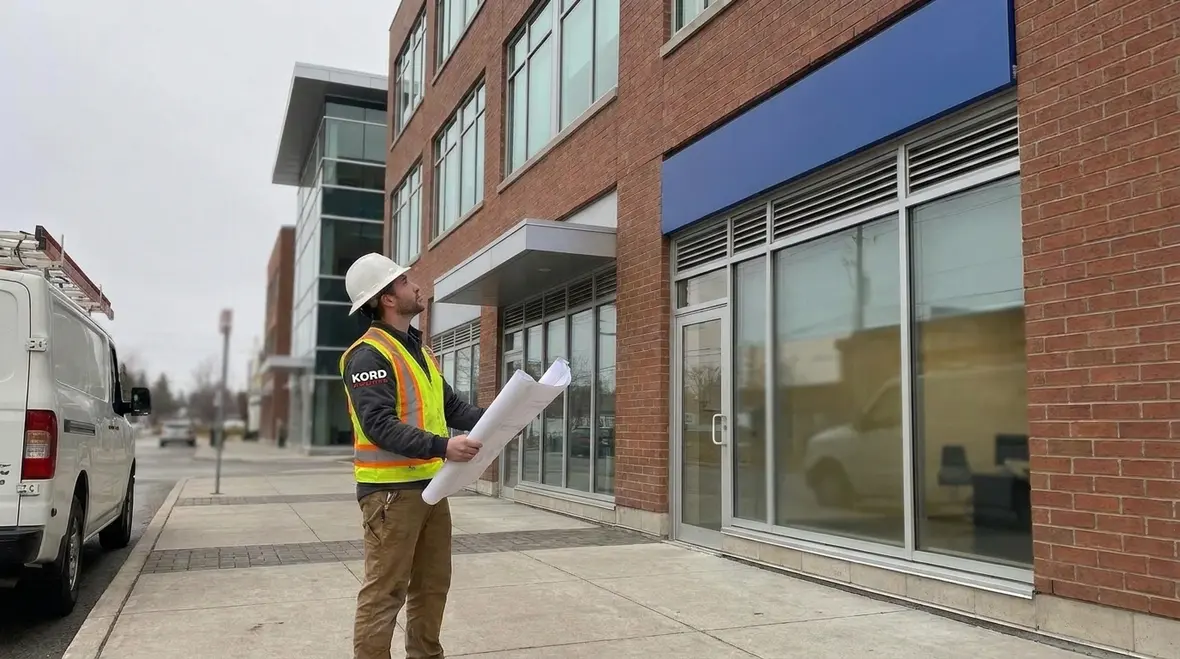
The National Electrical Code does not exist to slow projects down. Instead, it gives a tested path to prevent shock, fire spread, and unsafe operation. Electric signs often tie into the building electrical system, so electricians must consider feeder routing, grounding, overcurrent protection, and how the sign draws power over time. Consequently, the installation needs to match both the sign listing and the building’s electrical design.
Furthermore, electric signs rarely live alone. They share space with lighting controls, service disconnects, and sometimes fire alarm interfaces. Therefore, the correct approach uses the NEC requirements as a bridge between the sign equipment and the facility’s electrical infrastructure. Our technicians at Kord Electric apply that bridge carefully, and they explain the “why” behind the steps, not just the “what.” When facility teams want more context, we often point them to our broader resources on understanding the National Electrical Code in 2026, because seeing the full picture makes individual sign requirements easier to follow.
And yes, sometimes we see teams treat the sign like it is plug and play. That mindset reminds some folks of a movie scene where everything works out because someone said “I’ve got it.” In real life, we have to prove it with code-compliant wiring and testing, not movie timing and dramatic music.
Classified electrical rules you cannot ignore for sign power and protection
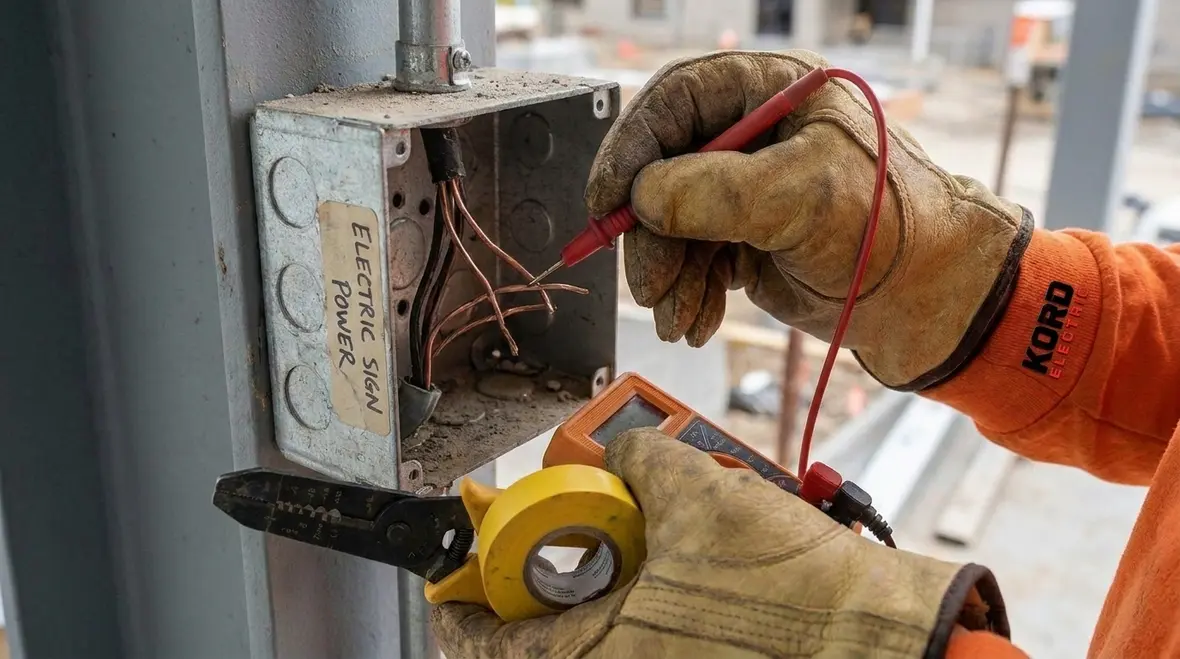
Electric signs can use different wiring methods and may involve specific mounting, separation, and enclosure practices. However, the bigger theme stays constant. A sign installation must provide reliable power delivery, safe conductor protection, and proper grounding. So we look at the full electrical chain, from source to device.
In practice, our expert service staff checks how the sign gets fed, how the conductors connect, and how the install handles heat and moisture where the sign sits. Then, we verify that protection devices match the load profile. If the facility uses time clocks, photo controls, or low voltage controls, we also confirm that control wiring does not get mixed into power pathways in a way that violates code intent.
To make this easier, we follow a consistent field method. First, our technicians review the sign documentation and the facility one line. Next, we plan routing that keeps conductors protected. Then we confirm terminations, strain relief, and grounding continuity. Finally, we document results for your maintenance team, because future troubleshooting should feel calm, not chaotic. When facilities already work with us on broader commercial electrical system planning, we integrate sign power design into the same documentation set, so nothing lives off on its own island.
Dual column compliance checklist for busy project teams
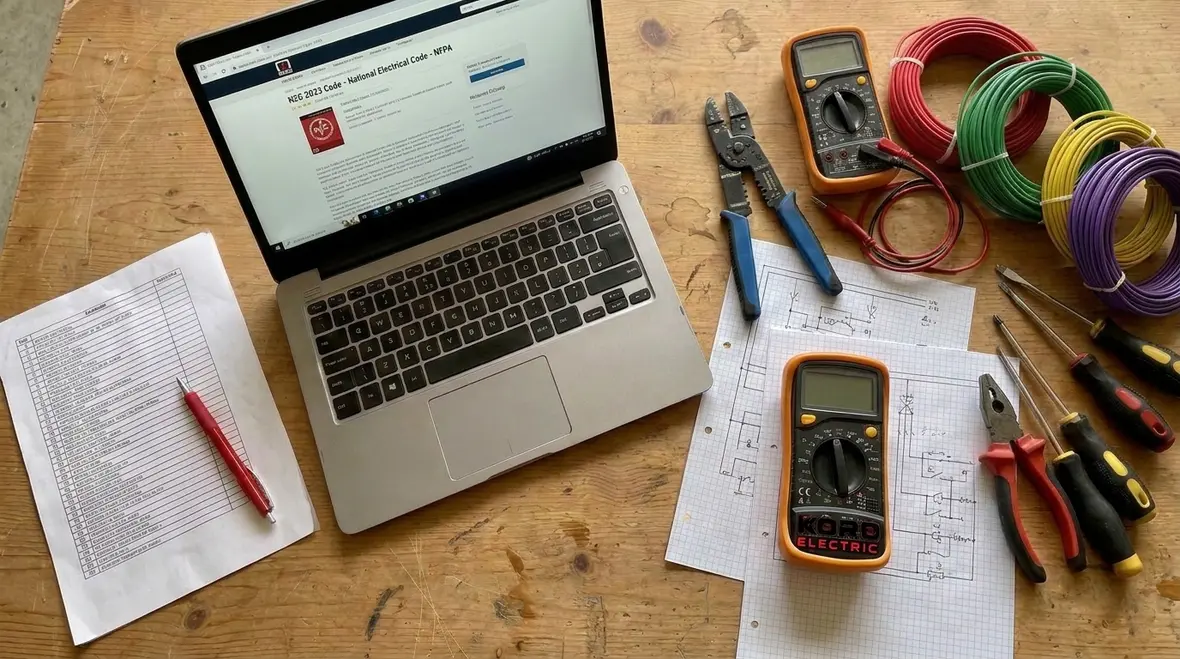
Busy teams need fast answers. So we structure our planning workflow in a practical compliance checklist. One column focuses on what we verify, and the other shows why it matters in real operation.
| What Kord Electric verifies | Why it matters for NFPA 70 sign scope |
|
Correct sign feed design and conductor sizing Proper overcurrent protection matched to load Grounding and bonding that supports safety Conduit and wiring method that fits the location |
It prevents overheating and reduces fault risk It helps protect conductors and equipment during abnormal events It limits shock hazards and supports protective device action It protects wiring from damage and environmental stress |
|
Enclosure and separation practices around equipment Terminations with solid mechanical and electrical contact Inspection readiness with documentation |
It supports safe operation and limits fire spread pathways It reduces heat buildup and future failure points It keeps inspections smooth and helps maintenance staff later |
And if you are wondering where inspections fit in, our answer is simple. We plan for them from day one. That way, the project team avoids last minute surprises that feel like someone moved the goalposts while the ball was in the air. For teams building a broader upgrade roadmap, this mindset pairs naturally with structured electrical infrastructure planning, so sign work does not become an isolated compliance scramble at the end of a project.
Common sign installation mistakes we see in property work
Even with good intentions, facilities run into recurring issues. For example, some installations use wiring paths that make sense during construction but fail during long term operation, especially when the environment changes. In addition, teams sometimes skip careful grounding checks. Then, when a protective device trips, nobody can tell if it was a true fault or a problem created by loose connections.
We also see miscommunication between general contractors, sign vendors, and electrical trade partners. So we help coordinate the details. Our technicians explain requirements in plain language, and they document what they do so others can maintain the system confidently. Meanwhile, we make sure the sign equipment connects the right way to the building power system.
Another common mistake involves control interfaces. When controls share raceways or get bundled without the right separation, the facility can experience nuisance trips or unreliable performance. Therefore, we treat control and power as different jobs that must work together with the right boundaries.
At Kord Electric, we keep our work focused on commercial and industrial facilities and major property buildings. That focus means we know the patterns that show up in large, active sites, and we plan for downtime limits. Because in a real building, you cannot just shut off the lights and go for lunch. Instead, we phase work the way we would on any commercial electrical modernization project: around your operations, your tenants, and the timelines that keep the building profitable.
Fire and electrical safety coordination for major buildings
When electric signs link into the life safety environment, the facility benefits from coordination. The National Electrical Code supports electrical safety, while other requirements focus on fire alarm behavior, smoke management, and emergency operations. Consequently, the sign installation must not create unsafe interactions.
In our work, we align sign power design with the facility’s overall safety approach. We also follow the same mindset you see in well run fire and pump system organizations, where safe operation comes from tight integration. For example, organizations like Firepumps focus on reliable life safety and system readiness, and that same reliability mindset matters for signs and emergency related signage. We do not just install equipment and walk away. We help ensure it stays dependable.
At the same time, we recognize that facilities operate in the real world. Weather exposure, cleaning practices, and vibration all play a role. Therefore, our technicians pay attention to how equipment is installed, protected, and maintained after turnover. When our team supports broader power reliability planning for a site, electric sign circuits become part of the same resilience picture instead of a bolt-on afterthought.
Why expert technicians matter when code details get specific
Code language can sound dry, but the field outcomes matter. That is where expert service staff makes a difference. Our technicians understand how the NFPA 70 Section 647.1 electric sign scope connects to the rest of the electrical code and to how buildings actually receive power. They also know what inspectors look for, and how to build a system that passes review without cutting corners.
Additionally, we explain requirements in a way the facility team can use later. When a maintenance manager knows what was installed and why, troubleshooting becomes faster. Instead of “let’s guess,” you get structured checks. And if you ever heard the phrase “follow the process,” you already know it is not exciting. However, it is the difference between smooth operations and repeated callouts.
Some folks chase speed. We chase safety and compliance that lasts, because commercial and industrial sites cannot afford repeated failures. Our approach stays business casual, but our standards stay strict. That includes aligning sign work with the same NFPA 70 strategies we use when we modernize building power systems, plan emergency backup, or consult on electrical code upgrades, so your project feels like one coherent plan instead of a stack of separate tasks.
FAQ
Ready for a code driven electric sign plan?
If your facility includes electric signage, we can help you design the electrical path that stays safe, compliant, and dependable. Kord Electric serves commercial and industrial facilities and major property buildings, and our technicians translate NEC requirements into practical install steps your team can trust. Next, we review your project needs, coordinate details, and document the work for smooth inspections and easier maintenance later. Reach out to us and let’s make your signage installation boring in the best way: predictable, safe, and ready to perform.
For facilities across Southern California, our Los Angeles County electrical services cover the broader commercial power needs that surround electric signage, from panel work and distribution upgrades to maintenance, troubleshooting, and reliability planning. When your sign project connects into that bigger picture, the result is a cleaner design, fewer change orders, and a smoother path through inspection.
If you also want to see how NFPA 70 shapes other building systems, you can explore our related Kord Electric blog resources on understanding the National Electrical Code for 2026 and practical guides to reading NFPA 70. Together, they give facility teams a clear, calm way to navigate code, connect it to real equipment, and keep projects moving without turning every upgrade into a high-stress guessing game.
When you are ready, our technicians can walk your site, review existing sign circuits, and outline a path that aligns NFPA 70 Section 647.1 electric sign scope with your real-world operating constraints. From the first sketch to final testing, we keep communication straightforward and the work tightly coordinated so your signage becomes one more reliable part of a well run electrical system.


