
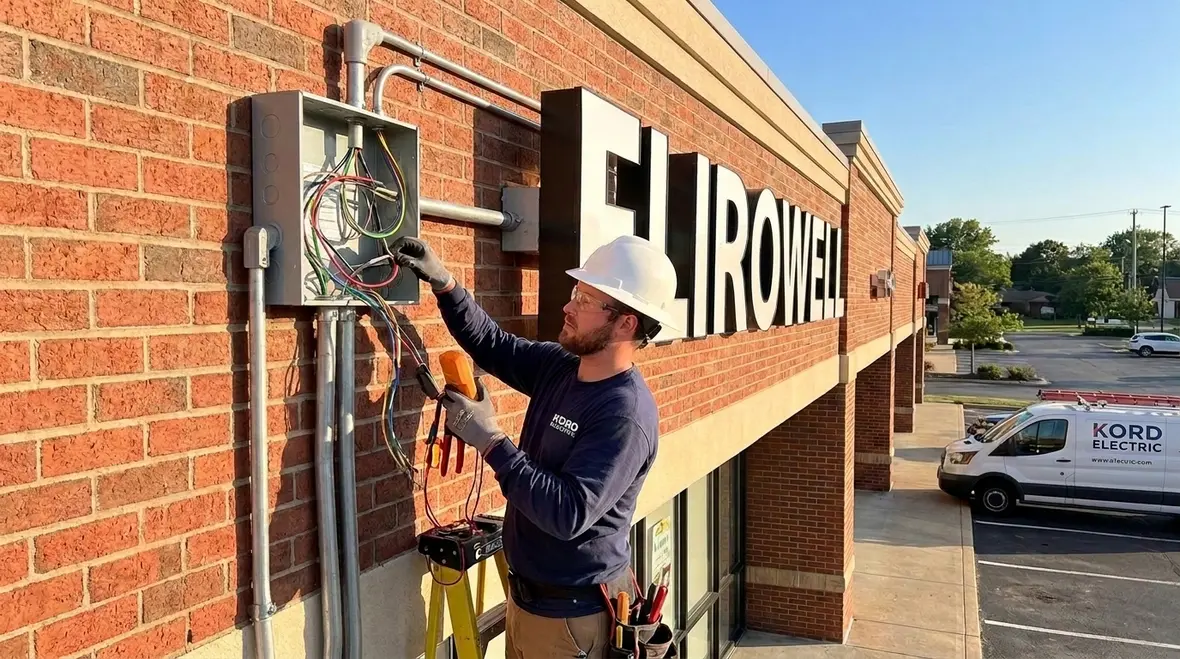
NFPA 70 Section 647.5 Sign Wiring Methods for Code
In this guide, Kord Electric focuses on the practical meaning of NFPA 70 Section 647.5 sign wiring methods, especially for commercial and industrial facilities and major property buildings where safety, uptime, and code compliance matter. First, we explain what sign wiring must do in real installs, then we connect it to the broader electrical rules found in the National Electrical Code, or NEC. After all, nobody wants a “mystery wire” behind a storefront sign like it is a horror movie sequel. And while the sign may look simple, the wiring method decisions shape how the system behaves during faults, weather exposure, and maintenance.
In addition, our technicians and expert service staff walk you through the “why,” not just the “what.” That means we help others avoid guesswork, because guesswork is great for trivia night, but it is not great for inspectors.
NEC basics for sign circuits in commercial buildings
When a facility places signs on walls, canopies, towers, or building fronts, the electrical system must follow the NEC. Importantly, the NEC does not treat sign wiring like a casual afterthought. Instead, it sets rules that support safe installation, proper materials, and correct routing. As a result, sign circuits often involve specific wiring methods, support requirements, and protection strategies.
At Kord Electric, we help facility managers and owners understand that signs can be part of life safety, brand visibility, and emergency operations. Then again, some people think signs only need power and a switch. We say this gently, but seriously: signs need engineering attention, because signs fail in ways that can disrupt operations.
Moreover, commercial and industrial buildings face harsh realities. Cables move through ceilings with other utilities, systems sit near moisture sources, and maintenance crews must access components safely. Therefore, the NEC approach pushes installers to select wiring methods that resist damage and support long service life.
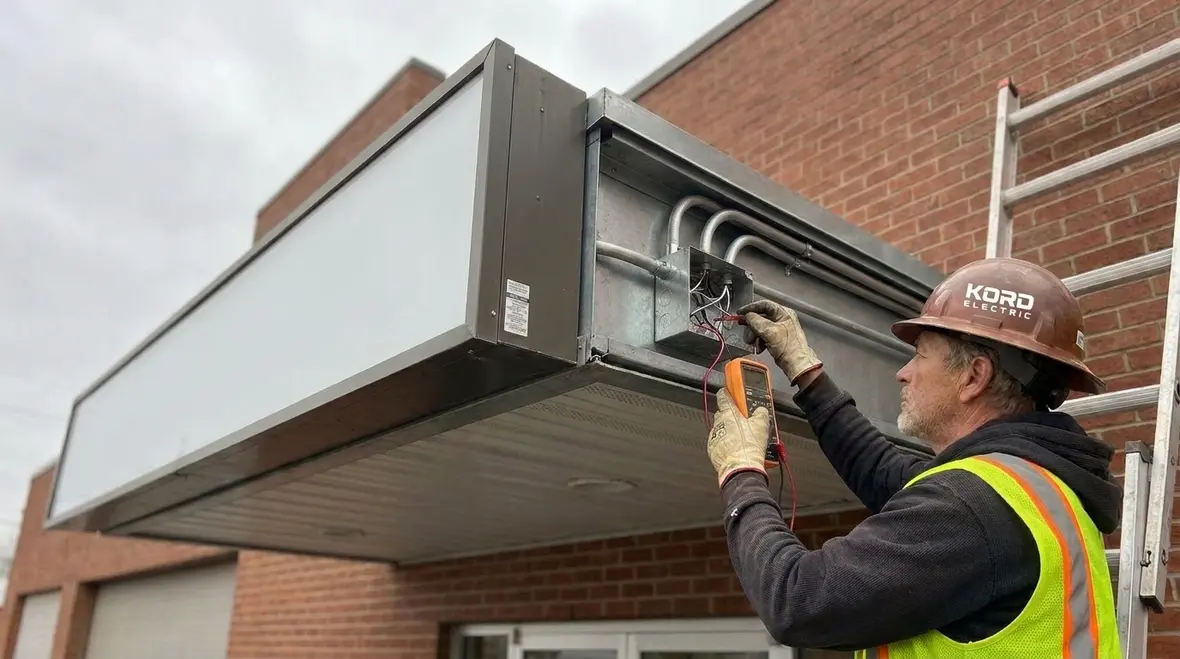
NFPA 70 Section 647.5 sign wiring methods: what the code expects
Under NFPA 70 Section 647.5, the NEC focuses on sign wiring methods that fit the conditions where signs operate. However, the exact method depends on the sign type, mounting location, and the environment. As you read the rule, you see a clear theme. The code wants wiring methods that keep conductors protected and installations dependable.
To put it simply, our technicians treat Section 647.5 as a checklist for real-world risk. For example, if a sign receives moisture, dust, heat, or physical contact risk, then the wiring method must address that exposure. If the sign is outdoors, then weather resistance becomes critical. If the sign sits in a place where maintenance touches equipment, physical protection matters too.
And yes, we also remind teams that compliance avoids avoidable rework. In many projects, installers pick “whatever cable is in the van.” Then inspectors show up, and suddenly the van inventory becomes a scheduling problem. That is why we map the wiring method choices early, before materials arrive on site.
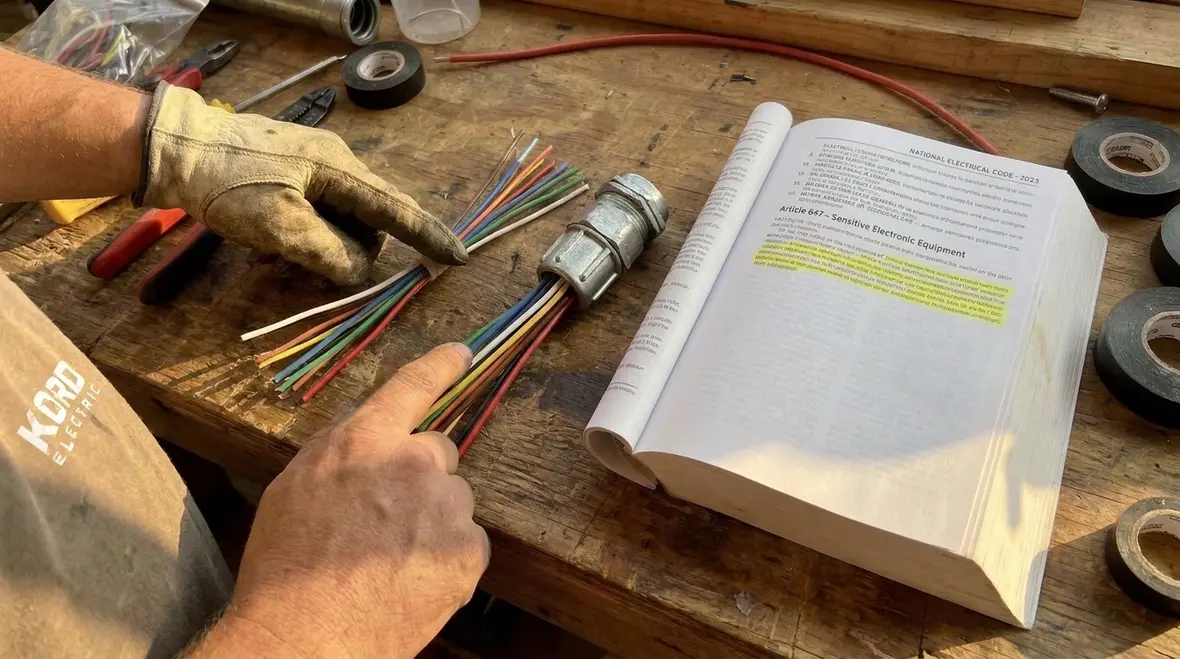
How we choose a wiring method for sign installations
When we plan sign circuits, we consider the sign location, the building electrical system, and how people will service the sign. Then we select a wiring approach that matches the installation conditions. Because sign wiring runs through spaces that can include raceways, conduits, cable trays, or other routing paths, we coordinate the method with the rest of the facility layout.
Next, we verify conductor ampacity and insulation suitability. While the sign may draw modest load, the wiring still must support safe current carrying and withstand heat and stress. Additionally, we ensure the wiring method helps maintain clearances and prevents damage from sharp edges or construction traffic.
At Kord Electric, we also plan for termination quality. Good wiring method selection fails if terminations loosen, corrode, or get exposed to water. Therefore, we use proper boxes, fittings, and sealing where needed, and we label and document connections so others can service the system without guessing.
Finally, we account for how a facility operates. For commercial tenants and major property buildings, systems must support ongoing business hours. As a result, we schedule and stage sign electrical work to reduce downtime. And if a sign replacement happens later, the installed wiring method should make that future service safer and faster.
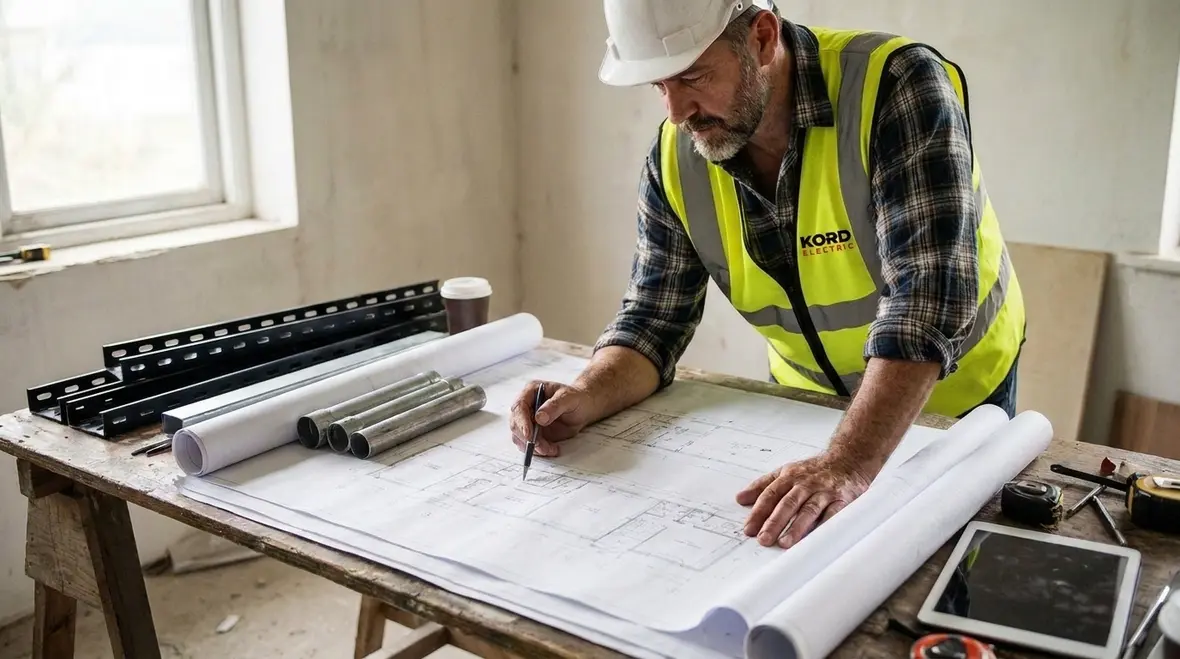
Common compliance mistakes in sign wiring, and how we prevent them
Many issues start small. For instance, teams may select wiring materials that look similar but do not match the installation environment. Then the system performs fine for a while, and later it fails when moisture or vibration does its slow work. That is why we stress correct wiring method selection and installation discipline.
Another frequent mistake involves routing. People sometimes bypass the right path and run conductors where they will be pinched, abraded, or exposed. Over time, this creates insulation damage that can lead to nuisance faults or worse. Therefore, we route with clear protection, use proper supports, and maintain separation from hazards.
Also, termination errors matter. A sign circuit depends on stable connections. If others use the wrong connector, skip torque checks, or ignore corrosion risk, the wiring method loses its purpose. Our expert service staff checks termination points, verifies conductor identification, and confirms that equipment grounding paths remain correct.
Finally, we see problems when teams ignore documentation. When a facility later requests troubleshooting, the absence of drawings and labels turns a repair into a search. So we provide project notes and keep wiring details consistent with the field installation.
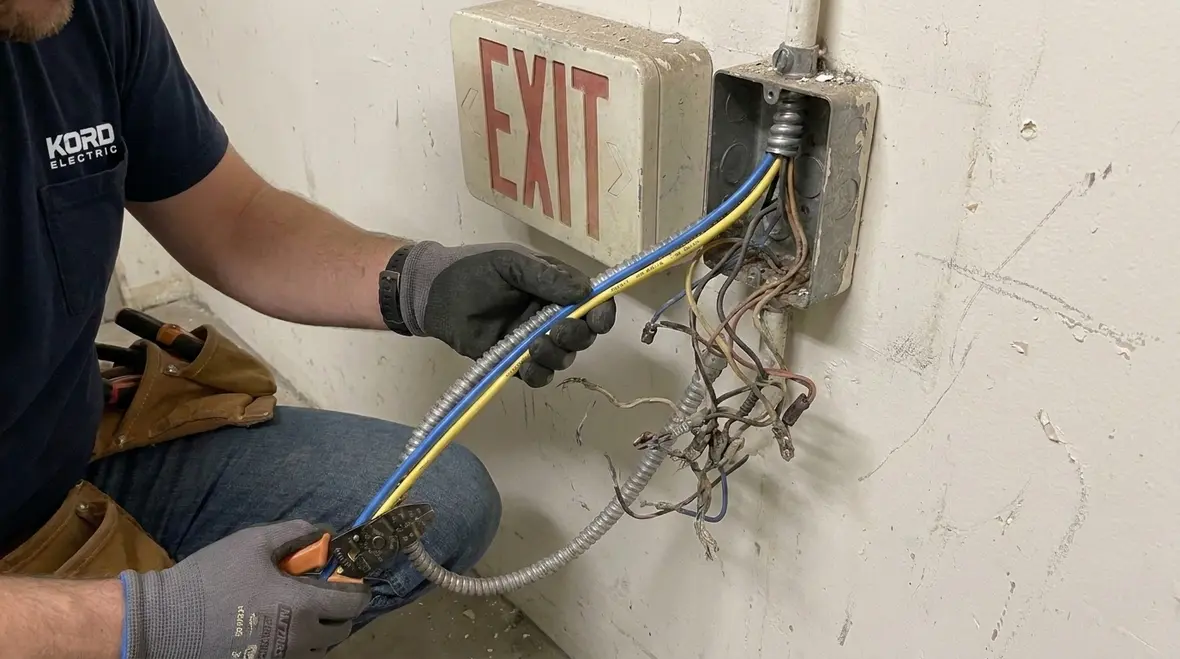
Coordination with fire and life safety teams for major properties
Commercial and industrial facilities often include fire alarm systems, emergency power systems, and life safety devices. Even when a sign circuit is not itself a life safety device, the facility environment and safety planning still connect the dots. This is where coordination pays off.
For example, when a building uses fire related infrastructure, others must align sign wiring work with the fire plan, device locations, and any pathway protections. That helps prevent conflicts during inspections and reduces the chance of future rework. We coordinate with relevant trade partners and facility safety staff so sign installations do not interrupt critical pathways.
In practice, our work also matches how other organizations approach code compliance. Links like this NEC overview highlight why NEC rules and installation thinking matter. We apply the intent of those guidelines to sign circuits in the field, not just on paper. And since facilities may also use related resources such as fire pump guidance, we treat overall electrical safety as a connected system.
If you operate major property buildings, you already know that schedule pressure is real. So we handle sign wiring in a way that supports facility timelines and inspection realities. No theatrics, no “trust me” connections, just solid work that holds up.
Materials, testing, and inspection readiness for sign circuits
After we select the wiring method, we move into installation and verification. First, we confirm that materials match the rated environment and the design plan. Then we ensure that conduits, fittings, boxes, and sealing practices fit the space conditions. Because sign circuits can sit in public-facing areas, we keep workmanship clean and durable.
Next, we test and verify. This includes continuity checks, insulation resistance where appropriate, polarity verification, and functional checks for the sign control and power distribution. We also confirm correct grounding paths. As we work, we document results so others can understand what we did and why.
Then we prepare for inspection. Inspectors want to see an installation that aligns with NEC expectations and installation practices. Therefore, we keep labeling clear, ensure accessibility where required, and verify that the wiring method supports the sign location conditions. In our experience, well organized installations reduce back-and-forth. And that means less time waiting and more time operating.
For teams seeking broader guidance on code updates, you may find context in our own published materials, such as our NEC 2026 explainer. We keep this information practical, so it helps others make decisions before work starts.
Service delivery that keeps commercial operations moving
Kord Electric serves commercial and industrial facilities and major property buildings. We do not treat sign work like a side quest. Instead, we plan to keep operations stable, minimize disruptions, and deliver a wiring installation that meets code intent.
Our technicians and expert service staff explain the steps as we go. That means facility leaders understand the wiring method decisions, the verification results, and what to expect during inspection. And when something needs correction, we communicate clearly and fix it fast.
Also, we know some clients want faster answers than a call center. So we review field conditions together, then we propose a compliant path. If you want to explore how our teams think about electrical and safety systems, you can review related resources across Kord Fire, including Kord Fire AU and our broader fire related coverage at kordfire.com. We use those insights to support coordinated safety outcomes, especially in complex buildings.
For facility teams that want sign wiring to align with their broader electrical strategy, we also connect projects to regional support through our Los Angeles County electrical services for commercial and industrial properties. That way, NFPA 70 Section 647.5 sign wiring methods, panel work, distribution upgrades, and emergency support all pull in the same direction.
FAQ
Ready for code aligned sign wiring? Call Kord Electric
When you plan sign electrical work for a commercial or industrial building, you need wiring method decisions that hold up to reality, not just drawings. Kord Electric brings expert technicians, clear communication, and verification testing that helps keep inspections smooth. If you want NFPA 70 Section 647.5 sign wiring methods handled correctly from the start, contact us for an assessment and a practical plan. Let us help your signs look sharp and your wiring stay safe.
To see how sign wiring can fit into a larger electrical strategy for your facility, you can also review our broader planning approach in resources such as our design and reliability guides and our dedicated Los Angeles County electrical services overview. When these pieces connect, your signs become part of a stable, code-aligned power system instead of a separate, fragile add-on.


