

NFPA 70 Section 668.10 Plating Cell Working Zone Safety
In the NFPA 70 Section 668.10 plating cell working zone, safe electrical work does not happen by luck. It happens by clear rules, careful planning, and trained people on site. At Kord Electric, we explain these requirements in plain language for commercial and industrial facilities and major property buildings, because the stakes are never small. And yes, we know nobody wants to read codes after a long day. Still, our expert service staff would rather you laugh at a joke now than pay for a preventable issue later. Think of this as the calm voice before the storm, not the storm itself.
Why NFPA 70 still matters for industrial electrical safety
Most people hear NFPA 70 and think it is a big book full of rules that live in the dark corners of engineering offices. However, we treat it like a practical playbook for real sites. For plating lines, metal finishing rooms, and other process spaces, electrical hazards can show up in ways that surprise people who only focus on “normal” wiring. Therefore, we connect code intent to daily work: how electricians route conductors, how equipment is grounded, and how live parts are kept out of reach.
In addition, NFPA 70 gets updated, and facilities have to align their standards with newer editions. That matters because industrial risks evolve. For example, a process area that once used simpler controls might now use variable speed drives, sensors, and networked systems. Consequently, the same electrical room can look familiar but behave differently from a safety standpoint.
Our technicians and expert service staff walk crews through the “why” behind the rules. They do not just recite requirements. They show how the NFPA 70 Section 668.10 plating cell working zone concept fits into the overall safety strategy, so teams can make the right calls when something changes on the floor. For a broader code foundation, many facility teams also review Kord Electric’s resource Understanding NFPA 70: The National Electrical Code Explained for 2026, which connects NEC rules to everyday commercial and industrial decisions.
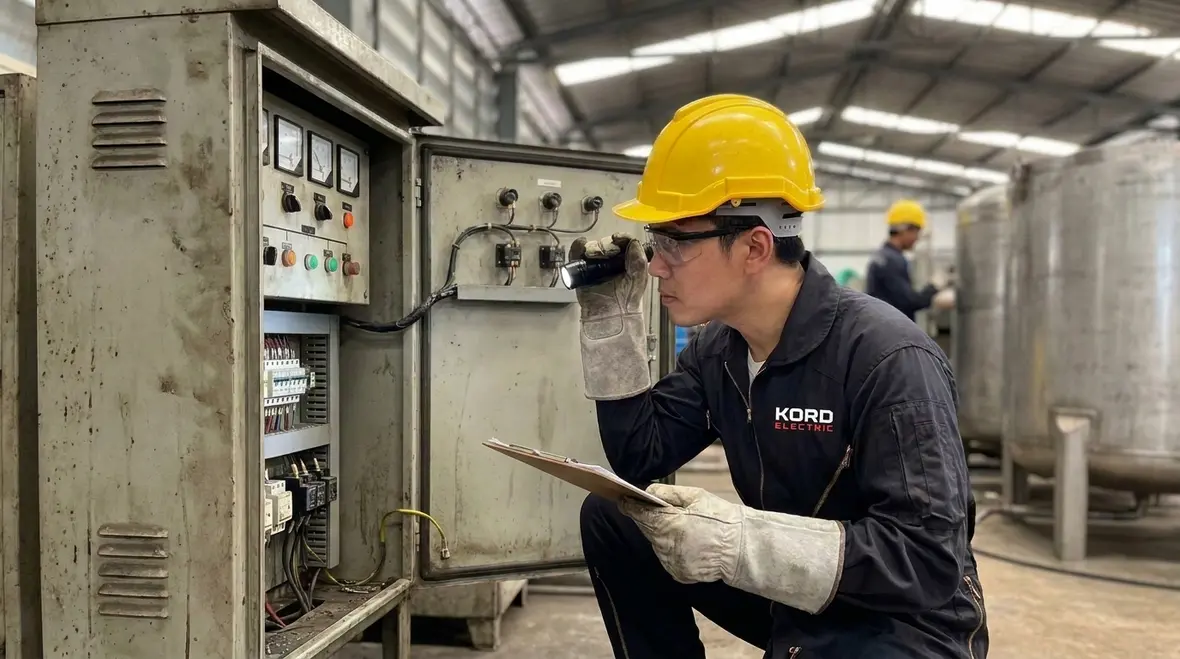
What the plating cell working zone actually means
Let us break it down carefully. The NFPA 70 Section 668.10 plating cell working zone focuses on a specific area around plating cells where electrical hazards are treated with extra seriousness. The goal is simple: reduce the chance that workers contact energized parts, exposed metal, or unsafe wiring conditions while they are performing tasks near the plating process.
Now, the word “zone” can sound abstract. Still, in real life, it becomes a defined space that influences how equipment gets installed, how conductors get managed, and how access gets controlled. As a result, contractors and facility managers must plan for that space before work begins. If you wait until the last minute, you will end up with hurried cable runs, unclear boundaries, and decisions that look like they were made during a TV timeout.
Our team helps commercial and industrial clients map the practical boundaries and then align them with the design and installation approach. Then, we verify details during commissioning, because code compliance does not end at the checklist stage.
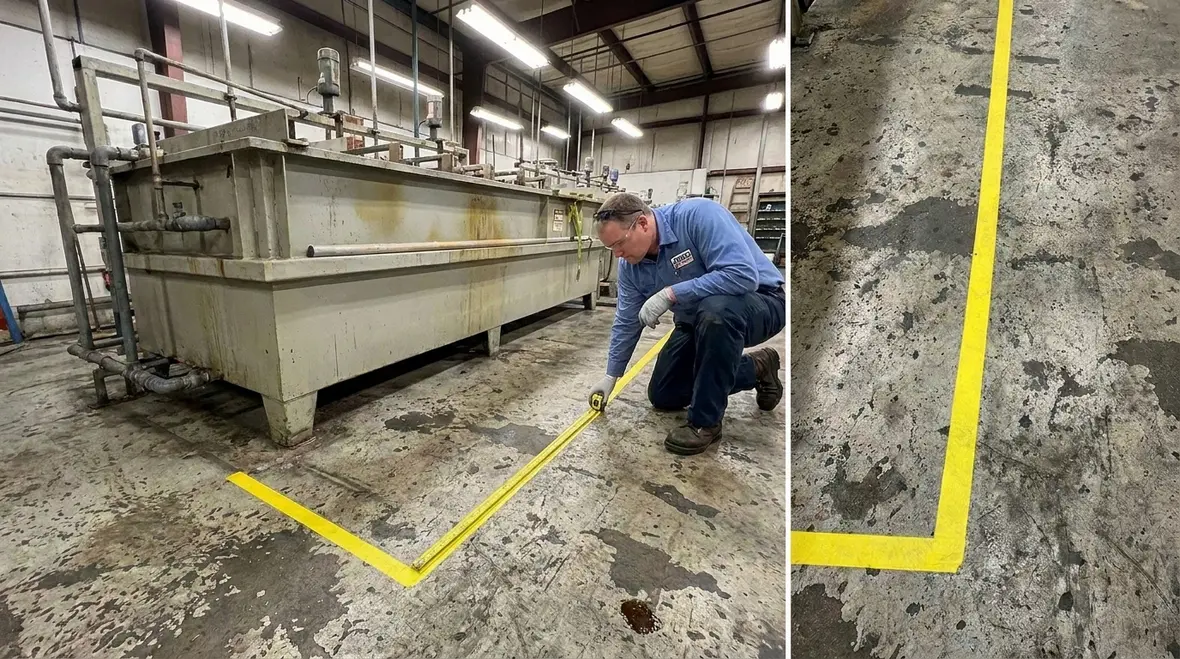
How we apply safe electrical design in process areas
When we work around plating cells, we treat the electrical system as part of the whole process. That means we plan beyond a junction box and we look at bonding, isolation, and protection methods that keep risk under control. We also consider how technicians move through the area, because safety depends on real behavior, not just drawings.
First, we focus on equipment layout and routing. Next, we address how grounding and bonding reduce dangerous voltage differences. Then, we confirm protective devices respond fast enough for the site’s hazard profile. Finally, we check labels, access rules, and installation details that prevent accidental contact.
For example, our expert service staff often sees issues that do not look dangerous at first. A poorly supported cable can shift over time. A connector that was “close enough” can loosen. Also, corrosion and humidity can change how components behave in a process room. Therefore, we look for the small things early, so the large problems never get a chance to introduce themselves.
If you operate under the newest expectations described in recent discussions around NEC updates, you will notice a consistent theme: keep systems predictable under stress. We help you do that by using proper installation practices and by documenting what we build and why.
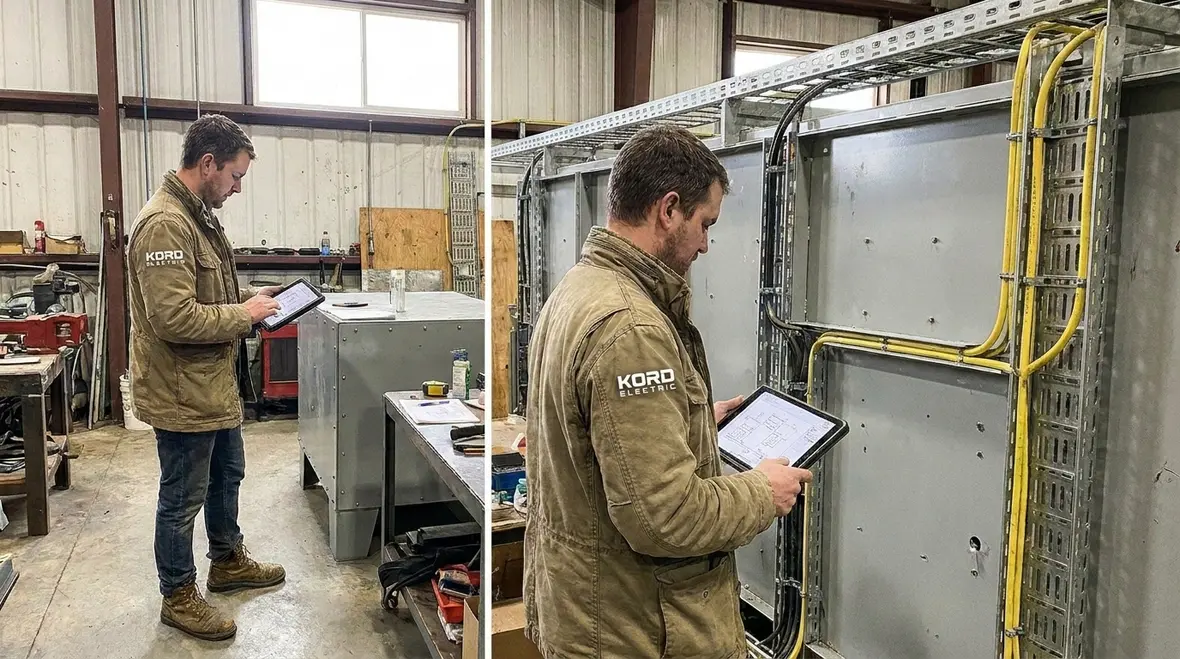
Reducing risk: inspections, testing, and ongoing site discipline
Even strong installation work can fail if maintenance turns into a guessing game. That is why we do not stop once power is on. We support ongoing discipline that keeps industrial facilities safe over time.
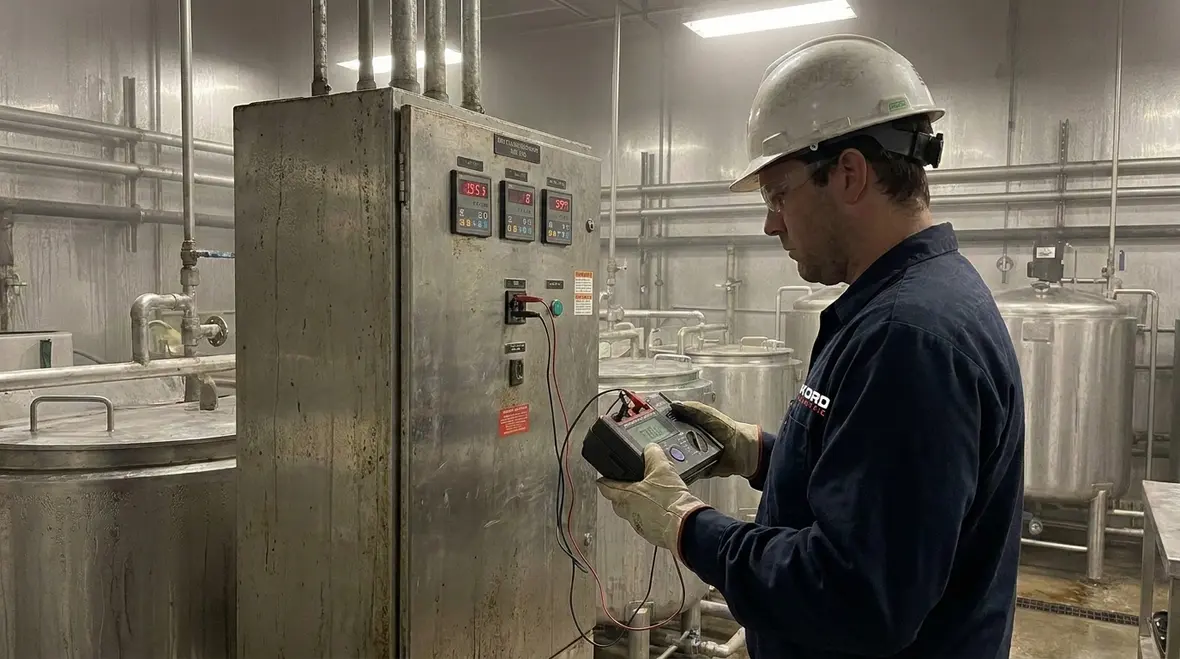
We typically approach risk reduction with a simple sequence. First, we verify that the installation matches the design intent for the plating cell working zone. Then, we perform electrical testing suited to the system type and expected fault conditions. After that, we review documentation and operation notes so facility teams understand what “normal” looks like.
Next, we help clients create a realistic inspection plan. This includes how often crews should check protective device operation, how they should verify grounding continuity, and what changes should trigger follow-up work. When people follow that plan, the facility benefits from fewer unplanned shut downs and fewer safety incidents.
We also coordinate with other trades when needed. A plating line connects electrical systems with mechanical processes, and those interfaces matter. In many cases, our technicians explain what the electrical side needs to stay safe so other teams can plan their work without “surprise modifications.” In other words, we keep the project from turning into a group chat where everyone only reads one message.
Aligning compliance across NEC references and facility standards
Compliance does not live in isolation. It interacts with your internal procedures, your equipment manuals, and your facility safety program. For that reason, we connect the NFPA 70 Section 668.10 plating cell working zone requirements to broader NEC themes like wiring methods, equipment protection, and safe work practices for industrial spaces.
When clients ask how we stay aligned, we say it straight: we treat NEC requirements as the baseline, and we adjust practical steps to fit the real layout of the building. Then we build repeatable documentation so future maintenance does not rely on memory.
If you have reviewed resources like NFPA 70 summaries and national code explainers, you may notice how often key principles repeat across editions. That pattern helps us: we can build consistent safety routines that remain useful even as details update. For larger properties, consistency reduces risk and improves response times during repairs.
Also, we understand commercial and industrial facilities do not run on ideal schedules. Shutdowns happen when they can, not when you want them. So we plan work windows, stage materials, and coordinate with operations to minimize disruption while still meeting safety expectations. When a project ties into a broader power strategy, our team can also connect it with services such as Los Angeles County electrical services, so upgrades around plating lines fit your wider electrical plan.
Real-world installation guidance from our technicians
Our expert service staff often shares what they have seen during upgrades and corrective work. Common themes show up again and again. Electrical work near process zones fails when teams ignore the space rules, when they rush cable routing, or when they treat bonding like an afterthought.
Here is how we guide installations for commercial and industrial facilities and major property buildings:
- We define access and boundaries early. We align routing and equipment placement with the plating cell working zone concept before installation begins.
- We choose wiring and support methods that hold up to the environment. We consider heat, moisture, and vibration where relevant.
- We verify bonding and grounding paths. We confirm that metal parts and equipment receive the protection they need, with no hidden gaps.
- We protect conductors where physical contact is likely. We plan for how technicians and maintenance staff move through the area.
- We document and train. We explain what we installed and how it supports safety so staff do not “relearn” everything during the next emergency.
To keep it engaging, we will tell you this: electrical safety should not feel like a scavenger hunt. The right system should feel boring in the best way, like a well-behaved appliance that does not surprise you when you turn it on. Our goal is that kind of reliability, backed by code-aligned safety design.
At a glance: zone safety, code intent, and field outcomes
Below, we summarize how we connect code concepts to what you see on site. Our intent is to make the connection obvious, so managers and maintenance teams can support safe operations without needing an engineering degree.
| Safety focus | How we handle it |
Zone clarity |
We map the plating cell working area and plan routing and access so workers do not reach into unsafe conditions. |
Protection of equipment and wiring |
We choose installation methods that resist the site environment and keep conductors supported and protected. |
Grounding and bonding integrity |
We verify continuity and proper connections so fault conditions behave as designed. |
Ongoing discipline |
We help create inspection and testing routines so compliance stays real after the project ends. |
FAQ about NEC NFPA 70 and plating cell safety
Conclusion and next step with Kord Electric
If your facility operates plating lines, metal finishing areas, or other process spaces, electrical safety needs more than a quick fix. At Kord Electric, our technicians and expert service staff help commercial and industrial teams apply NFPA 70 expectations in the plating cell working zone so systems stay safe during installs, upgrades, and ongoing maintenance. If you want us to review your current setup or plan a compliant upgrade, reach out. We will listen, explain clearly, and build a safer electrical path forward for your site, on your schedule.
For facilities that need support beyond a single project, our team can also align plating area work with broader strategies for inspections, testing, and asset planning, building on resources like our NEC-focused inspection and electrical asset management guidance. Whether you need targeted improvements at specific plating cells or a campus-wide approach to NEC compliance, we help turn code language into a practical, repeatable safety routine.


