
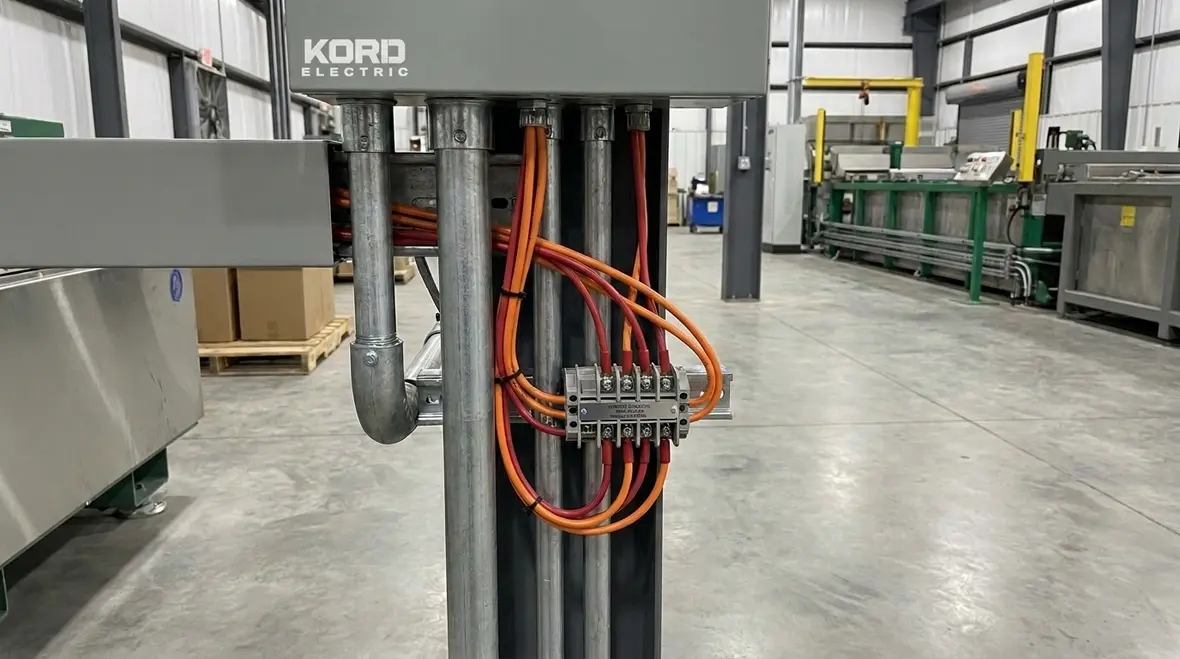
NFPA 70 Section 668.12 Plating Cell Conductors Guide
At Kord Electric, we service commercial and industrial facilities and major property buildings, and we take code compliance seriously, even when the topic sounds as exciting as a stapler demo. In this guide, we explain how NFPA 70 Section 668.12 plating cell conductors fit into the broader rules that keep electrical systems safe and dependable. Early on, we want you to know what matters: plating cell conductors play a specific role, and they must follow the right installation and protection ideas. From there, we connect the dots to the National Electrical Code and the way inspectors and engineers expect systems to be built and maintained.
We guide our customers through practical requirements, not just textbook lines. Our technicians and expert service staff explain what the code means on the jobsite, how it affects your facility, and what you should document before anyone asks for it. Now, let’s settle this once and for all, like a calm foreman in a movie scene where the hero actually reads the manual.
How NFPA 70 shapes safe electrical work in big buildings
Third party safety audits, insurance reviews, and inspection teams all share one goal: electrical systems must operate safely under normal use and under fault conditions. That is where NFPA 70, the National Electrical Code, becomes more than a reference book. It becomes a roadmap for design, installation, and maintenance practices across commercial and industrial settings. For a deeper foundation on how this code shapes everyday decisions, we also reference our broader guide Understanding NFPA 70: The National Electrical Code Explained for 2026, which connects high level rules to real projects.
As we work through upgrades, retrofits, and new builds, we see how systems fail when rules get ignored or loosely interpreted. For example, designers might pick equipment that looks fine during testing, but later the facility experiences heat, nuisance trips, or corrosion related problems. Then, the repair process turns into a “where did we go wrong?” scavenger hunt.
Furthermore, NFPA 70 is not only about preventing shock. It also targets fire risk, conductor protection, bonding and grounding practices, wiring method rules, and rules for equipment that handles special environments. In plating and process areas, conditions can be harsh, and that is why the code includes focused provisions like NFPA 70 Section 668.12 plating cell conductors. When we interpret these rules, we translate them into how your crews should route cable, size protection, and document connections.
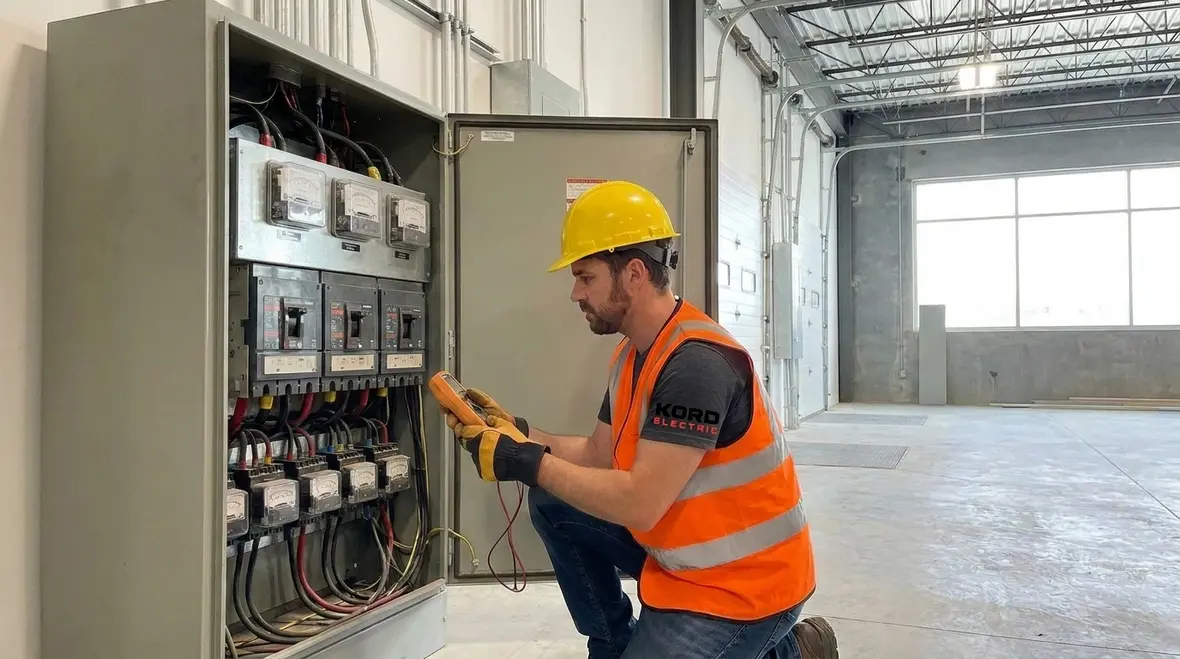
Where plating cell conductor requirements fit into system design
In facilities that use plating processes, you often deal with chemicals, moisture, and the need for stable electrical performance. Consequently, conductor selection and installation details carry higher stakes than they do in a typical office circuit. NFPA 70 Section 668.12 plating cell conductors addresses this reality by setting expectations for how these conductors should be handled within the electrical system.
We also notice a pattern. Many teams treat plating areas as “just another room.” However, process areas behave differently over time. Even when operations run smoothly, corrosion can creep in, insulation can age faster, and termination points can become stress points. Therefore, we work with our customers to plan the electrical scope like a system, not a collection of parts.
Our technicians explain this clearly on site. They will walk the perimeter of the equipment, show where routing changes happen, and point out the places that often get overlooked. Then, we help the team confirm that the installation aligns with the code intent. In practice, that means paying attention to conductor protection, physical routing, and how terminations support long service life. If you want an easy win, treat documentation as a first class deliverable, not an afterthought. Inspectors love facts. So do we.
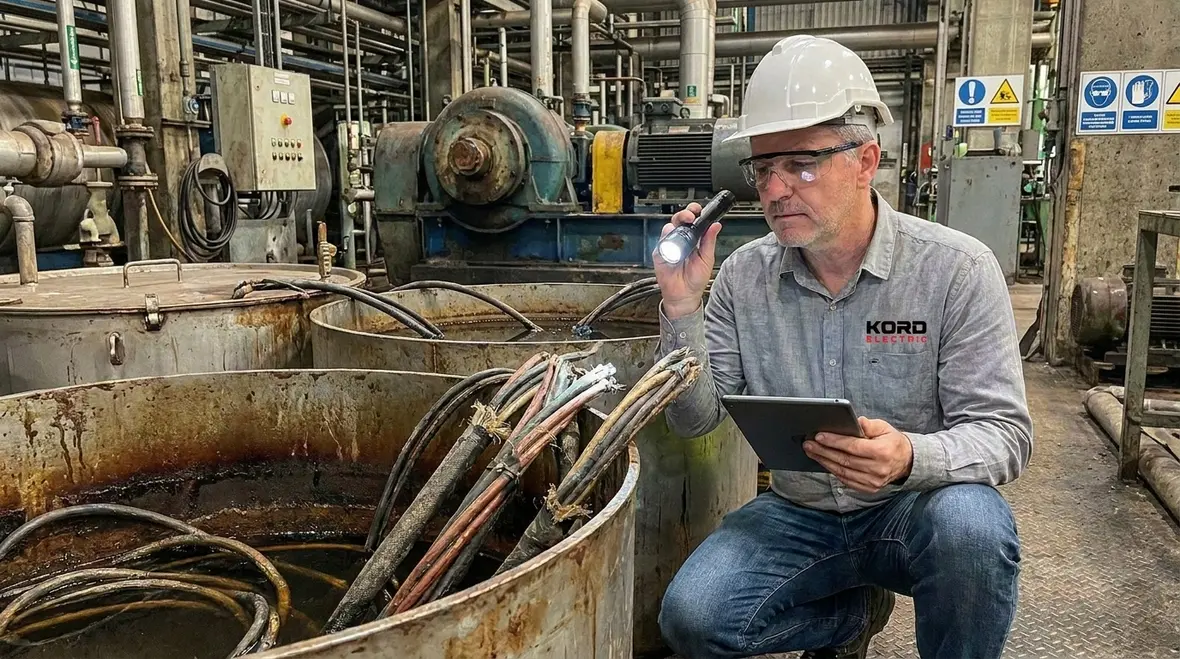
Reading the code like a professional: intent, not just lines
When people say they “read the code,” we often find they read it like a weather report. They want a quick prediction, but they miss the why. Our experts at Kord Electric focus on intent because intent is what keeps systems safe as your facility evolves.
In plain terms, the code tries to prevent three common outcomes. First, it aims to stop shock hazards when faults occur. Second, it reduces the chance of fire caused by overheating, arcing, or damaged insulation. Third, it keeps equipment stable so your process runs without surprise downtime.
Then, we connect that intent to the installation steps. For example, we check whether conductors remain protected from mechanical damage, whether the wiring method supports the environment, and whether connection points follow safe practices. Likewise, we coordinate with your teams so that modifications, labels, and as built records match what was installed. That last part matters more than people think, because the best wiring job in the world still cannot pass an inspection if nobody can explain it.
We also bring insight from the way national guidance gets discussed across the industry. Our approach aligns with the broad education shared in resources such as Kord Fire’s coverage of NFPA 70 topics and industry guidance from dedicated organizations like firepumps.org, which emphasize safety and system readiness for the long term. Meanwhile, we keep our focus on commercial and industrial buildings where documentation, testing, and clear responsibilities matter.
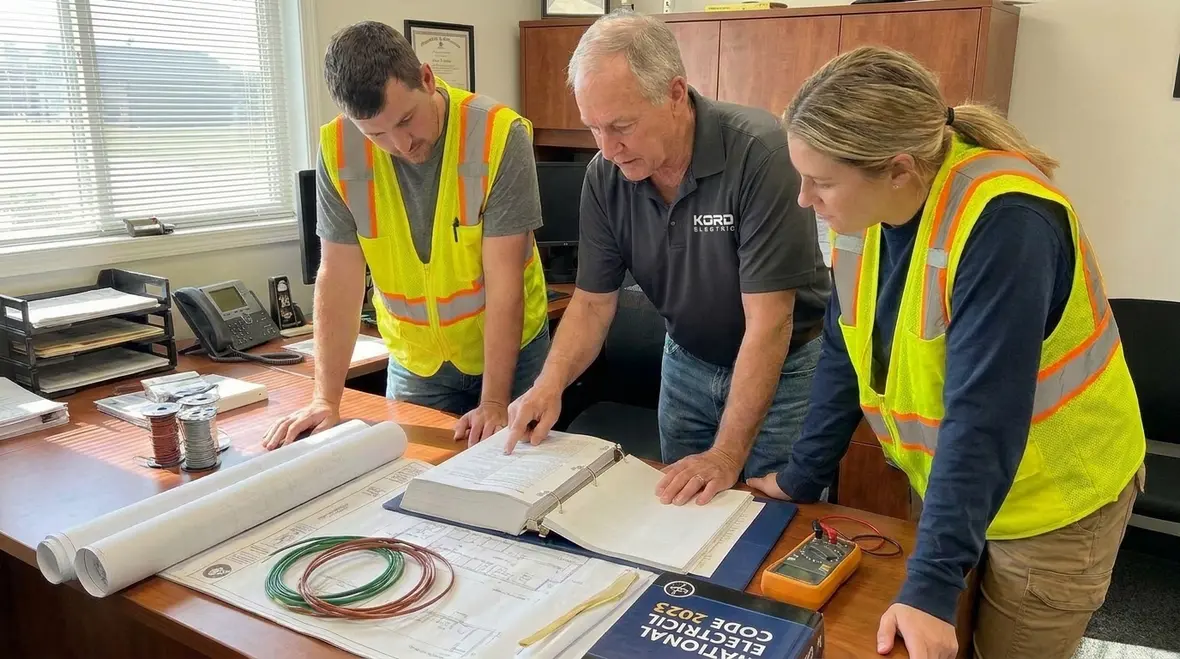
Common mistakes we see during audits and how we prevent them
Even well staffed facilities can slip when schedules get tight. Over time, we see repeat issues. And yes, some of them sound like plot holes from a sitcom, where the character says, “We will fix it later,” and then nobody fixes it.
Here are the most common problems we help prevent, especially in process and equipment-heavy spaces:
- Unclear conductor routing where staff reroute wiring during maintenance without updating records
- Termination practices that leave room for looseness, corrosion exposure, or stress on connection points
- Protection mismatch where overcurrent protection does not align with the conductor and the expected load behavior
- Missing documentation which slows inspection and increases risk during change management
- Environment assumptions where crews treat a harsh process area like a standard mechanical room
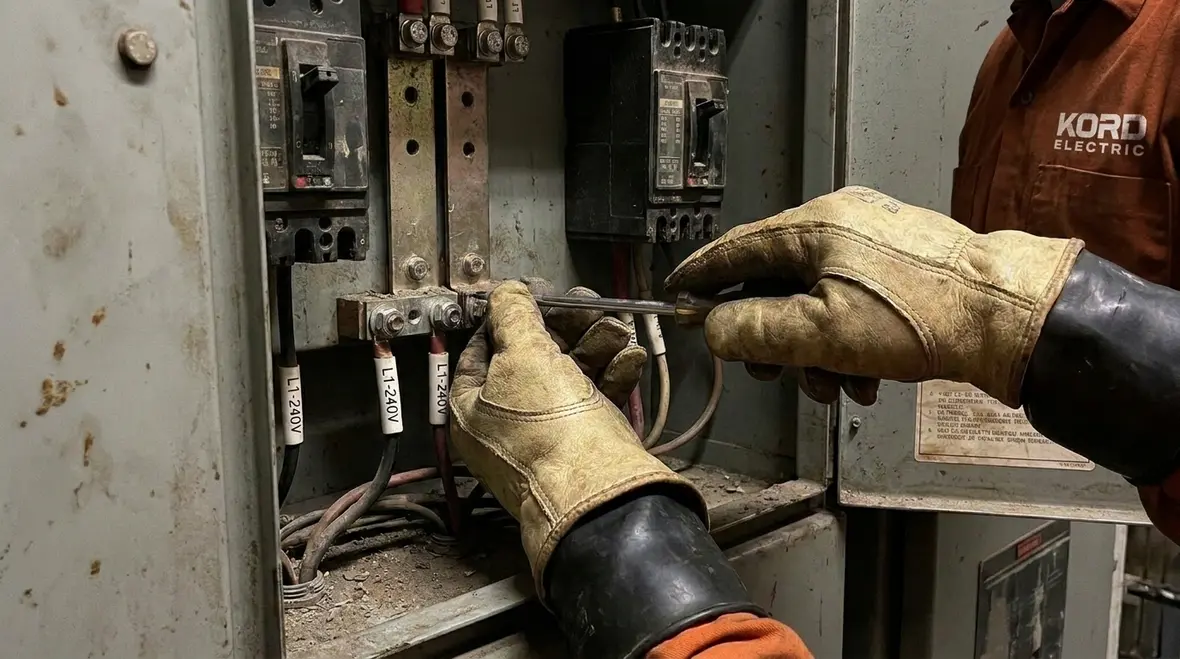
To prevent these, our technicians use a “show your work” approach. We confirm routing paths, we check support and protection methods, and we review what your maintenance staff expects the system to handle. Then, we align the install details to the code intent, including the focused direction tied to NFPA 70 Section 668.12 plating cell conductors. When we finish, your team receives clear notes and service friendly labeling, so the next maintenance event does not turn into guesswork.
How we support compliance in commercial and industrial facilities
Our work at Kord Electric centers on major property buildings and commercial and industrial sites. That means our process stays practical and repeatable, because large facilities require more than one-off fixes. They need stable methods, clean records, and a plan that holds up during outages and future expansions.
We support compliance in several ways. First, we help plan upgrades before the first cable gets pulled. That includes scoping the changes, checking equipment compatibility, and reviewing how the new work connects to existing systems. Second, our technicians coordinate site constraints so the installation follows safe wiring practices without cutting corners. Third, we emphasize testing and documentation that your stakeholders can trust.
Additionally, we help your internal team prepare for inspection readiness. When possible, we provide clear as built updates and we make sure labeling and identification make sense to the people who will maintain the system. Then, if your facility needs future work, the job starts with accurate information instead of a scavenger hunt.
We know compliance can feel like a hurdle race, especially when operations keep running. However, with a steady plan and clear communication, the process becomes calmer. It still requires discipline, but it stops feeling like chaos. Think of it like switching from sprinting through a mall to walking through it with a map.
Guidance on documentation, inspections, and long term service
Code compliance does not end when the installer leaves the site. It continues through maintenance, modification, and response to operational changes. Therefore, we help clients set up a system that stays compliant over time.
From our experience, documentation should include what was installed, where it was installed, and what protects it. For process areas, this means tracking routing decisions, identifying equipment connections, and recording the protection approach that supports the design intent. When the facility changes, the electrical records should change too.
During inspection preparation, we focus on making the work easy to understand. We do this by aligning field notes with drawings, verifying labels, and confirming that connection areas remain accessible and protected. Then, we make sure the facility can explain the installation decisions to the people who need to sign off.
Our expert service staff also advises on maintenance practices that reduce failure risk. For example, periodic checks of termination points and inspection of wiring support systems can uncover issues before they escalate. Even small corrosion signs can become big problems if left alone. So, we build a realistic maintenance plan that keeps electrical performance steady.
If your facility in Los Angeles County or the surrounding region needs a partner that understands both the code language and real world constraints, our team is ready to help. You can learn more about our regional capabilities on our Los Angeles County commercial and industrial electrical services page, where we outline how we support complex sites from planning through long term service.
FAQ
Wrapping up: make code compliance part of your operating plan
At Kord Electric, we help commercial and industrial facilities keep electrical systems safe, reliable, and inspection ready. We explain requirements clearly, and our technicians apply them with care, especially in process areas where NFPA 70 Section 668.12 plating cell conductors and related installation intent carry real operational weight. If you are planning an upgrade, managing maintenance, or preparing for an inspection, we will map the work, document it properly, and support your long term service goals. Contact us today to start with a focused assessment.
When you are ready to connect plating cell conductor requirements with the rest of your electrical strategy, we can also align this work with broader NFPA 70 planning, surge protection, redundancy, and emergency power design. That way, plating cells stop being an isolated concern and become part of a coordinated system that supports your production, safety goals, and long range capital plans.


